Homework 1 Skillr Boxing
Dissecting the BASIC techniques you NEED to develop your Head Movement
Main homework. Keep it small, balanced and connected to stance.
Open on YouTube ↗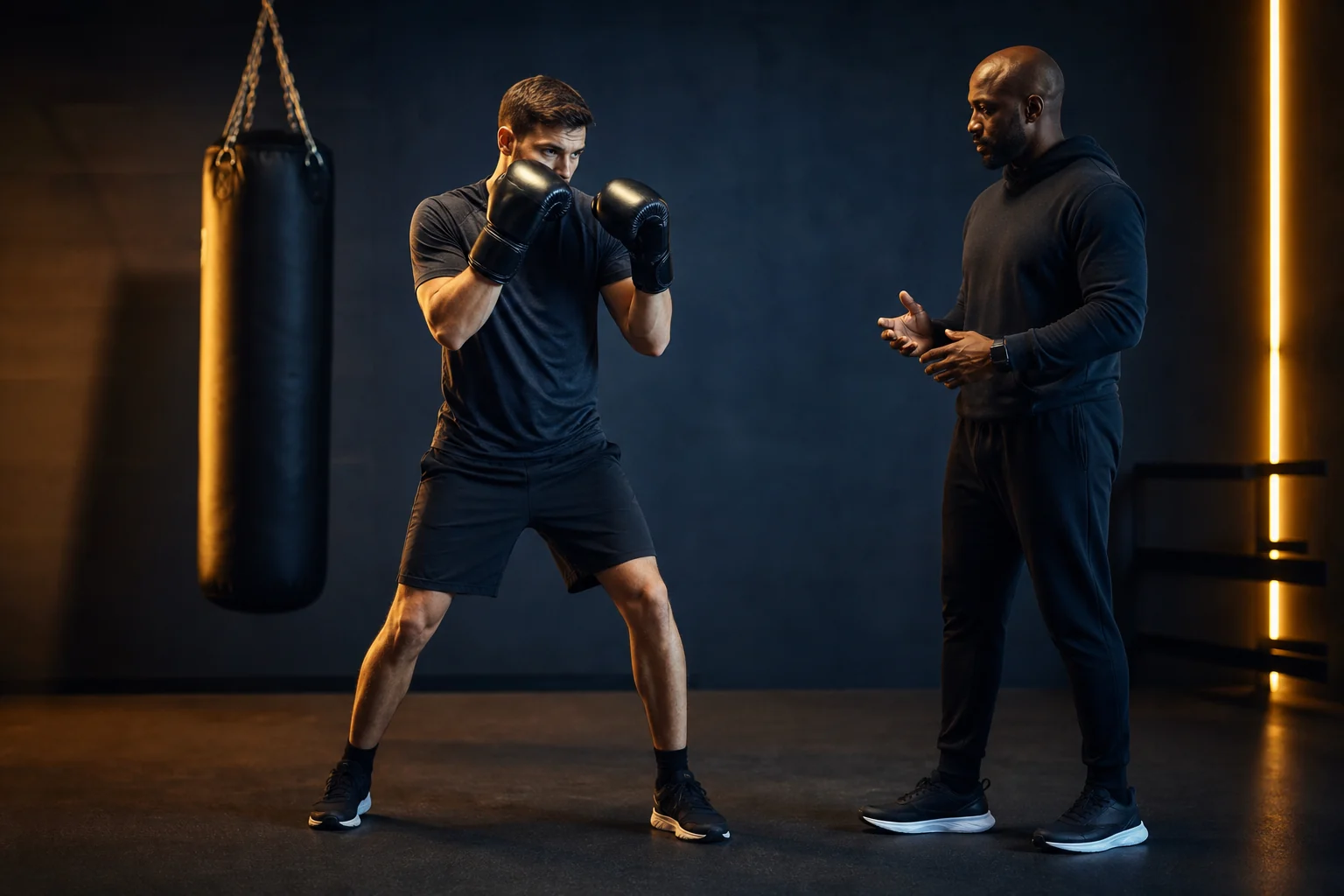
Future focus
In 2 months
This month teaches head movement as a small boxing answer, not a big bend. Slips, rolls and weaves should keep the boxer able to see, breathe, punch back and move their feet.
What
Slips, rolls, weaves, small weight shifts and safe recovery after moving the head.
How
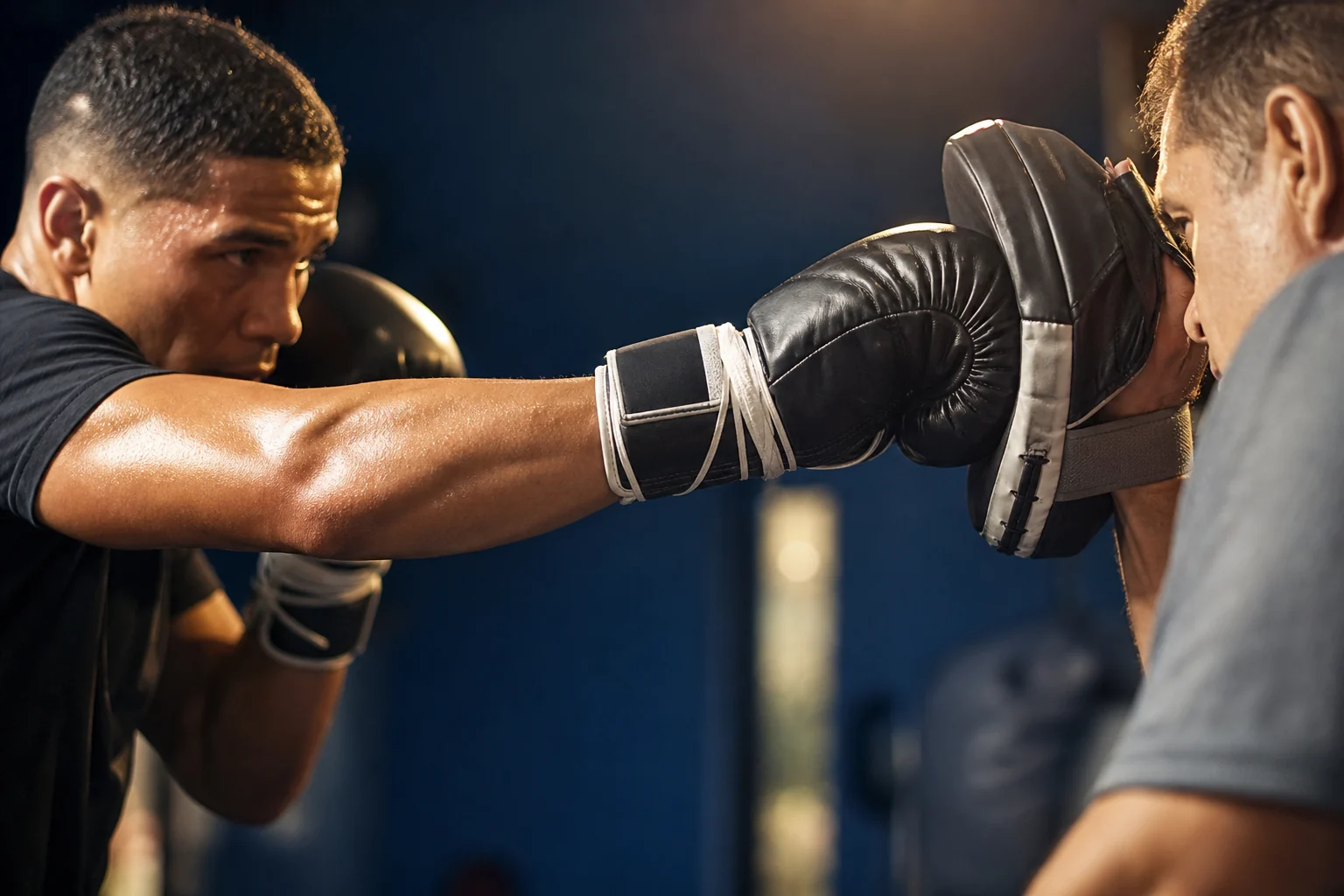
Coaches can start with slip-line and glove-feed drills, then attach the movement to jab-cross exits, pad returns and light partner work where the head moves only enough to miss.
Monthly pathway
Start with the active block, look ahead to the next one, then keep last month as a reference rather than the first card.
Why it matters
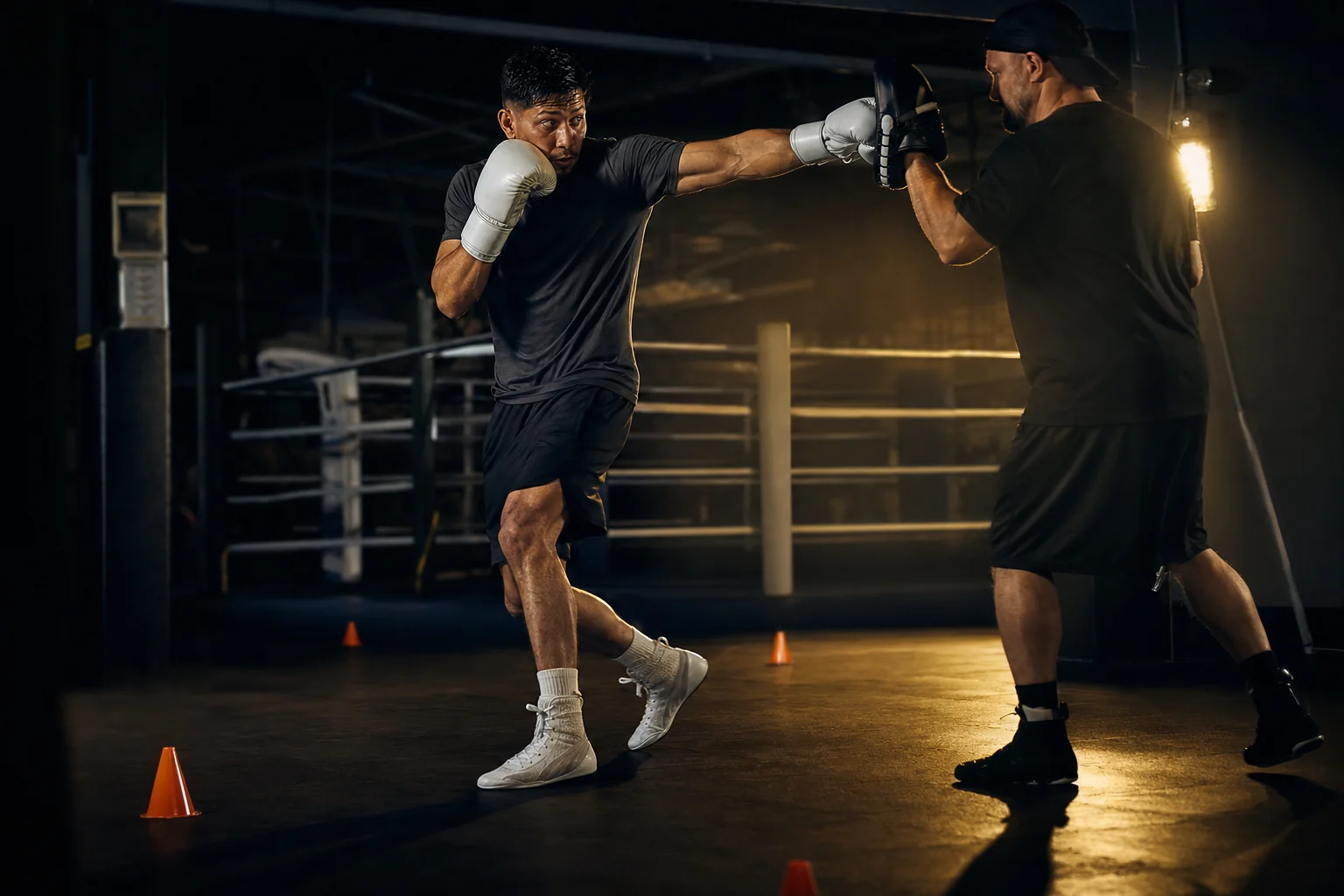
Head movement only helps when the feet, eyes and guard stay organised. Big bends make juniors lose balance and walk into the next shot.
The KB clips on slipping, rolling and weaving all point to the same correction: the movement is smaller than most beginners think.
For juniors, the rule is simple. Move with the legs, keep eyes up, do not fold at the waist, and always come back to stance.
Coaches will be watching whether the boxer can punch or exit after the movement. If the head move leaves them stuck, it was too big.
Video homework
Use these clips before class or as a reminder afterwards. Each one also opens on YouTube if you want to save it.
Main homework. Keep it small, balanced and connected to stance.
Open on YouTube ↗Use the drill ideas, but keep junior versions slow and coach-led.
Open on YouTube ↗Short reference for rolls and weaves without folding at the waist.
Open on YouTube ↗Simple slip mechanics to pair with jab and cross defence.
Open on YouTube ↗Fighters to study
Compact head movement attached to foot position.
Look for legs and hips moving with the head.
Study video ↗Small slips and rolls with balance for counters.
Notice how little his head moves when he is in range.
Study video ↗Head movement linked to angle changes.
Track the feet after the slip.
Study video ↗Defensive rhythm and relaxed upper-body movement.
Study balance, not showmanship.
Study video ↗What classes will feel like
Week 1
Build slips and rolls from stance with knees soft, eyes up and guard still useful.
Week 2
Jab-slip, cross-roll and hook-roll patterns on pads and in shadowboxing.
Week 3
Use slip rope and glove feeds so boxers learn distance without guessing.
Week 4
Controlled partner rounds: one predictable attack, one head move, one safe reply or exit.
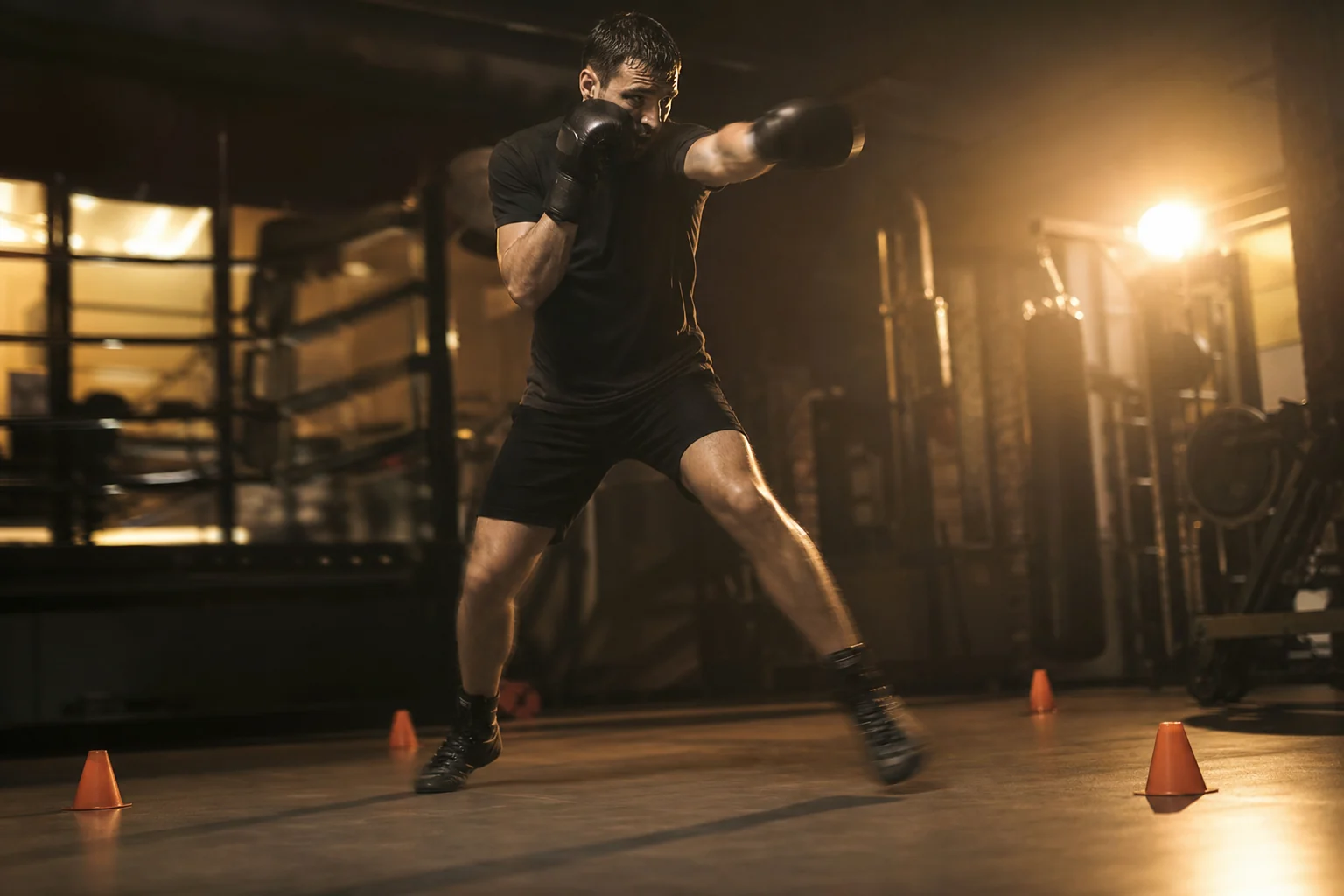
Example drills
Beginners and juniors
Step along a line or rope, slip just outside centre, freeze in stance.
The head should move less than the feet. No bending from the waist.
All levels
Partner shows a slow jab line, boxer slips, returns to guard and resets.
Eyes stay open and the rear hand stays home.
Intermediate
Coach feeds a light hook shape on pads, boxer rolls under and exits.
Roll with knees and hips. If the boxer ducks blind, slow it down.
Controlled partner work
Predictable jab feed, slip, touch jab or cross back, then step out.
No trading. The win is clean movement and safe recovery.
Member note
Move your head like you still need to box afterwards. Small, balanced and ready is the goal.
Check timetable