Boxing vs Wing Chun
Two striking arts with fundamentally different philosophies. Boxing is battle-tested in the ring. Wing Chun claims close-range superiority but rarely faces live resistance. This is an honest comparison of what each delivers for fitness, self-defence, and long-term development.
The Core Difference
Boxing
A Western striking art refined through centuries of competitive fighting. Every technique is pressure-tested.
- • Four core punches: jab, cross, hook, uppercut
- • Footwork, head movement, defensive slipping
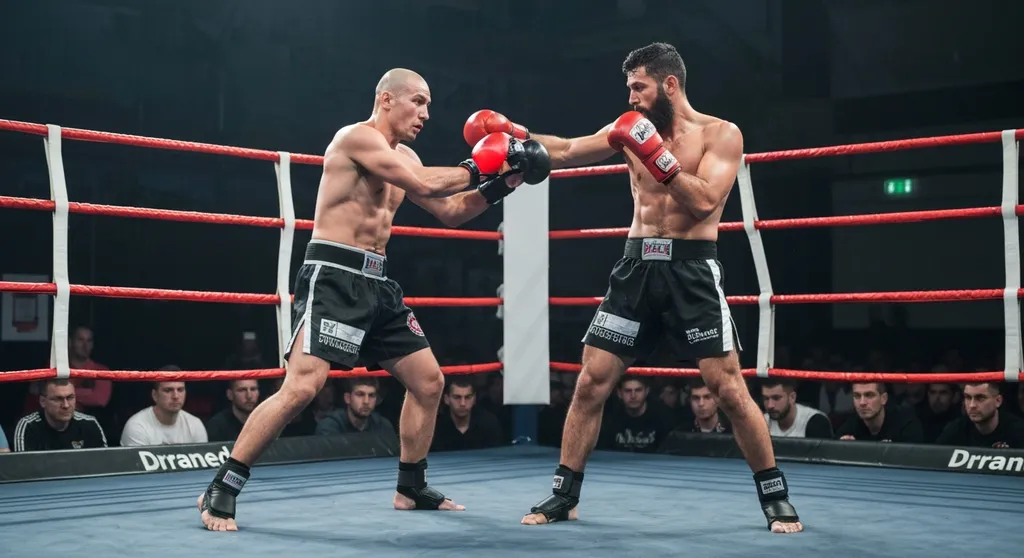
- • Regular sparring against resisting opponents
- • Clear competitive pathway (ABA amateur bouts)
- • Universally available, well-regulated
Wing Chun
A Southern Chinese martial art emphasising close-range striking, centreline theory, and simultaneous attack and defence.
- • Chain punches, palm strikes, low kicks
- • Chi Sao (sticky hands) sensitivity training
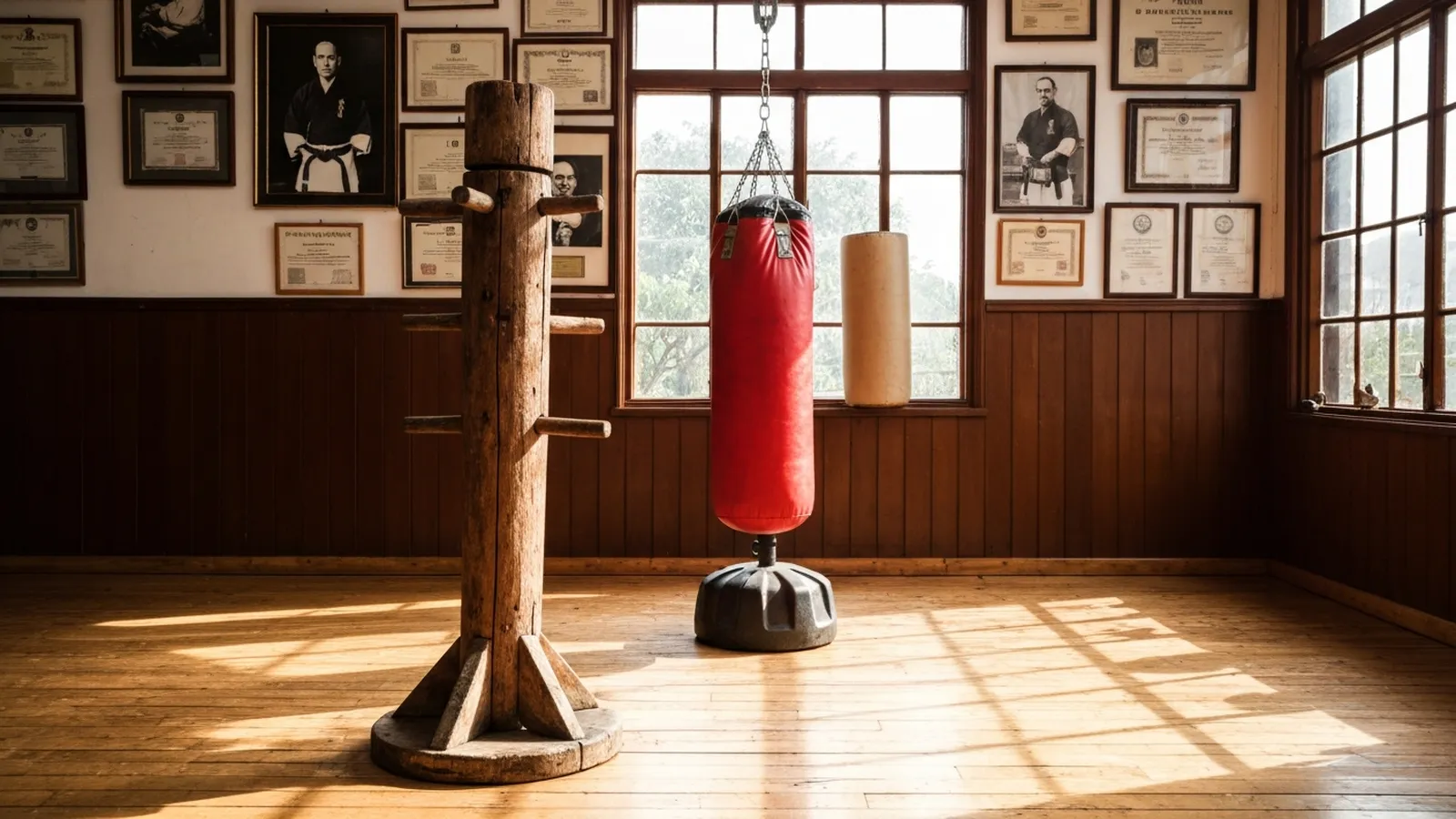
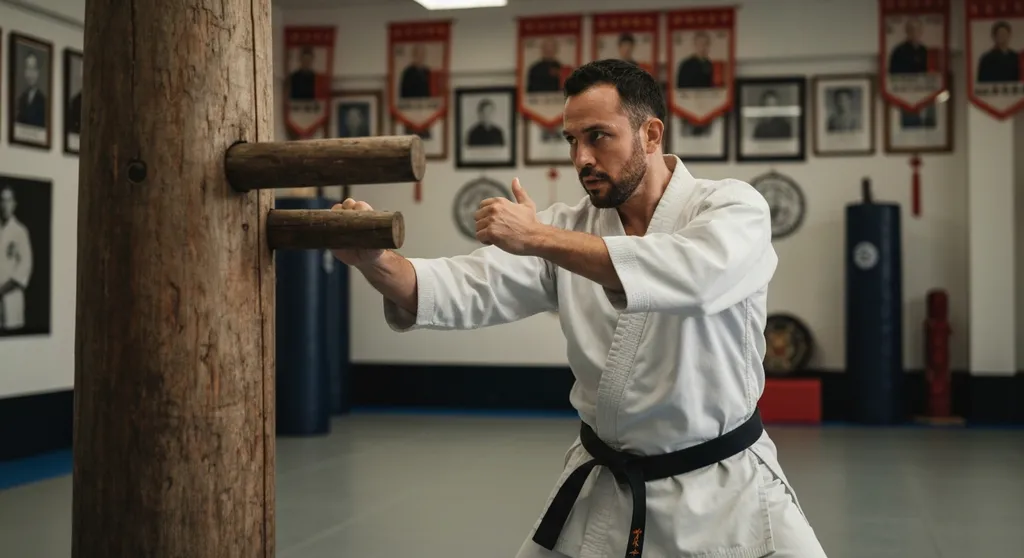
- • Wooden dummy (Muk Yan Jong) practice
- • Centreline theory and economy of motion
- • Lineage-based instruction traditions
Boxing focuses on a small number of techniques executed under extreme pressure. You learn four punches, then spend years learning to land them against someone who is actively trying to stop you. Wing Chun teaches a broader range of techniques but typically against compliant training partners following prescribed sequences.
This difference in training methodology is the single most important factor in this comparison. It affects everything from self-defence effectiveness to fitness outcomes.
The Pressure Testing Problem
This is the central debate in martial arts, and it is where boxing has an undeniable advantage. Boxing training includes regular sparring against opponents who are genuinely trying to hit you while you genuinely try to hit them. This develops timing, distance management, and composure under pressure in a way that no amount of drill work can replicate.
Wing Chun's primary training method is Chi Sao, a sensitivity drill performed at close range with a cooperative partner. It develops tactile reflexes and hand trapping ability, but it does not simulate the chaos, distance, or timing of an actual confrontation. As one r/martialarts commenter observed: "Pressure test Wing Chun a little and you will see it evolve. People often tell Wing Chun guys to cross-train in boxing."
Some Wing Chun schools do incorporate live sparring. These schools tend to produce noticeably better fighters. But they are the exception, not the rule. The lineage debates within Wing Chun often centre on which approach to training is "authentic" rather than which approach produces the most capable practitioners.
Self-Defence: What Actually Works
Boxing gives you a small number of reliable tools that work under stress. A sharp jab creates distance. A solid cross ends confrontations. More importantly, boxing develops the footwork to control range and the defensive instincts to avoid getting hit. These abilities are trained against genuine resistance, which means they tend to hold up when adrenaline is flowing and fine motor skills degrade.
Wing Chun advocates argue that their art is specifically designed for self-defence rather than sport. The centreline theory, simultaneous blocking and striking, and close-range focus are all oriented toward real encounters rather than ring fighting. In theory, this is sound. In practice, techniques trained without resistance often fail under pressure.
The honest answer is that neither art addresses grappling or ground fighting. Both are striking disciplines. If self-defence is your primary motivation, boxing gives you more reliable tools because they are tested against non-compliant opponents every session. But for complete self-defence coverage, supplementing either art with grappling (wrestling or Brazilian jiu-jitsu) is advisable.
Fitness Comparison
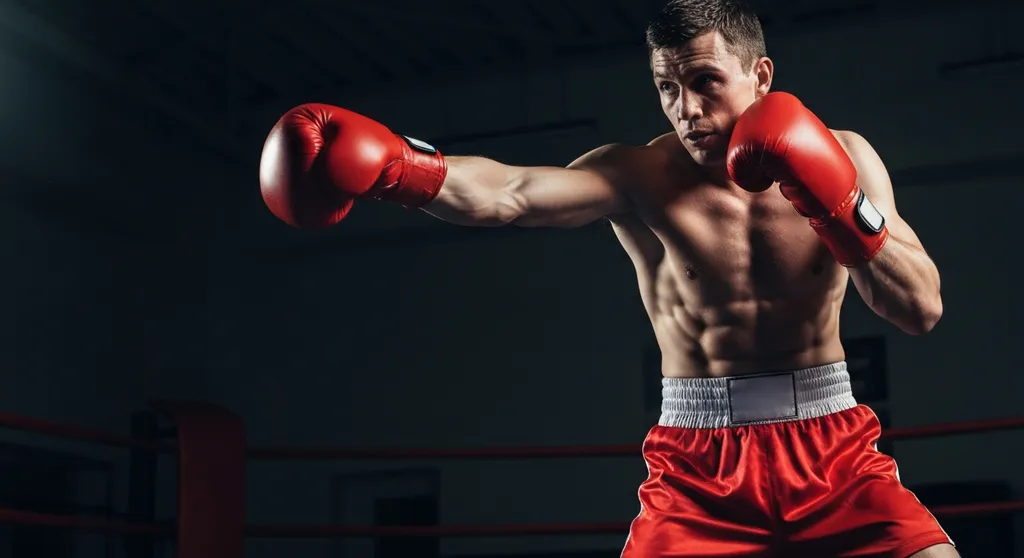
Boxing is one of the most physically demanding activities available. A typical session includes skipping, shadowboxing, bag work, pad work, and conditioning drills across multiple three-minute rounds. The Forza study found boxing burns approximately 800 calories per hour. It builds cardiovascular endurance, muscular endurance, core strength, and coordination simultaneously.
Wing Chun training is less physically demanding. Forms practice is performed at moderate intensity. Chi Sao is relatively static. Wooden dummy work develops arm conditioning and positioning but does not significantly raise the heart rate. Some schools supplement with fitness work, but the art itself is not designed as a fitness programme.
If fitness is a significant motivation alongside learning to fight, boxing delivers considerably more. At Honour and Glory, every session is a full-body workout regardless of your experience level.
Was this page helpful?
It takes one tap, and it genuinely helps.
Which Should You Choose?
Choose boxing if:
- • You want techniques tested against real resistance
- • Fitness is a major motivation
- • You want a clear competitive pathway (ABA)
- • You value practical self-defence ability
- • You want widely available, well-regulated training
Choose Wing Chun if:
- • You are drawn to Chinese martial arts philosophy
- • Close-range combat theory interests you
- • You prefer lower-intensity, technique-focused training
- • The cultural and historical aspects matter to you
- • You enjoy detailed, form-based practice
Our honest take: Wing Chun contains interesting concepts, particularly around centreline theory and close-range positioning. But the lack of consistent pressure testing in most schools is a real limitation. Boxing is not a complete martial art either (no kicks, no grappling), but what it does teach, it teaches through live resistance. That makes a significant difference when it matters.
We are a boxing gym, so our perspective is clear. But this is also the consensus across most martial arts communities, including many Wing Chun practitioners who cross-train in boxing. Want to see for yourself? Book a free session and find out.
See also: Boxing vs Karate | Boxing vs Krav Maga | Boxing vs Taekwondo | Boxing vs Aikido | Boxing vs Capoeira
The best way to decide? Come and try it.
Your first session is free. No contract, no commitment.
Book Your Free Boxing Session
Your first session is free. No contract, no joining fee, no catches.
📍 122 Broad Walk, SE3 8ND · Pay as you go from £5