Kids boxing at H&G starts with a coached Junior Recreational route for ages 7-16. It is the right first page for parents near Kidbrooke, Kidbrooke Village, Greenwich, Blackheath, Lewisham and Eltham who want proper boxing, clear supervision and a sensible first trial.
If you searched for kids boxing classes near me, use this page to check the class route, travel options and free junior trial. If you are still deciding whether your child is ready, read what age children can start boxing.
Children get a clear place to learn, listen and improve. The confidence comes from small coached wins: stance, balance, pad work and knowing what to do next.
DISCIPLINE
Sessions are structured and coach-led. Children are expected to listen, respect the room, work safely and build habits they can repeat.
FITNESS
Skipping, pad work, bag work and footwork drills give children a demanding session without turning the class into a loose fitness game.
COMMUNITY
We are a community club, not a chain gym. Juniors train in a room with standards, regular coaches and parents welcome to watch.
Google reviews
Recent feedback from parents and members
Use this alongside the timetable and safety notes when deciding whether the club feels right for your child.
Good hard working session. Good vibes. 100% recommend it. Website is very good too. They actually have a boxing gym finder so you can find other gyms near you, which I thought was class. All in all a great boxing gym.
Tola
22 May 2026
★★★★★
I had a very good first session with them. Very good.
D Ade
19 May 2026
★★★★★
Very nice area, good time if you want to get exercise in and try and push yourself, nice culture of trying to get fit and push yourself, punching bags are there for technique and repetitions overall very nice place
Daniel Ebenuwa
18 May 2026
★★★★★
The class was intense and absolutely worth it!
Highly recommend
Charlotte Haddock
15 May 2026
★★★★★
Such an amazing club, very supportive and encouraging. Pushing your child to do there best.
oliver denyer
8 May 2026
★★★★★
High recommend!! Really good place to come.
Julia García Álvarez
8 May 2026
★★★★★
Great class!!!
Vishma Vissandjee Rayarel
6 May 2026
★★★★★
We had a great trial session . Thank you for all the explanations . Really recommended
I Berry
6 May 2026
★★★★★
Great venue and friendly teaching.
Took my 10yo daughter and she had such an enjoyable time.
Recommended
SONNY JM
29 Apr 2026
★★★★★
Great gym, very helpful and great atmosphere. Highly recommend.
Charlee Selvage
28 Apr 2026
★★★★★
My son attended a trial session which he really enjoyed, the coach made him feel comfortable. He is looking forward to attending regularly.
David Umelo
27 Apr 2026
★★★★★
Great club very good atmosphere
Aoife Roche
23 Apr 2026
★★★★★
First session here for my 10 year old - he felt very welcome and comfortable from the moment he arrived and the session itself was great - cardio, strength and technique! We will be back!
Kilian Scheutwinkel
15 Apr 2026
★★★★★
Relaxed atmospheres with an intense warm up. Would recommend
Lucas Carrijo Pires
14 Apr 2026
★★★★★
Amazing boxing gym! Great atmosphere and very professional coaches
Dawit
13 Apr 2026
★★★★★
I had a wonderful experience here. The trainers here are the real deal. They don't just shout "punch harder" they actually focus on technique, footwork, and head movement. As a beginner, I felt supported and safe; as I progressed, they knew exactly how to push me past my limits.
Evie Duffield
10 Apr 2026
★★★★★
great session
Skye Goulding
9 Apr 2026
★★★★★
Had a great 1 on 1 session with Anton. I’m new to boxing, this was my first time doing it and learnt a lot in the first class already. I’ve been trying to find some form of exercise that I want to commit to weekly and seriously think I’ve found it here. The gym is a great set up with lots of equipment and also very clean. Definitely will be coming back.
Sam Shovlin
9 Apr 2026
★★★★★
Amazing experience with Anton, me and my girlfriend took part in a 2-1 to get introduced to the gym and boxing. Fantastic training and an amazing atmosphere, will absolutely be coming back each week and could not recommend it enough for anyone starting out or seasoned pros
Harry dennis Mcrae
8 Apr 2026
★★★★★
Anton made me feel really welcome, lovely people to train will 100% recommend learned lots on my first evening, Thanks a lot
Vinitt Patel
2 Apr 2026
★★★★★
My child really enjoyed her first lesson, she wants to come again. The staff are very pleasant and friendly.
Claire Elmore
11 Mar 2026
★★★★★
Lovely gym fantastic 4 kids boxing my boy enjoys it every time.
James Ray
11 Mar 2026
★★★★★
Great gym for junior and senior boxers
My daughter has been coming for years and loves it and has improved massively under the tuition of the coaches
MR J CUTTER
11 Mar 2026
★★★★★
Top quality gym and good lads !!
John Speer
11 Mar 2026
★★★★★
This place is amazing!!!
The gym had a pure, raw, passionate energy as I walked in.
The work that these guys put in, especially to the kids program seems unmatched in any other boxing gym I've been to.
Wellbonds Scaffolding have now decided to step in and offer sponsorship as we were that impressed. Definitely recommended
thabo mudenda
9 Mar 2026
★★★★★
Good and friendly atmosphere for boxing and keeping fit.
Jonathan Francis
9 Mar 2026
★★★★★
I've been to a few other clubs in the area, and found that they weren't particularly welcoming to new members (cliques and attitude/ego issues).
H&G have been an absolutely lovely bunch - I've had a great time both coaching and training at the club and Anton in particular has been a star at making new members feel welcome, included and properly coached/onboarded whether they're there for fitness or to compete.
Would highly recommend H&G to anyone within a 30 minute drive (I come in from Abbey Wood, where we have a bit of a drought of welcoming local clubs).
sibght ayoubi
9 Mar 2026
★★★★★
Excellent boxing gym. Professional coaches, great training, and a friendly environment. Highly recommended for anyone who wants to improve their boxing skills.
Vishal Patel
9 Mar 2026
★★★★★
Fantastic boxing club! If you're looking to get in shape, this is the place to be. Sessions are very good & the coaching is first class!
Paul R
8 Mar 2026
★★★★★
If you’re looking for a boxing gym that welcomes everyone, this is the place. The club has a really inclusive feel, whether you’re a complete beginner or have been boxing for years. The coaching is excellent—clear, encouraging, and focused on helping you steadily improve your skills and confidence in the ring.
There’s also plenty of equipment, and the sessions always feel well organised. What really stands out is the atmosphere. It’s friendly, supportive, and genuinely motivating.
A great place to train, learn proper boxing, and be part of a positive community.
Parent routes
MATCH THE CLASS TO THE CHILD
Junior Recreational is the default first step. These routes help parents choose the right supporting page before booking.
Structured, beginner-friendly boxing for ages 7-16. Younger children are introduced carefully, older children build proper technique, and there is no pressure to compete.
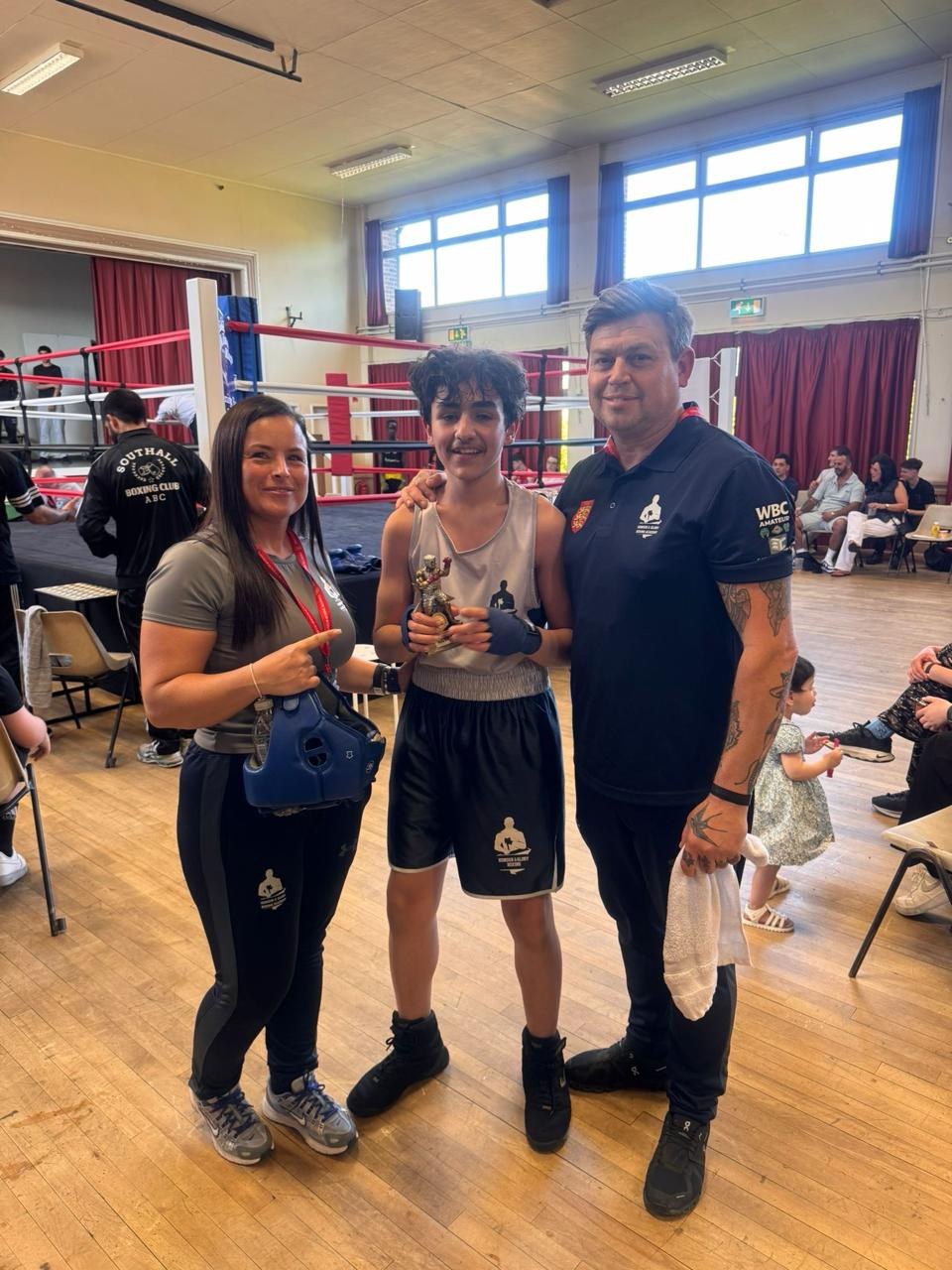
MEMET WINS AT THE GATOR / WEST THURROCK / SEVEN HILLS SHOW
A recent result from a junior boxer who chose the competition pathway after building the basics. It is here as proof of progression, not as the expectation for a first trial.
Every coach is DBS checked and safeguarding certified
ABA AFFILIATED
Recognised by the Amateur Boxing Association of England
FIRST AID TRAINED
Qualified first aiders present at every session
PARENTS' QUESTIONS
Is boxing safe for children?
Non-contact boxing for children involves no punching between participants. Children work on bags, pads with coaches, and shadow drills. There is no sparring in Junior Recreational. Junior Competitive introduces competition skills only when the coaches decide a young boxer is ready. Junior Recreational is non-contact: children work on bags, pads and drills, with no sparring. Coaches supervise the session and introduce contact only in the competitive pathway when appropriate.
What age can children start boxing?
We accept children from age 7. Junior Recreational now covers ages 7 to 16, with younger children eased in carefully and older children challenged more technically. From age 10, children who want to compete can also move into Junior Competitive. For the full parent answer, read what age children can start boxing.
Does my child have to compete?
No. The majority of our junior members train purely for fitness, confidence, and enjoyment. Competition is available through our Junior Competitive pathway for children who want it, but it is never expected or encouraged as a default. Your child leads on whether they want to take that step.
What does my child need to bring?
For the first session, sportswear and clean trainers is all they need. We provide gloves and any other equipment for the trial. Once they join, you will need to buy hand wraps and a gumshield (around £10-15 total). Gloves can be provided by the club in the early weeks while you decide what fits. We will advise on what to buy and when.
Can I stay and watch?
Yes. Parents are welcome to stay and watch at every session. We ask that parents let the coaches do their job without interference during the session itself, but you are absolutely welcome to be present. Many parents find they enjoy watching as much as their children enjoy training.
What if my child is shy or anxious?
Start with Junior Recreational and tell us before the trial. Coaches can keep the first visit simple, avoid putting the child on the spot, and let confidence build gradually. If you want the fuller parent route, use the parent guide.
What if my child needs a quieter start?
Most children should try Junior Recreational first. If a group start would be too much, ask about 1-to-1 coaching before moving into the group.
What does it cost?
Junior Recreational is £8.50 per session. Competitive squad pricing may differ once a boxer has progressed. There is no joining fee and no contract. The first session is free so you can come along and see whether it is the right fit before committing to anything. We are a community club and keep pricing accessible by design.
Are your coaches qualified and DBS checked?
Every coach at Honour and Glory holds a current DBS (Disclosure and Barring Service) certificate and is ABA/Alliance credentialed. The club is ABA affiliated and follows all safeguarding guidelines required for junior boxing in the UK. Safeguarding documentation is available on request.