
Tyson Fury Return: What August 1 Means For AJ
If Tyson Fury really does box again on August 1, the most important question is not only who he fights. It is what that fight is for.
The first wave of reports framed it as a comeback date, with Boxing News 24 saying Fury had revealed his next heavyweight fight would be on August 1. Boxing News Online added the reported location, while GB News tied the news directly to the long-discussed Anthony Joshua fight. The Times of Malta also reported Fury’s August return in Dublin, giving the whole thing the feel of a real comeback path rather than another heavyweight rumour floating around the internet.
That matters because Fury versus Joshua is not just another fight. It is the fight British boxing has been circling for more than a decade. Two Olympic-era heavyweights. Two stadium names. Two careers that have been compared, defended and picked apart by everyone from broadcast pundits to lads in gyms after sparring. Sky Sports reported the all-British mega-fight as “signed, sealed and delivered” for 2026, but boxing has taught us to treat those phrases with care until both men are actually walking to the ring.
An August 1 return, then, is not a side issue. It is the pressure test.
Why Fury Needs A Tune-Up
The phrase “tune-up fight” can sound disrespectful. It makes it seem as if the opponent is a heavy bag with gloves on. That is not how heavyweight boxing works.
At heavyweight, a tune-up is still a risk. One punch changes everything. Timing is not theoretical when a 17-stone man is trying to take your head off. Feet that were sharp two years ago can feel half a beat slow. Reactions that once came naturally have to be trusted again under real fire. You cannot fully rebuild that in a private gym, no matter how good the sparring is.
Fury has always been a rhythm fighter as much as a size fighter. People talk about the height, the reach, the weight and the awkwardness, but his best work comes from timing: feints, half-steps, little shoulder rolls, changes of pace, then a sudden long right hand or a lean that makes the opponent fall short. When that rhythm is there, he makes elite heavyweights look clumsy. When it is not, he can look hittable, untidy and too willing to solve problems with toughness.
That is why August 1 makes sense. If the Joshua fight is the prize, Fury needs a live round of evidence first. Not an exhibition. Not a soft parade. A proper professional fight where he has to make weight, manage a camp, deal with media week, get wrapped, walk out and answer the first bell with something at stake.

Why AJ Will Be Watching Closely
Anthony Joshua’s team will not watch Fury’s return like fans. They will watch it like analysts.
They will look at Fury’s feet in the first round. Does he still get out after punching, or does he admire his work? Does he bend at the waist too long? Does he jab with spite, or just wave it out to buy time? Does he fight tall, or does he fall into clinches because the legs are not fully there?
They will also study his engine. Fury has often been praised for his recovery, but recovery is not the same as sharpness. A fighter can still be brave, still be clever, still be a problem, and yet not be quite the same after hard fights, long camps and time away. Joshua, for all the criticism he gets, is a disciplined finisher when he has a clear target. If Fury looks slow in August, AJ will see opportunity.
But Joshua also has a danger of his own. If Fury looks excellent, the mental balance shifts again. A sharp Fury return would remind everyone that AJ is not walking into a farewell party. He would be walking into a 12-round argument with one of the most awkward heavyweights of the modern era.
That is the real value of August 1. It gives both camps information. It tells Joshua whether Fury is back in body as well as in name.
The Makhmudov Type Of Risk
Several listings around the reported comeback pointed towards Arslanbek Makhmudov as the kind of opponent that turns a “warm-up” into something far more serious. ESPN carried a full viewer guide for Tyson Fury vs Arslanbek Makhmudov, including UK details and undercard information, while UK outlets such as The Mirror, Express and The Independent treated it like a full event, not a quiet rust-shedder. Even Netflix listed Fury versus Makhmudov, which tells you where modern heavyweight boxing now sits: part sport, part global content, part risk calculation.
Makhmudov is exactly the sort of name that makes a matchmaker earn his money. Big, strong, dangerous, but beatable if you control him. That is the profile teams often want before a mega-fight. They do not want a harmless opponent because the public will dismiss it and the fighter learns very little. They do not want a slick nightmare either, because one ugly night can burn down a fortune. They want danger with edges.
That is boxing’s uncomfortable truth: the perfect tune-up is not perfect. It has to be dangerous enough to wake the fighter up, but not so dangerous that it wrecks the main plan.
Why Big Heavyweight Fights Often Need One More Step
Fans hate waiting. Fair enough. Fury versus Joshua has already made people wait too long. There have been mandatories, rematches, broadcasting splits, Saudi money, belts changing hands, retirements, defeats, rebuilds and enough public negotiation to fill a small library.
But the extra step before a huge heavyweight fight is often not cowardice. It is risk management.
A mega-fight is a business event as well as a sporting event. Broadcasters need dates. Venues need certainty. Sponsors need assets. Fighters need medicals, camps, sparring, weight targets and contracts that cover every possible disaster. If one man has been inactive or is coming off a major setback, the people around him want proof that the machine still works.
That does not make the tune-up safe. It makes it necessary.
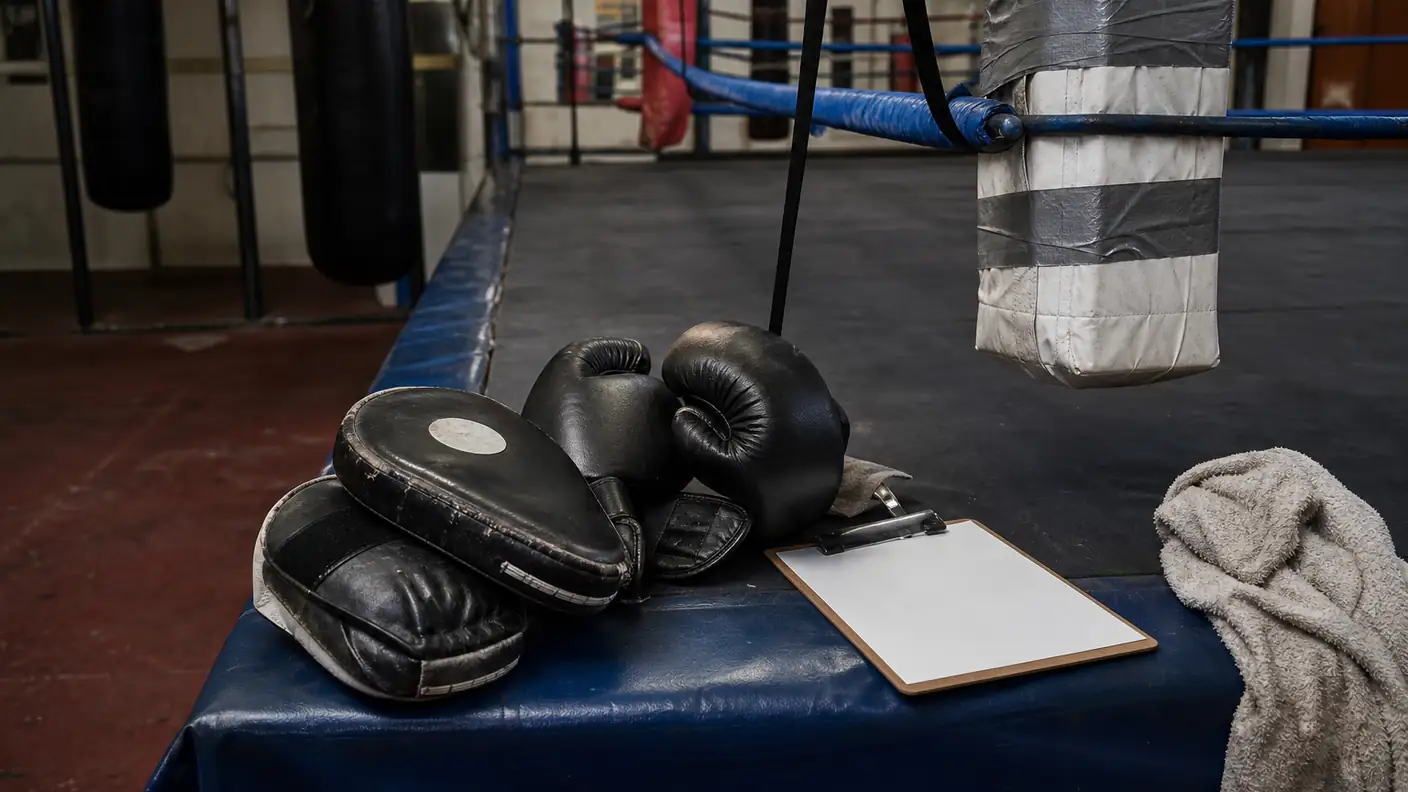
For younger boxers watching this from the gym, there is a lesson here. Progress is not always about jumping straight to the biggest name. Sometimes the right fight is the one that prepares you for the bigger fight. That applies from the pros right down to club level. At Honour & Glory in Kidbrooke, we see the same principle in a different form: you build the jab before you chase combinations, you learn your stance before you spar hard, and you earn each next step. If you are starting out or coming back after time away, our boxing classes in South East London are built around that same idea: proper foundations first, bigger tests later.
The Public Will Judge The Wrong Things
If Fury wins on August 1, some people will say he beat a hand-picked opponent. If he wins ugly, they will say he is finished. If he wins quickly, they will say the opponent was never good enough. That is the problem with tune-ups: the public often grades them backwards.
The key is not only the result. It is the process.
Does Fury establish the jab early? Does he keep the centre of the ring when he wants it? Does he tie up cleanly when the opponent gets close? Does he exit without switching off? Does he take unnecessary punishment? Does he look calm when the first hard shot lands?
Those details matter far more than a highlight clip. A first-round blowout might look impressive, but it may not answer the questions Joshua needs answered. Six or seven competitive rounds, controlled properly, might be more useful for Fury than a quick finish.
That is not romantic, but it is true.
The Online Noise Is Loud, But The Ring Will Tell Us More
There is already plenty of online reaction around the comeback trail. Reddit threads have tracked everything from Fury saying he will box on August 1 to arguments about his ranking and comeback choices, including discussions on the August announcement, Fury comeback fights, his WBC ranking, a reported face-off and Frank Warren’s comments about another fight. There are also spoiler and post-fight discussion threads around Fury versus Makhmudov and another spoiler thread, plus broader chatter around Fury talking about smashing an opponent to pieces, confirmation talk for Joshua and claims that Fury versus Joshua is official.
That is useful for measuring interest, but it should not be mistaken for evidence. The evidence is in the ring. Fury’s balance, timing, defence and attitude under pressure will tell us more than a hundred posts.
What August 1 Really Means
For AJ, August 1 is a scouting mission.
For Fury, it is a referendum.
Not on his whole career. That would be silly. Fury has already had a career most heavyweights would trade for in a second. The question is narrower and more important: can he still produce the version of himself that can beat Anthony Joshua in a high-pressure, high-money, all-British heavyweight event?
If the answer is yes, the Joshua fight becomes bigger, sharper and more credible. If the answer is no, the whole project starts to feel like nostalgia with a broadcast deal attached.
My view: Fury should take the tune-up, and he should take it seriously. No circus, no half-camp, no assumption that size and experience will solve everything. Heavyweight boxing punishes arrogance faster than any other division. One clean right hand can turn a clever plan into a medical suspension.
Joshua should want Fury to look good enough too. The best version of this fight is not AJ versus a faded name. It is AJ versus a live Fury, with both men carrying just enough doubt to make the first bell feel dangerous.
That is why August 1 matters. It is not the destination. It is the final checkpoint before British boxing finds out whether its most delayed heavyweight showdown still has real fire in it.
H&G Team
Writer at Honour & Glory Boxing Club, a community boxing gym in Kidbrooke, South East London.
KEEP READING
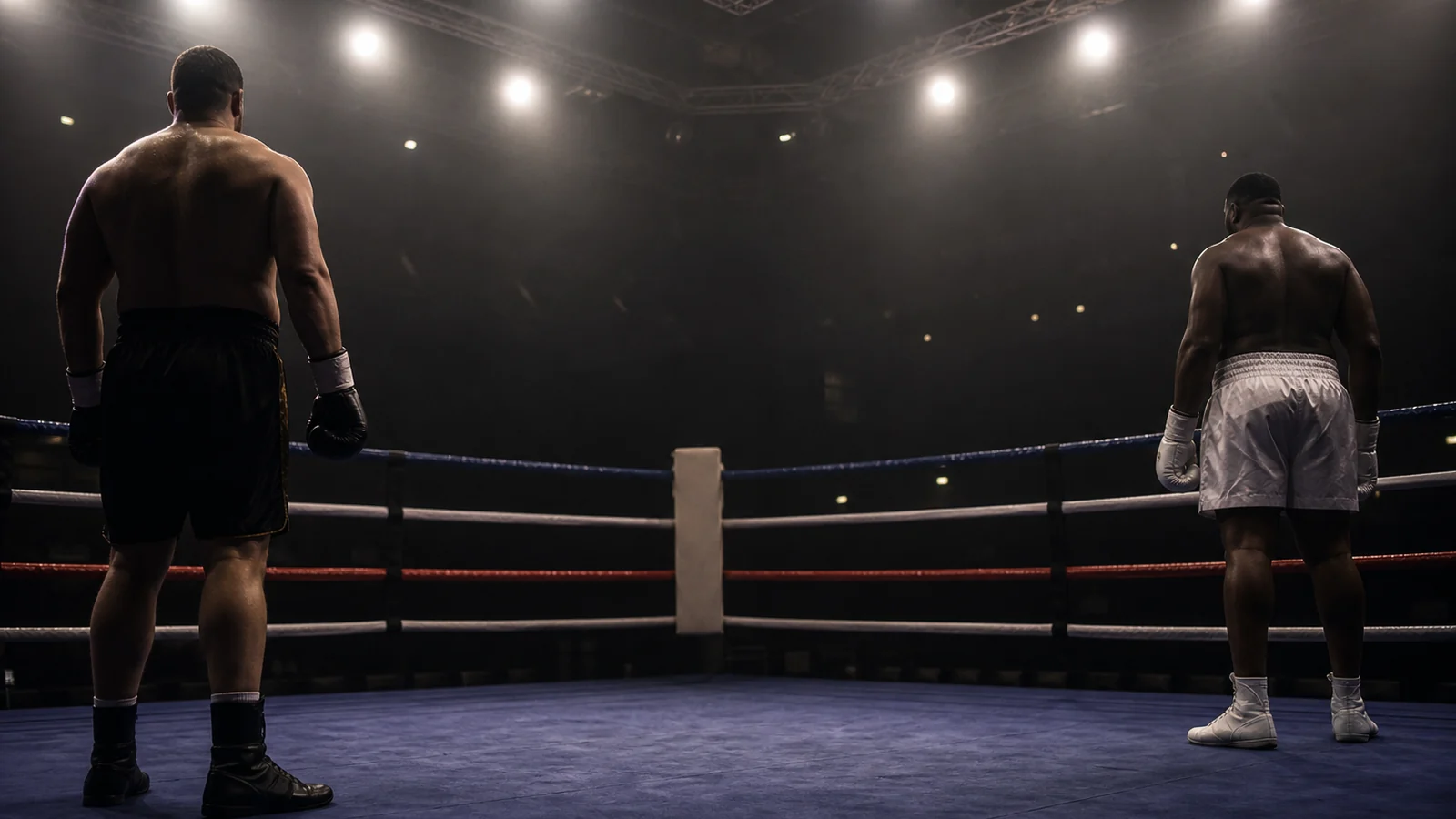
Fury vs Joshua 2026: Why British Boxing Still Needs It
Use the reported Q4 2026 mega-fight as a wider piece on why Fury vs Joshua still matters: national attention, casual fans returning, heavyweight legacy, and what young boxers can learn from two very different careers.
Fury vs Joshua: why contract claims are not a fight announcement
Separate a reported Nov 20 MSG contract from a confirmed event, using Eddie Hearn’s public caution to explain what still has to be agreed before fans treat Fury-Joshua as real.
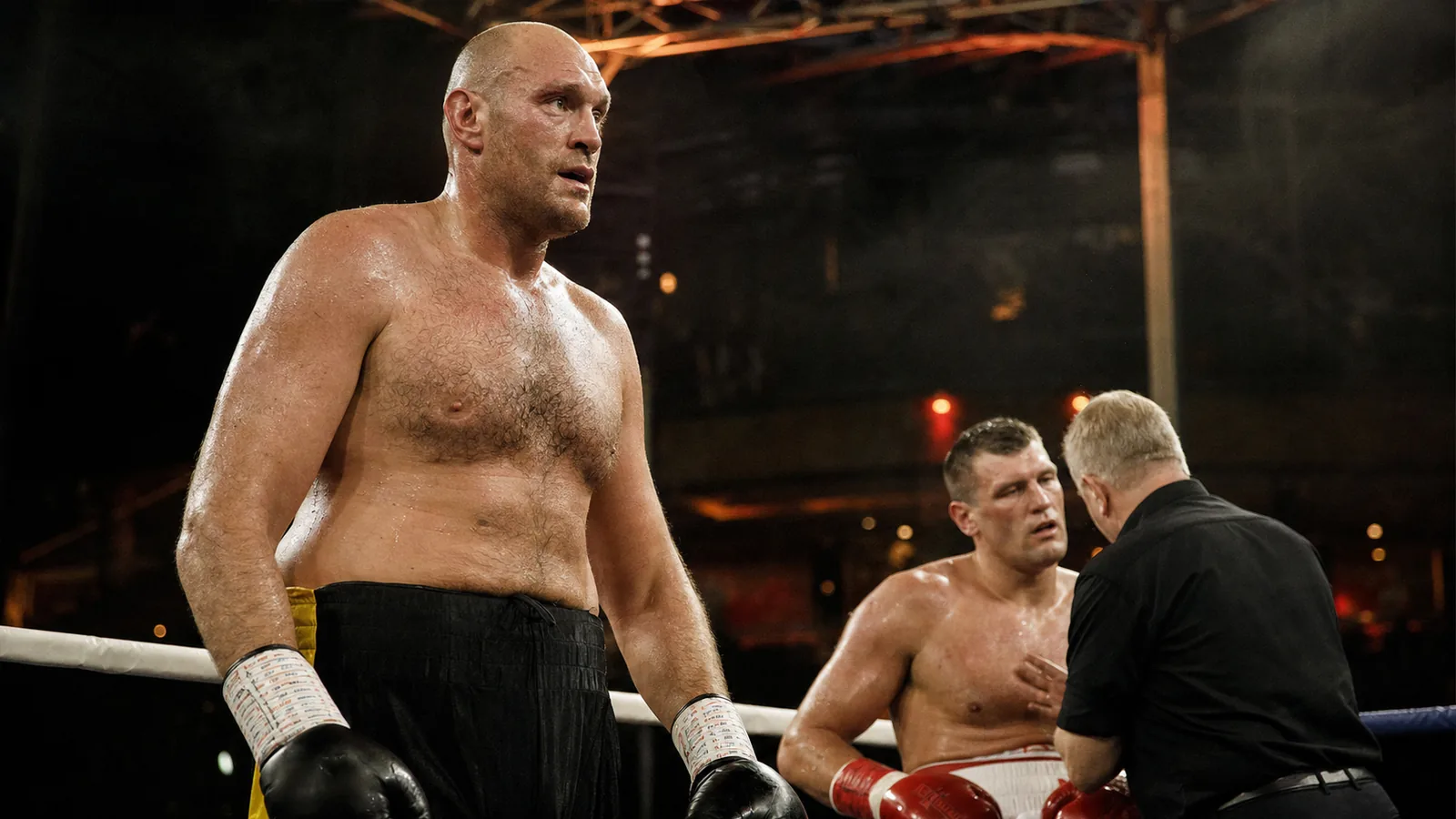
Tyson Fury vs Mariusz Wach: what the stoppage tells us
A fresh post-fight tactical read on Fury stopping Wach in Thailand, separating the result itself from the bigger question of how convincing the performance looked ahead of a potential Anthony Joshua fight.
Was this page helpful?
It takes one tap, and it genuinely helps.
Choose your next step
Turn this article into the right action
Some readers are ready to book. Some need the class route first. Pick the route that matches what you actually want.