
Tank Davis vs Devin Haney: What the Online Row Teaches Before Any Fight Is Signed
Gervonta “Tank” Davis and Devin Haney do not need a signed contract to create pressure. They only need a phone, a few sharp lines, and a boxing public that has wanted this fight for years.
That is where the latest Davis-Haney exchange matters. Not because social media arguments win rounds. They do not. Not because every insult should be treated as serious fight news. It should not. But because the talk around Davis and Haney has reached the point where the build-up is already shaping the terms of the fight before the fight exists.
Haney has gone at Davis hard, calling him an “underachiever” and questioning whether his choices and problems away from the ring have stopped him reaching the level his talent deserves. Boxing News 24 reported Haney saying Davis is a “really good fighter” but also arguing that “outside of the ring issues” and opponent selection have held him back. Davis, as usual, did not answer like a man reading from a PR sheet. In an earlier heated exchange covered by Boxing Social, Davis promised to beat Haney so badly that Bill Haney would cry, while Haney responded that he was free and ready.
That is not just noise. It is pressure being built in public.
The fight is already happening in people’s heads
There are two versions of Davis vs Haney.
The first is the real fight: weight, date, money, broadcaster, belts, camps, injury clauses, rehydration terms, and all the tedious but important business that makes a major bout happen.
The second is the public fight. That one is already in motion.
The public fight is where Haney says Davis has not tested himself enough. It is where Davis reminds everyone that he is the puncher, the ticket seller, the man who can change a fight with one shot. It is where Bill Haney becomes part of the theatre, as he has been for years. Black Enterprise reported Bill Haney directly challenging Davis to face Devin, which tells you how personal and family-driven this rivalry has become.
That matters because fighters do hear the noise. The best ones do not obey it, but they hear it. They know when people are calling them scared. They know when the other side is trying to set the story. They know when every next opponent is being judged against the one fight that has not happened.
For Davis, the pressure is simple: if you are that talented, why has this kind of fight not happened already? For Haney, it is different: if you talk like the purist, the disciplined boxer, the man willing to fight anyone, can you deal with the one-punch danger and emotional heat that Davis brings?
That is why this row has legs. It touches real questions.
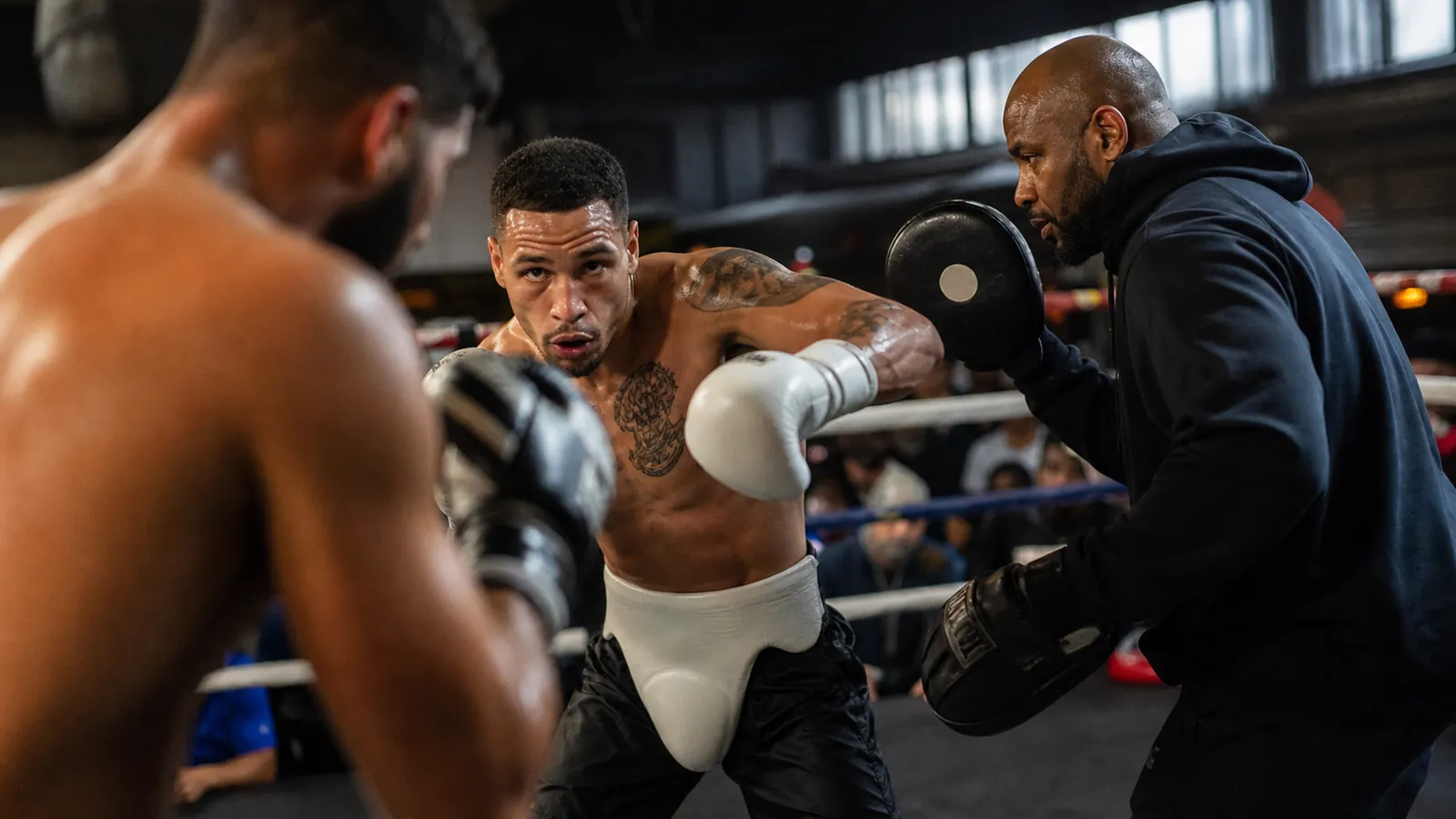
Haney’s criticism lands because there is a boxing argument behind it
Haney calling Davis an underachiever is harsh, but it is not empty.
Davis is one of the most naturally destructive fighters of his era. His balance, timing and punch placement are not normal. He does not just hit hard. He makes opponents walk into the shot they are trying to avoid. That is a different level of danger.
The frustration some observers have is not about whether Davis can fight. Of course he can fight. It is about whether his résumé fully matches his gifts. Haney’s criticism, reported by Boxing News 24, went straight at that point. He did not say Davis lacked talent. He said the talent should have produced more.
There is also the question of direction. Boxing News Online reported that Davis has been offered a chance to fight for a world title in a new weight class, while Sports Illustrated covered Davis discussing a possible Haney fight after his Ryan Garcia rematch. Those options show the position Davis occupies. He can move in several directions because he is valuable. But that also means every choice is judged.
If Davis fights someone else, Haney can frame it as avoidance. If Haney fights someone else, Davis can say Haney is all talk. That is how public pressure works. It narrows the story until every move looks like a statement.
Davis knows fear is part of his brand
Tank Davis does not sell calm debate. He sells danger.
That does not mean he is only a puncher, because that would be lazy analysis. Davis is patient. He reads reactions. He gives opponents just enough comfort to make them careless. Then he punishes the mistake.
But the image matters. Davis has built a career around the sense that something violent can happen at any second. That is why his words carry a certain weight. When he says he will hurt someone, people believe the threat is at least connected to what he does in the ring.
The old sparring footage has fed that story too. The full Davis vs Haney sparring footage and the later clips and discussion around it, including Reddit threads on the released sparring rounds and Mayweather releasing full Davis vs Haney sparring footage, keep the old gym-room mythology alive. Sparring is not a fight. It should never be scored like a fight. But in boxing, sparring stories are fuel. They give both camps something to twist.
Davis benefits from that. The more the match-up feels personal, the more his menace becomes part of the promotion. Haney benefits too, but in a different way. He gets to present himself as the man willing to challenge the puncher’s aura with skill, discipline and distance control.
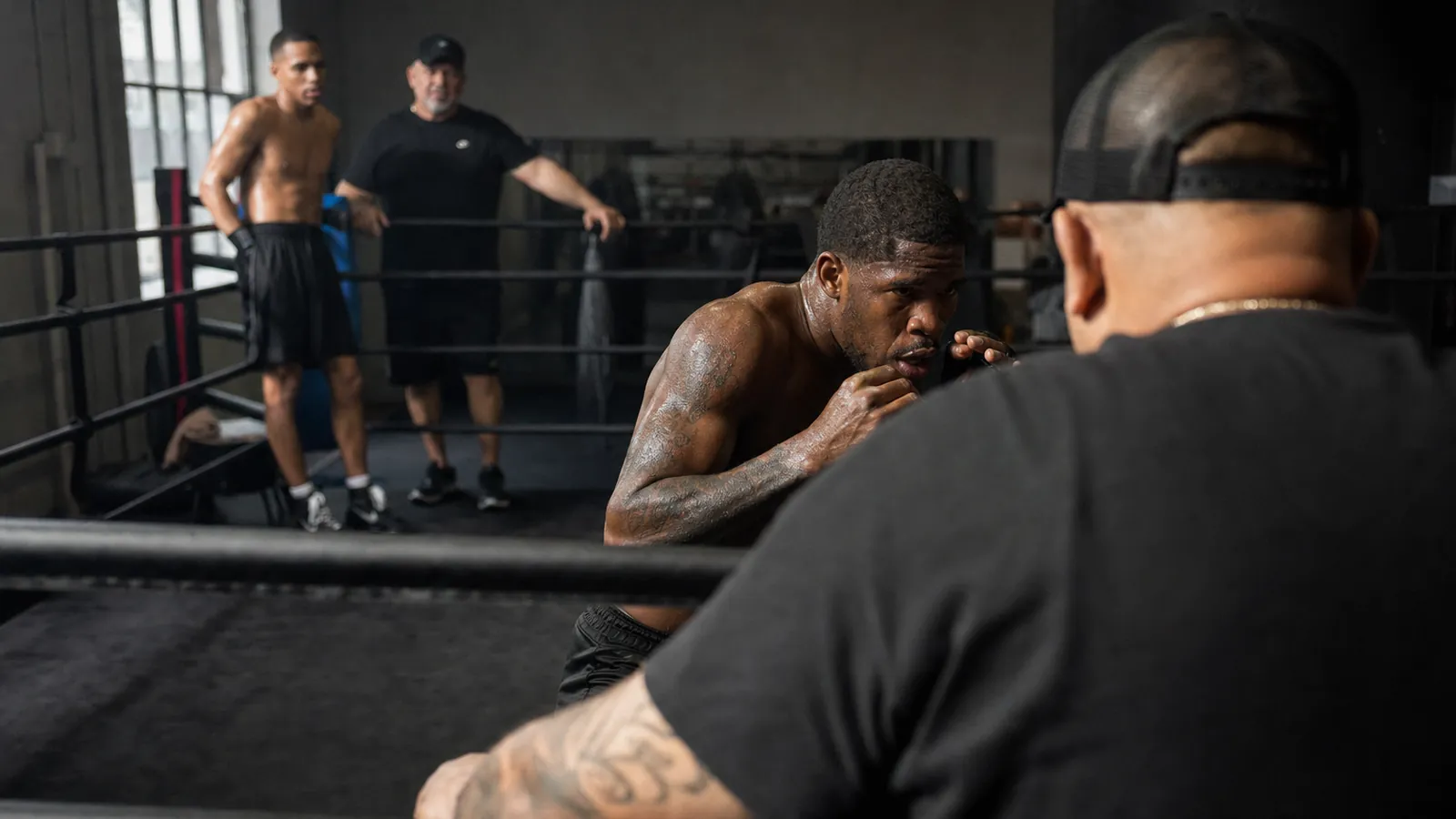
Discipline outside the ring is not a side issue
This is the part young fighters should pay attention to.
When Haney talks about Davis’s issues outside the ring, he is not only throwing mud. He is attacking preparation, professionalism and trust. In boxing, those things are not separate from performance. They are performance.
A fighter’s life outside the gym affects the camp. Camp affects weight. Weight affects recovery. Recovery affects decision-making. Decision-making affects whether a boxer stays calm under pressure or tries to force a moment that is not there.
That is why discipline is not a boring coach word. It is the difference between talent showing up on fight night and talent being dragged down by chaos.
At Honour & Glory in Kidbrooke, we teach this from the start in our boxing classes, whether someone is training for fitness, confidence or competition. The lesson is not “be perfect”. Nobody is perfect. The lesson is that boxing exposes habits. If you are loose with your sleep, loose with your temper, loose with your food, loose with your focus, eventually the ring finds out.
Elite fighters can hide problems longer because they are elite. They have power, experience, teams and money. But the bill still arrives. Sometimes it arrives in the last four rounds. Sometimes it arrives on the scales. Sometimes it arrives when the public no longer trusts the fighter to make the biggest fights cleanly and professionally.
That is why Haney’s line has bite. He is trying to make Davis defend not only his record, but his discipline.
Rivalry talk can sharpen a fighter or trap him
There is a useful distinction here.
Good rivalry talk creates urgency. It forces a fighter to define what he wants. It sells the fight. It makes training feel connected to a bigger moment. It can put edge into a camp.
Bad rivalry talk creates ego decisions.
A boxer who is desperate to win the argument before the first bell can start fighting the wrong fight. He loads up because he promised a knockout. He takes risks because he wants to embarrass the other man. He refuses to hold, reset or box sensibly because the build-up made patience feel like weakness.
That is dangerous for both Davis and Haney.
Davis cannot let Haney’s criticism tempt him into proving a point every second. If he faces Haney, he will need the same patience that makes him dangerous. Haney is not there to be walked down like a heavy bag. He will jab, move, hold his shape and try to make Davis spend rounds looking for the perfect shot.
Haney cannot let Davis’s threats pull him into pride fighting. Haney’s best chance would come from discipline: feet, distance, clinch timing, jab variation, and denying Davis clean counters. If he decides he has to show he is the tougher man in exchanges, he gives Davis the kind of fight Davis wants.
The mouth can write cheques the tactics should not cash.
The business pressure is real too
One reason Davis vs Haney keeps returning is that it makes commercial sense.
DAZN has covered Mayweather Promotions CEO Leonard Ellerbe speaking on a possible Davis-Haney clash, while FIGHT SPORTS has reported Davis wanting the Haney fight. There have also been repeated flashpoints around opponent choice, including Haney questioning Davis’s next fight choice.
That is the rhythm of modern boxing. The fight does not just get built by promoters. It gets built through interviews, reaction clips, old sparring footage, social posts, family comments and fan arguments. One Reddit discussion asked who would win Davis vs Haney, while another version of the same debate looked at the match-up from a slightly different angle. There are older theoretical fight threads too, including this Davis vs Haney discussion, plus later reaction posts on Davis’s comments about Ryan Garcia and Devin Haney and Davis and Haney exchanging words. Even a thread about Timothy Bradley’s thoughts on Devin Haney shows how long Haney has been a magnet for argument.
None of that replaces serious reporting. Forum chatter should not be treated as evidence of what will happen in negotiations. But it does show demand. People keep returning to this fight because the styles and personalities fit.
The lesson for young boxers is simple
The Davis-Haney row is entertaining, but the real lesson is not “talk more”.
It is the opposite.
Talk creates pressure. Discipline decides whether pressure becomes fuel or poison.
If Davis and Haney ever share a ring, the winner will not be the man with the best tweet. It will be the man who controls his emotions when the other one lands, misses, talks, holds, smiles or refuses to be intimidated. It will be the man who can stick to the plan when the public story is screaming for something wilder.
That is boxing at every level. The names are bigger here, the money is bigger, and the insults travel further. But the rule is the same in a world-title fight as it is in a local gym: control yourself before you try to control the opponent.
Davis vs Haney is a brilliant fight if it happens. It has power against discipline, timing against distance, ego against patience, and years of argument behind it.
Until then, the online row is useful for one reason. It reminds us that fights begin long before the bell, and the first opponent is often the pressure a boxer allows into his own head.
H&G Team
Writer at Honour & Glory Boxing Club, a community boxing gym in Kidbrooke, South East London.
KEEP READING
Gervonta Davis and Boxing's Image: Conduct, Trust and Grassroots Impact
Examines how the Gervonta Davis video controversy affects boxing's image, fan trust, sponsor relationships and the grassroots clubs working to build confidence in the sport.

Keyshawn Davis Drops in WBO Rankings: Why It Matters
Explain what a fall from number one to seven can mean in the WBO’s route to a title shot, while separating a rankings update from any assumption about a boxer’s ability or career prospects.

Gervonta Davis Viral Video: Boxer Conduct and Governing Body Responsibility
Examines the fallout from the Gervonta Davis video, the ethical implications for elite boxers, and the responsibility promoters and governing bodies have to protect the sport's image.
Was this page helpful?
It takes one tap, and it genuinely helps.
Choose your next step
Turn this article into the right action
Some readers are ready to book. Some need the class route first. Pick the route that matches what you actually want.