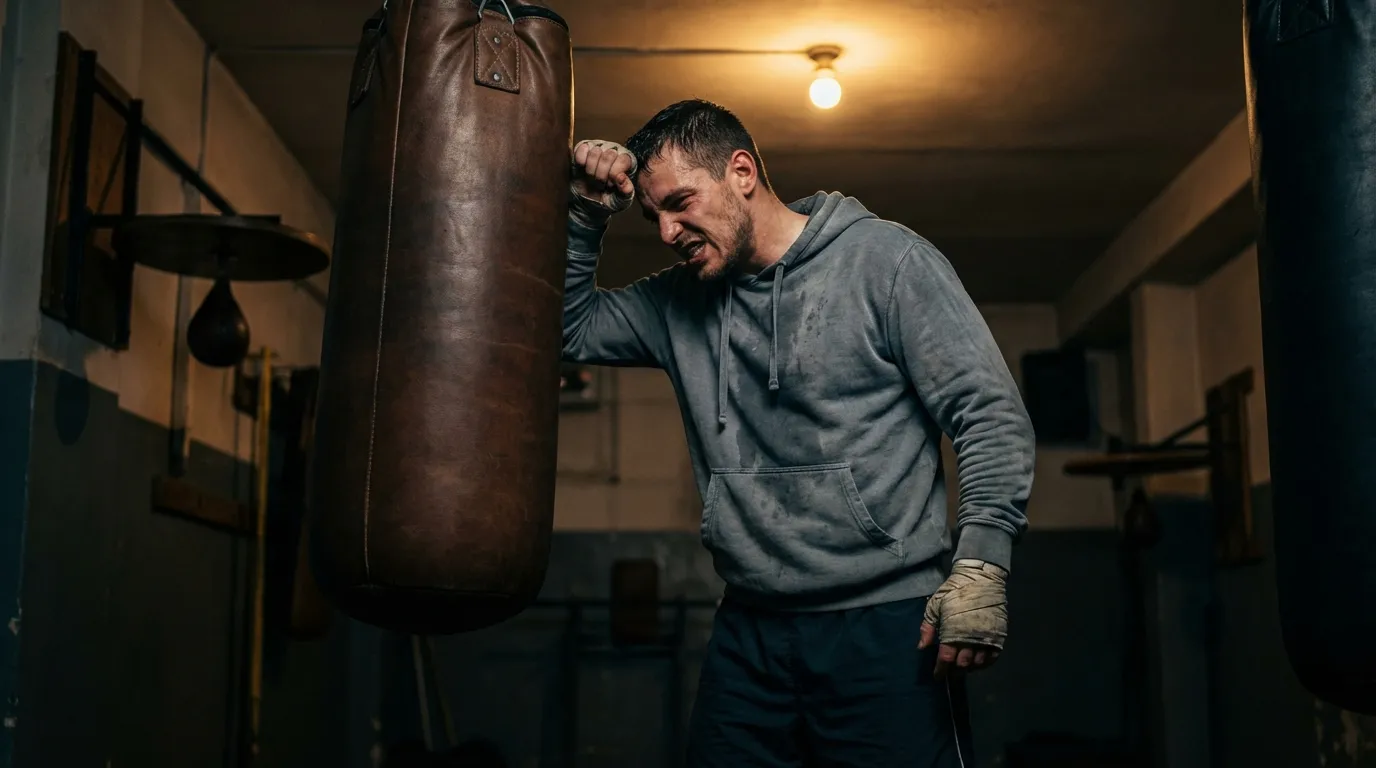
England Boxing's beginner resources document the typical learning curve for new boxers, with most people developing basic competency within 8-12 weeks of regular training. Research on skill acquisition in sport supports the view that boxing technique, while complex, follows normal motor learning trajectories when properly coached.
FightCamp's boxing fundamentals guide notes that most complete beginners can develop basic pad-work competency within 6-8 weeks of twice-weekly training.
"Is boxing hard to learn?"
Short answer: yes. Boxing is one of the most technically demanding sports you can pick up.
Longer answer: yes, but that is exactly why it is worth doing.
Let me give you an honest breakdown of what makes boxing difficult and why those difficulties should not put you off.
What Makes Boxing Hard
Boxing looks simple from the outside. You put up your hands and throw punches. How hard can that be?
Then you try it and realise there is more to it than you ever imagined.
- Everything happens simultaneously. You cannot just focus on your hands. Your feet, hips, shoulders, head, and eyes all need to work together. Every punch involves your whole body.
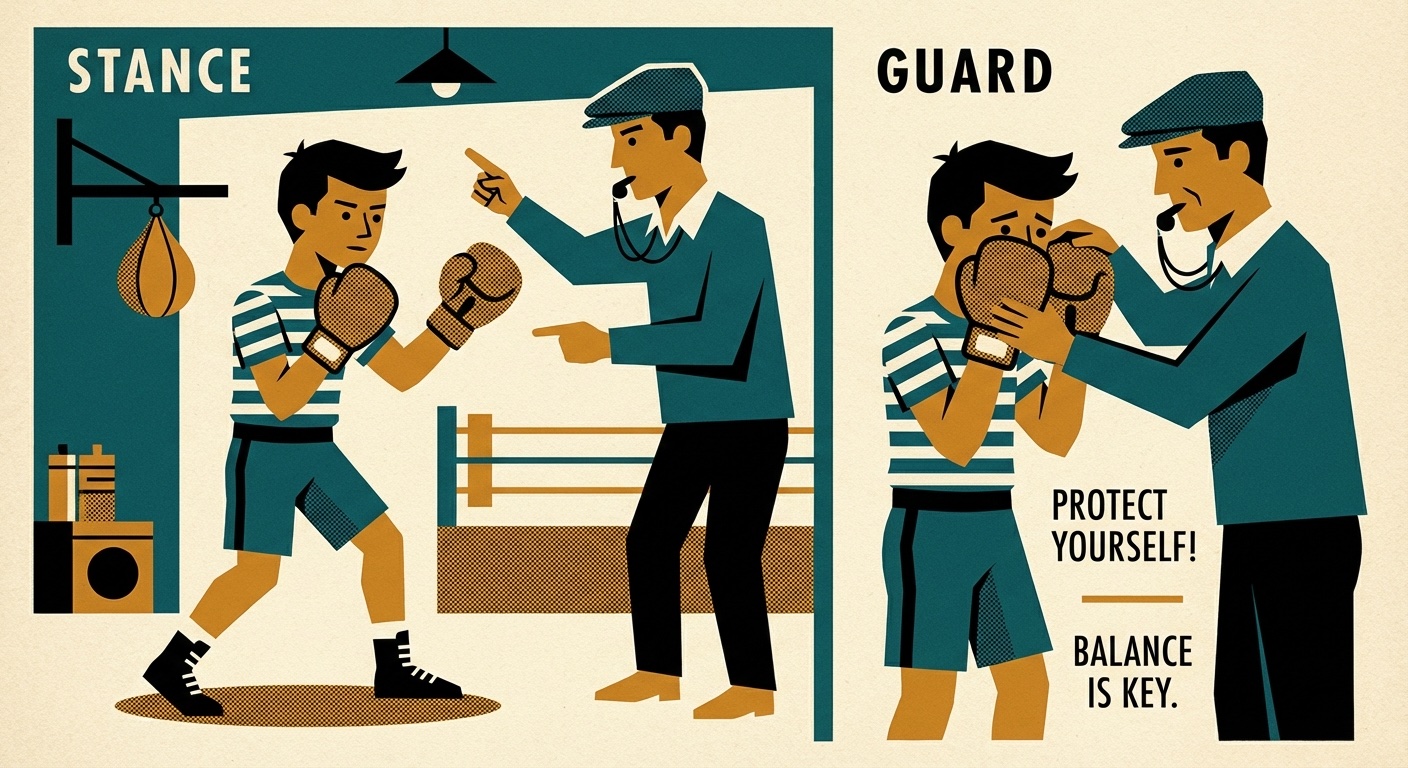
- The stance feels wrong. Standing sideways with your hands up is not natural. Your body wants to square up and drop the guard. Fighting that instinct takes months.
- The timing is unforgiving. A punch takes a fraction of a second. Slipping it requires reacting in milliseconds. The window for successful defence is tiny.
- The cardio demands are brutal. Three minutes of constant punching and movement will exhaust most people. Boxers make it look easy because they have built specific conditioning over years.
- Your brain has to think while your body panics. In sparring, your instincts scream "danger!" while you are trying to remember combinations. Managing that mental chaos is a skill in itself.
Why Some People Struggle More Than Others
Not everyone finds boxing equally difficult. Several factors affect how steep your learning curve will be:
- Previous athletic experience. If you have played sports requiring coordination and footwork, you will adapt faster. Tennis players, footballers, and martial artists often pick up boxing more quickly.
- Natural coordination. Some people are just more coordinated than others. They learn physical skills faster. This is partly genetic and partly developed through childhood activities.
- Age. Younger bodies adapt more quickly. That does not mean adults cannot learn boxing - they absolutely can. It just might take a bit longer to make new movements feel natural.
- Fitness level. Boxing is easier to learn when you are not completely gassed after two minutes. Better baseline fitness means more energy for actually absorbing technique.
- Mindset. People who get frustrated easily struggle more than those who accept the learning curve. Patience matters enormously.
The Hardest Things About Boxing
After years of coaching, certain things consistently challenge beginners:
- Keeping your hands up. This never stops being difficult until it is automatic. Your arms get tired. You drop your guard. You get tagged. You get reminded to keep your hands up. Repeat forever.
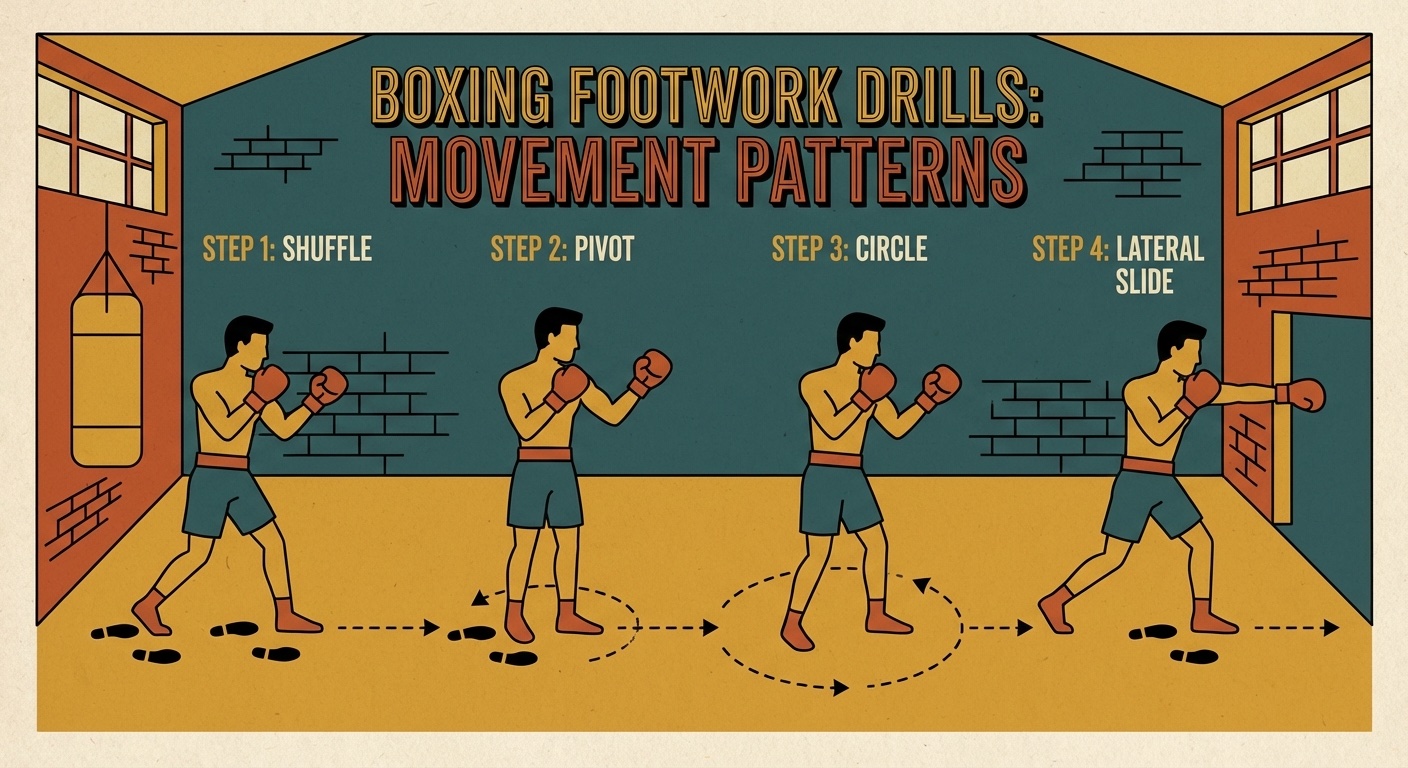
- Moving while punching. Standing still and throwing combinations is one thing. Doing it while circling, angling, and adjusting distance is completely different. This takes months to develop.
- Slipping and rolling. Defensive head movement feels impossible at first. Moving your head off the line while staying balanced and ready to counter requires serious practice.
- Managing distance. Knowing when you are in range to punch, when you are too close, and when you are safely outside - this is boxing intelligence that only develops through experience.
- Controlling nerves when sparring. The first time someone throws punches at your face, your brain goes into panic mode. Learning to stay calm and think clearly takes time and repeated exposure.
What is Easier Than People Expect
Not everything about boxing is difficult. Some parts click faster than expected:
- Basic punches. The jab and cross are straightforward. Within a few sessions, you will throw them reasonably well. Refinement takes longer, but the basics come quickly.
- Fitness improvements. You will notice conditioning gains within weeks. The first session that nearly killed you becomes manageable surprisingly fast.
- The fundamentals. Boxing has been around for centuries. The basics are well established and well taught. Good coaching makes the learning process efficient.
- Feeling confident in the gym. Most people worry about looking stupid. Within a month, the gym feels comfortable. You know the routines, you know your place, and the nerves fade.
Comparing to Other Sports
Is boxing harder than other things you might take up?
- Harder than running. Running is put one foot in front of the other. Boxing requires constant skill development.
- Similar difficulty to tennis or golf. Both require specific technical movements that feel unnatural at first. The learning curves are comparable.
- Easier than gymnastics. Gymnastics requires flexibility and strength that take years to develop. Boxing lets you start training properly from day one.
- Different from team sports. In football or basketball, you can participate while being individually weak. Boxing exposes your abilities directly.
The main difference with boxing is the consequences of mistakes. Miss a tennis shot and the ball goes out. Make a mistake in sparring and you might get hit. That pressure adds psychological difficulty beyond pure technique.
What Nobody Tells Beginners
Some honest truths:
- You will feel uncoordinated for weeks. Your brain and body will fight each other. This is normal and passes.
- You will get hit when sparring. No amount of skill eliminates this completely. Getting hit is part of the sport.
- Plateaus are inevitable. You will have weeks where nothing improves. Then suddenly you will level up. Progress is not linear.
- It never stops being challenging. Professional boxers with decades of experience still work on improving. The ceiling is incredibly high.
- The difficulty is part of the appeal. Easy sports get boring. Boxing stays interesting because there is always more to learn.
Why Difficulty Should not Stop You
Hard things are often the most rewarding things.
The satisfaction of landing a clean combination you have drilled for months is enormous. The confidence that comes from sparring - from facing fear and performing anyway - carries into every area of life.
Easy activities do not change you. Boxing does.
The people who stick with boxing are not the ones who found it easy. They are the ones who found it hard but kept showing up anyway.
Making It Easier
While boxing is inherently challenging, you can make the learning process smoother:
- Find good coaching. A skilled coach accelerates learning dramatically. They spot problems you cannot see and give corrections that make immediate differences.
- Train consistently. Twice a week minimum. Less than that and you are constantly relearning forgotten skills.
- Be patient with yourself. Mastery takes years. Progress takes months. Give yourself permission to be bad at first.
- Focus on one thing at a time. Do not try to fix everything at once. Work on your jab until it is better, then move on.
- Accept feedback. Corrections are not criticism. Coaches who push you are the ones who'll develop you fastest.
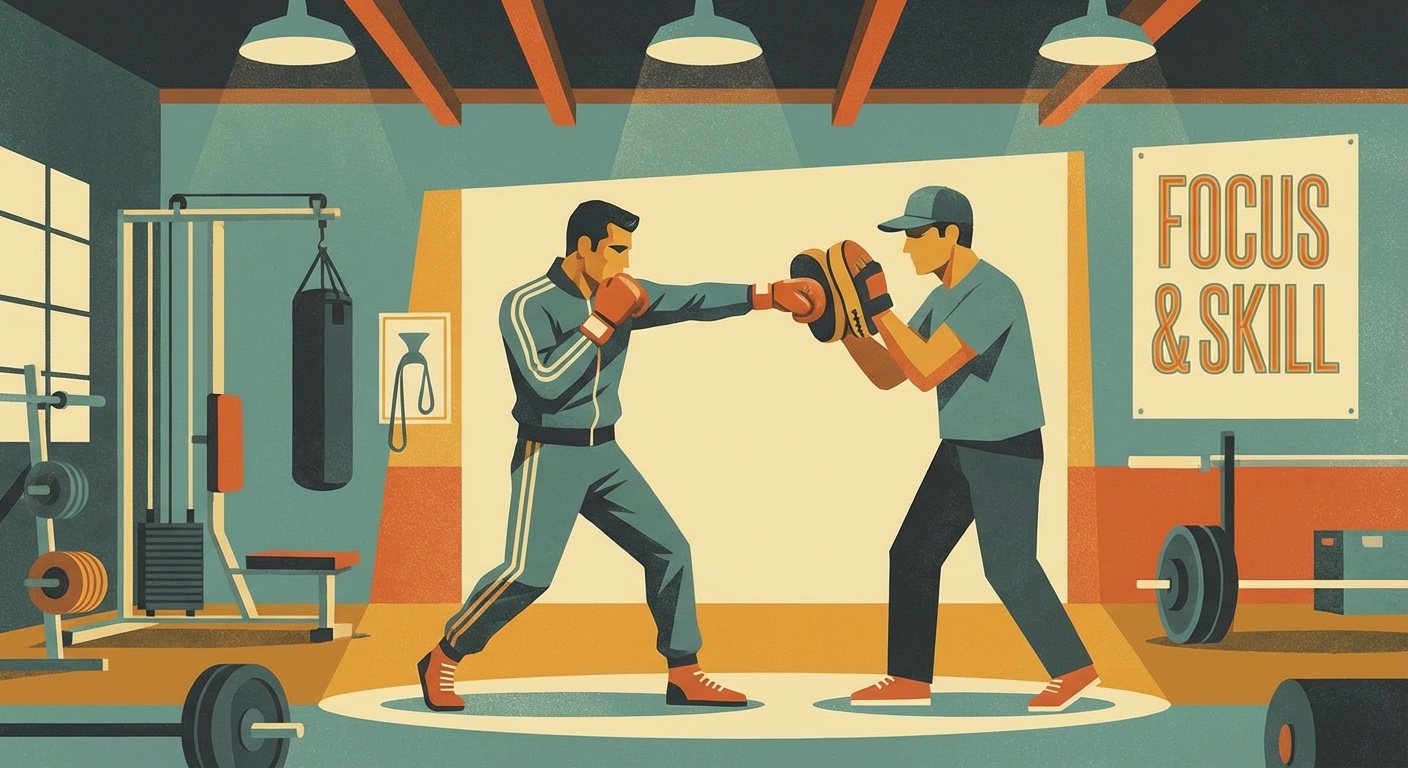
- Spar when you are ready. Do not rush into sparring before you have basics. But do not avoid it forever either. Controlled sparring is essential for development.
Who Should Try Boxing Anyway
Here is the thing: almost everyone who worries about boxing being too hard underestimates their own ability.
People come to our gym convinced they will be terrible. Three months later, they are throwing combinations smoothly and wondering what they were worried about.
The people who struggle are not the uncoordinated ones or the unfit ones. They are the ones who give up after three sessions because they expected instant results.
If you are willing to show up consistently, accept the learning curve, and push through the awkward phase, you will learn boxing. It is that straightforward.
Natural Ability Is Overrated
I have coached hundreds of beginners. Some picked up technique quickly. Some struggled initially.
Want to know who became the better boxers? Often the slow starters.
Why? Because they had to work for every improvement. They developed discipline, patience, and work ethic that the naturally talented sometimes lack.
The person who finds the jab easy might never drill it properly. The person who struggles with it might practice until it is better than the natural's ever was.
Do not use "I am not naturally athletic" as an excuse. It might actually be an advantage.
The Only Way to Find Out
You can read about boxing difficulty forever. It will not tell you whether you specifically will find it manageable.
The only way to know is to try.
Book a session. Show up. See how you find it. Maybe you will surprise yourself.
Most people who try boxing love it despite the difficulty - or because of it. The challenge is part of what makes walking into the gym worthwhile.
Ready to Face the Challenge?
At Honour & Glory, we specialise in taking complete beginners and developing them into confident boxers. Our coaches understand the learning curve and know how to guide people through it.
Is boxing hard? Yes. Is it worth it? Also yes.
H&G Team
Writer at Honour & Glory Boxing Club, a community boxing gym in Kidbrooke, South East London.
KEEP READING
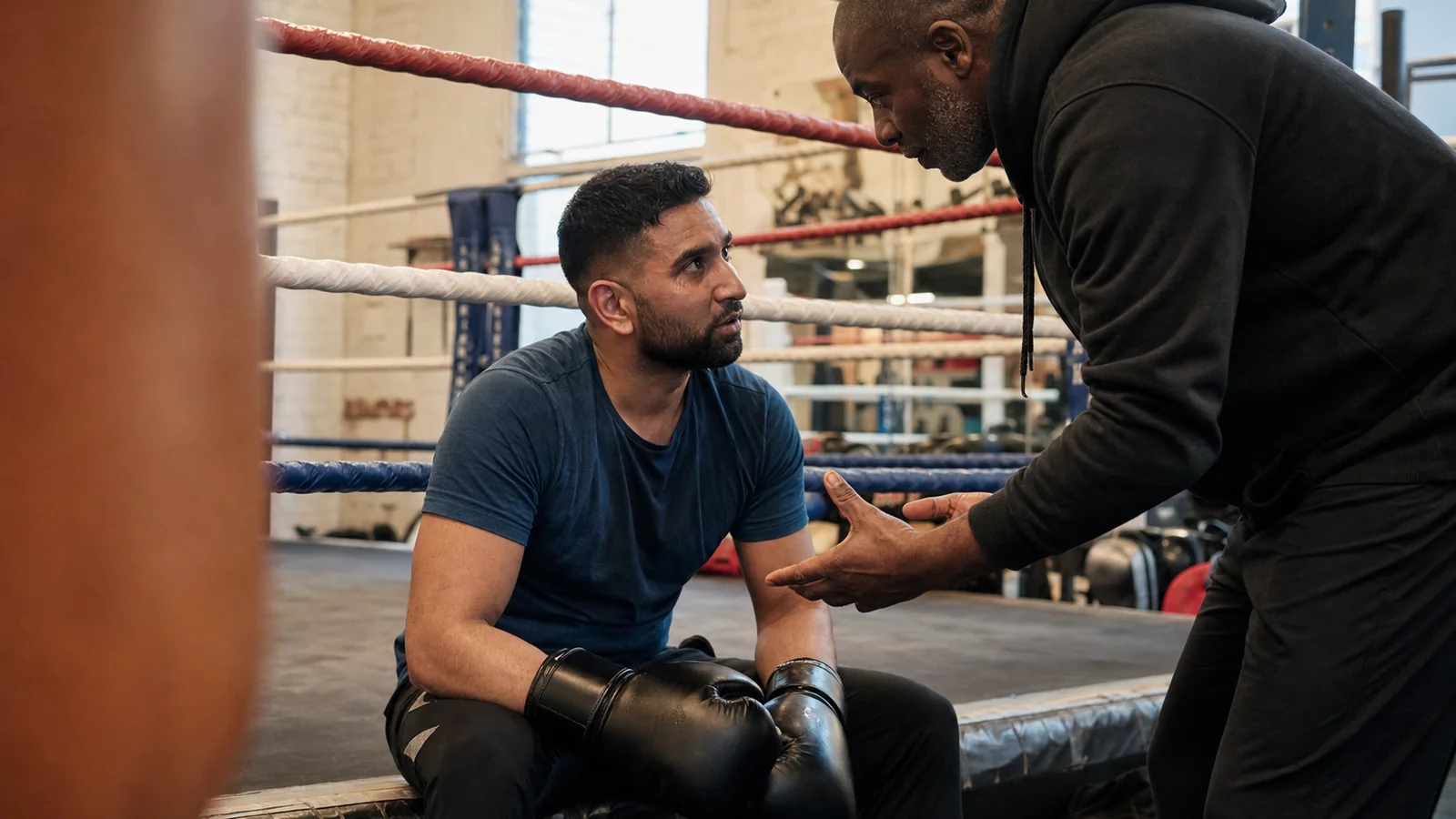
Boxing Lessons Beginners Learn the Hard Way
Most beginners chase power, big combinations and toughness. Better boxing usually comes from calmer breathing, cleaner feet, a sharper jab and fewer thoughts at once.
How Long Does It Take to Get Good at Boxing?
How long to learn boxing? Here is an honest timeline from complete beginner to confident boxer, based on real training experience.
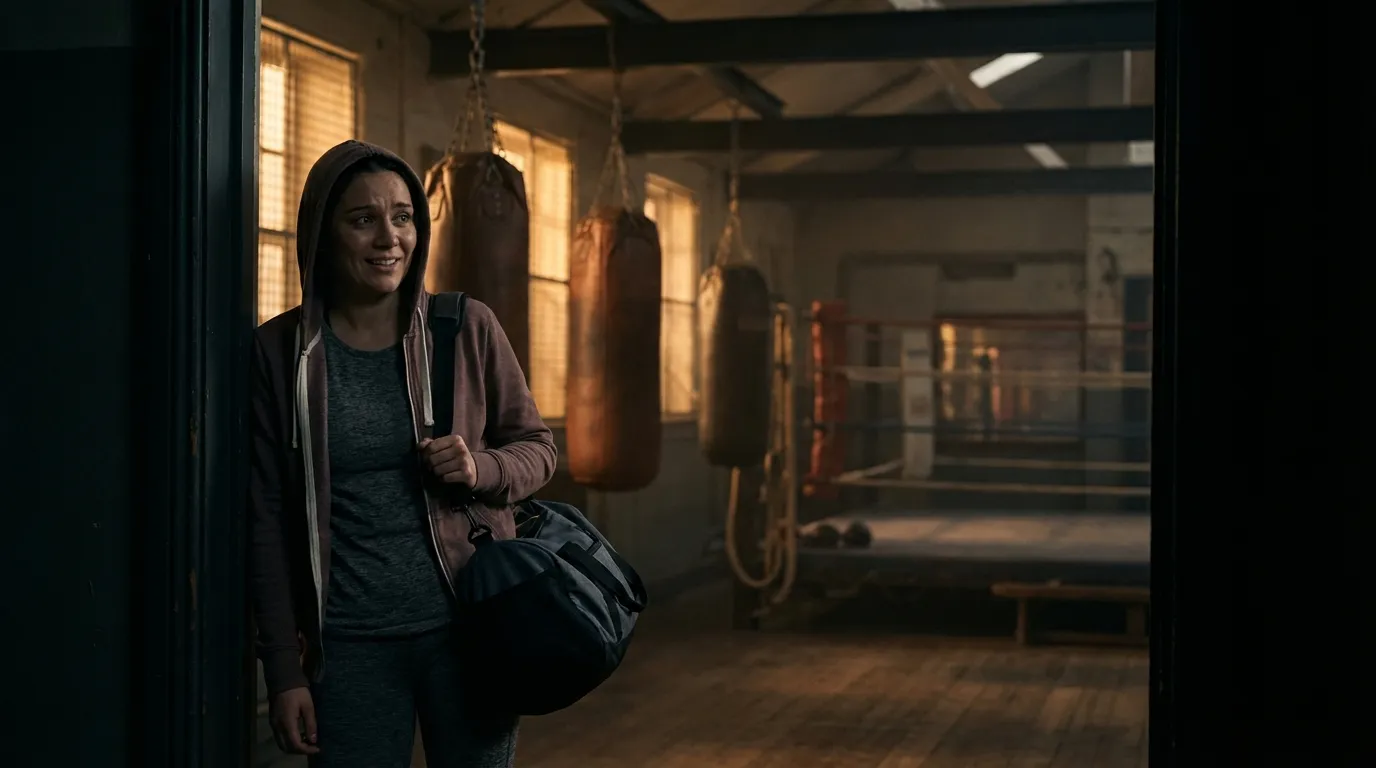
What to Expect at Your First Boxing Class
Nervous about your first boxing class? Here is exactly what happens when you walk through those doors, so you can focus on learning instead of worrying.
Was this page helpful?
It takes one tap, and it genuinely helps.
Choose your next step
Turn this article into the right action
Some readers are ready to book. Some need the class route first. Pick the route that matches what you actually want.