Boxing for Teenagers: The Complete Guide for Young People
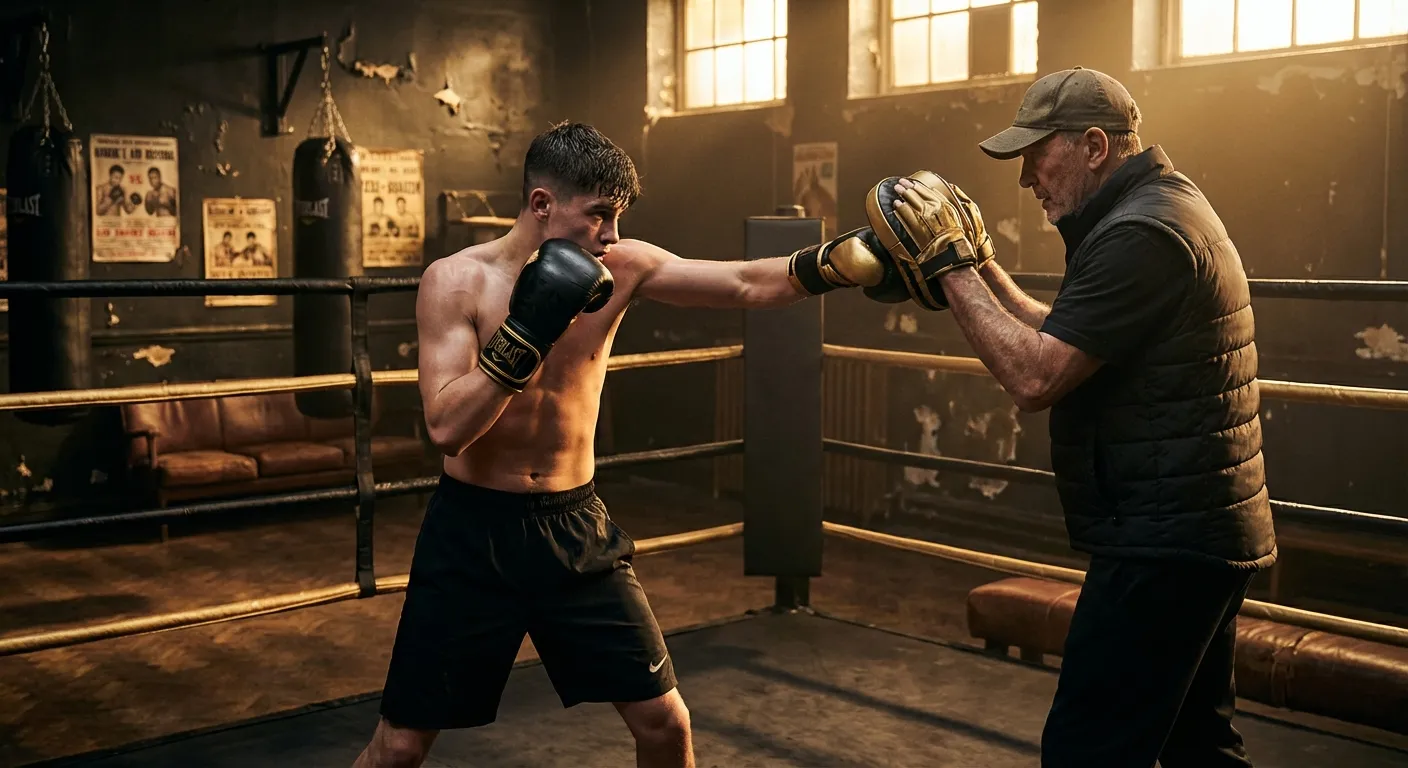
England Boxing's youth development pathway provides the competition structure for teenagers from first bout to national level. Research on sport and adolescent development identifies boxing as particularly effective for developing self-regulation in adolescents.
If you are a teenager who wants to start boxing, this is the information you actually need. Not the version aimed at your parents - the version for you.
Why Boxing Works for Teenagers Specifically
Boxing is not a team sport. Your progress depends entirely on your own effort, your own attendance, your own commitment to learning. If you train consistently, you improve. If you do not, you do not. There is no one else to carry you and nowhere to hide.
For some people, especially those who have felt overlooked or invisible in team sports, this is transformative. Your success is really yours.
The gym has a specific culture: respect, hard work, and a non-judgmental environment for people who are willing to put in effort. Background, school, social status - none of it matters in the gym. How you train matters.
Many teenagers who struggle in structured school environments find boxing simple because the expectations are clear and the feedback is immediate. You either improve or you do not, and the method for improving is clear.
What the First Sessions Are Like
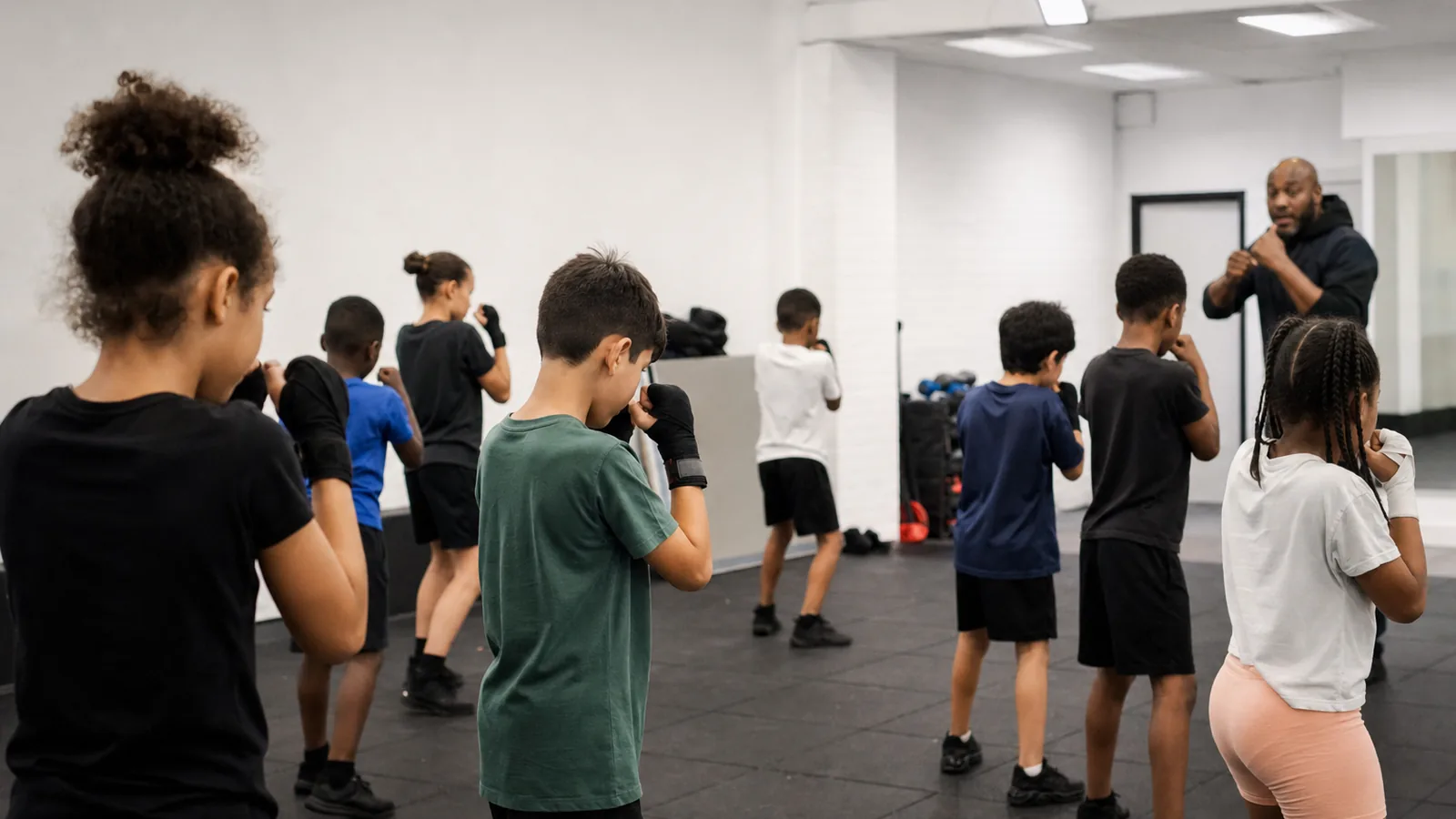
You will not be put in the ring and expected to fight anyone. The first weeks are about the fundamentals: stance, guard position, footwork, the basic punches.
Most of this will feel awkward. Boxing stance feels unnatural at first. Shadow boxing in front of a mirror looks nothing like what you imagined boxing looks like. This is normal.
The first time you hit pads with a coach, it starts to make sense. The combination of learning technique and physically hitting something is what makes boxing click for most people.
The Classes Available for Teenagers
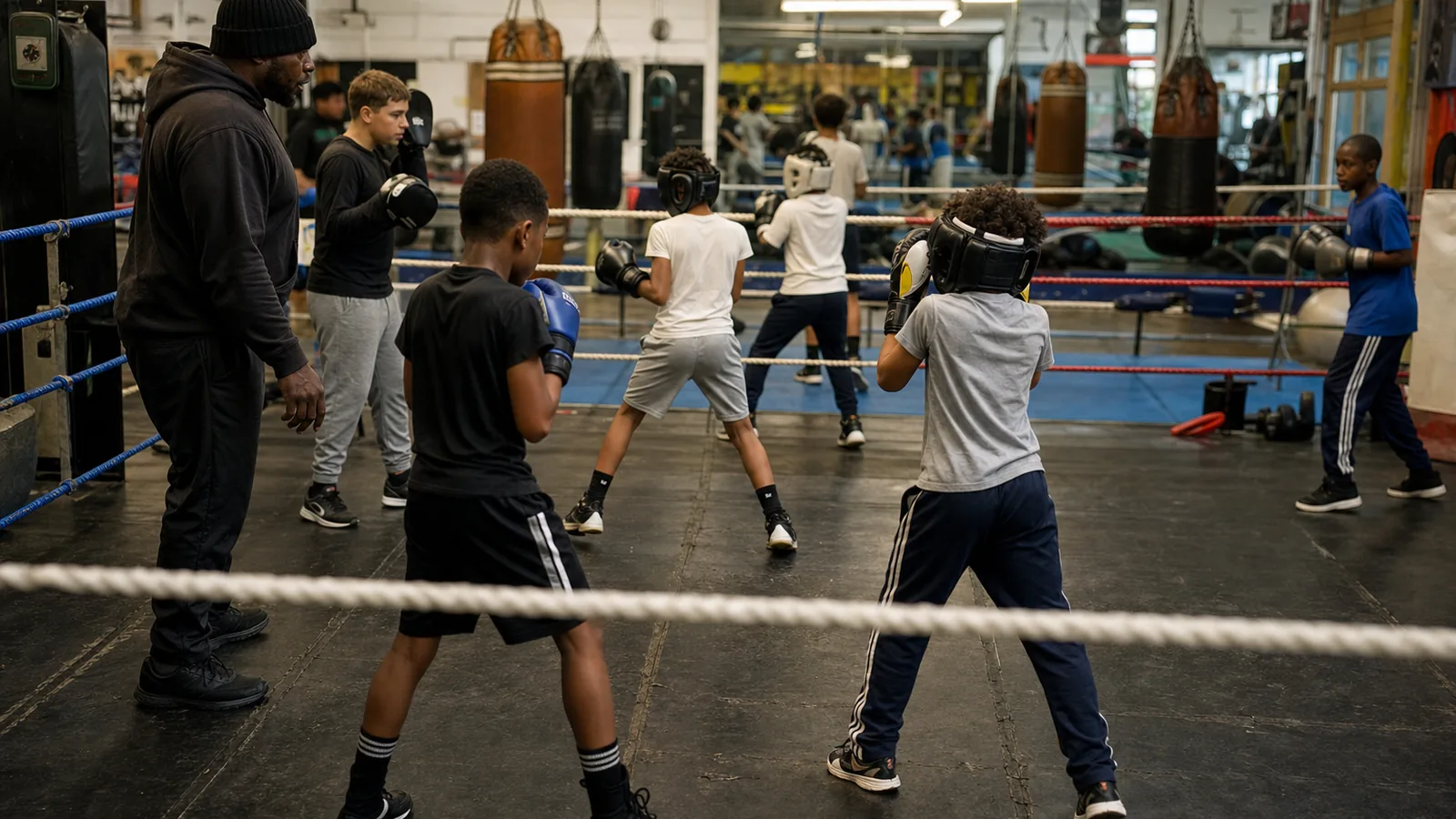
At Honour and Glory, teenagers have two pathways:
Junior Competitive - for ages 10-16 who want to train for competition. Proper technical development with the goal of boxing in ABA bouts.
Junior Recreational - for ages 7-16 who want the training, the fitness, and the skills without competition. Teenagers train within that route with coaching adjusted for age and ability.
Both classes are appropriate for beginners. The choice is about your goal, not your current level.
The Competition Pathway (If You Want It)
Amateur boxing in the UK is governed by the ABA (Amateur Boxing Association). The pathway runs: club training, club shows (less formal competitions), open competitions, regional competitions, national competitions.
You do not need to compete. Most junior boxers train recreationally and never compete. But if you want to compete, the pathway is structured and supported.
You will need a medical from a GP and an ABA licence before competing. Your coach handles the administrative process.
What Your Parents Need to Know
The question your parents will ask: is it safe?
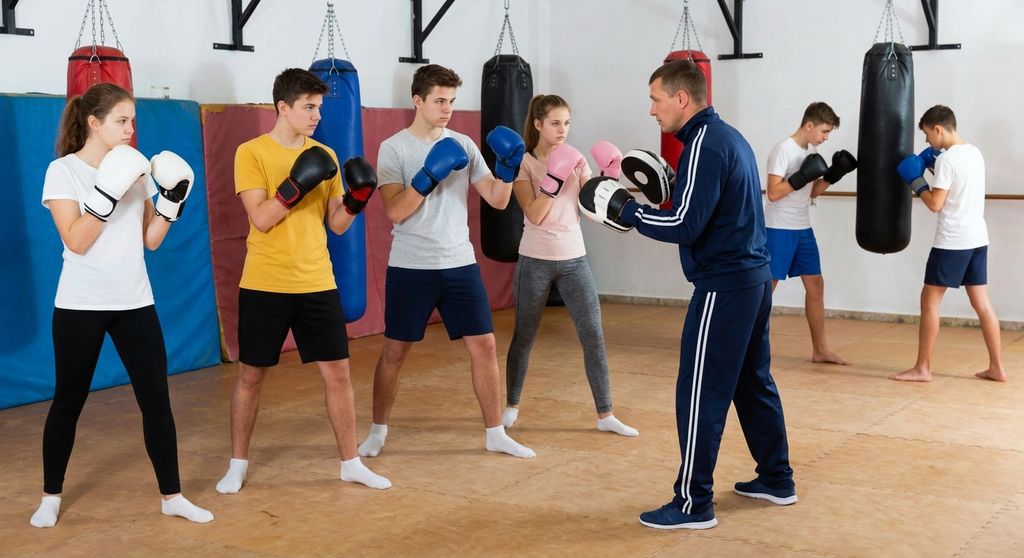
Non-contact work - bag work, pad work, shadow boxing - carries the same injury risk as other sports. Controlled sparring, when it is introduced, is supervised by a coach and kept technical.
At Honour and Glory, junior members begin sparring only when the coach judges them ready and only in controlled, supervised conditions.
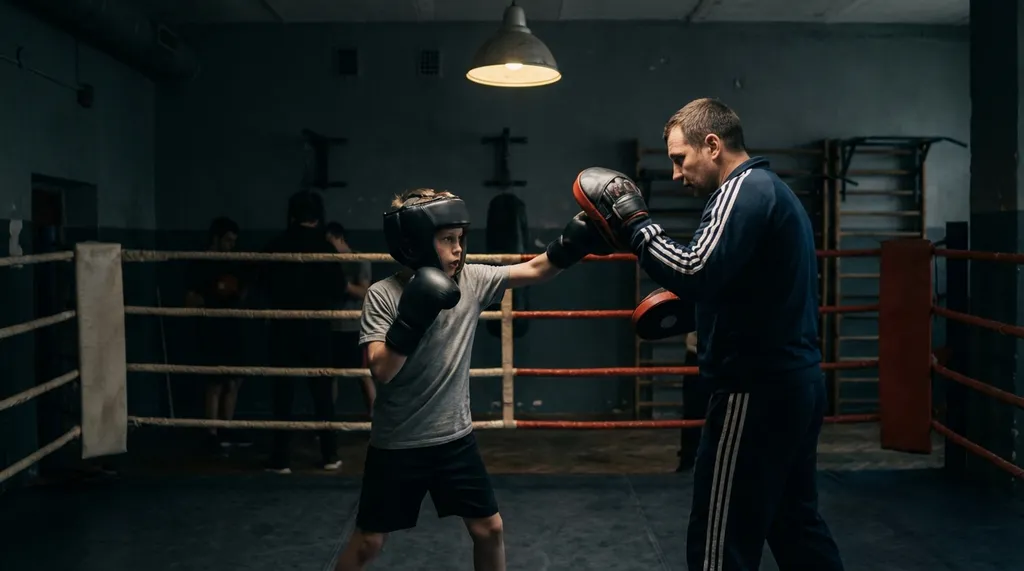
The sport has safety standards, licencing requirements for coaches, and ABA medical requirements. It is not unsupervised contact.
H&G Team
Writer at Honour & Glory Boxing Club, a community boxing gym in Kidbrooke, South East London.
KEEP READING
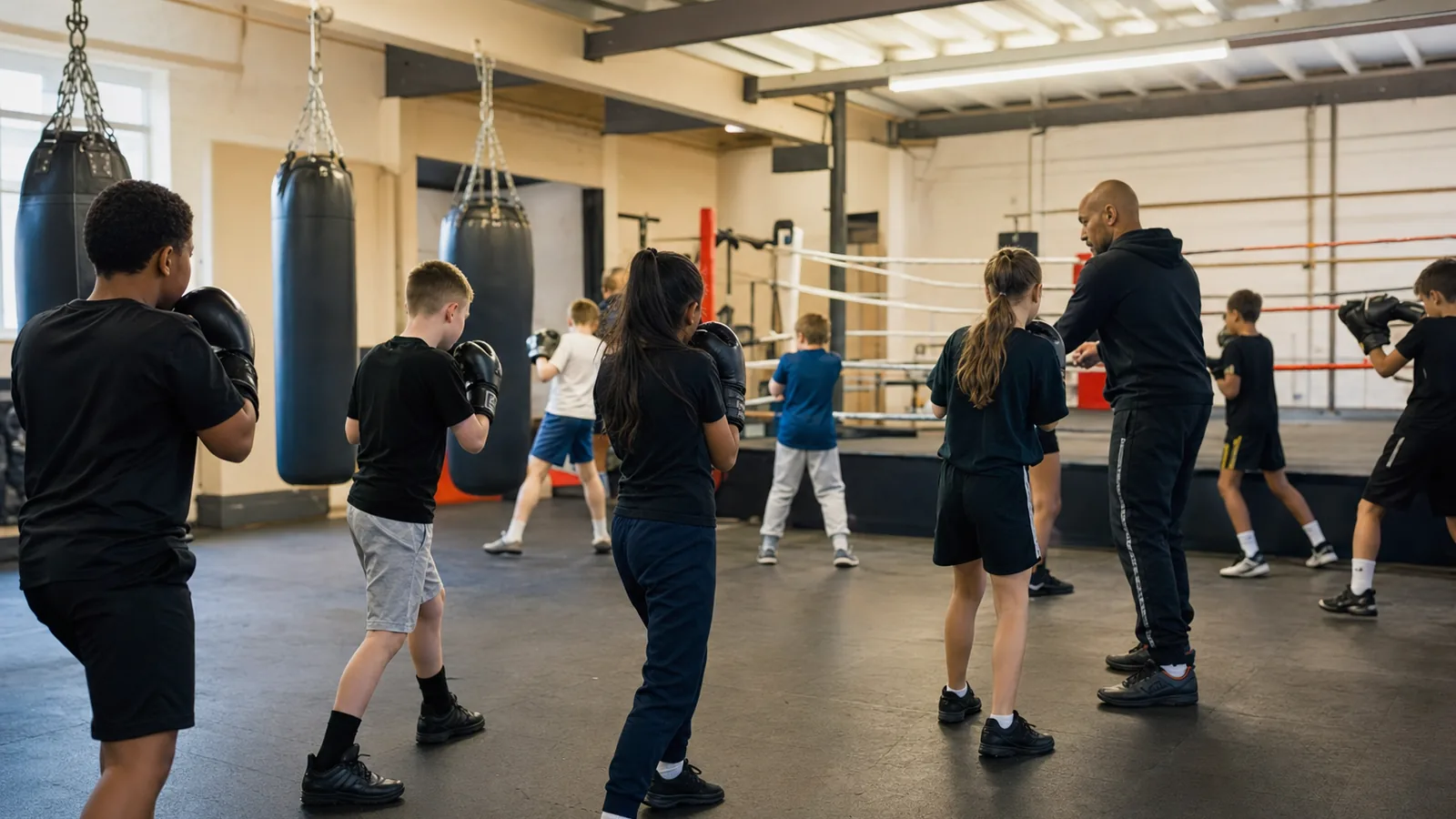
Boxing for Teenagers Near Eltham
Boxing for teenagers near Eltham. What serious youth boxing looks like, why it works for adolescents specifically, and how to start.
Boxing for Teenagers Near Charlton
Boxing for teenagers near Charlton, with the current Junior Recreational first step, competitive pathway guidance and parent checks.
Boxing for Teenagers Near Lee
Boxing for teenagers near Lee, including the first junior route, competitive pathway questions and how parents can choose the right next step.
Was this page helpful?
It takes one tap, and it genuinely helps.
Choose your next step
Turn this article into the right action
Some readers are ready to book. Some need the class route first. Pick the route that matches what you actually want.