BBBofC LICENSED
Professional standards applied to every session
The British Boxing Board of Control has governed professional boxing in the United Kingdom since 1929. It took over from the loosely regulated National Sporting Club to bring consistent standards and mandatory medical oversight to the sport. Nearly a century later, it remains the sole licensing authority for professional boxing in the UK.
What a BBBofC licence actually requires
Getting a BBBofC trainer licence is not a paperwork exercise. The Board licenses everyone involved in professional boxing - coaches, trainers, managers, promoters, and matchmakers. Each category has its own assessment and renewal requirements. For trainers, that means demonstrating the technical ability to prepare athletes for the highest level of the sport, combined with the medical knowledge to recognise when a fighter should not be in the ring.
The medical requirements for professional fighters the Board oversees are detailed in their Rules and Regulations: full physical examination before every contest, post-fight examination after every bout, baseline brain scan (MRI or CT), blood tests for HIV, Hepatitis B, and Hepatitis C, and regular cardiac assessments. A licensed doctor must be ringside at every promotion. If the doctor needs to leave, boxing stops until they return or a replacement arrives.
These are the standards our coaches work to. Not because we are running professional shows out of our South London gym, but because these are the standards Anton Pattenden was assessed against when he obtained his trainer licence, and they inform how he runs every session.
Our coaches
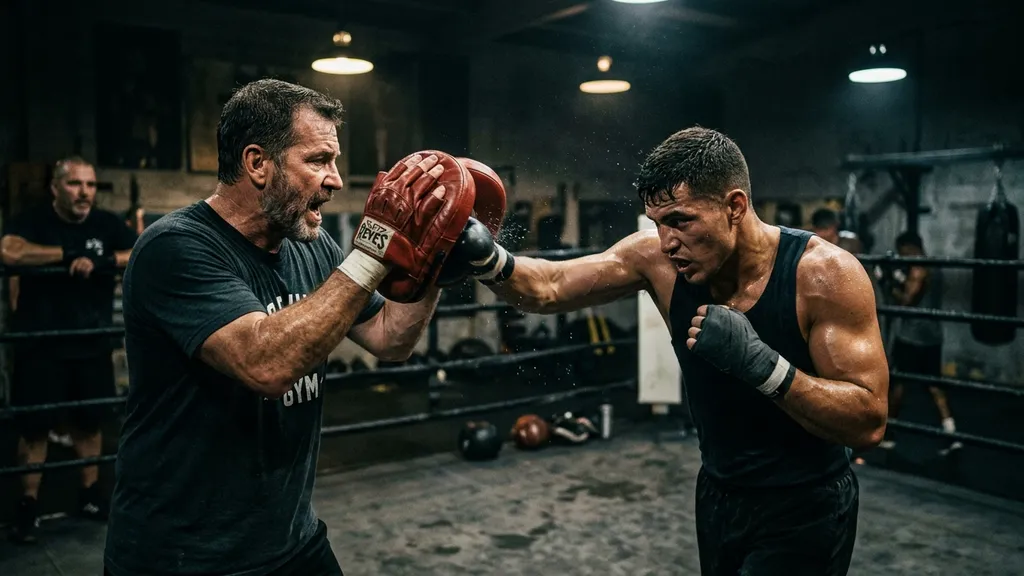
Anton Pattenden is the head coach at Honour and Glory and holds a current BBBofC trainer licence. He corners professional fighters, including cruiserweight prospect Ibz Mercan. That is not background detail - it is the reason the gym exists at the level it does. Most community clubs have coaches who understand the amateur game. Very few have coaches who are actively involved in professional boxing at the same time.
That continuity matters for members who want to progress. If you start as a recreational adult, train through to amateur competition, and eventually want to explore the professional route, the same coaching team is with you throughout. You do not have to move gyms when your ambitions change.
What this means if you are not a professional boxer
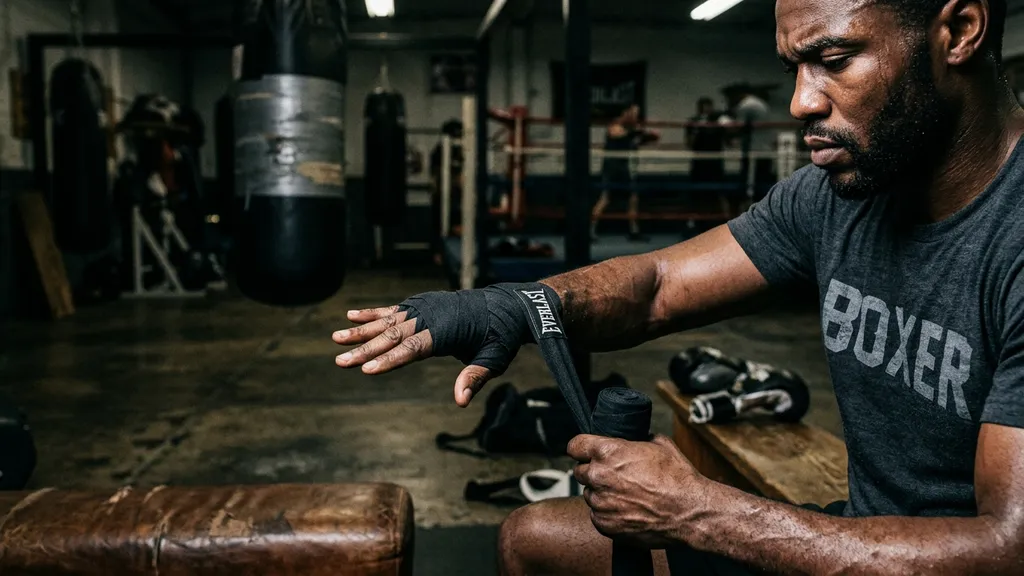
The vast majority of people who train at Honour and Glory have no interest in turning professional. That is fine - the BBBofC licence affects them too. The safety culture it demands, the coaching standards it requires, and the medical awareness it instils apply to recreational classes and junior sessions as much as they do to professional fight camps.
When a parent brings a child to a junior session at Honour and Glory, the coach in front of them holds a licence from the same body that governs Anthony Joshua and Joe Joyce. That is what the BBBofC badge on the wall means in practice. Book a free trial and see for yourself.
Affiliated with