Boxing vs Cycling
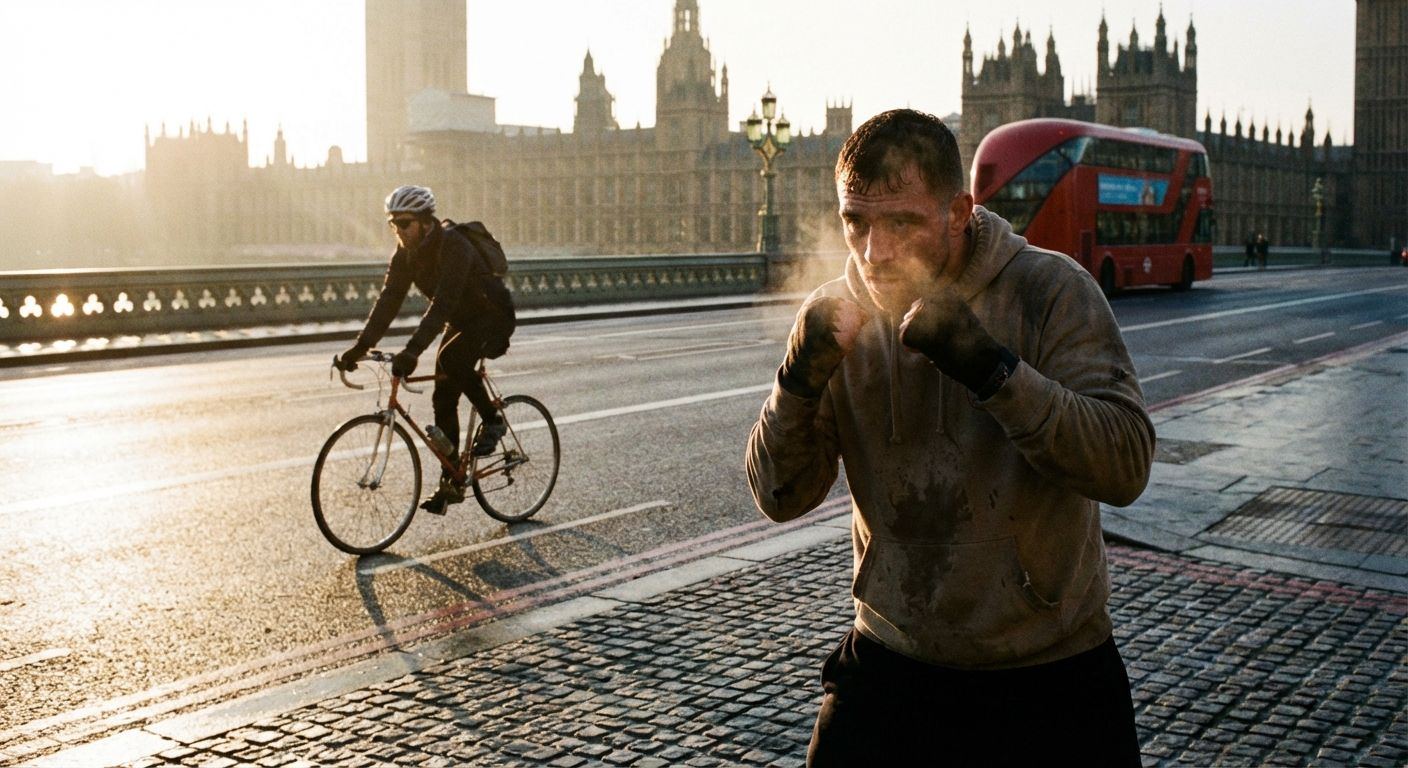
Both are excellent cardiovascular workouts with passionate communities. But boxing is a full-body skill that teaches you to fight. Cycling is a lower-body endurance activity that also gets you to work. The comparison involves trade-offs that matter more than most people realise.
The Core Difference
Boxing
Full-body, skill-based, coach-driven. Sessions involve technique, pad work, bag work, and conditioning.
- • Works every major muscle group
- • Builds explosive power and fast-twitch fibre
- • Technical depth that takes years to master
- • Indoor, controlled environment
- • Social, group-based training
Cycling
Lower-body endurance, self-paced, often solo. Can double as transport.
- • Primarily legs: quads, hamstrings, calves, glutes
- • Excellent cardiovascular base-building
- • Low impact on joints (when not on roads)
- • Doubles as commute/transport
- • Strong club and sportive culture
The fundamental split is this: boxing develops your whole body and teaches a practical skill. Cycling develops your legs and cardiovascular system brilliantly but leaves your upper body largely untouched. Long-distance cyclists are famous for having strong legs and underdeveloped upper bodies. Boxers tend to be proportionally built across every muscle group.
As one Gloveworx coaching article noted, cycling is actually an excellent cross-training tool for boxers because it builds cardiovascular endurance without the joint impact of running. The two work well together, but they are not substitutes for each other.
Calorie Burn: The Numbers
Calories per hour (70 kg / 11 stone person)
Sources: Coach Magazine (Forza study), DirectMag 2026 calorie comparison
At moderate intensity, boxing burns significantly more calories. At vigorous pace, cycling approaches similar numbers but only if sustained. The key difference is consistency of effort: a coach-led boxing session maintains high intensity throughout, while solo cycling intensity varies with terrain, traffic, red lights, and motivation. A 2026 DirectMag comparison found boxing and kickboxing burn 600-700 calories per hour, consistently outperforming moderate cycling.
Safety: The Uncomfortable Truth
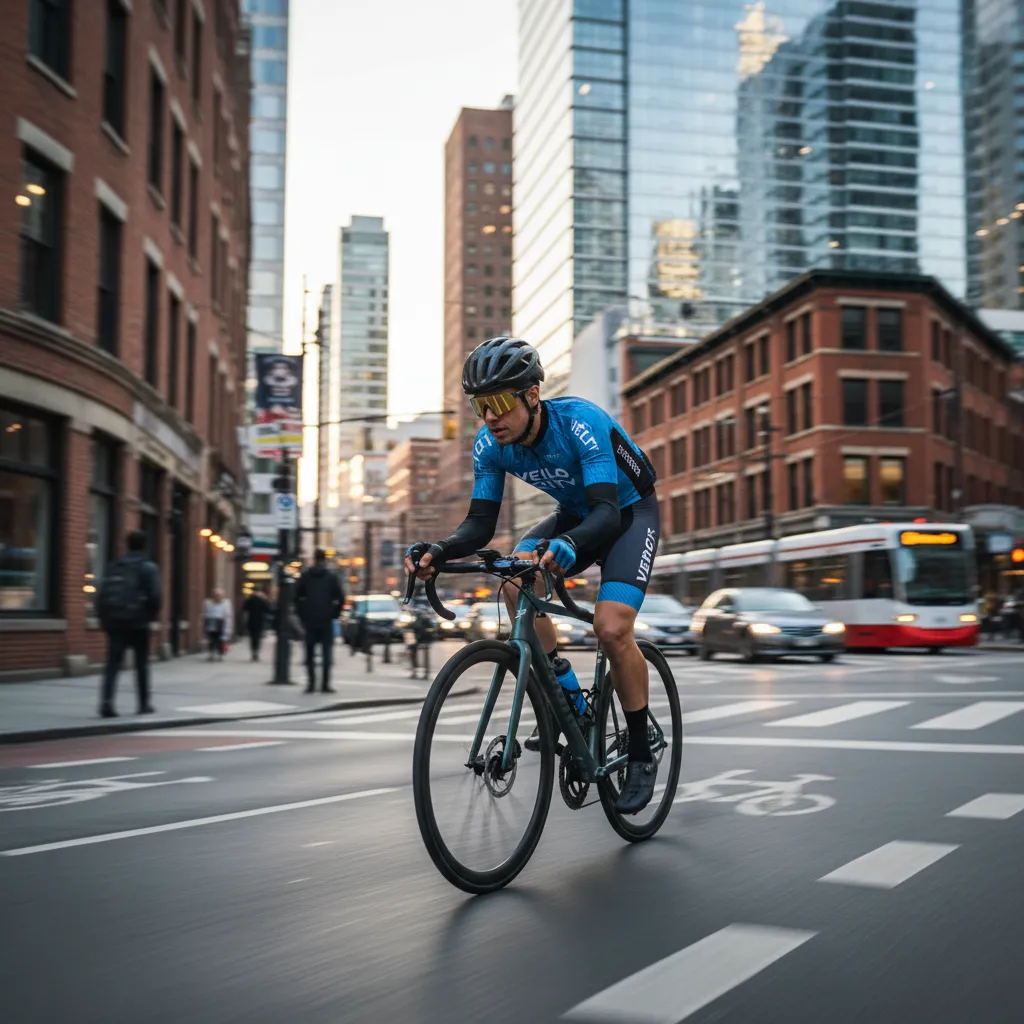
This deserves a serious section. The biggest risk in cycling is not the exercise itself. It is the road. In London, cycling injuries from road traffic collisions are a real and ongoing concern. Transport for London data consistently shows hundreds of serious cycling injuries per year on the capital's roads. Potholes, car doors, distracted drivers, and HGVs are genuine hazards that no amount of fitness can protect against.
Recreational boxing (without sparring) is, by comparison, very safe. You are in a controlled indoor environment with a coach supervising. The most common injuries are minor wrist and hand strains, preventable with proper hand wrapping and technique. At Honour and Glory, sparring is always optional, and beginners spend weeks on fundamentals before progressing.
Indoor cycling (turbo trainers, Zwift) eliminates the road risk entirely but removes the transport benefit that makes outdoor cycling so practical. It also reduces cycling to a purely stationary activity, which is where the comparison with boxing becomes more straightforward and less flattering for cycling.
Muscle Development
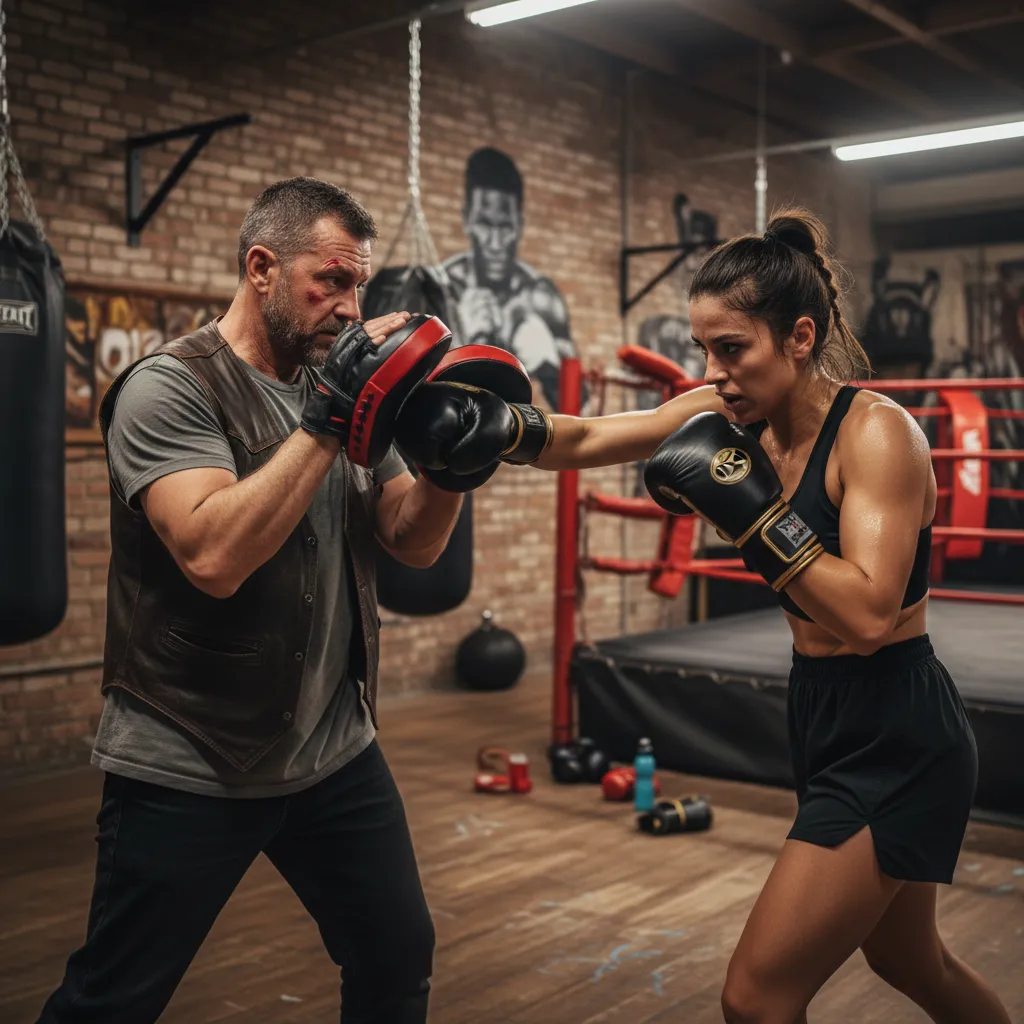
Boxing builds lean muscle across your entire body: shoulders, arms, chest, core, and legs. The explosive rotational movements develop functional, athletic muscle that looks good and performs well in everyday life. Boxers tend to have proportionally balanced physiques with visible definition.
Cycling builds excellent quad, hamstring, calf, and glute development but very little upper body muscle. This is not a subtle difference. Competitive cyclists often have notably underdeveloped upper bodies relative to their legs. If cycling is your only exercise, you need to supplement with upper-body resistance training to avoid a significant muscular imbalance.
The transport advantage of cycling is genuine and unique. No other workout gets you from A to B. If you cycle to work, you are exercising while doing something you would need to do anyway. That time efficiency is hard to argue with. But it does not change the fact that cycling alone leaves your upper body untrained.
Cost in London
London prices as of 2026. Boxing equipment: wraps £5, gloves £25-£50.
Cycling has a high entry cost but low ongoing cost if you already own a bike. A decent road bike starts at £500, plus helmet, clothing, and accessories. Maintenance adds £100-£300 per year (more if you commute daily through London). If cycling replaces public transport, it pays for itself within a year or two.
Boxing has an almost negligible entry cost. Wraps cost £5. Beginner gloves cost £25-£50. Sessions at community clubs run £5-£10 with no contracts or joining fees. If you are comparing the cost of fitness alone (not transport), boxing is usually cheaper.

Who Each One Suits
Boxing suits you if: you want full-body development and a real skill. If you enjoy high-energy group training with a coach pushing you. If you want visible muscle tone across your whole body, not just your legs. If you prefer a controlled indoor environment with zero road risk. If budget matters and you want the best value per session.
Cycling suits you if: you can combine it with commuting and want the time efficiency of exercising during travel. If you enjoy outdoor activity, long rides, and the social culture of cycling clubs and sportives. If you specifically want lower-body endurance development. If you prefer self-paced, solo exercise with the freedom to go whenever you want.
The Crossover: Cycle to the Boxing Gym
This is not a joke. Cycling to the boxing gym is one of the most efficient fitness combinations available. You get the transport benefit of cycling, the cardiovascular warm-up, and then a full-body, skill-based session that addresses everything cycling misses. On the way home, you cool down.
For boxers, cycling is excellent cross-training. It builds the aerobic base without the joint impact of running, which is particularly useful for older boxers or those training frequently. Professional boxers often include cycling in their training programmes for exactly this reason.
If you currently cycle and nothing else, adding two or three boxing sessions per week would address the upper body deficit, build core rotational strength, teach you a genuine skill, and provide the social training element that solo cycling lacks. The combination creates a well-rounded athlete in a way that cycling alone simply cannot.
Was this page helpful?
It takes one tap, and it genuinely helps.
Which Should You Choose?
Choose boxing if:
- • You want full-body muscle development
- • Learning a practical skill appeals to you
- • You prefer coached, high-intensity group sessions
- • You want the safest training environment
- • Budget matters (£5-£10/session)
- • You want explosive power, not just endurance
Choose cycling if:
- • You can combine exercise with commuting
- • You enjoy outdoor activity and long rides
- • Lower-body endurance is your main goal
- • You prefer self-paced, solo exercise
- • You already own a bike
- • The sportive and club culture appeals to you
Our honest take: As a pure fitness activity, boxing wins. More muscles worked, more calories burned, more skill developed, safer environment, lower cost. Cycling's unique advantage is transport. If you can cycle to work and box in the evenings, you have one of the best fitness programmes possible.
If you are choosing one activity for overall fitness and you do not need your exercise to double as transport, boxing is the better choice. Come try it at Honour and Glory and see for yourself. Want to see for yourself? Book a free session and find out.
See also: Boxing vs Walking | Boxing vs Spinning | Boxing vs Running | How Many Calories Does Boxing Burn? | Boxing vs Golf Fitness | Boxing vs Basketball Training
The best way to decide? Come and try it.
Your first session is free. No contract, no commitment.
Book Your Free Boxing Session
Your first session is free. No contract, no joining fee, no catches.
📍 122 Broad Walk, SE3 8ND · Pay as you go from £5