Boxing for Confidence
Confidence is not something you are born with. It is built through experience, specifically through doing difficult things and succeeding. Boxing provides exactly that: a controlled environment where you test yourself physically and mentally, and discover you are more capable than you thought.

Physical Competence Builds Real Confidence
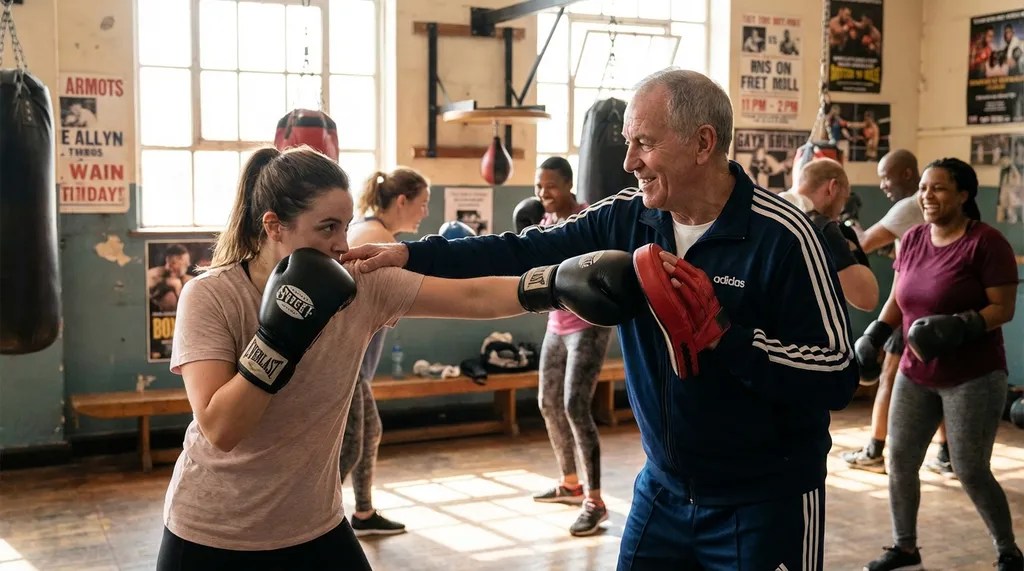
The psychology is straightforward. When you learn to throw a proper jab, when you can hold pads for someone else, when your footwork stops being clumsy and starts being fluid, something shifts internally. You have evidence that you can learn difficult physical skills. That evidence compounds.
Research on self-efficacy, a concept developed by psychologist Albert Bandura, consistently shows that mastery experiences are the strongest source of confidence. A FightCamp analysis of boxing's mental health benefits found that regular boxing training improved participants' sense of personal capability and emotional regulation.
This is different from the confidence that comes from, say, lifting a heavier weight at the gym. Boxing involves coordinating your entire body under pressure while thinking tactically. It engages your brain and body simultaneously, creating a richer sense of mastery than isolated exercises can provide.
Stress Testing Yourself
Boxing puts you under controlled stress. Your heart is pounding, your muscles are burning, and if you are doing pad work or sparring, someone is actively testing your reactions. This is not the same as running on a treadmill. It is cognitive and physical stress combined, in a safe environment with clear rules.
The Boxing Insider research on confidence-building documented how at-risk youth and adults both showed measurable improvements in self-confidence after sustained boxing training. The mechanism is exposure: you learn that you can handle pressure, discomfort, and even failure (missing punches, getting tired) without falling apart.
This transfers directly to daily life. The meeting that used to make you nervous? You have been in a boxing ring with someone trying to hit you. A difficult conversation at work? You have already practised staying calm when adrenaline is flowing. Boxing recalibrates your baseline for what counts as stressful.

The Community Factor
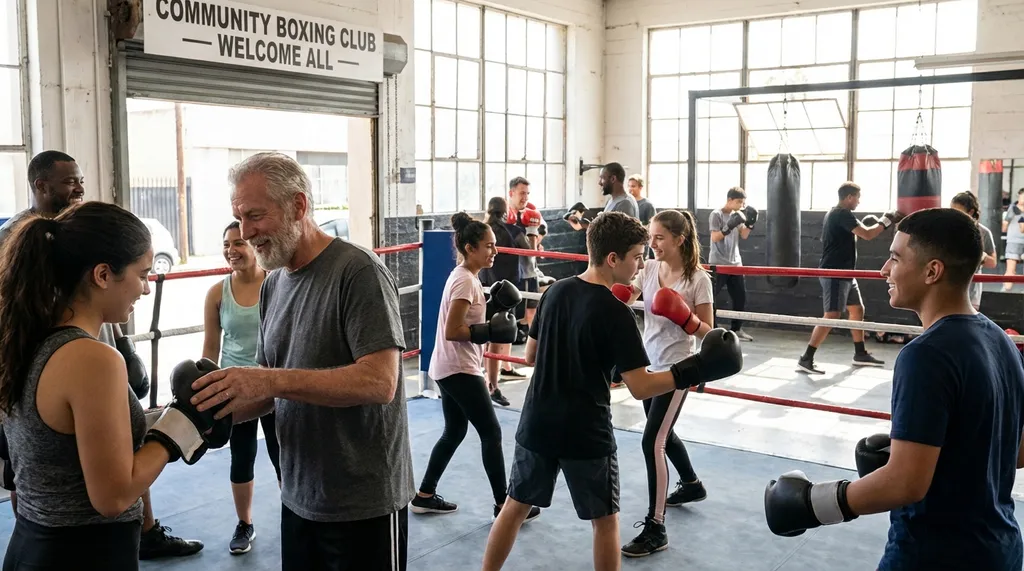
Confidence does not develop in isolation. Boxing clubs provide something that most fitness environments do not: a genuine community that celebrates effort over appearance. Nobody cares what you look like or how much money you earn. What matters is whether you show up and work hard.
At Honour and Glory in Greenwich, we see this every week. Someone walks in nervous and self-conscious. Within a few sessions, they are greeting other members, helping newer beginners, and carrying themselves differently. The boxing gym strips away social pretence in a way that chain gyms never manage.
There is also accountability. Regular training partners notice when you improve. Coaches provide direct, honest feedback. This social reinforcement matters. Research in sport psychology consistently shows that supportive group environments accelerate confidence development compared to training alone.
Who Benefits Most
People with anxiety: Boxing provides a structured outlet for nervous energy. The physical exertion can help people feel calmer after training while the skill development builds a sense of agency. A Sting Sports analysis of boxing and mental health found that regular training significantly improved focus and reduced anxiety symptoms.
Young people: Boxing teaches discipline, respect, and physical resilience at an age when confidence is fragile. Our juniors programme at Honour and Glory sees teenagers transform from shy and uncertain to composed and self-assured over the course of months.
People returning to fitness: If you have been inactive and feel out of shape, walking into any gym can be intimidating. Boxing clubs tend to be less judgmental than commercial gyms. The focus is on learning, not on how you look in the mirror.
Women: Boxing gives women real capability by teaching physical capability that most have never been encouraged to develop. Knowing you can throw a proper punch changes how you carry yourself. Our guide to boxing for women covers this in more detail.
Was this page helpful?
It takes one tap, and it genuinely helps.
The Bottom Line
Why boxing works for confidence: It combines physical mastery, stress inoculation, and community belonging. These are the three pillars of genuine self-confidence according to decades of psychology research. Boxing delivers all three in a single activity.
The confidence that comes from boxing is not bravado. It is quiet. It is the knowledge that you have been tested and you handled it. That you can learn difficult things. That you belong in a room full of people who work hard. That kind of confidence does not fade. Want to see for yourself? Book a free session and find out.
See also: Boxing for Mental Health | Boxing for Beginners | Boxing for Kids
The best way to decide? Come and try it.
Your first session is free. No contract, no commitment.
Book Your Free Boxing Session
Your first session is free. No contract, no joining fee, no catches.
📍 122 Broad Walk, SE3 8ND · Pay as you go from £5