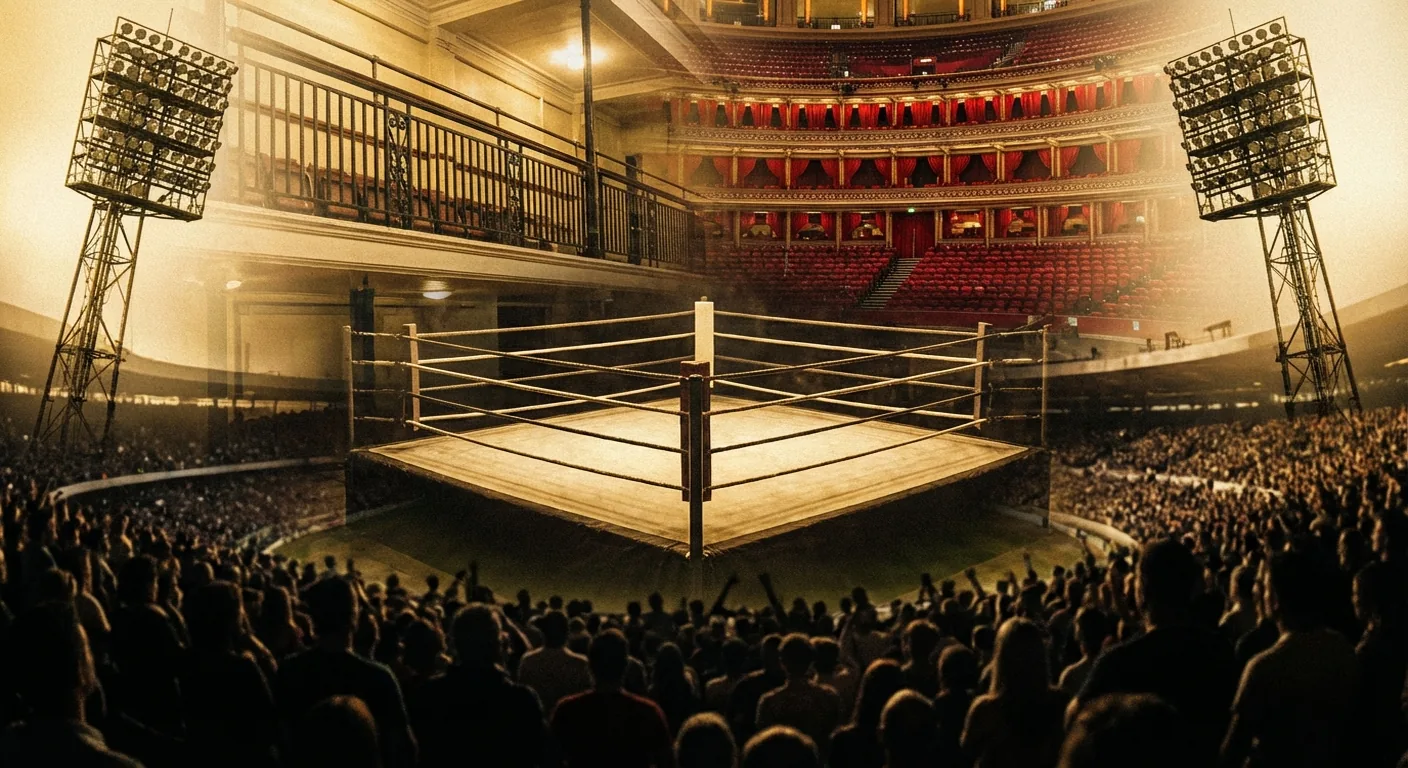
Legendary Boxing Venues in London
From York Hall and Troxy to Tottenham Hotspur Stadium, the rooms and arenas that gave London boxing its noise, scale, and memory.
Boxing is one of the few sports where the venue still shapes the feeling of the night. The ring is always the same size, but the room around it changes everything. A fight in York Hall feels different from a fight at Wembley even before the first bell. One is compressed, hot, close, and slightly unforgiving. The other is public theatre.
London has had both. It has produced the old fight halls, the vanished exhibition palaces, the Albert Hall nights that felt half sporting contest and half civic occasion, and the modern stadium cards built for giant heavyweight entrances. If you want to understand British boxing properly, you have to understand the venues too.
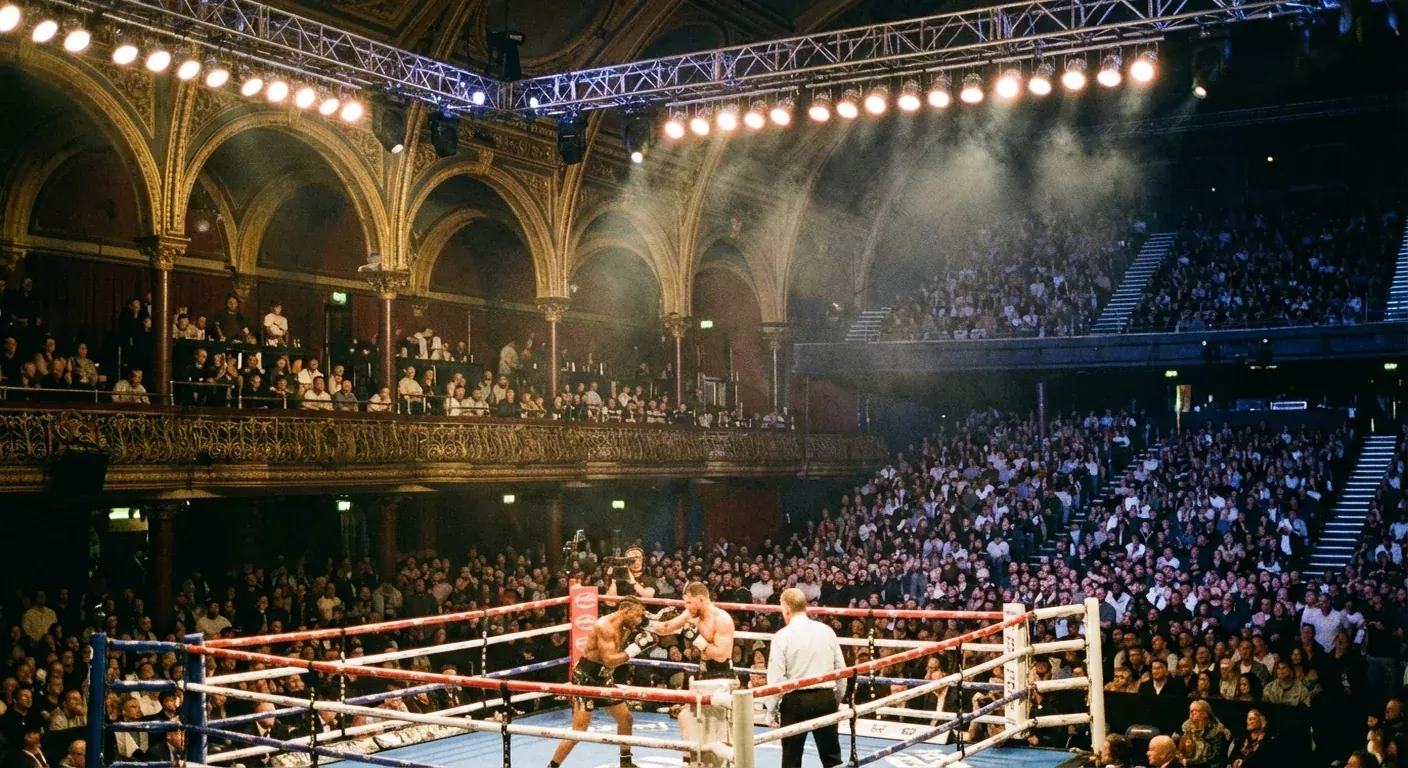
Artist's impression
The short list
- York Hall - the small hall that still feels like boxing's real church
- Troxy - Art Deco East End theatre built for a bigger, modern fight-night production
- Royal Albert Hall - grandeur, occasion, and championship history
- Wembley Stadium and Wembley Arena - where London does scale
- Earls Court - gone now, but central to post-war fight promotion
- Alexandra Palace - older London fight spectacle and amateur history
- The O2 - the modern London arena standard
- Tottenham Hotspur Stadium - the new heavyweight stadium stage
York Hall, Bethnal Green
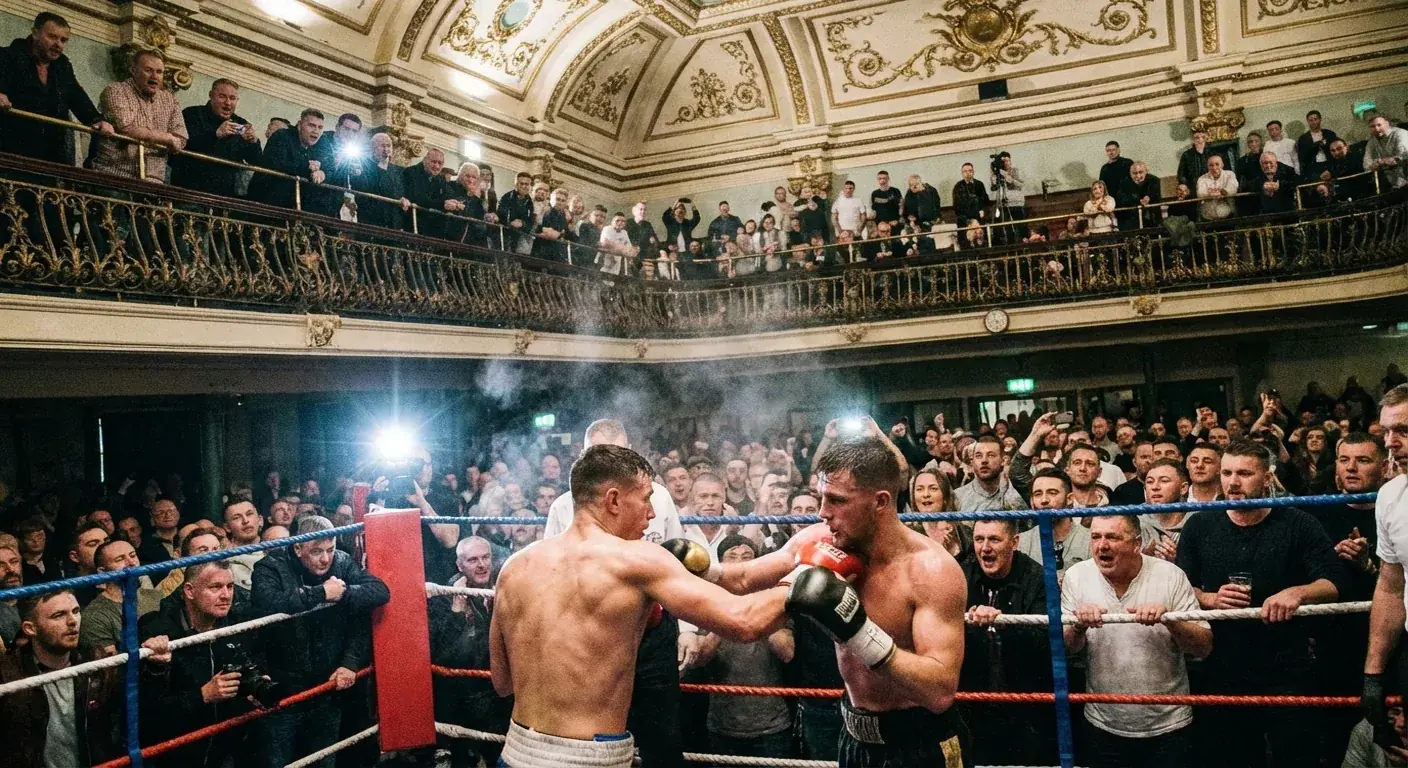
Artist's impression
If someone who actually loves boxing gives you only one London venue to visit, it is probably York Hall. The case is simple. It is still standing, still in use, still intimate, and still tied to the practical business of fighters learning how to be professionals. BBC Sport called it a piece of living boxing history, and that is about right.
The building opened in 1929 as public baths and became a professional boxing venue in the late 1940s. The hall holds around 1,200 people for boxing and other events, but that small scale is the whole point. From the balcony the ring still feels close. From ringside it feels almost indecently close. You hear the punches, the corners, the breathing, the audience switching from chatter to tension in half a second.
Nigel Benn, Joe Calzaghe, Lennox Lewis, David Haye, Tyson Fury, Anthony Joshua and plenty more passed through it early. York Hall is where the poster starts to become real. If you are planning your first small-hall show, read our York Hall boxing first-time fan guide before you go. For all the glamour London can produce, this is the venue that still feels most like the sport's nerve centre.
Troxy, Limehouse
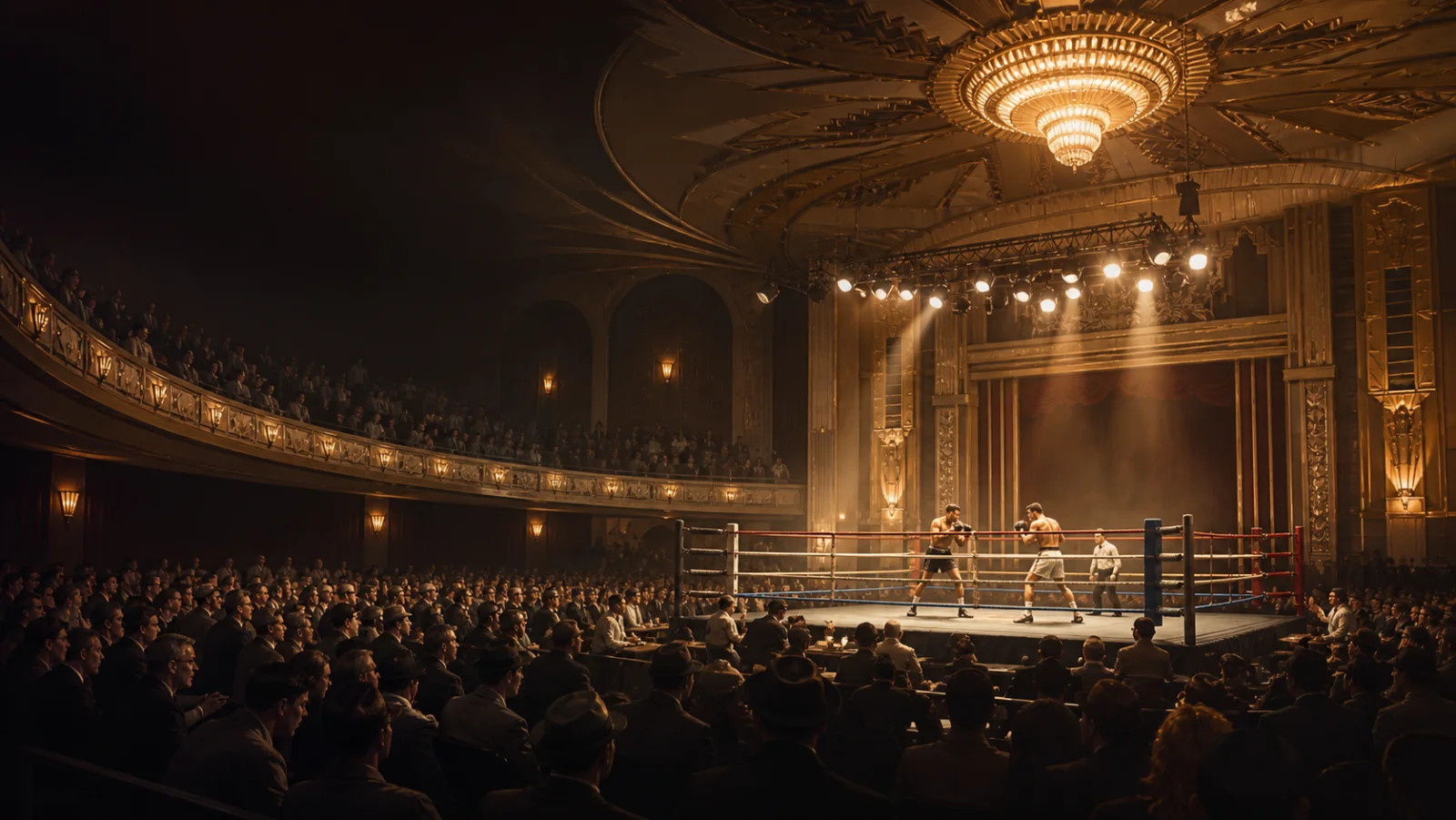
Artist's impression
Troxy is not London's other York Hall. It is a different proposition: a Grade II-listed 1933 cinema whose curved balcony, decorative ceiling and broad auditorium give boxing a more theatrical frame. The venue began with 3,500 cinema seats and now operates as a flexible 3,600-capacity events room after a major improvement programme completed in 2026. A boxing layout will vary by promoter, but the scale sits usefully between a small hall and a major arena.
The room suits cards that want production as well as competition. It has hosted white-collar boxing, combat sports and modern crossover boxing, including Misfits X Series 14 in 2024. The ring still feels central, but the entrances, lighting and crowd can carry more theatre than a conventional leisure-centre hall.
The practical details matter because Troxy is a flexible venue: sightlines depend on the event map, Circle access involves stairs, and the bag policy is strict. Our Troxy boxing first-time fan guide covers where to sit, how to get there and what to bring.
Royal Albert Hall
Artist's impression
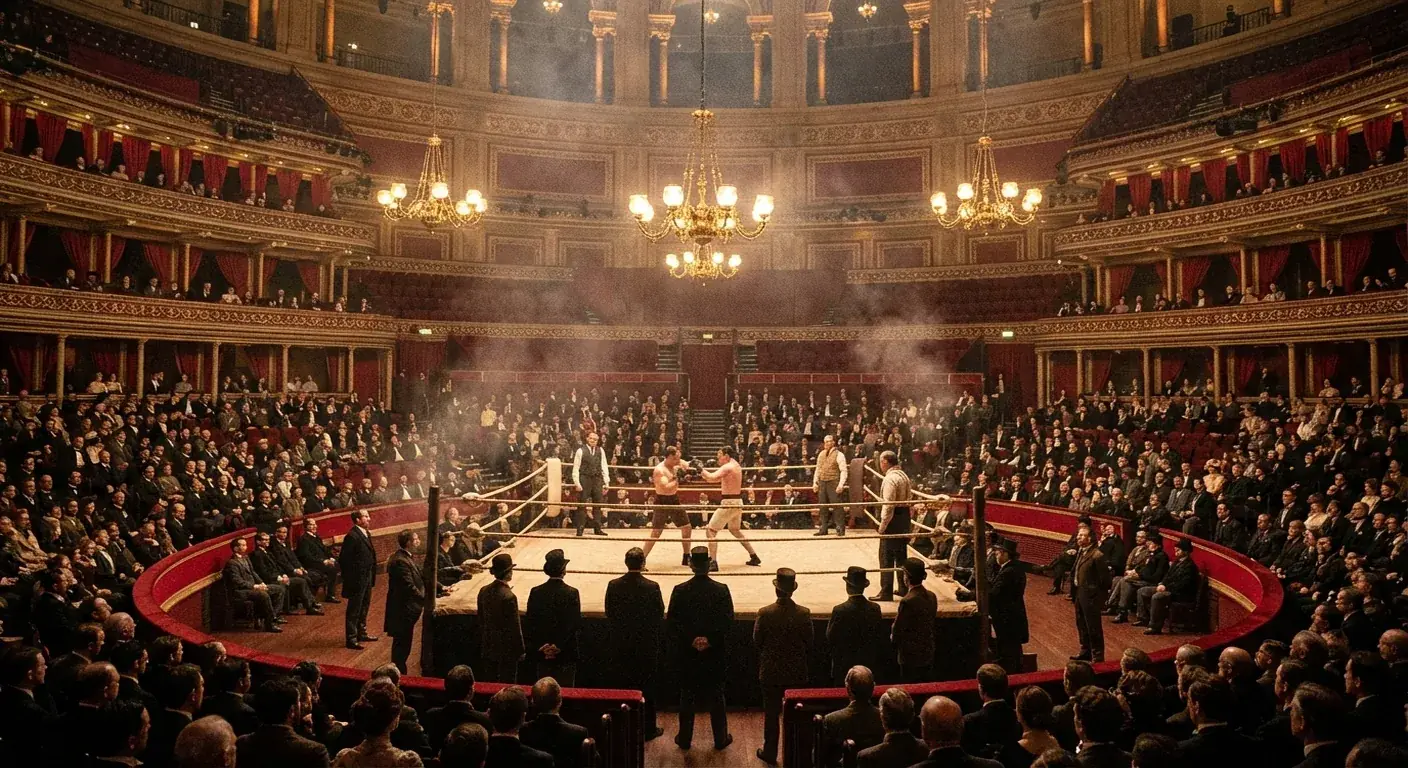
Royal Albert Hall gives boxing something York Hall does not even try to offer: grandeur. The hall makes a fight feel ceremonial. The circular tiers, the red interior, the sense that London has dressed for the evening - all of that changes the tone before anyone throws a jab.
The Hall's own archive records that Howard Winstone's 1968 win over Mitsunori Seki was the first world professional boxing championship staged there. That matters because it shows what Albert Hall boxing was for: not routine shows, but nights with a bit of dignity and a bit of occasion attached.
When boxing returned there in more recent years, the draw was not nostalgia alone. It was the simple truth that some venues lend sport an extra layer of meaning. Royal Albert Hall is one of them. A good fight there feels like part contest, part London ritual.
Wembley Stadium and Wembley Arena
Artist's impression
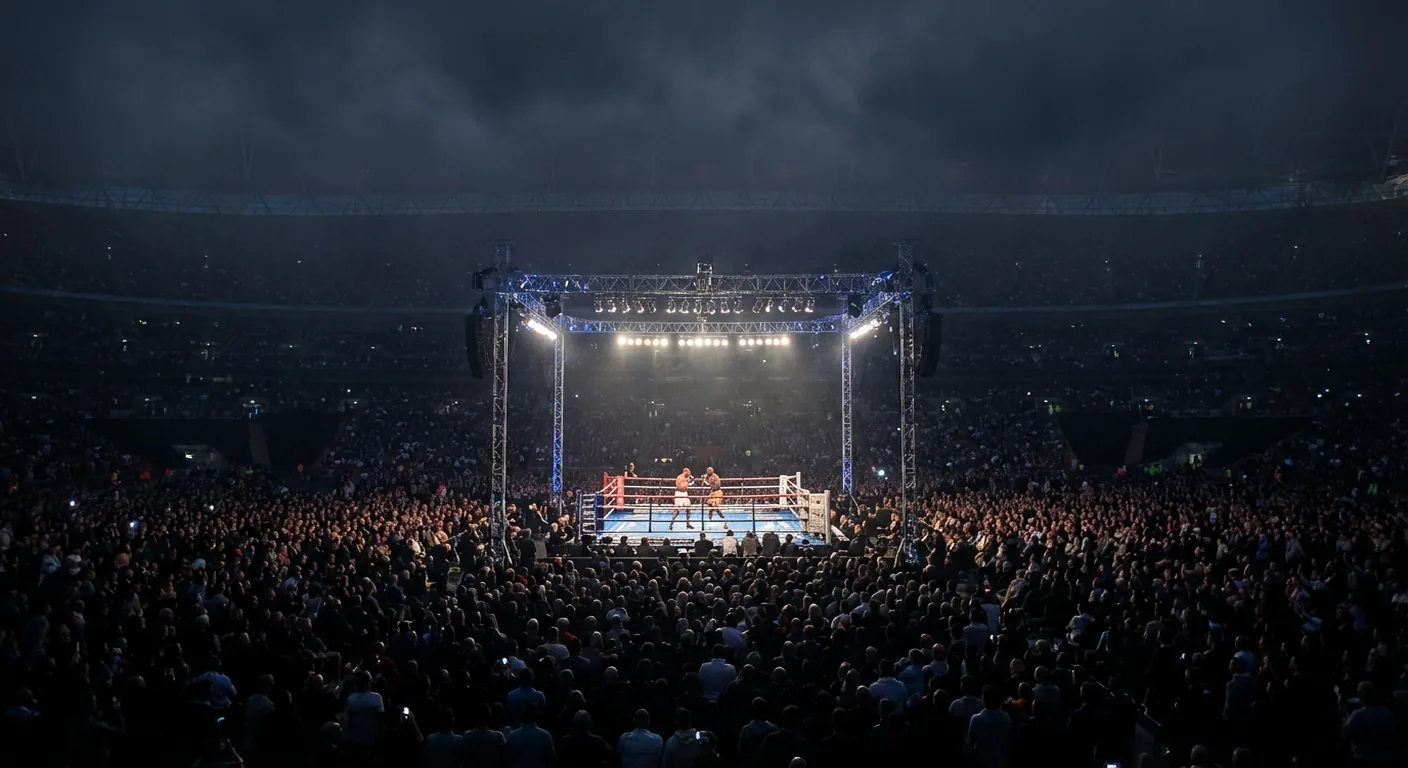
Wembley is London's answer whenever boxing wants scale. The old stadium gave Britain Henry Cooper dropping Cassius Clay in 1963, a moment the BBC still revisits because it sits so firmly in national sporting memory. The newer stadium gave us Anthony Joshua vs Wladimir Klitschko, the modern Wembley fight by which most recent British mega-events are judged. Populous summed it up well in its history of boxing at Wembley: the stadium has hosted boxing's biggest London nights across eras.
Wembley Arena matters too, for a slightly different reason. It bridges the gap between hall boxing and stadium boxing. It has the indoor pressure of an arena card but still carries the Wembley name, which helps make domestic title nights feel bigger than they otherwise would.
This is what Wembley does best. It takes boxing and enlarges it. Not always subtly, but effectively. If York Hall is where a boxer proves he belongs, Wembley is where London decides to look.
Earls Court
Artist's impression
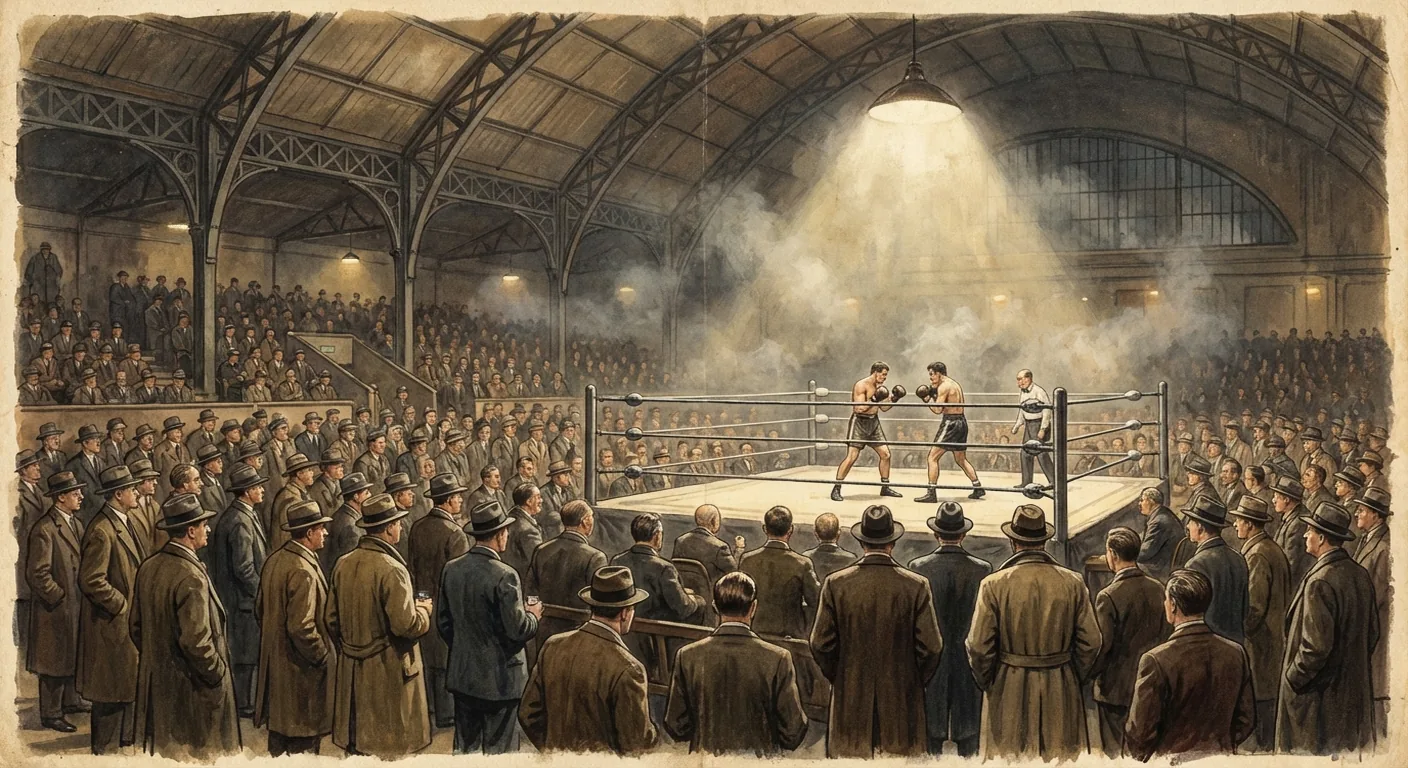
Earls Court is gone, which is part of why it still matters. You cannot visit it now and that sharpens the mythology. For a long stretch of post-war British boxing, it was one of the venues that made a big London fight feel like a major civic event rather than just another card.
Randolph Turpin's 1951 upset of Sugar Ray Robinson at Earls Court remains one of the great British boxing nights. It still gets written about as a national sporting shock because it was exactly that. The venue's size and exhibition-hall character suited the era perfectly - large enough to feel significant, formal enough to give the occasion extra weight, and central enough to make London feel like the proper stage for it.
Earls Court deserves its place on this list because it represented the lost middle of London boxing: larger than the small halls, more rugged than the polished new arenas, and tied to a period when promotion, television, and live spectacle were all being renegotiated.
Alexandra Palace
Artist's impression
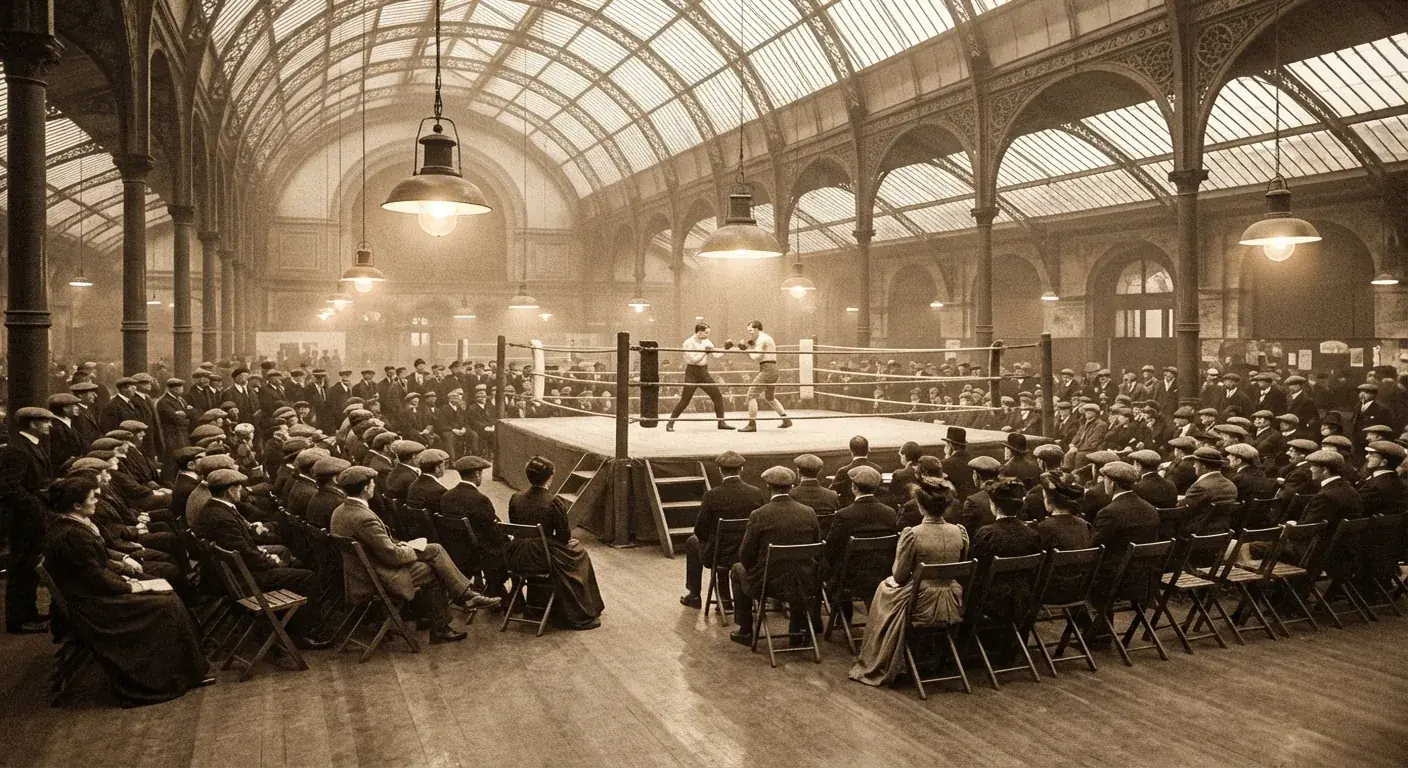
Alexandra Palace belongs here partly because London boxing history is not just about professional title fights. It is also about exhibition culture, amateur competition, and the older public appetite for seeing combat sport inside grand civic buildings. British Pathé's 1924 footage of the 40th Amateur Boxing Championship at Alexandra Palace captures that world clearly.
Ally Pally was built for spectacle in the broadest sense. That made it a natural home for boxing in an earlier London. Its importance is not that it became the city's permanent boxing headquarters. It did not. Its importance is that it shows how deeply boxing sat inside London's wider entertainment culture.
Put simply, Alexandra Palace reminds you that London boxing did not grow only in gyms and halls. It also grew in the city's great public rooms, where sport, theatre, and civic life still rubbed shoulders.
The O2, Greenwich
Artist's impression
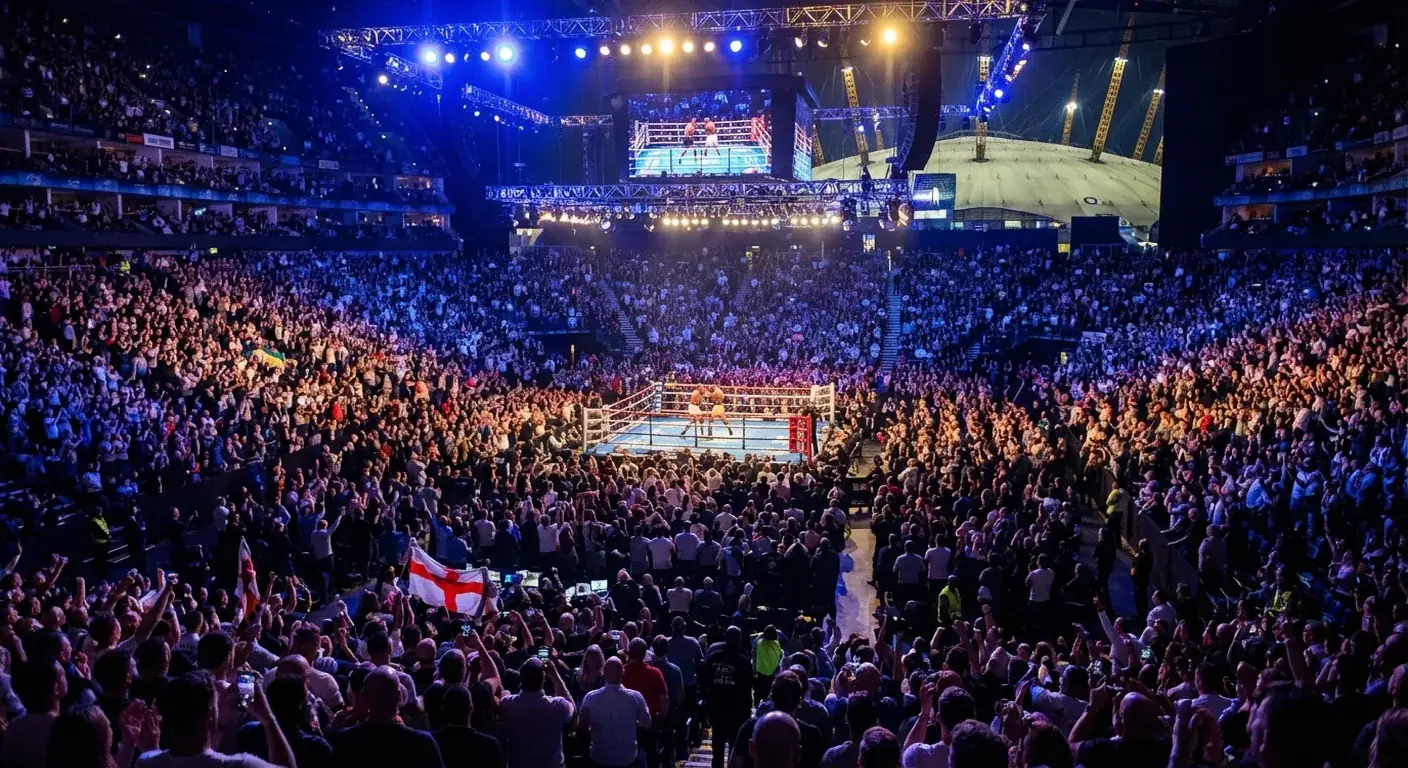
If you train with us in Kidbrooke, The O2 is the major boxing venue that feels local. That matters. It is the nearest big-fight room to Honour and Glory and it has quietly become one of the most important homes of modern London boxing.
Anthony Joshua won his first world title there against Charles Martin in 2016, and The O2's own listings still frame his later returns as part of that long relationship with the venue. It suits boxing because it is large enough for a proper event atmosphere without losing the audience to dead space. The steep seating, the lighting, and the compact arena bowl help the ring stay central.
The O2 is not romantic in the way York Hall is. It is not historic in the way Royal Albert Hall is. But it is one of the best practical boxing arenas London has ever had, which is why so many significant cards keep coming back to it.
Tottenham Hotspur Stadium
Artist's impression
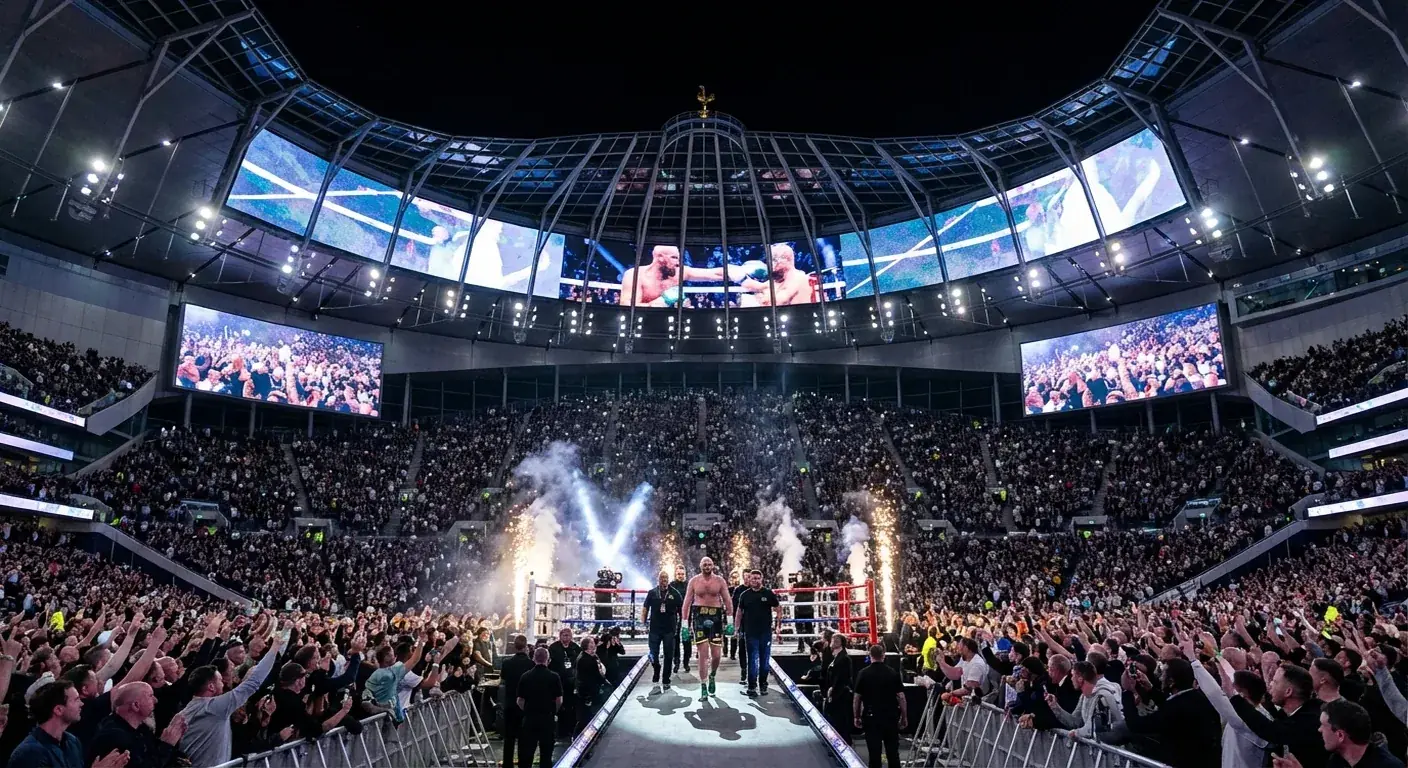
Tottenham Hotspur Stadium is the newest venue here and the least legendary in the old-fashioned sense. It has not had a century to build myth. But it absolutely belongs because it represents where modern London stadium boxing is heading.
Tyson Fury vs Dereck Chisora in 2022 drew 59,789 fans there, according to the stadium's own event recap, and that number tells the story. Tottenham can stage heavyweight boxing at a scale London promoters want while still making the ring feel part of a modern entertainment machine. It is clean, loud, and built for entrance energy.
That is why Tottenham matters. It is not boxing's old soul. It is London's current big-fight future. If Wembley is still the iconic answer, Tottenham is the serious alternative in the newer stadium era.
What all these venues have in common
The good boxing venues are not all grand and they are not all old. What they share is concentration. They make the ring feel central. They turn crowd noise into pressure. They create a sense that this matters even before the result tells you whether it did.
London has been unusually lucky in that respect. It has the old small hall, the ceremonial hall, the vanished exhibition venue, the practical modern arena, and the new heavyweight stadium. Few cities can cover that full range honestly.
If you want the most honest live experience, go to York Hall. If you want scale, go to Wembley. If you want the easiest major night from south east London, go to The O2. And if you want to understand why boxing people still care so much about where a fight happens, go to any of them and listen when the first proper shot lands.
Artist's impression
If you are reading this because the venue side of boxing pulls you in, the next step is obvious: train in a real gym, then go and watch the sport live with a better eye for what you are seeing. Our Adult Recreational class is where most people start.
If you are based in [Kidbrooke](/areas/kidbrooke), [Greenwich](/areas/greenwich), or the wider south east London area, you do not need to travel far to begin.
Book a free trial session