
Clean sport is a boxing habit, not a poster
Clean Sport Week matters in amateur boxing because the sport is built on trust. You trust the opponent to make weight honestly. You trust the referee to protect both boxers. You trust your coach to prepare you properly. You also have to trust that everyone in the ring is trying to win without banned shortcuts.
UK Anti-Doping's Clean Sport Week 2026 runs from 11-17 May. The theme is "Built not bought. 100% me." For boxers, that is not just a campaign slogan. It is a good training rule.
A jab is built. Balance is built. Fitness is built. Ring calm is built. None of it is bought from a supplement advert, a gym rumour, a social media reel or someone promising a quicker body in six weeks.
This guide is for amateur boxers, coaches and parents who want the practical version: what clean sport means, where the risk usually comes from, and how to make better decisions before a competition.
What Clean Sport Week 2026 is focused on
UKAD describes Clean Sport Week as its annual campaign bringing athletes, coaches, organisations and communities together to celebrate fair play and drug-free sport. In 2026, UKAD is putting particular focus on misinformation around Image and Performance Enhancing Drugs, often shortened to IPEDs, including SARMs.
That matters because boxing sits close to several pressure points at once. It is physical. It has weight categories. It rewards confidence and toughness. It also attracts young people who want to look stronger, feel sharper and prove themselves quickly.
That combination can make bad advice sound tempting.
UKAD is clear that SARMs are banned in sport and not approved for human consumption. That should be enough to stop the conversation, but the internet rarely stops there. Products can be dressed up as research chemicals, strength aids, recovery hacks or "not really steroids". For a boxer, the safe response is simple: if it is banned, risky, unclear or being sold by someone who benefits from your insecurity, do not use it.
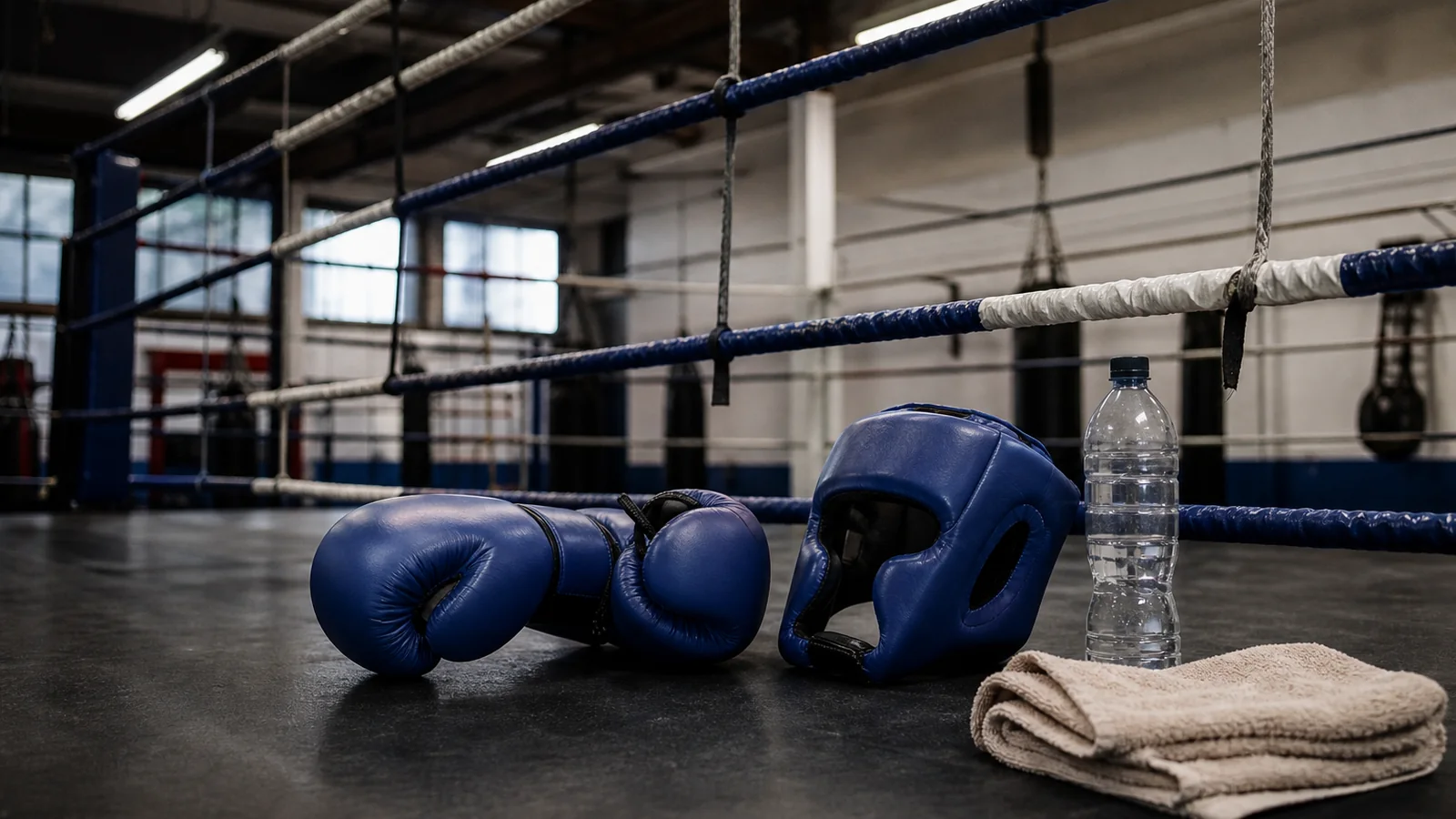
England Boxing rules apply beyond elite boxing
One mistake is thinking anti-doping only matters once a boxer is elite, televised or on a national squad. That is too narrow.
England Boxing's clean sport and anti-doping guidance says anti-doping rules apply to athletes and athlete support personnel under its jurisdiction, regardless of participation level. It also explains the principle of strict liability: an athlete is responsible for anything found in their system, regardless of how it got there or whether there was any intention to cheat.
That principle changes how you should think about supplements, medicines and casual advice.
It is not enough to say, "I did not know." It is not enough to say, "Someone at the gym said it was fine." It is not enough to say, "It was only a pre-workout." Those might explain how a mistake happened, but they do not remove the responsibility.
For amateur boxers, clean sport starts before testing. It starts with the habit of asking what something is, why you are taking it, who told you to take it, and whether an official source supports the decision.
Supplements are where many risks begin
Most amateur boxers do not need a complicated supplement stack. They need regular training, sleep, food, hydration, patience and coaching.
Supplements are not automatically banned, but they are not automatically safe either. The risk is partly the ingredient list and partly contamination. A product can contain something not listed clearly on the label, or be made in a facility where contamination is possible. A boxer can also misunderstand when a substance is allowed, banned, or only banned in competition.
GB Boxing's supplements and nutrition guidance points towards a food-first approach and reminds athletes that there are no guarantees a supplement product is free from banned substances. That is the right starting point for club boxing.
If you are an adult amateur boxer, ask whether the supplement solves a real problem or just makes you feel more serious. If you are a junior boxer, do not take supplements without a parent, guardian and coach knowing exactly what they are. If you are a coach, make the gym culture boringly clear: no mystery powders, no group-chat recommendations, no chasing shortcuts.
Boring is good here. Boring keeps people safe.
Medicines need checking too
Clean sport is not only about people trying to cheat. Normal medicine can matter.
The GB Boxing Prohibited List guidance explains that some substances are prohibited at all times, while others are prohibited in competition only. It also notes that the determining factor is whether a substance is in your system during the relevant period, not simply when it was taken.
For a boxer with asthma medication, prescribed treatment, over-the-counter medicine, pain relief or anything used regularly, the clean-sport habit is to check early. Do not leave it until fight week. Do not assume that because something is normal in daily life it is automatically simple in competition sport.
This is not medical advice. It is a practical boxing rule: if medication or supplements are part of your routine and you compete, use official guidance and qualified medical advice before there is a problem.
Coaches and parents set the standard
Boxers copy the standards around them. If the gym talks casually about shortcuts, young boxers will hear it. If adults treat weight cutting, supplements and image pressure as normal banter, juniors will absorb that too.
A clean-sport culture does not need lectures every session. It needs consistent boundaries.
Coaches can ask simple questions:
- What are you taking?
- Who recommended it?
- Is your parent or guardian aware, if you are under 18?
- Have you checked it against official guidance?
- Are we trying to solve a training problem with a product instead of better habits?
Parents can ask the same questions at home. The tone matters. If a young boxer feels embarrassed, they may hide the risk. If the adults stay calm and practical, the boxer is more likely to speak before a bad decision becomes serious.
What amateur boxers should do before competition
Before a bout or tournament, keep the clean-sport checklist simple.
- Know what you are taking. That means supplements, medicines, pre-workouts, powders, gels and anything bought online.
- Check official sources. Use UKAD, England Boxing, GB Boxing or WADA-linked guidance, not gym gossip.
- Speak early. Tell your coach about medication, supplement use or anything you are unsure about.
- Avoid last-minute changes. Fight week is not the time to test a new product.
- Do not copy older fighters blindly. A senior boxer, professional fighter or influencer may have different medical support, rules, risks or bad habits.
- Respect weight making. Do not confuse clean sport with extreme dehydration or panic dieting. Safe preparation still matters.
The boxer who does this is not being soft. They are being professional in the proper sense: prepared, accountable and hard to knock off course.
Why this matters at club level
At Honour and Glory, we care about clean sport because we care about boxing as a discipline. Classes start from age 7, and the lesson should be the same from juniors through to adults: build the work honestly.
For beginners in recreational adult boxing, that might mean resisting the urge to buy confidence through products before learning the basics. For junior boxers, it might mean understanding that strength comes after movement, habits and maturity. For competitors, it means respecting the rules before there is a test, a form, a tournament or a problem.
Boxing is already hard enough. It does not need shortcuts that can damage health, trust, reputation or a sporting future.
Built not bought is the right message
Clean Sport Week 2026 has a good theme because it says something boxing should already understand.
The good things are built. Composure is built by coming back after hard rounds. Timing is built by missing, correcting and trying again. Fitness is built by doing the unglamorous work. Confidence is built when you know the progress is really yours.
That is better than a shortcut. It lasts longer too.
If you are boxing, coaching or supporting an amateur boxer, use Clean Sport Week as a prompt to have the conversation before it is needed. Ask what is being taken. Check where advice is coming from. Build the habit of clean decisions.
Then get back to the work.
H&G Team
Writer at Honour & Glory Boxing Club, a community boxing gym in Kidbrooke, South East London.
KEEP READING
Clean Sport Week 2026: What Young Boxers Should Know
A practical boxing-club guide to Clean Sport Week 2026, SARMs, supplements, strict liability and how young boxers can build progress safely without shortcuts.

How to Get Into Competitive Boxing in the UK
The route from your first boxing session to competing as an amateur in the UK is clear and structured. Here is the complete pathway, including timelines and what to expect.

Amateur Boxing Competition Day: What to Expect
Your first amateur boxing competition will feel unlike any training session. Here is exactly what happens, step by step, so nothing catches you off guard.
Was this page helpful?
It takes one tap, and it genuinely helps.
Choose your next step
Turn this article into the right action
Some readers are ready to book. Some need the class route first. Pick the route that matches what you actually want.