The Boxing Warm-Up Routine That Actually Prepares You to Train

Walk into most boxing gyms and the first fifteen minutes look the same: skipping ropes slapping the floor, bodies moving through shadow work, coaches calling out combinations while members loosen up. It looks effortless, almost casual. What it actually is, is a boxing warm-up routine that's been refined over decades of trial and error.
Beginners often skip this part, or rush through it because they want to get to the "real" training. That's a mistake. The warm-up isn't a bureaucratic preamble - it's where injuries get prevented, and where your body shifts from desk-job mode into something resembling an athlete.
Here's how a proper boxing warm-up routine works, why each phase matters, and what you should be doing before every session.
Why a boxing warm-up routine is different from gym stretching
Static stretching before training - the kind where you hold a position for 30 seconds - has largely fallen out of favour in sports science. The evidence suggests it can actually reduce power output if done before high-intensity work. That's the last thing you want before hitting pads.
Boxing warm-ups are built around movement, not stillness. The goal is to raise muscle temperature, increase blood flow to the joints you're about to hammer, and activate the nervous system so your reactions are sharp. A cold muscle contracts more slowly and tears more easily. A warm one works the way it's supposed to.
The other thing boxing warms up that gym circuits don't: your coordination. Boxing requires your hands, feet, eyes, and brain to work together simultaneously. You can't just switch that on. You have to ease into it.

Phase one: get the heart rate up (three to five minutes)
The rope is the obvious choice here, and there's a reason it's been in boxing gyms for over a century. Three minutes of skipping raises body temperature, loosens the ankles and calves, sharpens timing, and gets your breathing working. Most gyms run rounds on a timer - three minutes on, one minute rest - which means the warm-up fits naturally into the rhythm of the session.
If you're not yet comfortable with the rope, jogging on the spot, star jumps, or a light jog around the gym all work. The point is to arrive somewhere between comfortable and mildly breathless before you do anything else.
At H&G in Kidbrooke we start every session with rope work. It's one of those things that feels pointless on day one and indispensable by month three.
Phase two: dynamic mobility (five minutes)
Dynamic stretching means moving through a range of motion repeatedly, not holding a position. It's the second phase of a good boxing warm-up routine, and it targets the joints that take the most punishment: shoulders, hips, spine, and neck.
Arm circles - forward and back, big sweeping movements - loosen the rotator cuff before you start throwing hooks. Hip circles and leg swings open up the hips for footwork. Torso twists through a full range of motion wake up the muscles that generate punching power through rotation.
Neck rolls, done slowly and carefully, reduce the stiffness that builds up from desk work and makes head movement harder than it should be.
The key word is deliberately. This isn't about rushing through a checklist. Each movement is preparing a specific joint for specific demands. Ten sloppy arm circles is worse than four good ones.
Phase three: shadow boxing (three to five minutes)
This is where the boxing warm-up routine becomes recognisably boxing. Shadow boxing at low intensity does several things at once: it continues raising the heart rate, activates the muscles in the order you'll use them in the session, and starts building mental focus.
Start simple. Footwork first - moving in and out, circling left and right, getting the feet working before the hands. Then add light jabs. Then the one-two. Then movement with combinations. Don't go hard. The shadow boxing warm-up isn't a workout, it's a dress rehearsal.
Watch any professional boxer's pre-fight footage and you'll see exactly this: slow, deliberate shadow work in the changing room that gradually builds to something resembling fight pace. The same logic applies to a Tuesday evening session in Kidbrooke.

What about stretching?
Static stretching belongs at the end, not the beginning. After training, when your muscles are already warm, holding stretches for 20-30 seconds each can genuinely improve flexibility over time and help the body recover. Before training, it can reduce the explosive power you need to make the session worthwhile.
The one exception is gentle neck stretches, which many coaches include early in the warm-up. These are small, slow movements - not aggressive range-of-motion work - and they're more about reducing the risk of stiffness during head movement than improving flexibility.
How long should the whole thing take?
Somewhere between ten and fifteen minutes for a typical session. Less than that and you're probably cutting corners. More than twenty and you're eating into the session itself without proportional benefit.
The structure: rope or light cardio first, dynamic mobility second, shadow boxing third. Each phase flows into the next. By the time you hit the first round on the pads or bags, you should feel ready - not exhausted, not still cold.
Common mistakes to avoid
Arriving late and skipping straight to the heavy bag is the most common one. It feels fine until it doesn't, and "it" is usually a shoulder or a pulled hamstring.
Doing the warm-up on autopilot is the other one. Going through the motions without any mental engagement means you arrive at the main session in the same distracted headspace you walked in with. The warm-up is also where you clear your head. Use it.
If you're training at home
The same structure applies. Skip the rope or do jumping jacks for a few minutes. Work through arm circles, hip rotations, torso twists. Shadow box for five minutes, starting slow and building. You don't need a gym to warm up properly - you need about twelve square feet of floor space and the discipline to actually do it before you start the bag work.
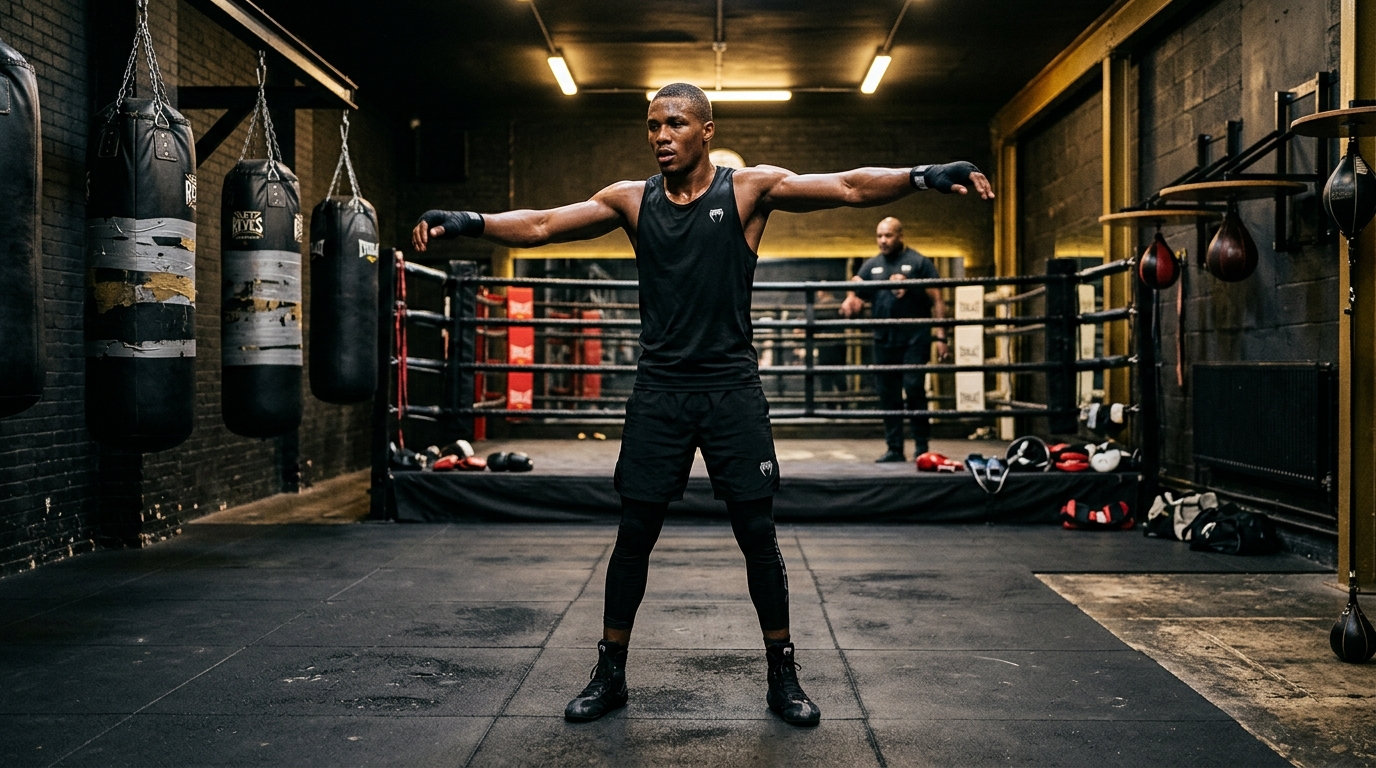
A proper boxing warm-up routine isn't glamorous. Nobody posts it on social media. But it's the difference between training sessions that build you up over months and years, and sessions that occasionally hurt you. Every coach worth listening to takes it seriously. So should you.
If you want to put it into practice properly, come in for a free trial at H&G and let one of our coaches show you the warm-up they use with every class.
H&G Team
Writer at Honour & Glory Boxing Club, a community boxing gym in Kidbrooke, South East London.
Was this page helpful?
It takes one tap, and it genuinely helps.
Choose your next step
Turn this article into the right action
Some readers are ready to book. Some need the class route first. Pick the route that matches what you actually want.