Training for a White Collar Boxing Fight: How to Prepare
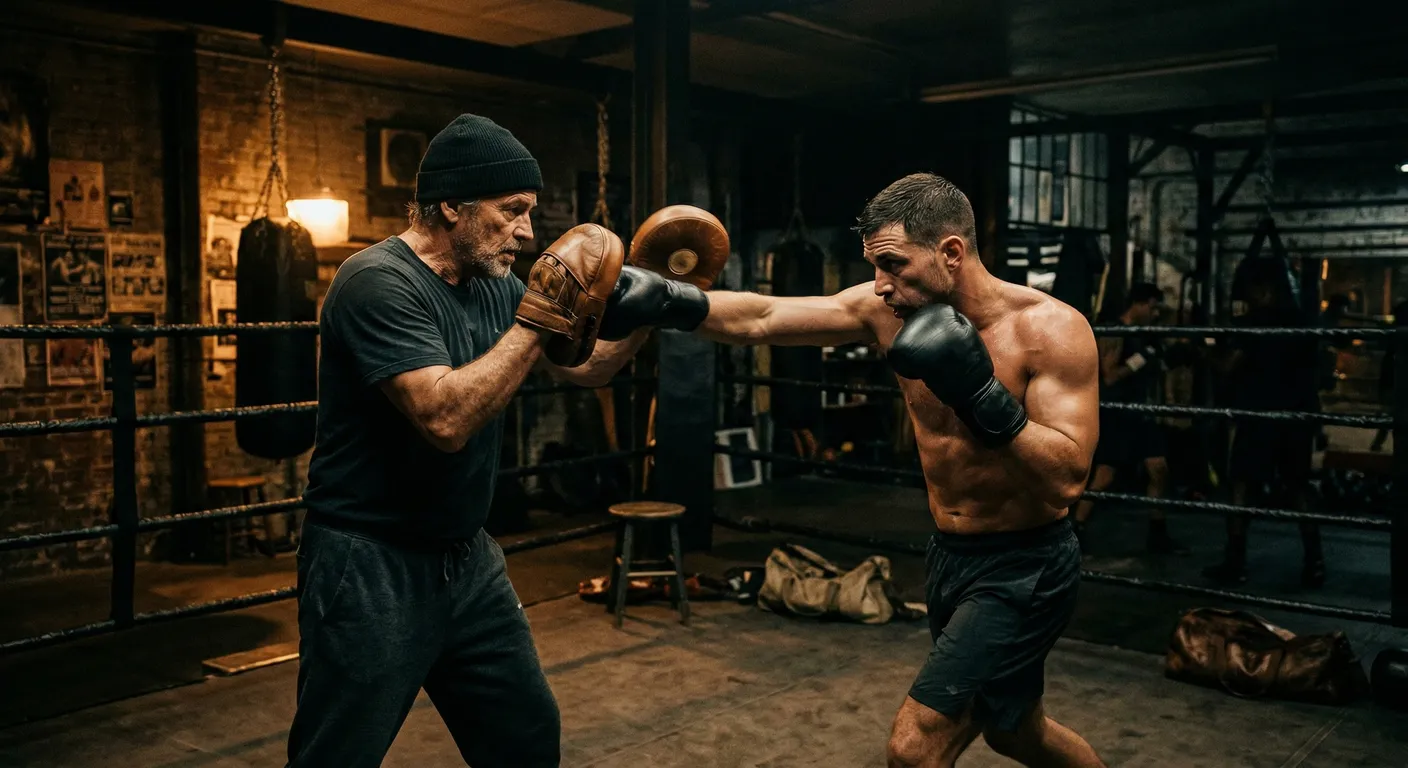
You have signed up for a white collar boxing event. Maybe it is UWCB, maybe Peacock WCB, maybe a corporate charity show your company is running. Whatever the promoter, the situation is the same: you have 8-12 weeks, no boxing experience, and you need to be ready to step into a ring in front of several hundred people.
Most white collar events include some form of group training camp. You turn up two or three times a week, follow a group session, and hope you pick up enough to survive three rounds. For some people, that is sufficient. But if you want to actually perform well - if you want to feel prepared rather than just getting through it - you need 1-to-1 coaching alongside or instead of the group camps.
What White Collar Boxing Actually Is
White collar boxing matches complete beginners against opponents of similar weight, age, and experience in exhibition-style bouts. Headguards, body protectors, and 16oz gloves are standard. Bouts are typically three rounds of one-and-a-half to two minutes each.
These events have grown substantially over the past decade. Ultra White Collar Boxing alone reports over 350,000 participants since 2013, with events running across more than 100 UK towns and cities. A 2025 report by England Boxing, Boxing Scotland, and Sheffield Hallam University examined the sector and highlighted both its popularity and the variability in safety standards between promoters.
The appeal is clear: you get to do something that most people only watch. The experience of training, making weight, and competing in front of an audience is useful. But the quality of your preparation determines whether it is a positive transformation or a traumatic one.
The Problem With Group Camps Alone
Most promoter-run camps are group sessions with 20 to 40 people. The coaches are usually competent, but the ratio is impossible. You cannot learn to box properly when you are sharing a coach with dozens of other beginners.
In a group camp, you will learn a jab, a cross, maybe a hook. You will hit pads in rotation. You will do circuit training. What you will not get is anyone watching your technique closely enough to fix the things that matter: keeping your chin down, turning your hand over on the cross, moving your feet after every combination, rotating properly through the hips.
These are the details that separate someone who looks like they can box from someone who is obviously winging it. In a three-round fight, the difference shows.
Group camps also struggle with individualised conditioning. Everyone does the same workout regardless of their fitness level, weight, or the specific demands of their fight. A 95kg office worker who has not exercised in three years has fundamentally different preparation needs from a 70kg runner.

Why 1-to-1 Coaching Changes Everything
A personal trainer who has coached white collar fighters before can do what a group camp cannot: build a programme around you specifically.
Technique That Actually Sticks
In a 1-to-1 session, the coach watches every punch. When your jab drops, they correct it immediately. When your footwork is wrong, they fix it before it becomes a habit. After six weeks of focused 1-to-1 pad work, your technique will be noticeably better than someone who has done twelve weeks of group training.
This is not arrogance. It is simple maths. If you throw 200 punches in a session and a coach corrects 30 of them in real time, you improve faster than someone who throws the same 200 punches with no individual feedback.
Conditioning Matched to Your Fight
Your PT will structure conditioning around your specific needs. If you gas out after 90 seconds of sustained effort, that is what you train. If you are fit but lack power, you work on strength and explosiveness. If you need to lose 5kg to make weight comfortably, your nutrition and training load reflect that.
The timeline typically breaks down like this:
- Weeks 1-3: Build a technical foundation. Stance, guard, jab, cross. Basic footwork. Conditioning baseline.
- Weeks 4-6: Add combinations. Introduce defence. Increase work rate and intensity. Start controlled sparring drills.
- Weeks 7-9: Simulate fight conditions. High-intensity rounds on the pads. Sparring with experienced partners. Refine game plan.
- Weeks 10-12: Sharpen everything. Peak fitness. Weight management. Mental preparation. Taper before fight night.
Mental Preparation
The part that group camps almost never cover is the mental side. Most white collar fighters report that the hardest part is not the physical exertion but the nerves. The walk to the ring. The moment the bell goes and there is a real person trying to hit you.
A good PT will prepare you for this. Controlled pressure in training, visualisation, understanding what the first 30 seconds of a fight feel like. Knowing that the adrenaline dump is normal and that it passes. Having a plan for the opening exchanges rather than just hoping for the best.
Weight Management for Fight Night
Every white collar event matches fighters by weight. Making weight comfortably - without dehydrating yourself or crash-dieting in the final week - is part of the preparation.
Your PT should be monitoring your weight from the start and adjusting your training and eating accordingly. A gradual, steady approach over 8-12 weeks is always better than a desperate cut in the last five days. The fighters who turn up dehydrated and drained after a crash cut almost always perform worse, regardless of their fitness level.
If you want to understand how to manage weight for boxing specifically, our white collar boxing page covers the event format in more detail, and the coaches at Honour and Glory have guided multiple fighters through the process from first session to fight night.
What to Look for in a Coach
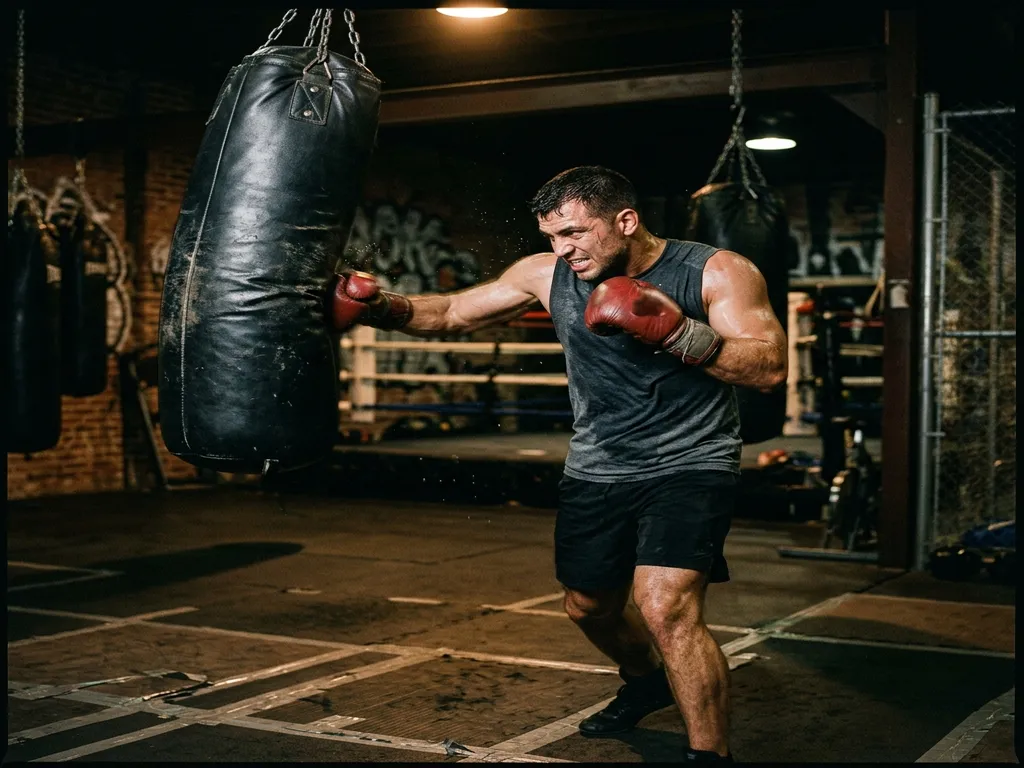
Not every personal trainer is qualified to prepare you for a white collar fight. You need someone who has either competed themselves or has coached fighters through events before. The skills are specific: pad work that simulates fight scenarios, the ability to teach defence under pressure, and enough ring experience to prepare you mentally.
At Honour and Glory, we have coached people through white collar events from zero boxing experience to fight night. The coaches are ABA/Alliance-credentialed and have amateur competition experience, which means they understand what being in a ring actually demands.
Can You Really Be Ready in 8-12 Weeks?
Yes, with a significant caveat: ready does not mean expert. You will not be a polished boxer after 12 weeks. You will be someone who can throw proper punches, defend themselves competently, maintain a work rate for three rounds, and manage the nerves that come with fighting in public.
That is enough. White collar events match beginners against beginners. The person across the ring from you has roughly the same amount of training time. The advantage goes to whoever has used that time most effectively.
Two 1-to-1 sessions per week alongside the promoter's group camp is the ideal combination. The group sessions build general fitness and give you the communal experience. The 1-to-1 sessions build real skill and address your specific weaknesses.
Getting Started
If you have signed up for a white collar event or are thinking about it, do not wait. The clock is already running. The earlier you start working with a personal trainer, the more prepared you will be on fight night.
Book a trial session at Honour and Glory and tell us when your fight is. We will build the programme backwards from that date and make sure you step into the ring feeling ready, not just hoping for the best.
H&G Team
Writer at Honour & Glory Boxing Club, a community boxing gym in Kidbrooke, South East London.
KEEP READING

Ring Generalship: How to Control the Fight
Ring generalship is the art of controlling where, when and how the fight happens. Learn the principles that separate tactical boxers from mere punchers.

The Three Phases of a Boxing Exchange
Advanced amateur boxing is not just attack, defend, reset. Learn how entries, counters and counter-counters turn separate exchanges into one connected fight.

How to Get Your Boxing Licence in the UK
Want to compete in boxing? Here is the complete process for getting your boxing licence in the UK, whether amateur through Amateur Boxing Alliance or professional through the BBBofC.
Was this page helpful?
It takes one tap, and it genuinely helps.
Choose your next step
Turn this article into the right action
Some readers are ready to book. Some need the class route first. Pick the route that matches what you actually want.