Boxing Over 50: What Changes and What Still Works
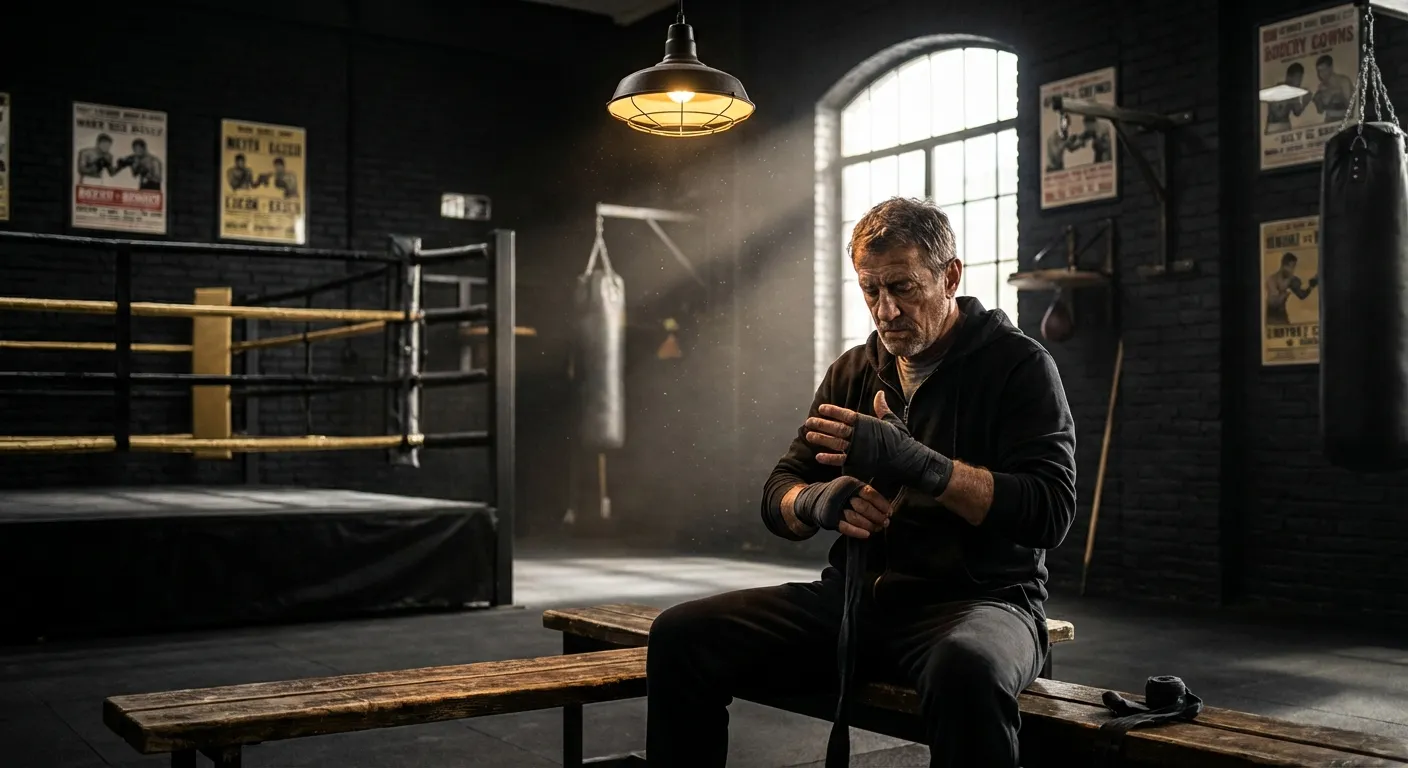
Research on exercise in older adults shows high-intensity interval training - which boxing resembles - produces greater cardiovascular and functional fitness benefits than moderate exercise for adults over 50. NHS physical activity guidelines guidance recommends two sessions of strength activity weekly for adults over 65.
The questions people over 50 ask about starting boxing are practical and specific: can my joints take it, will I get hurt, is my recovery too slow, will I embarrass myself? These are better questions than "am I too old?" which assumes an answer before the evidence is in.
Here is the honest picture.
What Changes After 50
Several physiological changes are relevant for boxing training specifically.
Recovery rate. Muscle recovery takes longer. The soreness after a first session may last three days rather than one. This is not pathological - it is a normal age-related change in inflammatory response and protein synthesis. The practical implication: rest days are more important, and training frequency should be built gradually.
Joint resilience. Tendons and ligaments become less elastic with age. The injury risk from overtraining, from poor technique, and from inadequate warm-up increases. Again, not a reason not to train - a reason to train carefully.
Bone density. After 50, bone density decreases, particularly in women post-menopause. Impact exercise helps maintain and improve bone density. Boxing training (hitting bags, active footwork) provides bone-protective stimulus.
Cardiovascular baseline. Maximum heart rate decreases with age. Training intensities need adjustment - the heart rate zones for training effort change. A coach who understands this will adapt the session demands appropriately.
Hormonal environment. Lower testosterone in men and lower oestrogen in women after 50 affects muscle-building response and recovery. Results take longer and require more consistent stimulus. Not impossible - just requiring more patience.
What Stays the Same
Technique is learnable at any age. The neural plasticity required for skill acquisition does not stop at 50.
The enjoyment is the same. Boxing over 50 is not a diminished version of the sport. It is the sport, practised with age-appropriate modification.
The psychological benefits - anxiety reduction, mood improvement, sleep quality, confidence - are fully available to older beginners and are, in the evidence, particularly significant for this age group.
The community is available to everyone. Boxing gym culture does not distinguish by age.
Practical Modifications for Over 50s
Longer warm-up. Twenty minutes rather than ten. Older joints need more time to reach working temperature.
More rest days. Two sessions a week with adequate rest is appropriate initially. Three sessions once adaptation is established.
Technique focus over intensity. The conditioning follows the technique. Trying to push intensity before technique is established leads to injury in any age group, but particularly after 50.
No pressure toward sparring. Recreational training - bags, pads, shadow boxing - is entirely complete as a practice. Sparring is not a requirement.
Listen to the body. Pushing through serious pain is less appropriate at 50 than at 25. Sharp joint pain, chest pain, or unusual symptoms require immediate stopping.
At Honour and Glory
The Adult Recreational classes include members across a wide age range. Our coaches are experienced working with older beginners and adapt the session demands accordingly.
Age is not an admission criterion or a barrier. You attend, you train, you develop at your own pace.
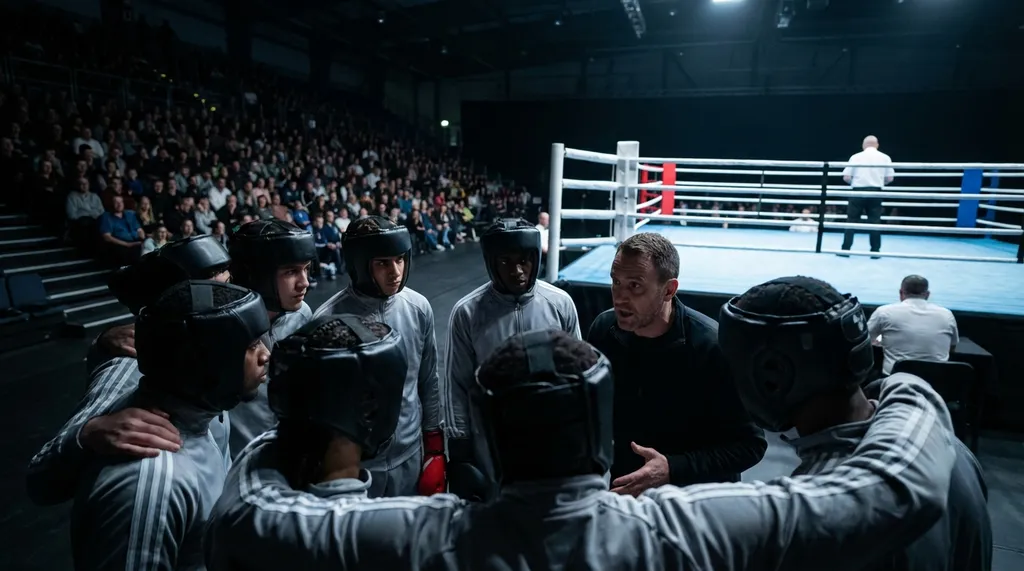
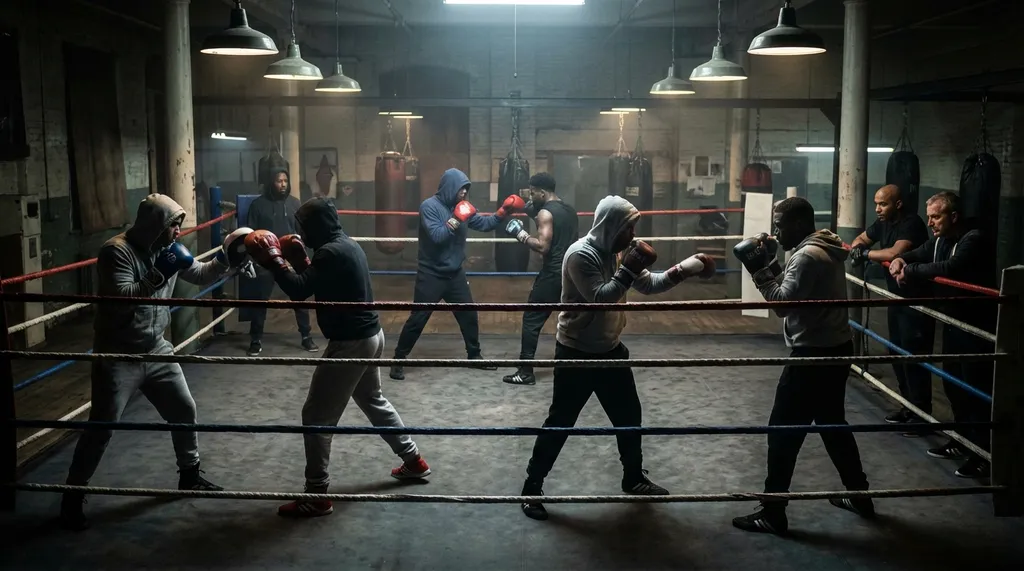
The Adult Recreational class is where most members begin.
If you want the wider picture, read our Boxing by Age guide. For related routes into the cluster, read Boxing for Men Over 40, Boxing for Women Over 40, Boxing in Your 60s, and Boxing in Your 70s.
H&G Team
Writer at Honour & Glory Boxing Club, a community boxing gym in Kidbrooke, South East London.
Was this page helpful?
Your feedback helps us improve this page
Got questions about what you just read?
ASK OUR AI ASSISTANT ✨MORE LIKE THIS
WANT TO JOIN US?
Book a free trial session and see what we're all about.
Claim a Free Trial