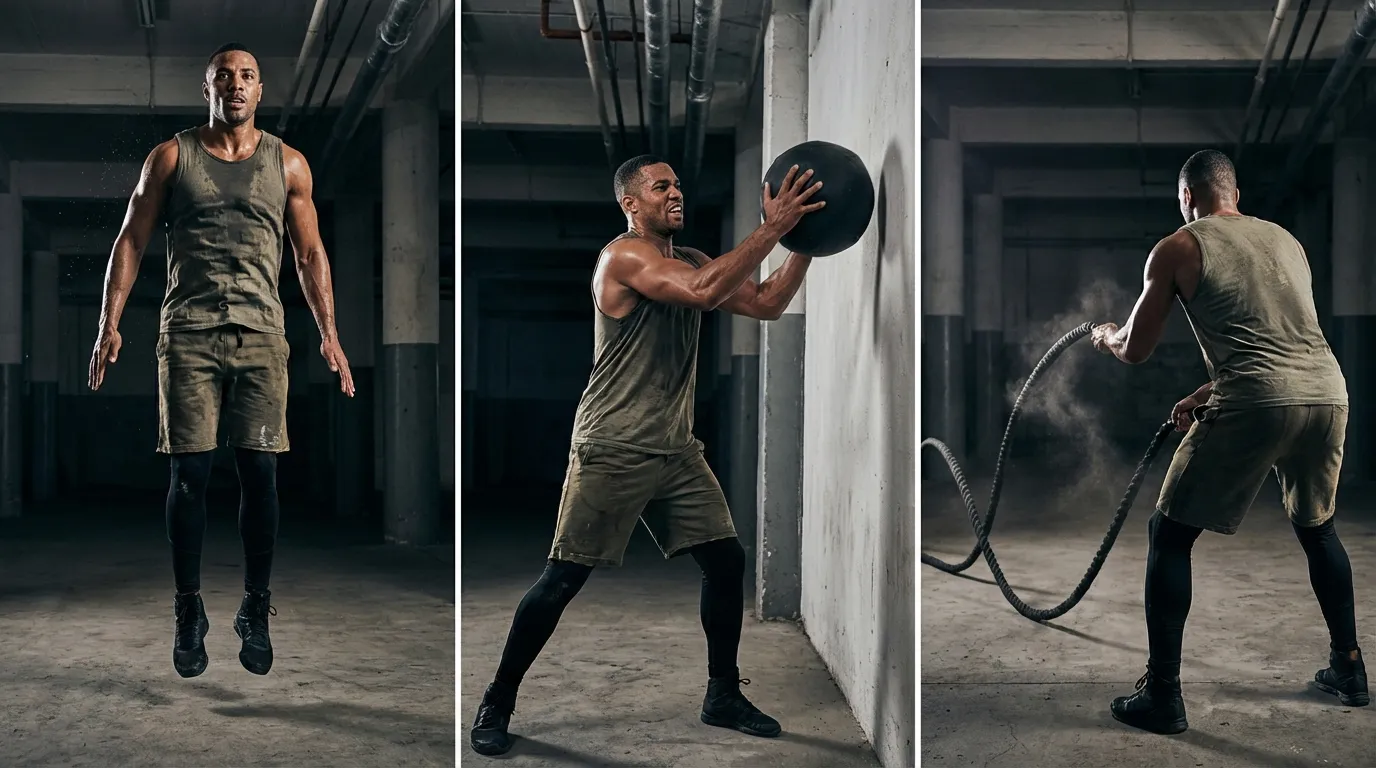
You can have the fastest hands and the most technical skills in the gym. None of it matters if you gas out in the second round.
Boxing conditioning is not just about being fit - it is about being fight fit. That is a specific type of endurance that keeps you sharp, powerful, and dangerous when everyone else is fading. Here is how to build it.
What Boxing Fitness Actually Means
A marathon runner is fit. A sprinter is fit. Neither type of fitness translates perfectly to boxing.
Boxing demands:
- Repeated explosive efforts. You do not throw punches at a steady pace. You explode, recover, explode again.
- Recovery while active. Unlike most sports, you cannot stop between efforts. Even when you are not punching, you are moving, defending, positioning.
- Sustained mental focus under fatigue. When you are tired, you still need to make smart decisions. Fatigue cannot just be physical - your brain has to stay sharp.
- Round-based energy management. Three-minute rounds with one-minute rests. You need to manage effort across that structure.
This is why boxers train differently from other athletes.
The Energy Systems
Your body uses different systems to create energy:
- ATP-PC system. Immediate power for 10-15 seconds. This is your explosive punch power.
- Glycolytic system. Medium-term energy for 30-120 seconds. Sustained combinations and aggressive pressure.
- Aerobic system. Long-term endurance. Gets you through entire fights and long training sessions.
Boxing uses all three, often simultaneously. A good conditioning programme trains them all.
Building Your Aerobic Base
Before you can do high-intensity work effectively, you need an aerobic foundation. This is the engine that powers everything else.
- Roadwork (running). Traditional and still effective. 3-5 miles at a moderate pace, where you can hold a conversation but you are definitely working. Do this 2-3 times per week.
- Jump rope. As covered elsewhere, skipping builds boxing-specific aerobic fitness. 15-20 minutes of continuous skipping challenges your cardiovascular system.
- Swimming or cycling. Lower impact alternatives that build aerobic capacity without stressing your joints. Useful for recovery days or if you are carrying an injury.
The aerobic base takes 4-8 weeks to develop properly. Do not skip this phase - without it, everything else suffers.
High-Intensity Interval Training
This is where boxing conditioning gets specific. HIIT mimics the pattern of a fight: hard effort, partial recovery, hard effort again.
Basic Boxing HIIT Structure

- 3 minutes work / 1 minute rest
- Matches actual round timing
- 6-12 rounds depending on fitness level
Example HIIT Session
Round 1: Bag work at 70% intensity (source).
Rest: 1 minute, keep moving
Round 2: Bag work at 80% intensity (source).
Rest: 1 minute
Round 3: Bag work at 90% intensity (source).
Rest: 1 minute
Round 4: Shadow boxing, focus on movement
Rest: 1 minute
Round 5: Bag work at 90% intensity
Rest: 1 minute
Round 6: All-out effort, everything you have got
This teaches your body to produce power when fatigued and recover while still working.
Tabata Variations
The classic Tabata protocol (20 seconds max effort, 10 seconds rest, 8 times) works well for boxing conditioning:
- 20 seconds all-out punches on the bag
- 10 seconds rest (hands up, bouncing)
- Repeat 8 times
This four-minute session destroys you in the best way possible. It builds both your anaerobic capacity and mental toughness.
Circuit Training for Boxing
Circuits combine multiple exercises with minimal rest, keeping your heart rate elevated while working different muscle groups.
Example Boxing Circuit
Do each exercise for 45 seconds, rest 15 seconds between exercises, complete 3-4 rounds:
- Burpees - Full body explosive movement
- Shadow boxing - Combinations at 80% speed (source).
- Mountain climbers - Core and cardio
- Squats - Leg endurance
- Push-ups - Upper body and core
- High knees - Footwork cardio
Rest 1-2 minutes between rounds.
Advanced Boxing Circuit
For fighters with a solid base:
- Heavy bag power shots - 45 seconds
- Sprawls - 45 seconds
- Speed bag - 45 seconds
- Box jumps - 45 seconds
- Medicine ball slams - 45 seconds
- Plank hold - 45 seconds
This is brutal but effective. Do not attempt it until your basic conditioning is solid.
Sport-Specific Conditioning
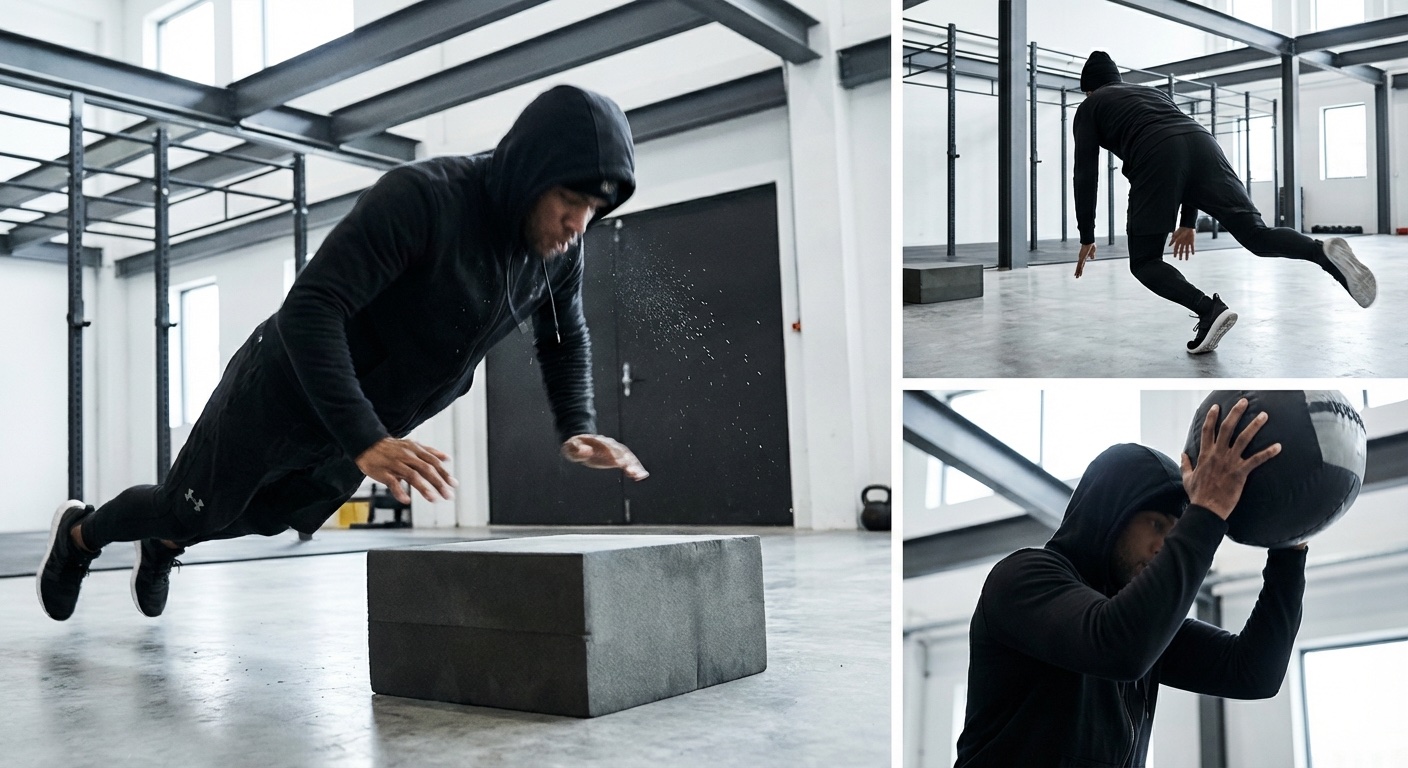
The best conditioning for boxing is boxing.
Pad Work
High-intensity pad rounds with a coach pushing the pace are some of the best conditioning you can do. You are throwing real combinations while moving, reacting, and staying mentally engaged.
Sparring Rounds
Nothing replicates the conditioning demands of fighting like actually fighting. Controlled sparring rounds teach your body what it is like to manage energy when someone is trying to hit you back.
Technical Sparring
Lighter sparring focused on movement and technique rather than power. You can go more rounds at lower intensity, building endurance while practicing skills.
Recovery and Conditioning
Here is something beginners miss: recovery is part of conditioning.
If you train hard every day without rest, you do not get fitter - you get overtrained. Your body builds fitness during recovery, not during the work itself.
Active recovery days: Light work like walking, swimming, or easy shadow boxing. Moving without stress helps repair happen faster.
Sleep: Non-negotiable. 7-9 hours lets your body rebuild. Chronic under-sleep destroys conditioning progress.
Nutrition: Your body cannot build fitness without fuel. Adequate protein, enough carbs to fuel training, and proper hydration.
Periodisation: Not every week should be maximum intensity. Build in easier weeks every 3-4 weeks to let accumulated fatigue dissipate.
A Sample Conditioning Week
Here is how a week might look for someone training boxing seriously:
Monday: Boxing class (technique and pad work) + 10 minutes skipping
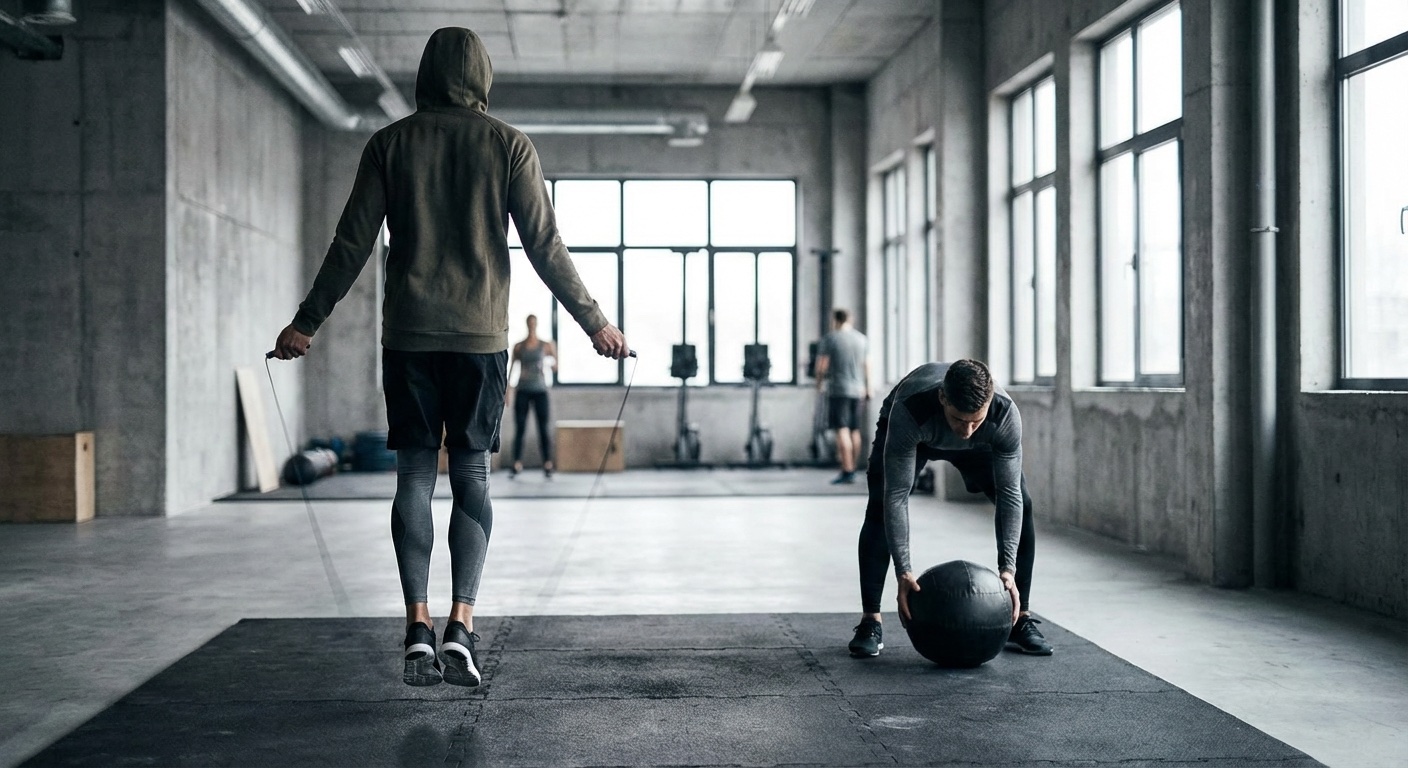
Tuesday: 30-minute run at moderate pace
Wednesday: Boxing class (sparring or heavy bag focus)
Thursday: Active recovery - light stretching, walking, foam rolling
Friday: HIIT session - 6 rounds of 3-minute intervals
Saturday: Boxing class or open gym - skill work
Sunday: Complete rest
This provides enough stimulus for adaptation without running you into the ground.
Signs You are Underconditioned
Watch for these warning signs that your conditioning needs work:
- Hands drop in later rounds because your shoulders are fried
- Punches lose power after the first minute
- Footwork gets sloppy when tired
- You take rounds "off" during training to recover
- Mental focus disappears with physical fatigue
If these sound familiar, prioritise conditioning work.
Signs You are Overdoing It
Going too hard creates problems too:
- Constantly tired, even on rest days
- Performance getting worse despite training hard
- Trouble sleeping
- Getting sick more often
- Mood changes and irritability
These indicate overtraining. Back off the intensity and prioritise recovery.
Building It Over Time
Conditioning is not built in weeks - it is built in months and maintained over years. Start where you are, progress gradually, and trust the process.
At Honour & Glory, conditioning is built into every class. You will finish sessions breathing hard and sweating, but you will also learn how to pace yourself and manage energy like a fighter.
Our coaches structure classes so you progressively build the stamina to handle anything we throw at you - literally.
H&G Team
Writer at Honour & Glory Boxing Club, a community boxing gym in Kidbrooke, South East London.
KEEP READING
Body Conditioning in Boxing: What It Is and Why It Matters
What body conditioning means in boxing, why it matters, and how to build it without wasting time.
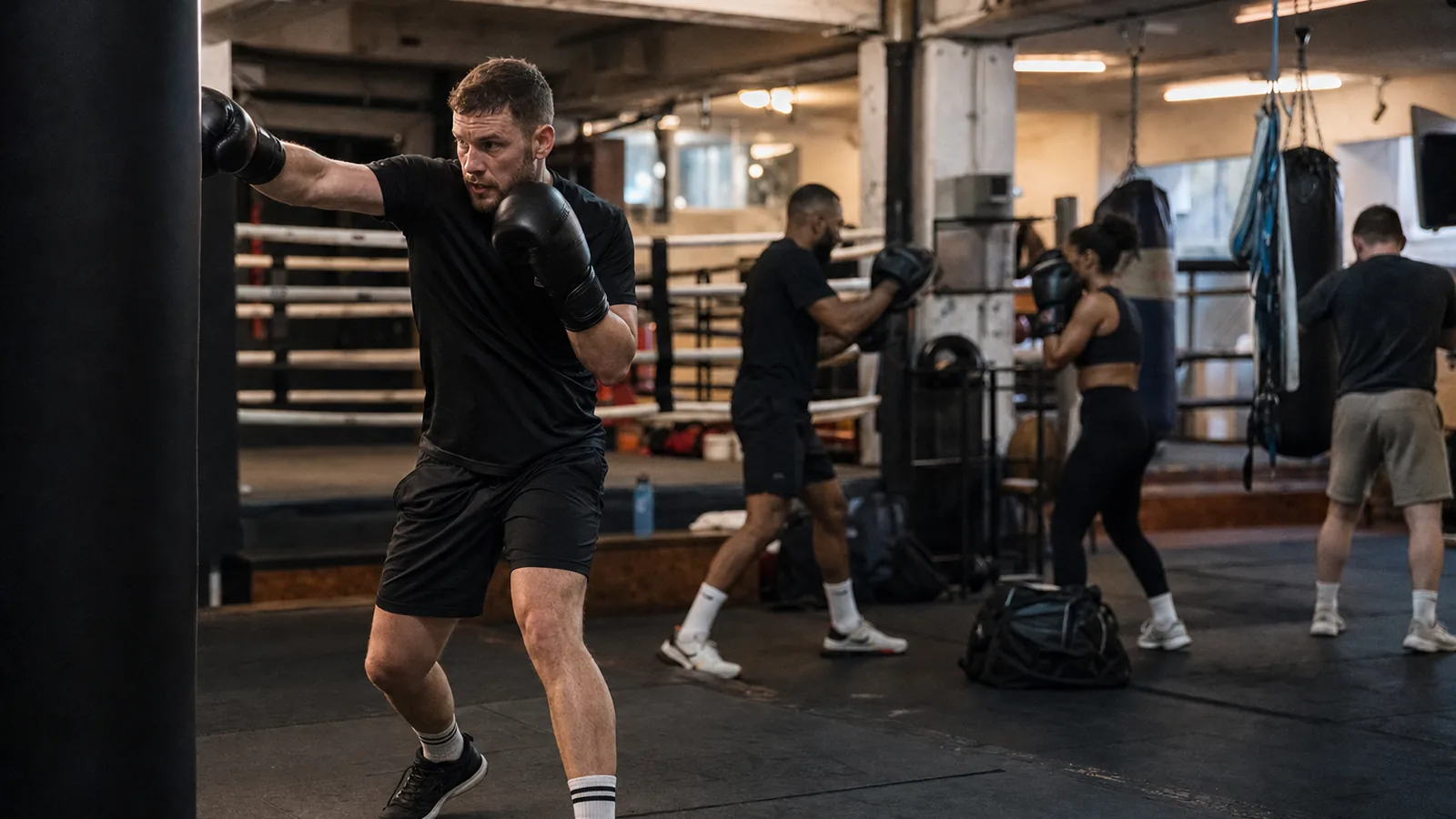
Boxing for Fitness Near Sidcup
Fitness-led boxing near Sidcup through coached bags, pads, movement and conditioning, with free group-class trial and paid PT kept separate.
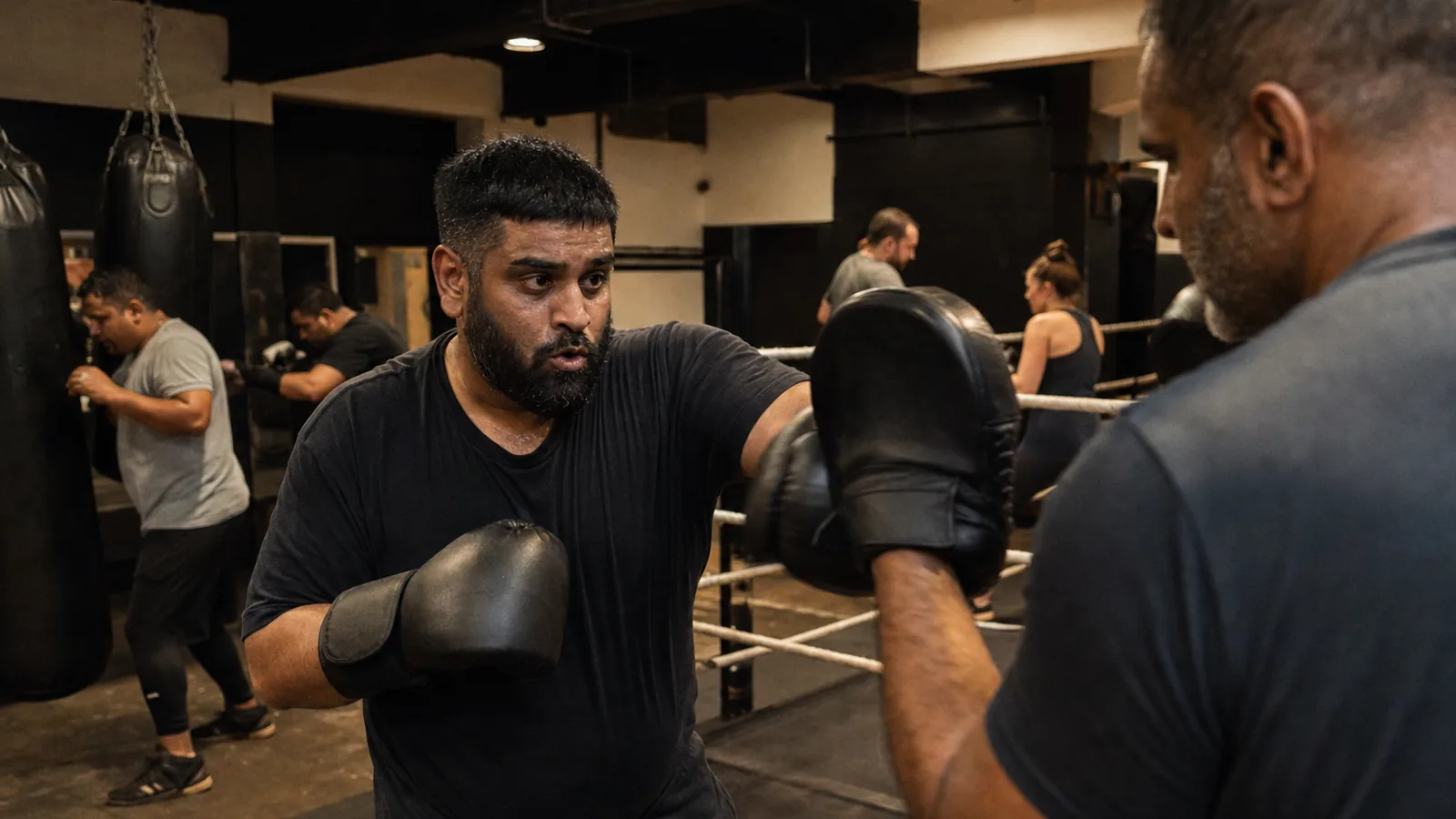
Boxing for Fitness Near Woolwich
Boxing fitness training near Woolwich: structured coaching, conditioning and a clear route to start at H&G in Kidbrooke.
Was this page helpful?
It takes one tap, and it genuinely helps.
Choose your next step
Turn this article into the right action
Some readers are ready to book. Some need the class route first. Pick the route that matches what you actually want.