Boxing and Bone Density: How Training Builds Stronger Bones
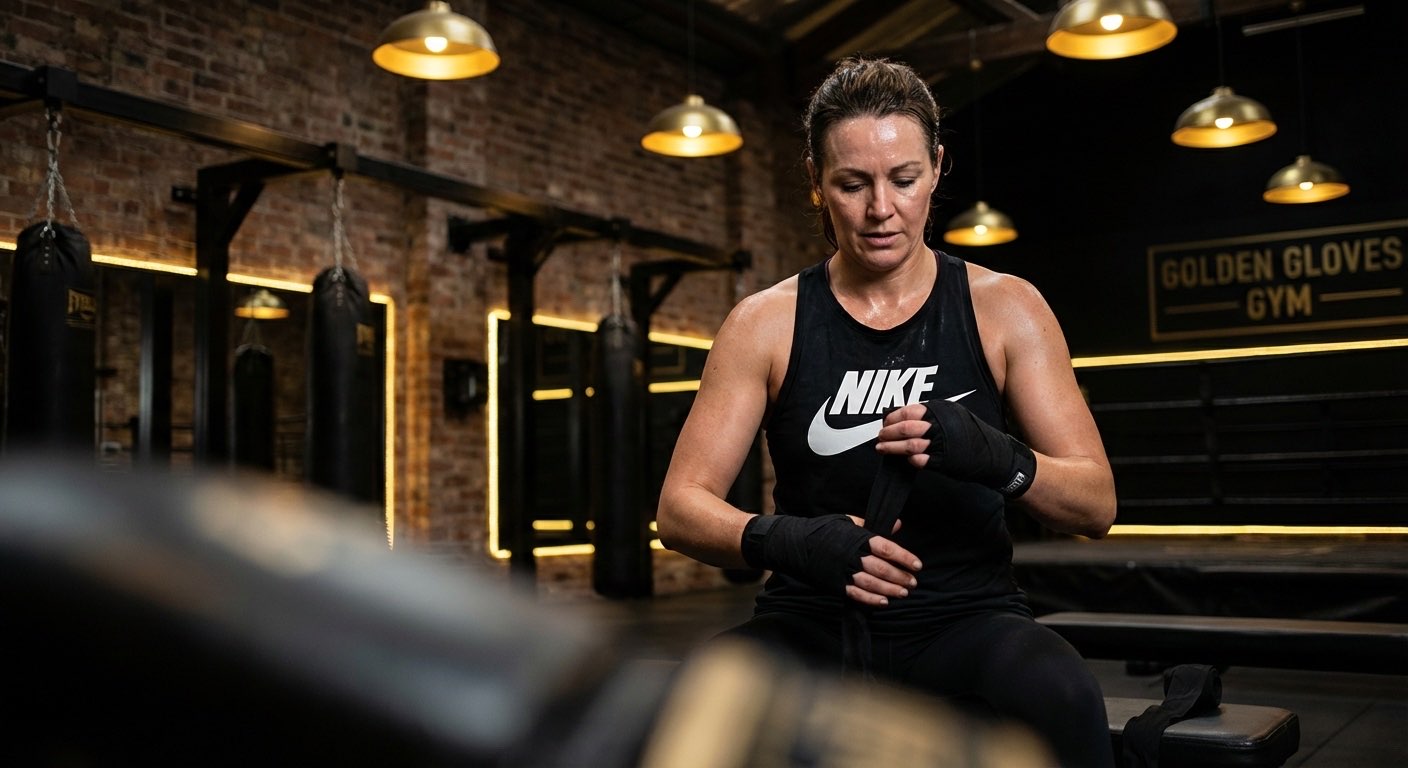
Most people walk into a boxing gym thinking about weight loss, stress relief, or learning to throw a proper jab. Almost nobody walks in thinking about their bones. But boxing and bone density have a closer relationship than you might expect, and for anyone over 35, that matters more than you probably realise.
Bone density peaks around age 30. After that, you start losing it. Slowly at first, then faster, particularly for women after menopause. According to the Royal Osteoporosis Society, around 3.5 million people in the UK have osteoporosis. One in two women and one in five men over 50 will break a bone because of it. The NHS spends over £4.7 billion a year treating fragility fractures.
Those are big numbers. But the practical question is simpler: what can you actually do about it?
Why boxing builds bone density
Bones respond to stress. When you load them, they adapt by getting denser and stronger. The NHS recommends weight-bearing exercise with impact for bone health, and boxing training ticks both boxes at once.
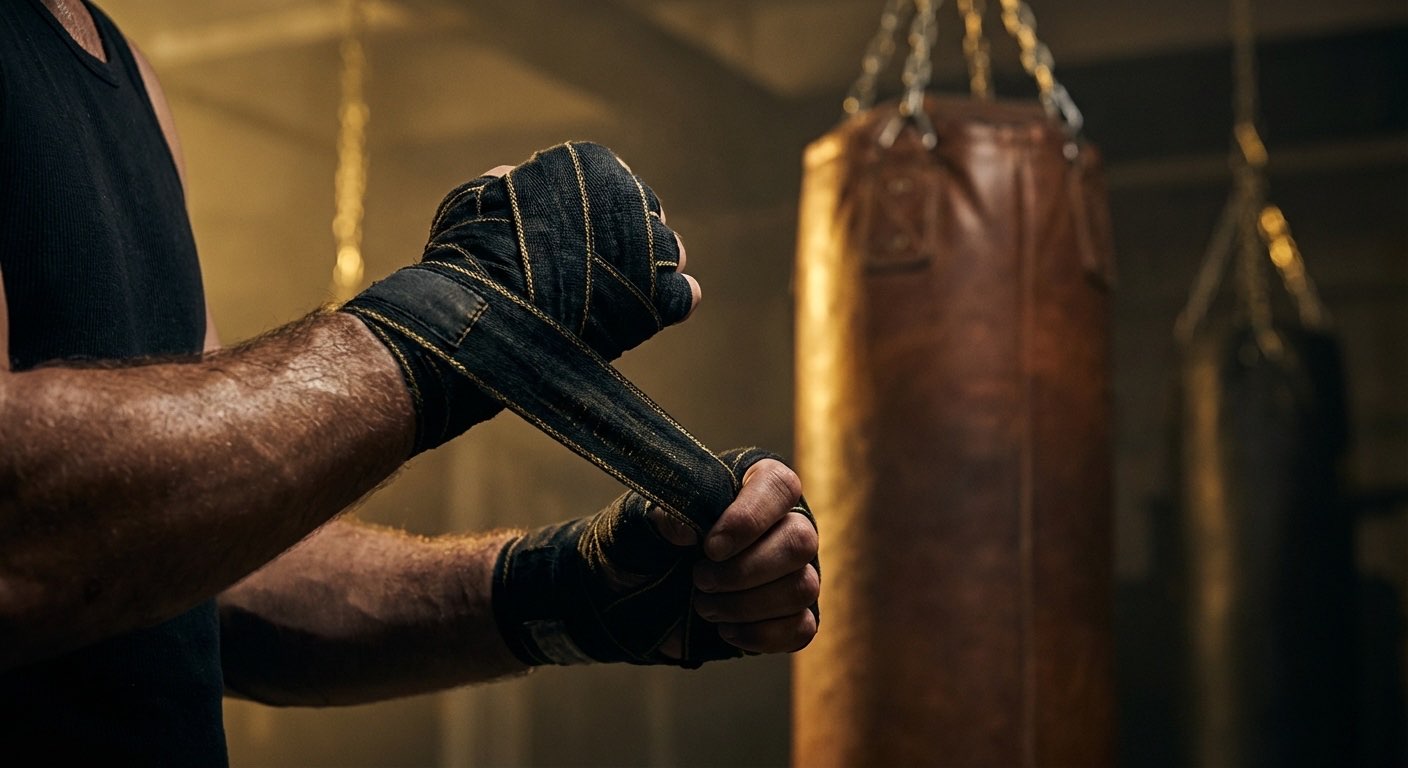
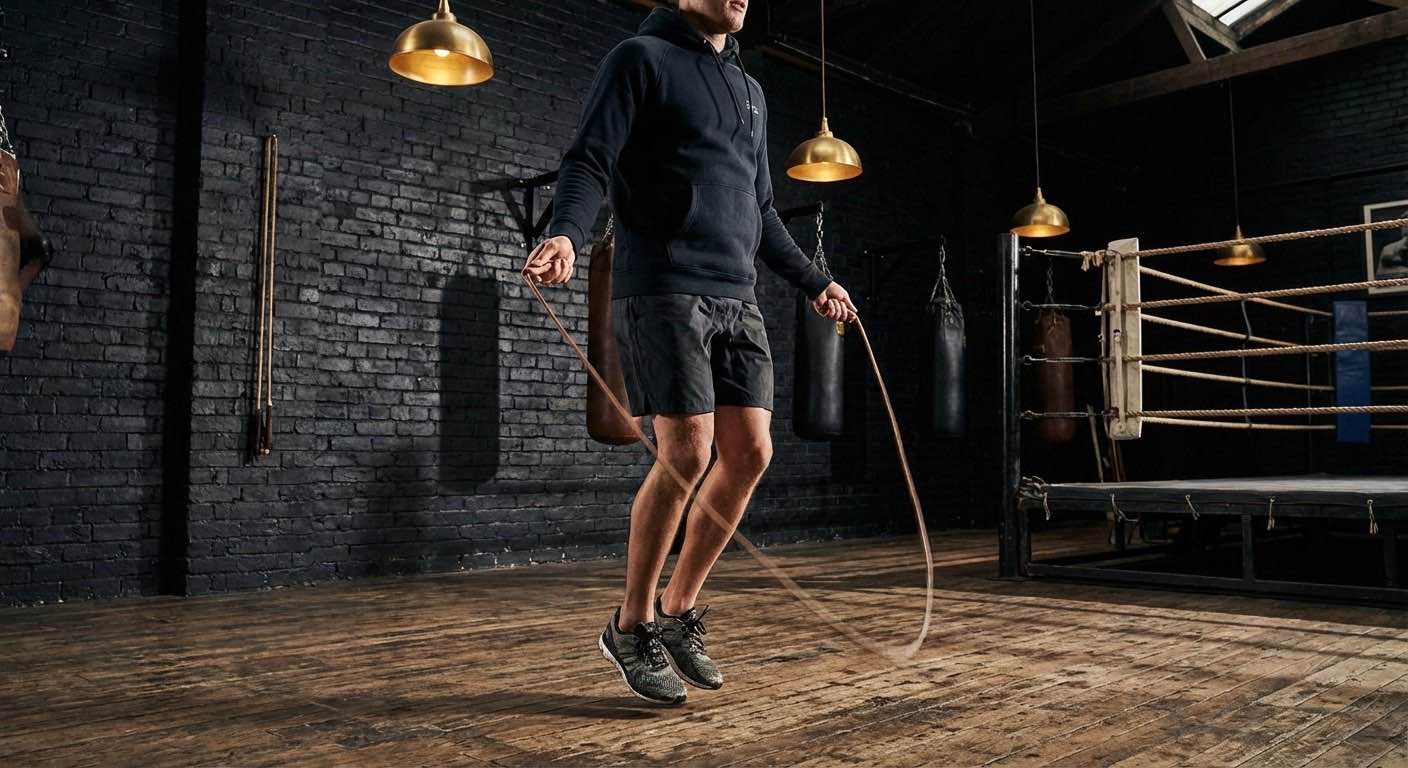
Think about what a typical session involves. Skipping rope - dozens of small impacts through your feet and ankles. Footwork drills - lateral movement, pivoting, shifting weight. Heavy bag work - every punch transfers force through your wrists, forearms, and shoulders. Bodyweight exercises - press-ups, squats, burpees. All of it loads your skeleton in ways that sitting on a stationary bike never will.
A systematic review published in the Revista Brasileira de Medicina do Esporte analysed 15 studies involving 1,368 participants across different combat sports. The conclusion was clear: combat sports training improves bone mass across all age groups and may help prevent osteopenia and osteoporosis.
The Royal Osteoporosis Society recommends about 50 moderate impacts on most days of the week for people without spinal fractures. A single boxing session easily exceeds that. Three rounds of skipping alone puts you well over the threshold.
The specific mechanisms
It helps to understand why boxing works differently from, say, swimming or cycling. Those are fine for cardiovascular fitness, but they are low-impact or non-weight-bearing. Your bones do not get the stimulus they need.
Boxing loads bones in three distinct ways:
Impact loading. Every time your foot hits the floor during skipping, every time you bounce on your toes between punches, your leg bones absorb and adapt to small shocks. The NHS specifically recommends weight-bearing exercise and impact activity for bone health.
Resistance loading. When your muscles contract to throw a punch, they pull on the bones they are attached to. Your shoulder, arm, and core bones all experience tension. Push-ups, pull-ups, and the resistance work that most boxing sessions include add to this. The Royal Osteoporosis Society recommends progressive resistance training on 2-3 days per week - most boxing programmes naturally include this.
Multi-directional loading. Running loads your bones in one direction. Boxing loads them forwards, backwards, laterally, and rotationally. That variety matters because bones strengthen along the lines of force they experience. The more directions, the more complete the adaptation.
Who benefits most
Anyone who trains consistently will see bone health benefits. But some groups have more to gain.
Women approaching or past menopause. Oestrogen protects bone density, and when levels drop during menopause, women can lose 10-20% of their bone mineral density in the transition period alone. That's a significant window where the right kind of exercise can slow or partially offset the loss. We see women in their 40s and 50s at H&G who came for fitness and discovered they were doing something meaningful for their long-term health without realising it.
People over 40 who've stopped playing sport. If you played football, netball, or did athletics in your teens and twenties, your bones benefited from all that impact. If you then spent 15 years doing nothing more strenuous than a jog, those benefits have been quietly eroding. Boxing brings back the kind of varied, high-impact movement your skeleton used to get.
People on weight-loss medications. There is growing concern that rapid weight loss from GLP-1 medications like Ozempic and Mounjaro can accelerate bone density loss. If you are using these medications, adding impact exercise becomes even more relevant.
Parents who want their kids to build peak bone mass. Childhood and adolescence are when you build your bone density reserve for life. Kids who do impact sports before their mid-twenties reach a higher peak, which means more to lose later. It is one of the less obvious reasons youth boxing is valuable beyond confidence and fitness.
What to do with this
You do not need to change your training to get bone benefits from boxing. If you are already training twice a week, you are already doing it. But a few things are worth thinking about.
Do not skip the skipping. It is one of the best bone-loading exercises in a boxer's routine. If you tend to arrive late and miss it, or you skip it at home because it feels basic, reconsider. Three minutes of skipping is worth more to your bones than thirty minutes on a rowing machine.
Include the bodyweight strength work. Press-ups, squats, lunges, planks. When your coach programmes these, they are not just filling time. Muscles pulling on bones is one of the primary mechanisms for stimulating bone growth. The Royal Osteoporosis Society specifically recommends progressive resistance training for bone health.
Train consistently rather than intensely. Bone adaptation happens over months and years, not weeks. Three sessions a week for a year beats six sessions a week for two months. Consistency is everything here.
Get your vitamin D and calcium checked. You can train perfectly and still lose bone density if your body does not have the raw materials to build with. A blood test from your GP takes five minutes. Many people in the UK are vitamin D deficient, particularly through winter, and a simple supplement can make a real difference. For the wider recovery picture, start with legal recovery supplements for boxing, not internet shortcuts.
The bigger picture
Bone health is not glamorous. Nobody films a TikTok about their DEXA scan results. But at Honour and Glory in Kidbrooke, we see members in their 40s, 50s, and 60s who started boxing for the obvious reasons - fitness, stress, something different from the usual gym routine - and ended up doing one of the best things they could for their skeleton without even planning to.
If you are already boxing, keep going. If you are thinking about starting, your bones are another good reason to stop thinking and book a session. You will not find "bone density" on any class timetable, but every round of skipping, every combination on the bag, and every press-up is quietly building a stronger frame underneath everything else.
H&G Team
Writer at Honour & Glory Boxing Club, a community boxing gym in Kidbrooke, South East London.
Was this page helpful?
It takes one tap, and it genuinely helps.
Choose your next step
Turn this article into the right action
Some readers are ready to book. Some need the class route first. Pick the route that matches what you actually want.