
Why Coaching Is Licensed
Boxing is a contact sport. The person teaching it carries direct responsibility for the safety of everyone in the gym. That is why coaching inside a properly affiliated boxing club is not left to self-certification.
The important point is this: there is not one single amateur coaching route in England.
There are two recognised amateur routes you need to understand:
- Amateur Boxing Alliance (ABA) - an independent, club-led amateur boxing body built around grassroots clubs, regional volunteers, member voting and domestic amateur competition.
- England Boxing - the official national governing body route, with the pathway into England squads, GB Boxing and Olympic-style competition.
Honour and Glory is an Amateur Boxing Alliance club. Our coaches hold ABA ratings, not England Boxing ratings. That matters because the qualifications are separate. If you qualify through the ABA, you are qualifying for the ABA system. If you qualify through England Boxing, you are qualifying for the England Boxing system. One pathway does not automatically make you licensed to operate inside the other.
The BBBofC (British Boxing Board of Control) is separate again. It manages professional boxing licences. A professional licence can be highly valuable, but it is not the same thing as an amateur coaching qualification.
The two amateur coaching pathways
Amateur Boxing Alliance route
The ABA route is the relevant route for Honour and Glory.
The ABA publishes its own coaching course listings, including assistant and full coaching courses, first aid, safeguarding and judging course information by region. The Alliance describes itself as managed by regional volunteers and dedicated to grassroots amateur boxing.
The practical difference is not cosmetic. ABA affiliation gives clubs a grassroots, member-led model. The Alliance states that rule changes require a majority vote from members, that it operates regional registration, and that amateur coaches who also hold a professional licence can coach and corner their amateur boxers.
For clubs like Honour and Glory, that last point matters. Head coach Anton Pattenden holds a BBBofC professional licence as well as ABA coaching credentials. Under the ABA model, the coach preparing a boxer in the gym can stay with that boxer on fight night. That continuity is one of the reasons many grassroots clubs prefer the Alliance pathway.
England Boxing route
England Boxing has three main coaching levels:
- Level 1 Assistant Coach
- Level 2 Full Coach
- Level 3 Senior Coach
The England Boxing Level 1 course is for people who want to assist a Level 2 coach inside an England Boxing-affiliated club. England Boxing says delegates must be 17 to take the course and 18 to register as a coach.
The England Boxing Level 2 Full Coach course is the next step. It allows successful candidates to deliver sessions independently, supervise sparring and run an England Boxing club, subject to the rest of the England Boxing registration requirements.
This is the right route if your coaching goal is specifically to work inside an England Boxing club, second boxers under England Boxing rules or move towards the England Boxing performance pathway.

Which route should a new coach choose?
Choose the route that matches the club you are actually going to coach in.
If you are joining an ABA club, ask that club about the ABA course route and the regional course dates. You will still need proper safeguarding, DBS and first aid standards, but your coaching rating sits inside the ABA system rather than the England Boxing system.
If you are joining an England Boxing club, ask that club about the England Boxing Level 1 and Level 2 route. You will need to follow their registration, DBS, safeguarding, first aid and membership requirements.
Do not choose a course because it sounds more official on paper. Choose the governing body that matches the club, competition calendar and coaching environment you will actually work in.
Why Honour and Glory is an ABA club
Honour and Glory is an ABA-affiliated club because the Alliance model fits how we coach.
The benefits are practical:
- Grassroots governance, run through regional volunteers and member clubs.
- More direct club influence over rule changes and competition structure.
- A domestic amateur circuit that suits developing boxers step by step.
- The ability for properly licensed professional coaches to coach and corner their amateur boxers.
- Clear safety and registration requirements without forcing every club into the England Boxing performance pathway.
The ABA is the better fit for many grassroots clubs whose priority is local development, club autonomy and continuity between gym coaching and fight-night corner work. That is not about talking down England Boxing. For boxers and coaches whose goal is Olympic-style selection, England representation or GB Boxing, England Boxing is the correct pathway.
The BBBofC pathway (professional boxing)
If your goal is coaching in professional boxing, the BBBofC licence is the relevant professional qualification.
The BBBofC route is separate from both amateur pathways. Holding an ABA or England Boxing qualification does not automatically qualify someone to work a professional corner. Holding a BBBofC licence does not automatically make someone registered to coach inside every amateur system either.
The right question is always: which system are you coaching under?
What qualifications do not teach
A qualification gives the technical, safety and regulatory framework. It does not, on its own, make someone a good coach.
The coaching skill that matters develops through years of applied work: watching boxers carefully, correcting small technical faults, managing confidence, preparing people for pressure, and knowing when a young boxer needs patience rather than more intensity.
These skills come from working under an established head coach and being trusted with responsibility gradually.
The reality of coaching pay
Most grassroots boxing coaching in the UK is voluntary or minimally paid. Community clubs operate on thin margins, and coaching is often carried by commitment rather than salary.
Some coaches supplement through personal training, which pays better and can be done independently. But the motivation for coaching at community level is rarely financial.
At Honour and Glory, Head Coach Anton Pattenden holds ABA and BBBofC credentials. The club's coaches are involved in developing members from recreational beginners through to the competitive ABA pathway.
The Adult Competitive class is where competitive coaching development is most visible.

Claim a free trial session at Honour and Glory Boxing Club.
If assistant coaching is your first step
If you are not ready for the full coaching pathway yet, start with how to become an assistant boxing coach in the UK. Read it with the same distinction in mind: ABA and England Boxing are separate amateur systems, and the correct first step depends on the club you are joining.
If you are also thinking about boxing as work, read how much money do boxers make in the UK?.
H&G Team
Writer at Honour & Glory Boxing Club, a community boxing gym in Kidbrooke, South East London.
KEEP READING

How to Get Into Competitive Boxing in the UK
The route from your first boxing session to competing as an amateur in the UK is clear and structured. Here is the complete pathway, including timelines and what to expect.
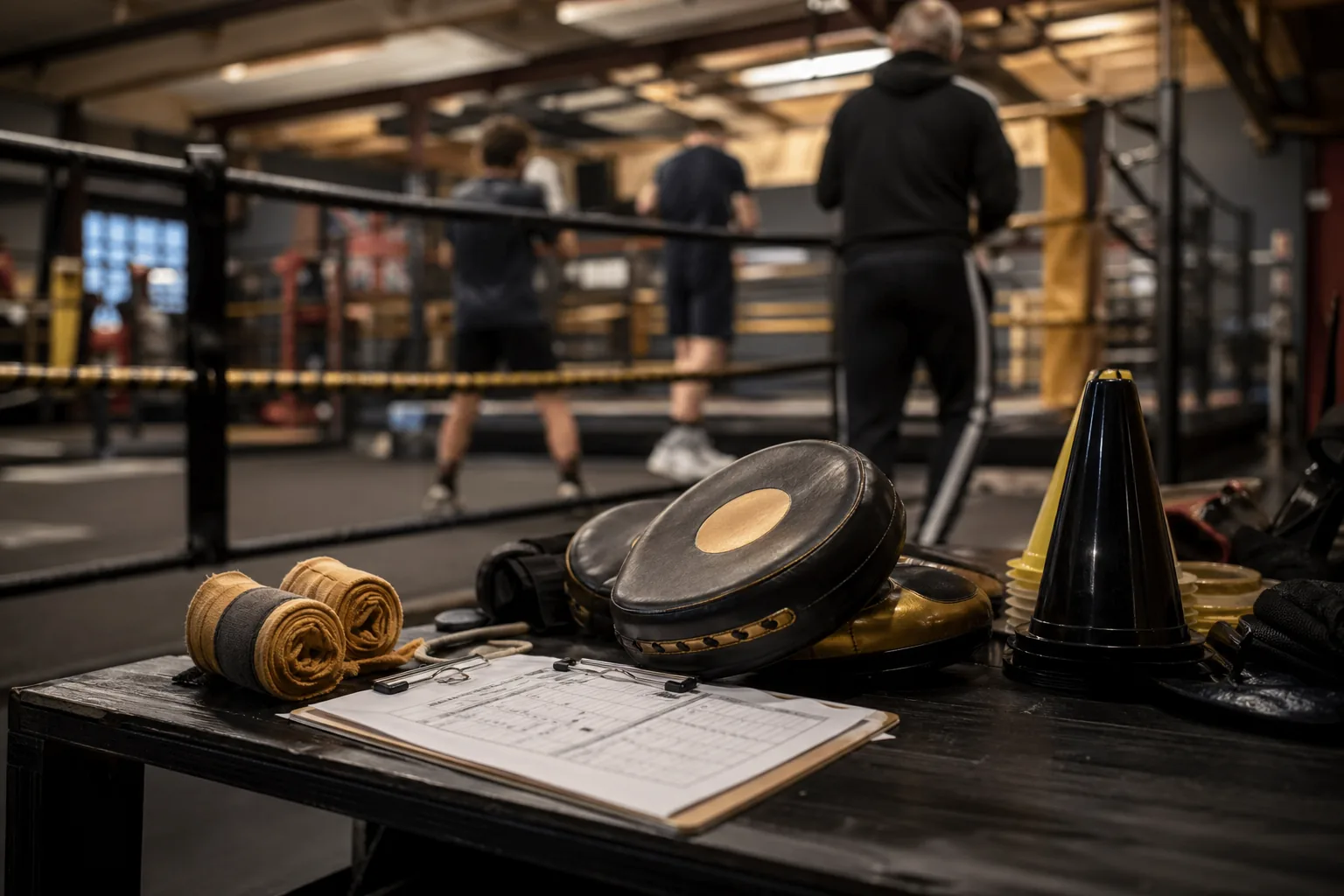
How to Become an Assistant Boxing Coach in the UK
Assistant coaching is the realistic first step into boxing coaching, but the correct Level 1 route depends on whether your club is with the Amateur Boxing Alliance or England Boxing.
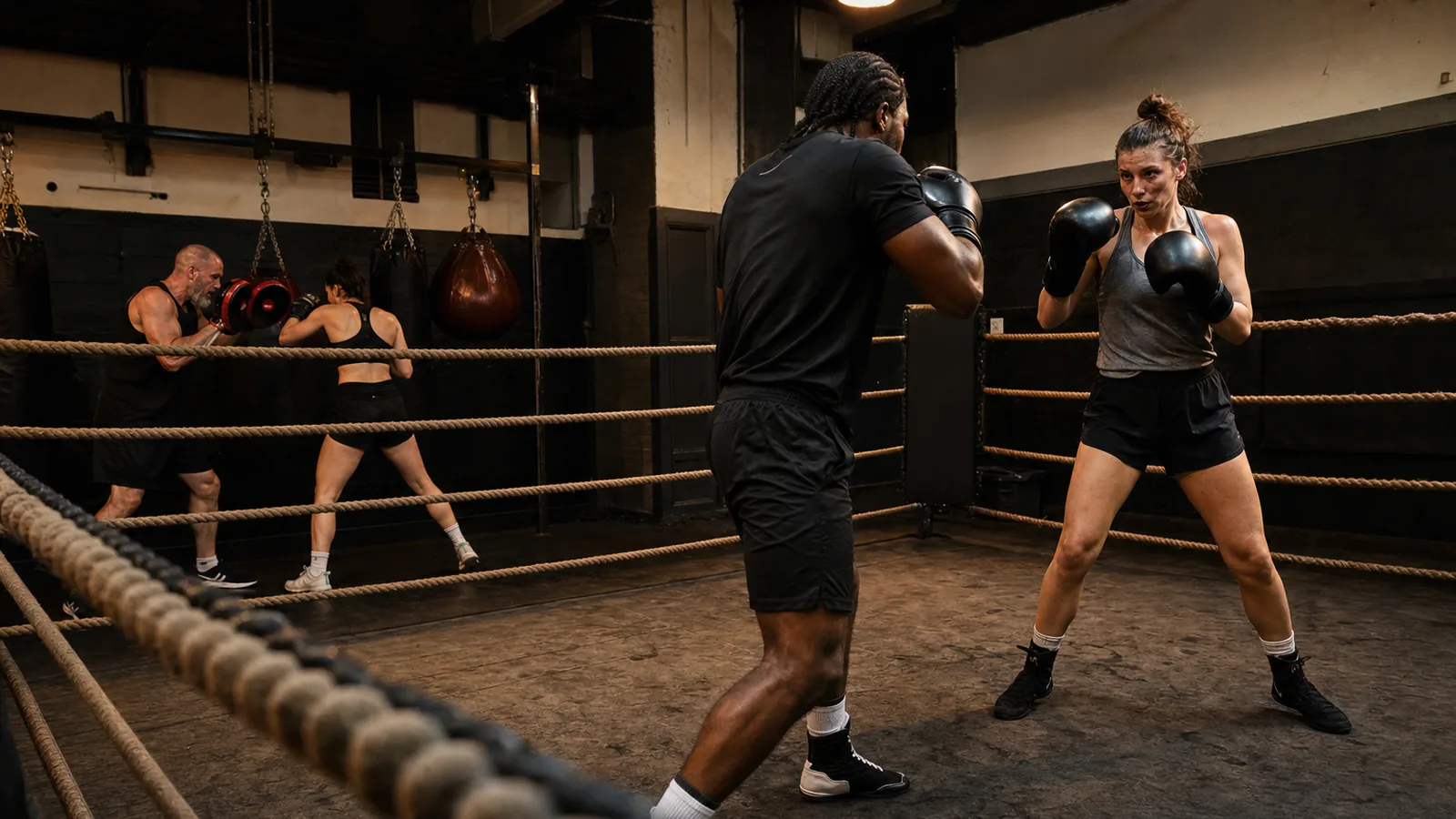
Starting Amateur Boxing Near Orpington
Thinking about competitive boxing near Orpington? Here is what the amateur pathway actually looks like from first session to first bout - and what it demands of you.
Was this page helpful?
It takes one tap, and it genuinely helps.
Choose your next step
Turn this article into the right action
Some readers are ready to book. Some need the class route first. Pick the route that matches what you actually want.