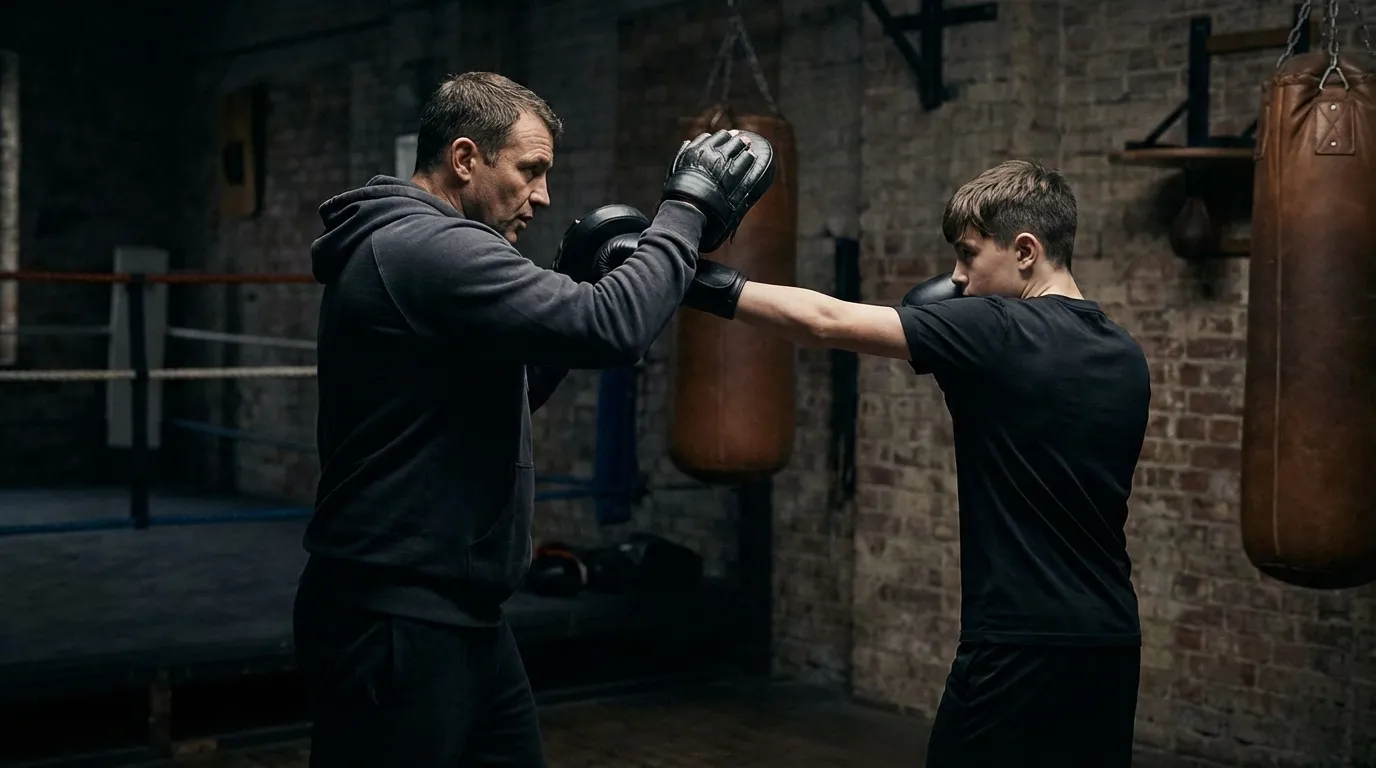
Research on martial arts and self-defence effectiveness consistently identifies boxing as one of the most practically effective combat sports for real-world situations. England Boxing's participation data shows self-defence motivation as one of the top reasons adults take up boxing.
"But does it work in a real fight?"
It is the question every martial art gets asked, and boxing is no exception. If you are considering learning to box partly for self-defence, you deserve an honest assessment of what boxing can and cannot do for you on the street.
The short answer: boxing is really useful for self-defence, with some important caveats. Here is the longer answer.
What Boxing Teaches That Helps in Self-Defence
You Learn to Throw Proper Punches
The average person has no idea how to punch effectively. They swing wildly, telegraph their intentions, lose balance, and often hurt their own hands more than their target.
A trained boxer knows how to generate power efficiently, protect their hands, and land punches accurately. This is a significant advantage over untrained attackers - which describes the vast majority of people.
One clean, well-placed punch from a trained boxer can end a confrontation before it escalates. The jab alone - often dismissed as a "range finder" - becomes a genuine weapon when thrown properly.
You Get Comfortable Being Hit
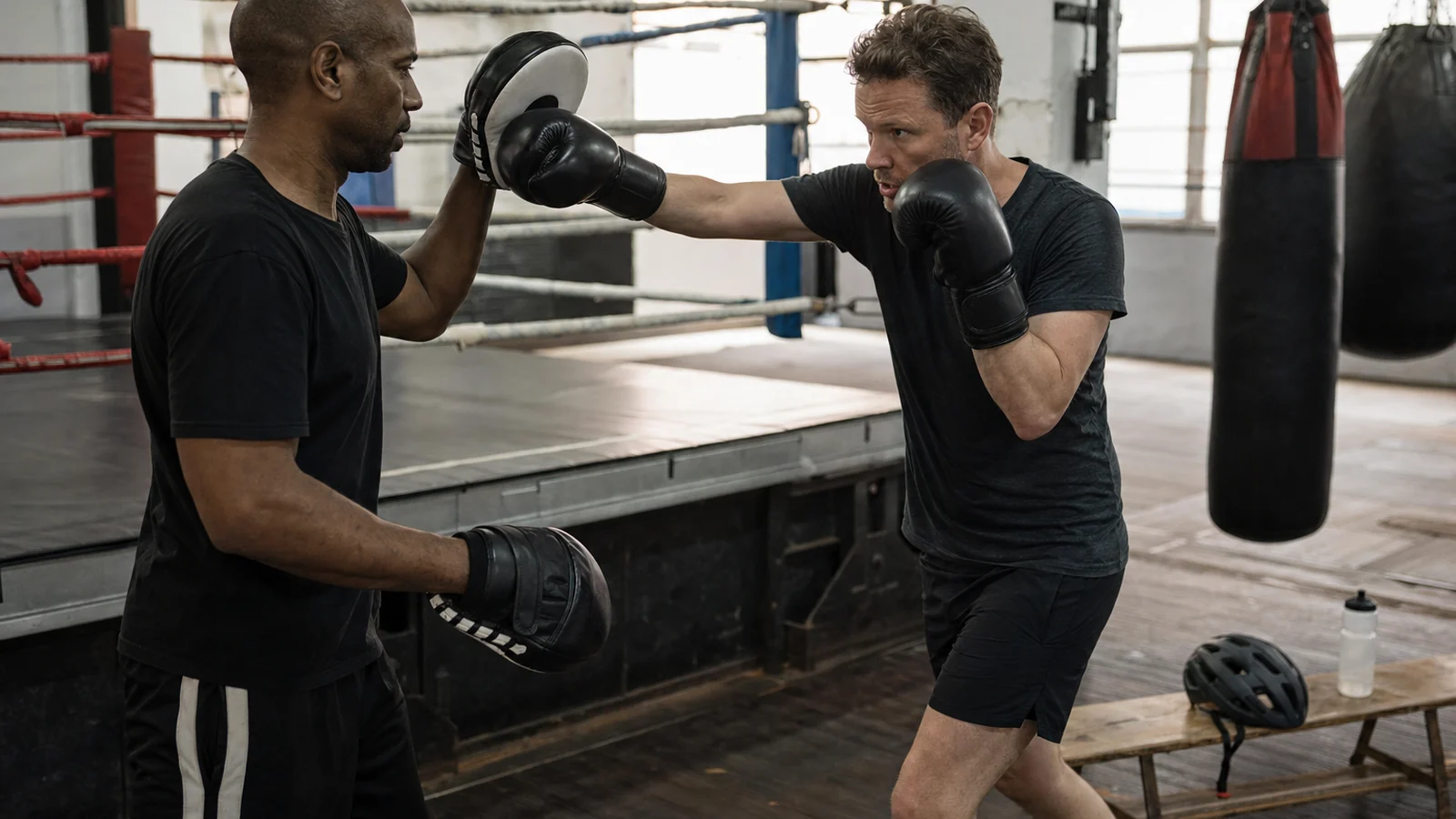
Perhaps the most underrated aspect of boxing training is learning to take a punch. Sparring teaches you what getting hit feels like, and more importantly, that you can continue functioning after it happens.
Most people freeze when punched. They have never experienced it and do not know how to respond. Boxers have been hit thousands of times in training. Getting punched does not feel pleasant, but it is not the paralysing shock it is for the untrained.
This experience with violence - even controlled violence - creates calm under pressure that untrained people simply do not have.
Distance Management and Footwork
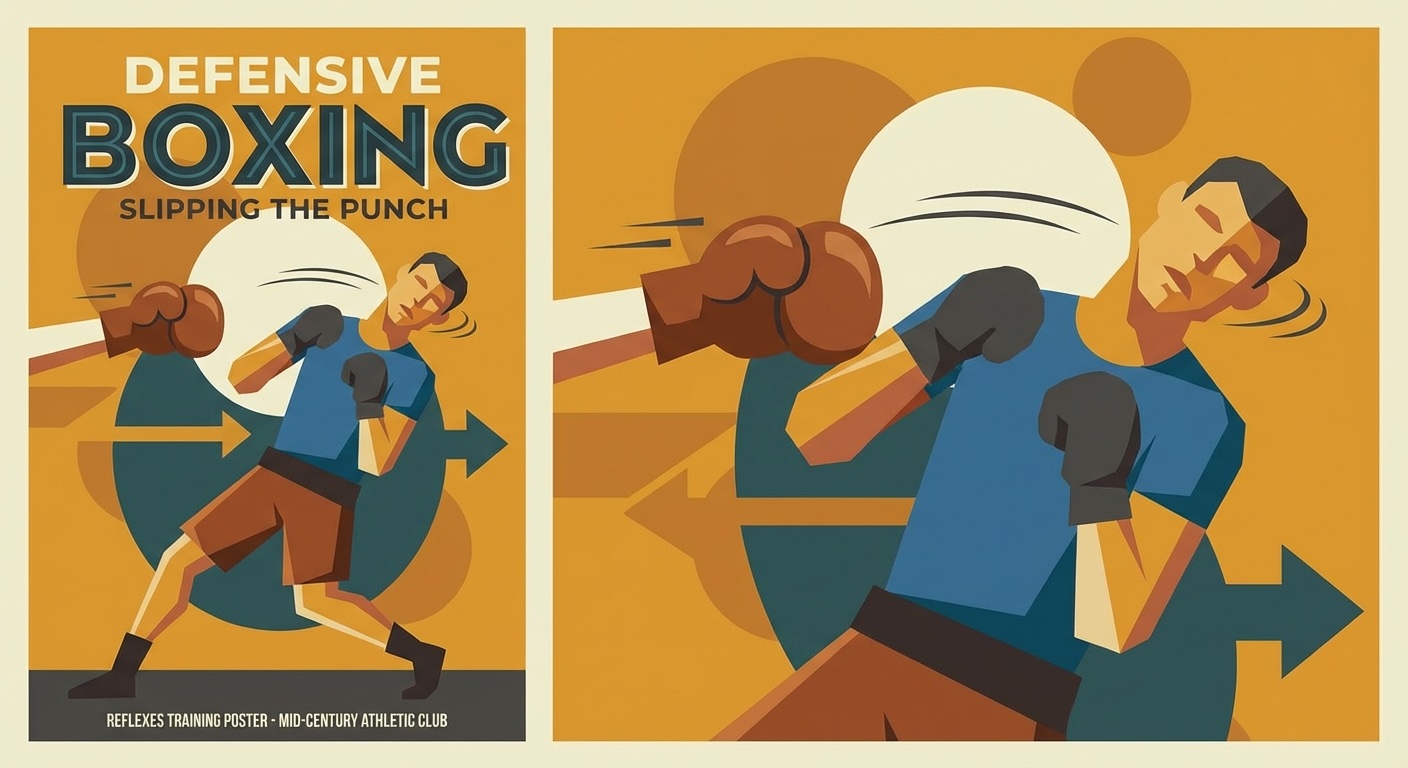
Boxers learn to control distance instinctively. They know when they are in range, when they are safe, and how to move between those positions.
In a self-defence situation, distance management helps you:
- Stay out of range until you choose to engage
- Close distance effectively if you need to strike
- Create space to escape
- Avoid being backed into corners
Footwork also helps you stay balanced and mobile on uneven surfaces. While a boxing ring is flat canvas, the principles of balance and movement transfer to real-world environments.
Fitness and Conditioning
Boxing training builds a particular kind of fitness - the ability to explode with power repeatedly while maintaining enough cardio to keep going.
In a self-defence situation, being significantly fitter than your attacker is a major advantage. You can move faster, hit harder, and maintain your capacity longer. Many street confrontations are won by whoever gasses out last.
Staying Calm Under Pressure
Sparring and competition teach you to think while under physical threat. Your heart rate is elevated, someone's trying to hurt you, and you need to make decisions quickly.
This experience is invaluable. Most people have never been in physical confrontations and panic when they occur. Trained fighters have practiced maintaining composure and can actually execute techniques when stressed.
The Limitations of Boxing for Self-Defence
Boxing Only Uses Hands
The most obvious limitation: boxing teaches punches only. No kicks, no knees, no elbows, no grappling, no ground fighting.
Real confrontations do not follow rules. If someone kicks your legs, shoots for a takedown, or grabs you in a clinch, pure boxing does not have explicit answers for these situations.
This is not a fatal flaw - boxing still works against most untrained attackers - but it is a gap in the toolkit.
Boxing Assumes a Fair Fight
Boxing trains you for one-on-one confrontation with agreed rules. Street situations may involve:
- Multiple attackers
- Weapons
- Ambushes without warning
- Environments where footwork is limited
The skills transfer, but the context is different. Boxing does not train you to check for friends of your attacker or to be aware of improvised weapons.
Boxing Does not Cover Ground Fighting
If a fight goes to the ground - which happens frequently - boxing offers limited help. A trained grappler or wrestler who gets you down will control you regardless of your punching ability.
This is why many self-defence experts recommend some grappling training alongside striking. You do not need to be a submission artist, but understanding basic ground positions and escapes is valuable.
Boxing Trains with Gloves
The 10-16oz gloves used in training and competition change things. They protect your hands and allow you to punch repeatedly to the head without immediate damage.
Bare-knuckle punching to the skull is risky - you can easily break your hand on someone's forehead. Experienced boxers know to modify their approach without gloves (more body shots, palm strikes, focusing on softer targets).
Ring Awareness vs Street Awareness
Boxing trains ring awareness - where the corners are, how to cut off the ring, using the ropes. Street awareness requires different skills: identifying exits, spotting weapons, reading group dynamics.
These are learnable skills, but boxing training does not specifically develop them. You need to think about self-defence context separately.
How Boxing Compares to Other Martial Arts for Self-Defence
Boxing vs MMA
MMA is more complete for self-defence because it covers striking and grappling. However, it takes longer to develop competence across all areas. Boxing lets you build effective striking skills relatively quickly.
Verdict: MMA is theoretically better, but six months of boxing may give you more usable skills than six months split across multiple disciplines.
Boxing vs Muay Thai
Muay Thai adds kicks, knees, elbows and clinch work. For pure self-defence, this broader toolkit has advantages. Leg kicks can end confrontations, and the clinch game is directly applicable to real fights.
Verdict: Muay Thai has a slight edge for self-defence, but boxing is still highly effective.
Boxing vs Brazilian Jiu-Jitsu
BJJ dominates ground fighting but has limited standing tools. Pure BJJ practitioners can struggle against competent strikers who maintain distance.
Verdict: Depends on the situation. On the ground, BJJ wins. Standing at range, boxing wins. Ideally, learn both.
Boxing vs Krav Maga
Krav Maga is specifically designed for self-defence, including weapons defence and multiple attackers. However, many Krav Maga schools lack the pressure testing (sparring) that boxing provides.
Verdict: Krav Maga's curriculum is more self-defence focused, but boxing's training methodology may produce more reliable skills under pressure.
What Makes Boxing Particularly Good for Self-Defence
Despite its limitations, several factors make boxing an excellent self-defence foundation:
Realistic Training
Boxing gyms spar. You test your skills against resisting opponents regularly. This pressure testing is absent from many martial arts that claim self-defence effectiveness.
Techniques that work in sparring probably work for real. Techniques never tested against resistance are questionable.
Fast Learning Curve
The limited focus of boxing - just hands, no kicks or grappling - means you can develop functional skills relatively quickly. A year of dedicated boxing training produces someone who can really fight.
Other martial arts with broader curriculums may take longer to produce practical ability.
Easy to Find Quality Training
Boxing gyms exist everywhere. Finding competent coaching is relatively easy compared to more niche martial arts.
The quality of instruction matters more than the art itself. A well-taught boxer beats a poorly-taught MMA practitioner.
Applicable Against Most Threats
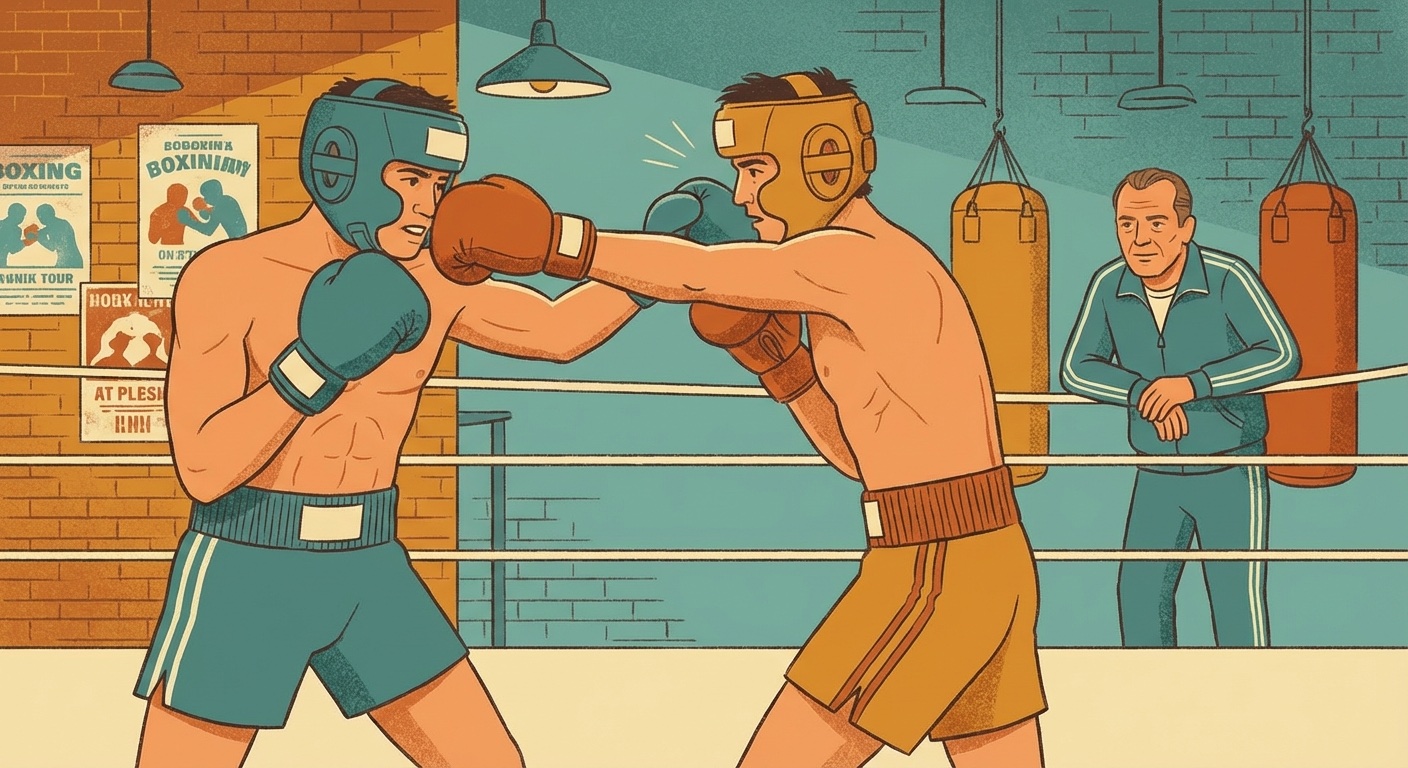
The reality: most potential attackers are untrained. They throw wild punches, lack cardio, and have never been in serious fights.
Against untrained opposition, boxing is highly effective. You do not need ground game or kick defence for someone who is never trained anything.
Practical Self-Defence Advice for Boxers
If self-defence is a priority alongside your boxing training:
Awareness Comes First
The best self-defence is avoiding confrontations entirely. Pay attention to your surroundings, avoid risky situations, and do not let ego put you in danger.
Create Distance and Escape
Boxing gives you tools to create distance. Use them to escape rather than to "win" fights. The moment you can safely leave, leave.
Modify for No Gloves
Without gloves, favour body shots, use palm strikes to harder targets, and protect your hands. A broken hand eliminates your main weapon.
Accept Ground Fighting Gaps
If a situation goes to ground, your boxing skills have limited application. Consider adding basic grappling training, or at minimum, learn how to get back to your feet quickly.
Multiple Attackers Require Different Tactics
Boxing footwork helps you avoid being surrounded. Move laterally, try to line attackers up so you are only facing one at a time, and prioritise escape over engagement.
Our View
At Honour & Glory, we teach boxing because we believe it is a brilliant martial art and an excellent foundation for fitness, discipline, and yes - self-defence.
We are honest that boxing alone does not cover every possible scenario. No single martial art does. But the skills you develop through boxing training - fitness, composure under pressure, the ability to actually hit effectively - are really useful if trouble finds you.
More importantly, the confidence that comes from knowing you can handle yourself often prevents situations from escalating. People who've trained read differently than easy targets.
If self-defence is your primary motivation, boxing is an excellent choice. Not the only choice, but a highly practical one that will serve you well.
---
H&G Team
Writer at Honour & Glory Boxing Club, a community boxing gym in Kidbrooke, South East London.
Was this page helpful?
Your feedback helps us improve this page
Got questions about what you just read?
ASK OUR AI ASSISTANT ✨MORE LIKE THIS

WANT TO JOIN US?
Book a free trial session and see what we're all about.
Book a Free Trial