Boxing for Parkinson's Disease: What the Evidence Says
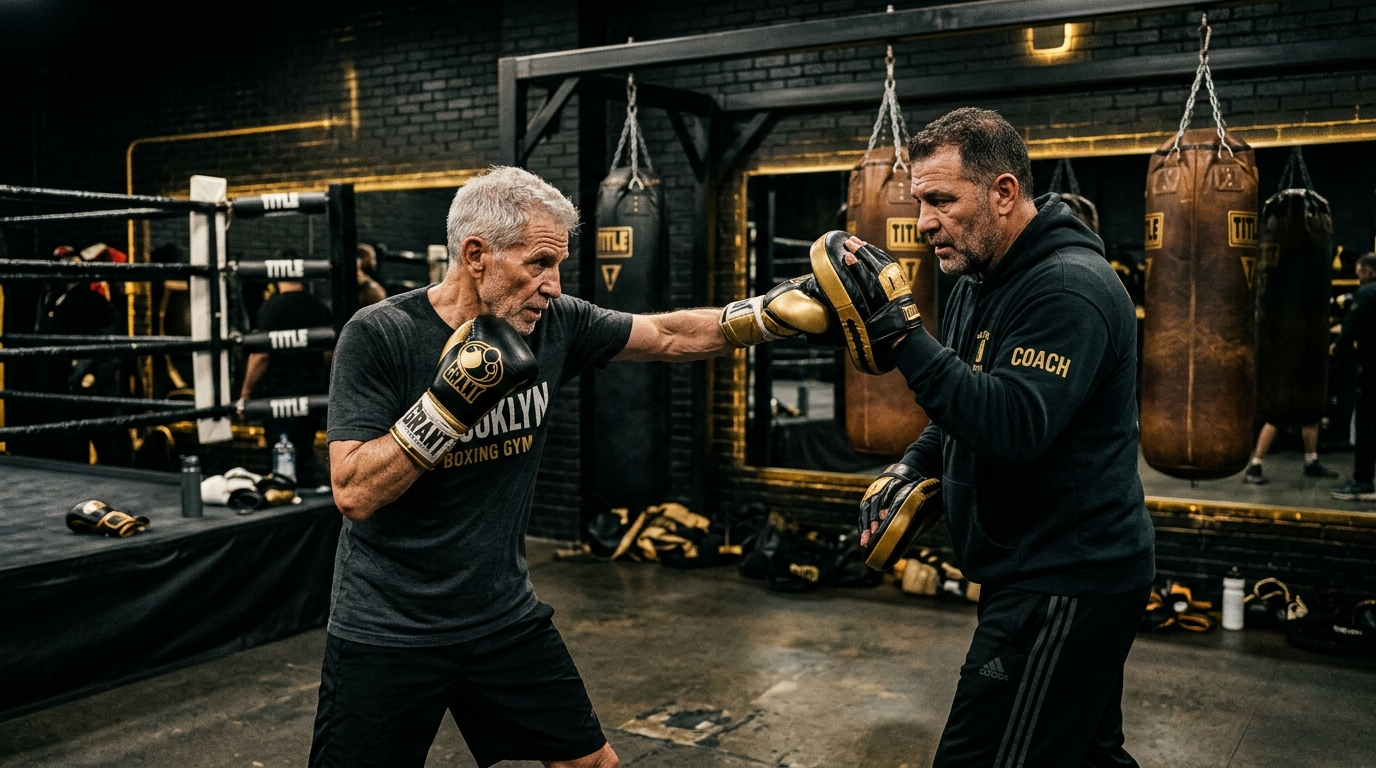
Most people don't associate boxing with neurological conditions. When you picture a boxing gym, you probably think of young athletes, competition, bags and pads. You probably don't picture someone managing tremors, balance problems, or a freezing gait.
But that picture is changing. Boxing for Parkinson's disease has become one of the most studied exercise therapies for people living with the condition - and the results are striking enough that in late 2024, Parkinson's UK and England Boxing announced a formal partnership to train coaches across the country to deliver it properly.
Here's what's actually known, and why this matters beyond the headlines.
What boxing for Parkinson's disease looks like in practice
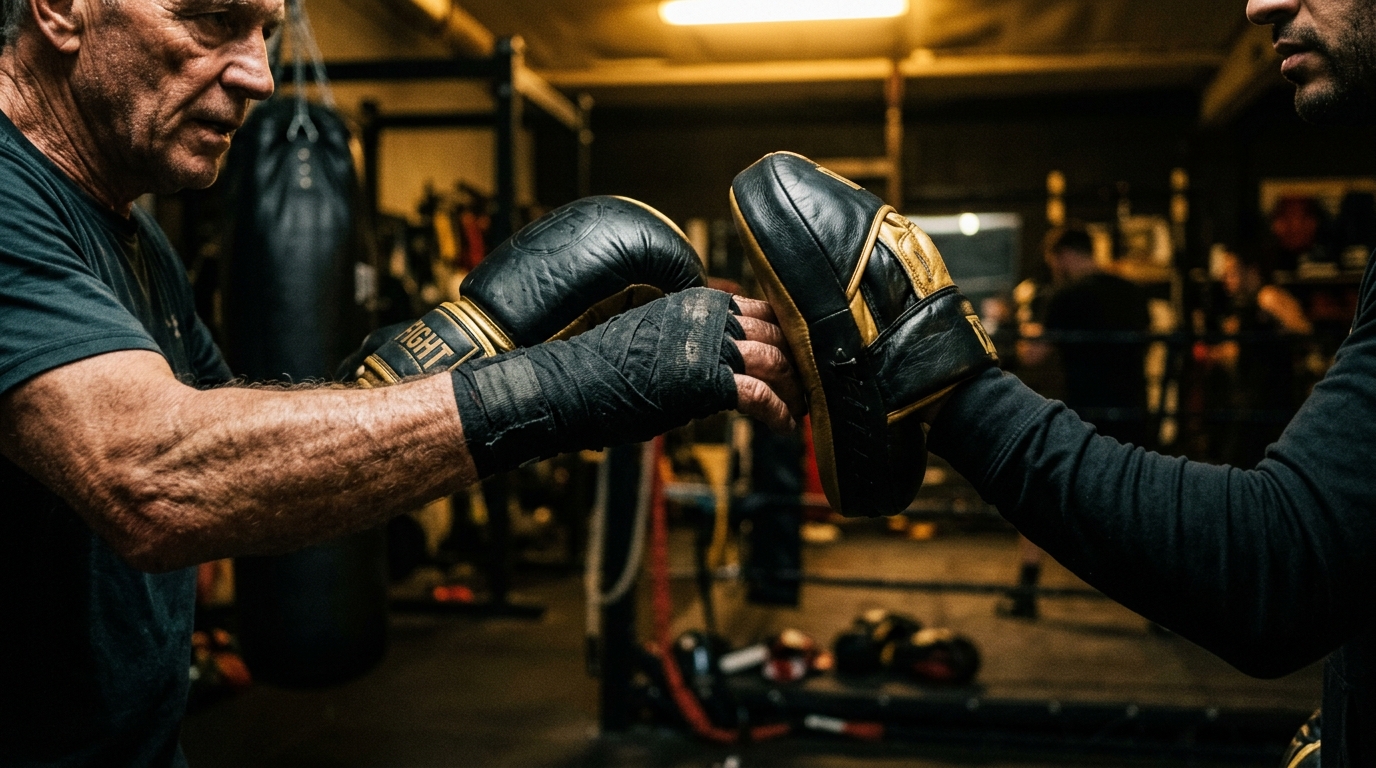
To be clear upfront: this is non-contact boxing. Nobody with Parkinson's is getting hit. Sessions involve pad work, heavy bag work, footwork drills, balance exercises, and coordination training - all adapted to the individual's ability and disease stage. Some participants do everything standing. Others work seated. The point is consistent, structured physical challenge.
Parkinson's UK describes boxing-based exercise as one of the most effective activity types for people with the condition. The national body recommends at least 2.5 hours of moderate to vigorous physical activity per week - and boxing-style training covers a lot of ground in one go.
What the research shows
The evidence base has grown over the past decade. A boxing-training case series in Physical Therapy reported short-term and long-term gains in balance, gait, and quality of life for people with Parkinson's, and later controlled and feasibility studies have continued to track what regular boxing training does for them.
Motor symptoms - the things most people associate with Parkinson's - show consistent improvement. Balance gets better. Coordination improves. Gait becomes more controlled. Participants report reduced muscle stiffness and, for some, a reduction in tremors. Reaction time also improves, which matters practically: better reactions mean a lower risk of falls, and falls are one of the most serious complications for people with Parkinson's.
Non-motor symptoms show equally significant changes. Depression and anxiety - both common in Parkinson's, and often underacknowledged - reduce meaningfully. Sleep quality improves. Pain levels drop. People report higher energy and better mood.
Rush University Medical Center published findings that boxing may ease Parkinson's symptoms across multiple areas simultaneously. The thinking is that the intensity and variety of boxing training encourages neuroplasticity - the brain's capacity to adapt and form new pathways. Parkinson's is caused by the progressive loss of dopamine-producing nerve cells. Exercise can't reverse that, but it appears to help the brain compensate more effectively.
This isn't fringe thinking. It's the reason Parkinson's UK awarded £17,000 to England Boxing in 2024 to build a formal coaching programme.
What the Parkinson's UK and England Boxing partnership means
The programme launched in 2025 off the back of growing evidence and existing work at clubs like St Paul's Boxing Club in Hull and Olympia Boxing in London, which has run its "Boxing 4 Parkinson's" sessions for several years.
The goal is to give boxing gyms the knowledge to accommodate people with Parkinson's safely - understanding the condition, adapting sessions, and knowing when to pull back. England Boxing's Coaching People with Parkinson's course is the vehicle for that.
Richard Powers, Club and Community Manager at England Boxing, put it plainly: "This initiative will provide our coaches with the skills and knowledge to make a real difference in the lives of those living with Parkinson's."
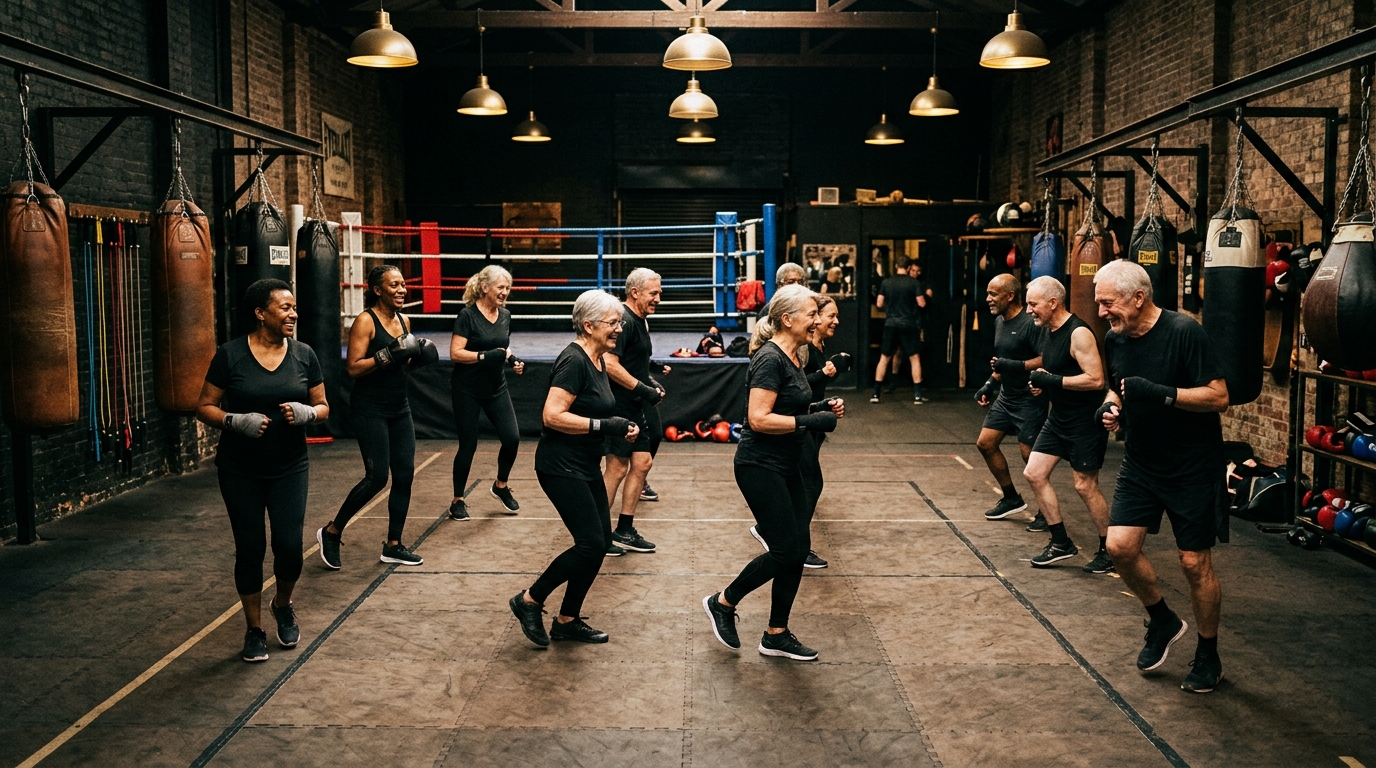
The social side shouldn't be underestimated either. Parkinson's can be isolating. Group boxing classes - the format most of these programmes use - put people in a room together, give them something hard to focus on, and build the kind of camaraderie that's difficult to manufacture in a clinical setting. Coaches who run these sessions consistently report that participants arrive for the boxing and stay for the community.
Is it safe?
The obvious concern: boxing is a contact sport. Isn't it risky for someone with balance problems or tremors?
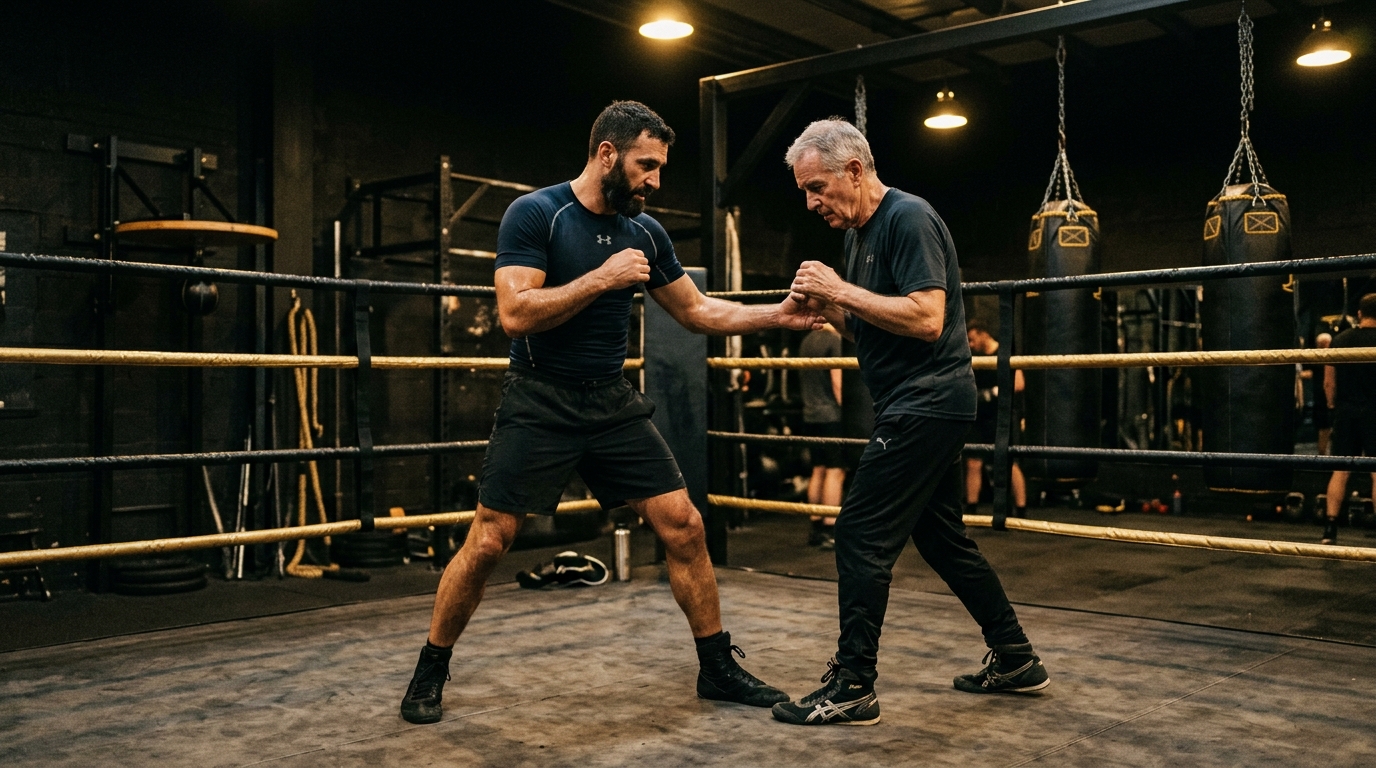
In non-contact boxing for Parkinson's, the risk profile is very different. Bag work and pad work are controlled, predictable movements. There is no sparring. Sessions are built around what participants can do, not what they can't. The England Boxing course specifically trains coaches to understand how Parkinson's progresses and how to adjust accordingly.
One thing worth knowing: a 2024 study found that balance can temporarily worsen immediately after a single boxing session, particularly in people further along in their disease progression. That's a reason for proper coaching and individual assessment - not a reason to avoid boxing altogether. But it does underline why doing this in a properly coached setting matters, rather than working from a YouTube video at home.
Finding a session near you
The first port of call is Parkinson's UK's activity finder, which lists local boxing programmes. Olympia Boxing in London runs ongoing non-contact boxing classes tailored for Parkinson's. Port O' Leith Boxing Club in Edinburgh runs "Punching with Parkinson's". As more England Boxing coaches complete the new training, the number of clubs equipped to help will grow.
If you're based in south-east London, we're at Kidbrooke in Greenwich. We're not a specialist Parkinson's programme, but we take the sport's wider health benefits seriously - and the coaching community around boxing for Parkinson's in London is active and growing. If you'd like to come in and see what we do, claim a free trial.
There are around 145,000 people in the UK living with Parkinson's. The evidence now makes a strong case that non-contact boxing should be part of the conversation when they're looking for exercise that genuinely helps.
H&G Team
Writer at Honour & Glory Boxing Club, a community boxing gym in Kidbrooke, South East London.
Was this page helpful?
It takes one tap, and it genuinely helps.
Choose your next step
Turn this article into the right action
Some readers are ready to book. Some need the class route first. Pick the route that matches what you actually want.