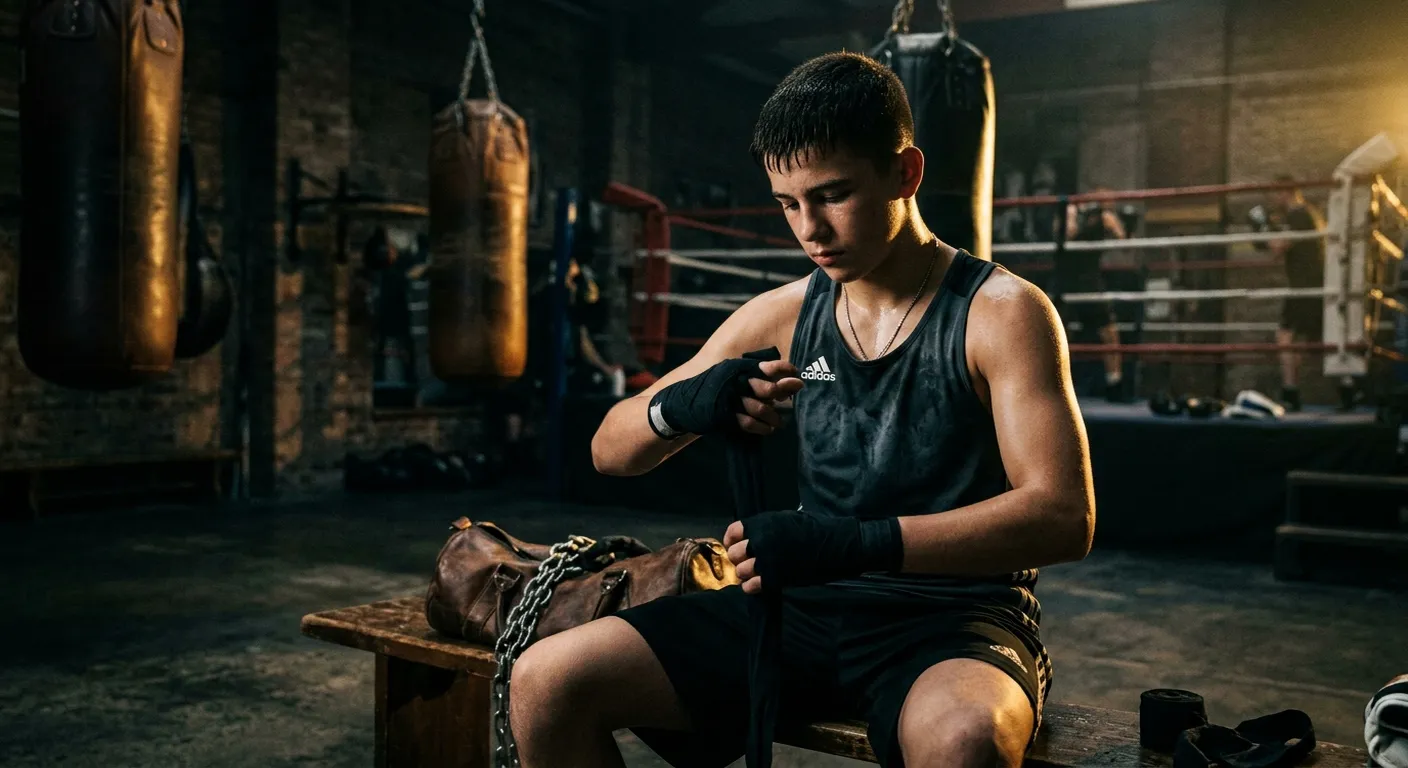
Parents ask about this a lot. Their child is being bullied, or they are worried it is happening, or they want to make their child more confident before it becomes a problem. Can boxing help?
The honest answer is yes - but not for the reason most people assume.
The assumption is usually that boxing gives children the ability to fight back. That knowing how to throw a punch makes them less of a target. This is not wrong exactly, but it is not the main mechanism. And it somewhat misses the point of what good boxing training actually does to a child.
What Makes a Child a Target
Bullying is not random. Research on the dynamics consistently points to a cluster of behaviours and signals that make certain children more likely to be targeted: passive body language, poor eye contact, visible anxiety, social isolation, and the tendency to respond to aggression with distress rather than composure.
None of these are character flaws. They are behavioural patterns, and behavioural patterns can change. The question is what changes them.
The answer is not telling a child to stand up straight and look people in the eye. Instructions without experience do not work. Children change behaviour when their internal state changes - when they actually feel different about themselves, not when they are told to act differently.
What Boxing Changes
Boxing training changes internal state through a specific mechanism: graduated physical challenge with observable results.
A child who could not do something in week two can do it in week six. Their jab is sharper. They can go three rounds without stopping. They took a shot and did not fall apart. These are not abstract improvements. They are concrete, visible, measurable. The child knows it. The coach knows it. The other kids in the class know it.
This is what psychologists call evidence-based self-efficacy - the belief that your own efforts produce outcomes, grounded in actual evidence of them doing so. It is fundamentally different from being told you are good or being given a certificate. You cannot argue yourself into genuine confidence. You can earn your way into it.
Empire Fighting Chance, one of the UK's largest youth boxing programmes, published data showing 87% of participants reported increased confidence and 83% showed improved self-esteem across their programmes. These are not soft outcomes. They show up in school engagement, social behaviour, and how children carry themselves.
The Composure Factor
There is a specific quality that boxing develops which is directly relevant to bullying: the ability to stay calm when someone is coming at you.
In sparring - and even in non-contact pad work - children learn to manage threat. A punch coming at your face is threatening, even when it is going to be blocked, even when it is coming from a training partner you trust. Learning to breathe, to see what is happening, to respond rather than freeze or panic - that is a trainable skill.
Children who have been through this process are less likely to exhibit the panicked, distressed response to confrontation that marks them out to bullies. Not because they are tougher or scarier. Because they are calmer. And calm, steady children are much less interesting targets than children who visibly unravel under pressure.
This is a point worth dwelling on. Bullies do not usually escalate against children who respond without fear. The reward for a bully is the distress response. Remove the distress response and the interaction becomes unrewarding.
What About Fighting Back
It does come up. Parents ask: should my child actually fight back if it happens?
The position from every responsible boxing coach is the same. Boxing is for the gym. Physical self-defence is a last resort when escape is not possible. What boxing gives children is not a licence to hit people - it is the composure to not need to.
Most children who come through good boxing training do not become more aggressive in everyday life. The evidence consistently shows the opposite. Research published in Psychology of Sport and Exercise found that children in combat sports showed significantly better emotional regulation than matched controls - including lower reactivity to provocation.
The gym provides a safe place to experience and manage aggression. Outside the gym, that translates to better regulation rather than increased expression of it.
The Social Dimension
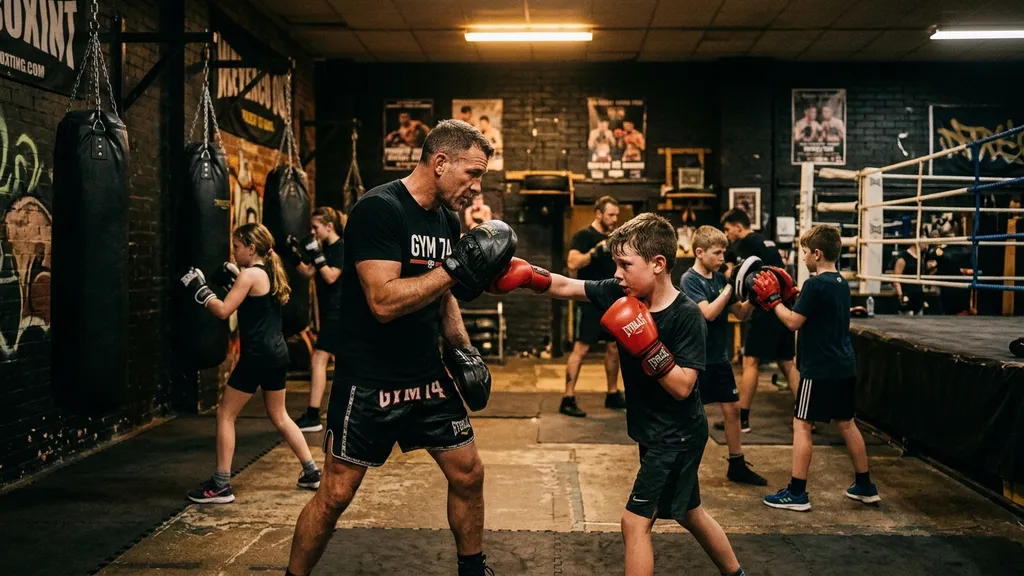
One thing that gets less attention: boxing clubs are communities.
A child who comes to boxing - especially at the junior level - joins a group with shared purpose and shared challenge. They find their place in a hierarchy based on effort and skill rather than social popularity. They develop friendships with children from different schools, different backgrounds, different social circles.
Social isolation is one of the conditions that makes bullying both more likely and more damaging. A child with strong, stable friendships outside school is less vulnerable. The gym provides exactly that, and for children who struggle to connect in school settings, a different social environment where they can succeed on different terms is genuinely valuable.
The University of Wolverhampton research on combat sports and youth violence found that the community aspect of boxing clubs - the sense of belonging and social support - was one of the key factors in positive outcomes for young people.
A Note for Parents
If your child is being bullied, boxing is not a complete answer. School has to deal with what is happening in school. But if you are looking for something that works on the underlying dynamics - the confidence, the composure, the social belonging - it is one of the more effective things you can do.
The right age to start varies by child. At H&G we run Junior Recreational classes for ages 7-16, and the sessions are structured specifically for children at different experience levels. The focus is on building skills and confidence, not on producing fighters.
If you want to see whether it would work for your child, the right move is to book a free trial session and see how they respond to it. Most children surprise their parents.
What Parents Tell Us
The thing coaches hear most often from parents of junior members is not "they can handle themselves now." It is "they walk differently." Taller. More direct. Less apologetic about taking up space.
That shift in how a child carries themselves is the real outcome. It is not about fighting. It is about feeling like someone who does not need to be afraid.
That is what boxing builds - and it is why the anti-bullying conversation keeps coming back to the gym.
Book a free trial for your child at Honour and Glory Boxing Club.
Parent route at Honour and Glory
For most children aged 7-16, the right first step is Junior Recreational boxing: structured, coach-led training with no pressure to compete. If your child may need a gentler first step or extra reassurance, use our parents guide to kids boxing before booking.
If your child already wants boxing and you just want to see how they respond, book a free Junior Recreational trial.
H&G Team
Writer at Honour & Glory Boxing Club, a community boxing gym in Kidbrooke, South East London.
KEEP READING
Can Boxing Support Children's Focus at School?
Some parents say regular training helps their child with routine, listening and confidence. Boxing is not a fix for school or attention difficulties.
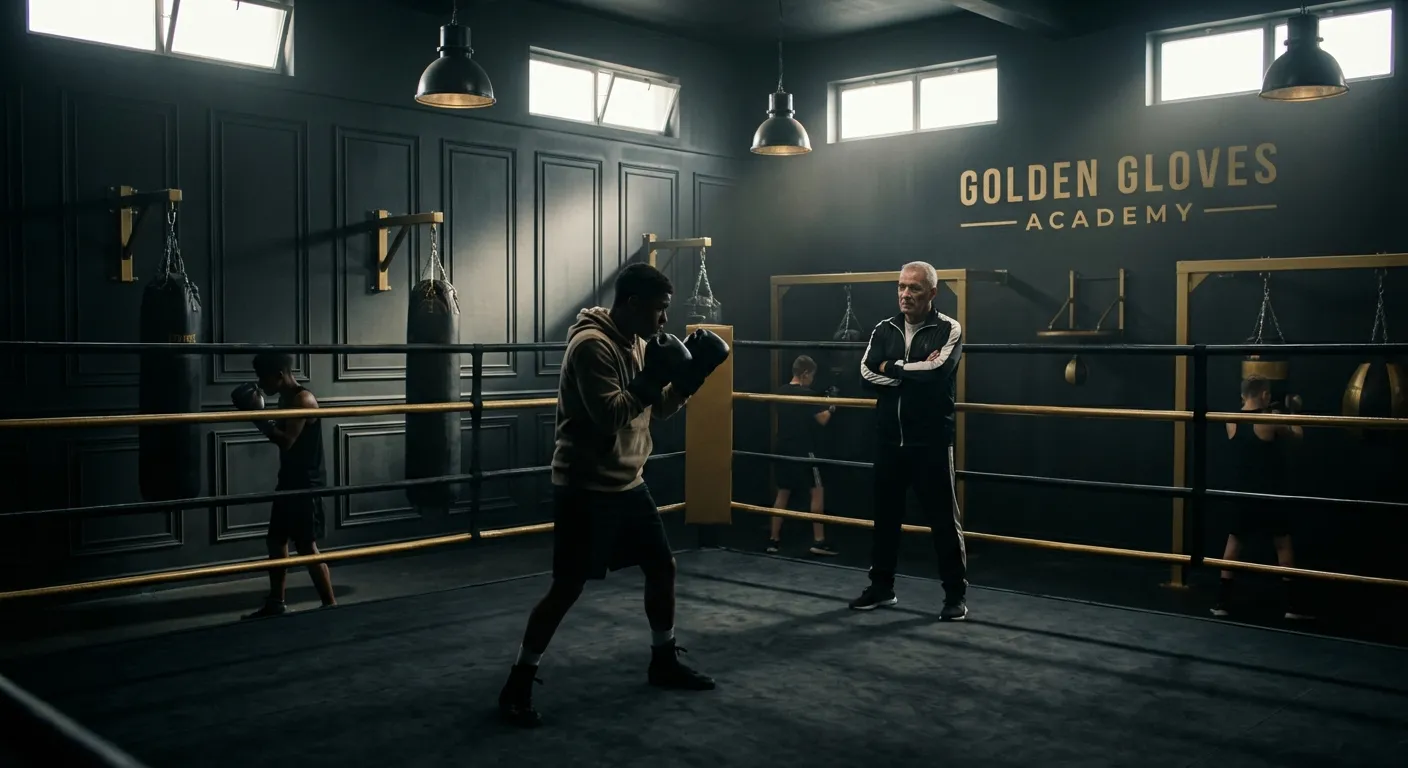
Boxing for Shy Children: Why the Quietest Kids Often Thrive
Shy children are not always suited to team sports that require constant social performance. Boxing offers something different - a space to build confidence at your own pace.
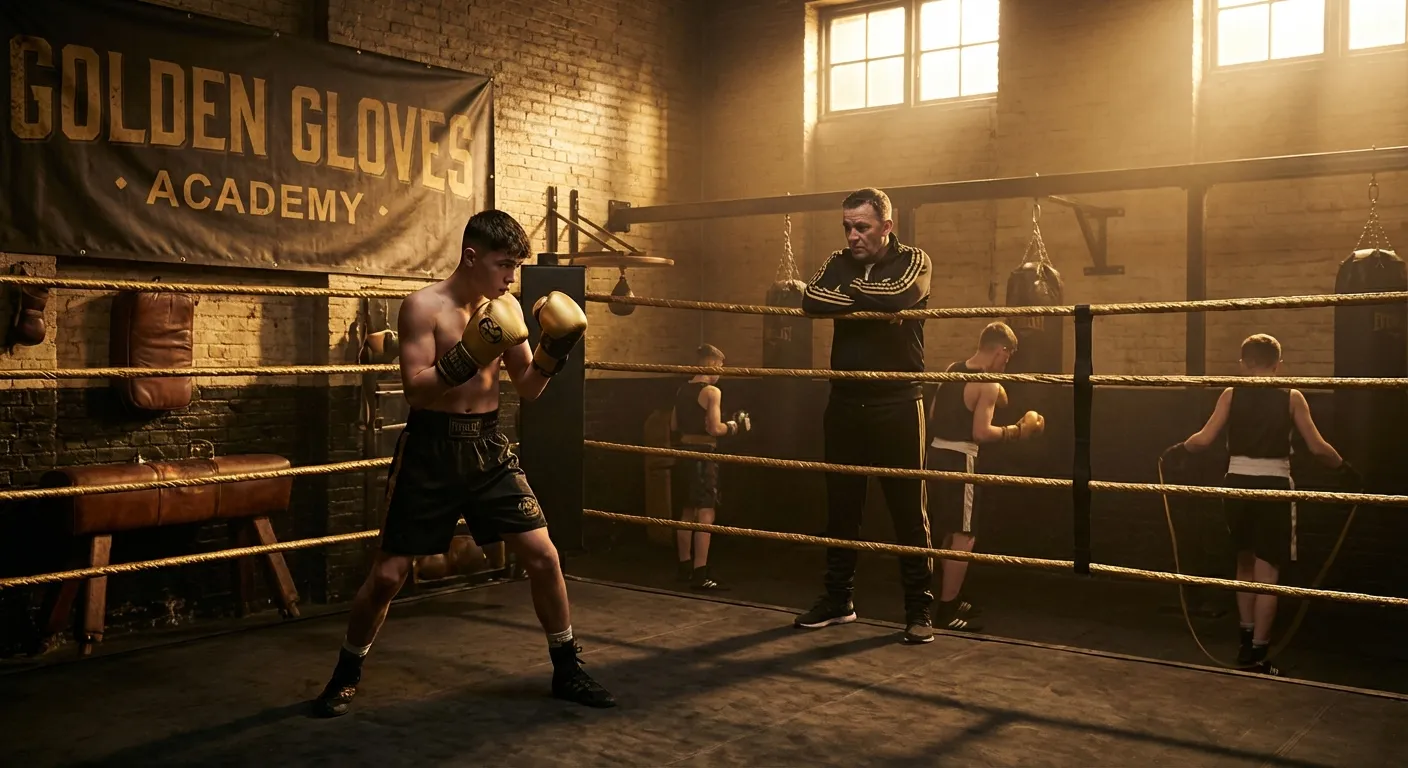
What Actually Happens in a Children's Boxing Class
Parents wondering what goes on inside a children's boxing class can stop wondering. Here is a detailed, session-by-session account of what actually happens over the first few months.
Was this page helpful?
It takes one tap, and it genuinely helps.
Choose your next step
Turn this article into the right action
Some readers are ready to book. Some need the class route first. Pick the route that matches what you actually want.