Safeguarding in Boxing: What Parents Should Know
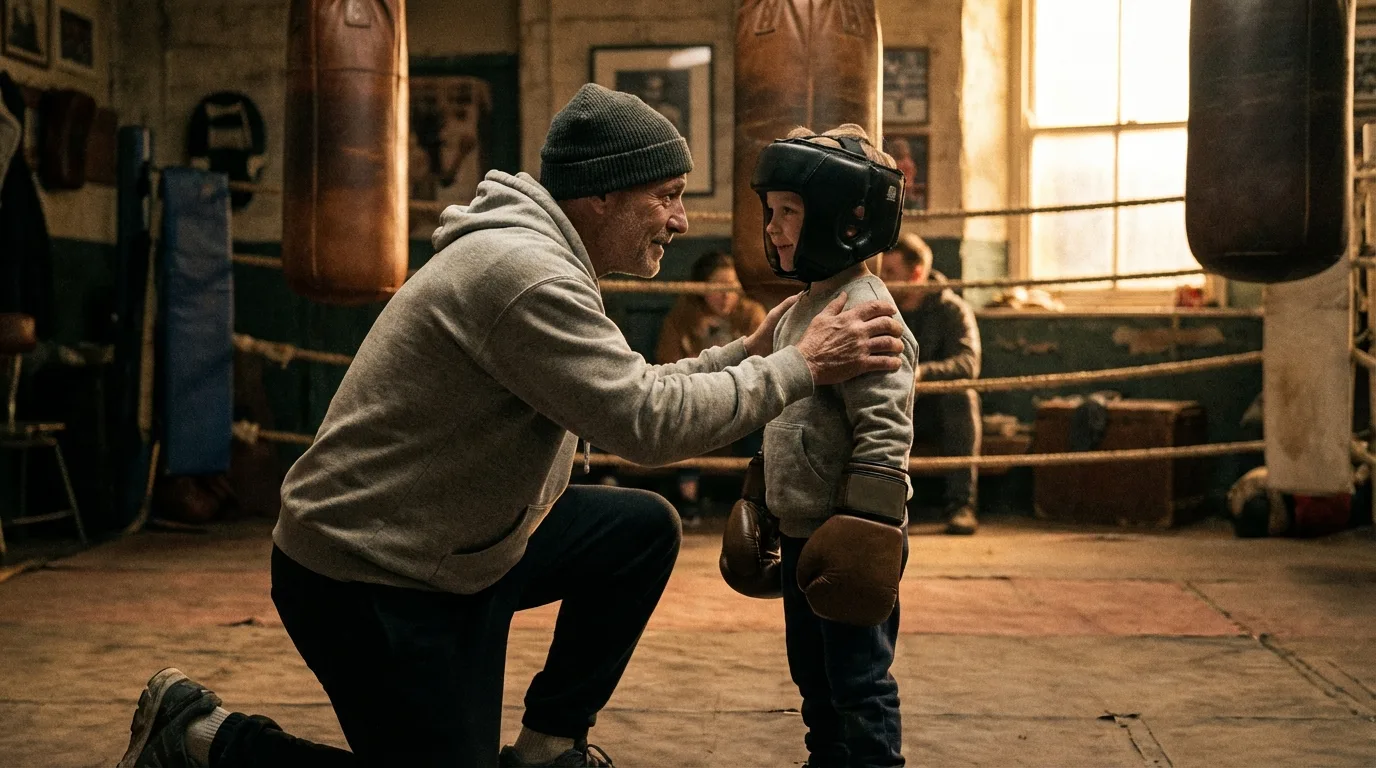
Over one million children take part in martial arts or boxing every week in England. The NSPCC's Child Protection in Sport Unit is currently running a specific survey on safeguarding in martial arts and boxing because the sector has historically varied in how seriously individual clubs take their responsibilities.
This is not a reason to avoid boxing clubs. It is a reason to know what to ask before you enrol your child.
The Minimum Standard: What an Affiliated Club Must Have
A boxing club affiliated with a recognised governing body - the Amateur Boxing Alliance or England Boxing - is required to maintain a formal safeguarding framework. This is not optional. Clubs that fail to comply risk losing their affiliation.
The minimum that an affiliated club must have in place:
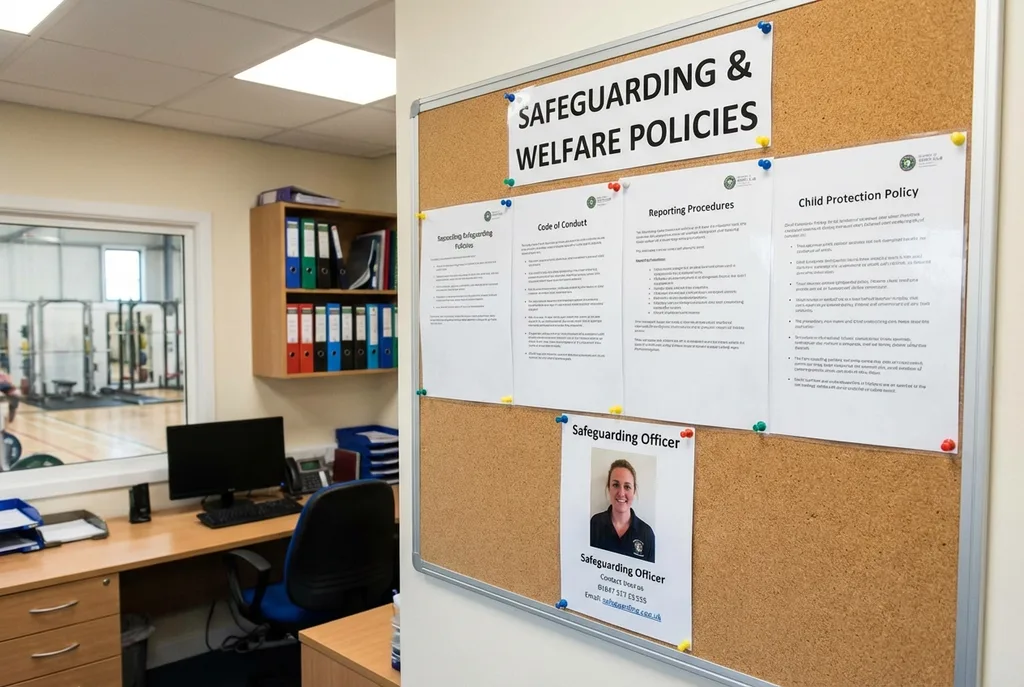
A named Welfare Officer. Every affiliated club is required to have a named individual responsible for child welfare. This person is the first point of contact if a parent has a concern. They should be identifiable - you should be able to find out who they are without having to push for it.
Enhanced DBS checks for all coaches working with children. Coaches working with children at ABA-affiliated clubs are required to hold a valid enhanced DBS certificate as a condition of their coaching licence. The DBS check is a mandatory requirement - not a self-declaration - and must be current to maintain a coaching licence.
Safeguarding training. Coaches are required to complete safeguarding awareness training as part of their licensing. This is not the same as child protection expertise, but it means coaches have a baseline understanding of their responsibilities.
A written safeguarding policy. Affiliated clubs must have a safeguarding policy. If a club cannot produce one, or does not have one, that is a significant indicator of how seriously safeguarding is treated.
What an Unaffiliated Club Has
Nothing mandated.
An unaffiliated boxing club - one that operates without governing body membership - has no external body requiring it to maintain these standards. Some unaffiliated clubs choose to implement them anyway. Many do not.
This does not mean every unaffiliated club is unsafe. It means that choosing an affiliated club gives you verifiable, externally enforced protections rather than promises.
The Safeguarding Checklist for Parents
When you visit any boxing club, these questions cut through the surface presentation and tell you what you need to know:
"Who is your Welfare Officer?" A real answer is a name and, ideally, a way to contact them. "We all look out for the kids" is not a real answer.
"Can I see your safeguarding policy?" A club that takes this seriously has a document ready. It does not have to be a 40-page document, but it should exist and should cover: who to contact with a concern, what happens when a concern is raised, and how the club manages coach access to children outside sessions.
"Are your coaches' DBS checks current?" For an affiliated club, the answer is yes because the governing body requires it. For an unaffiliated club, the answer tells you something.
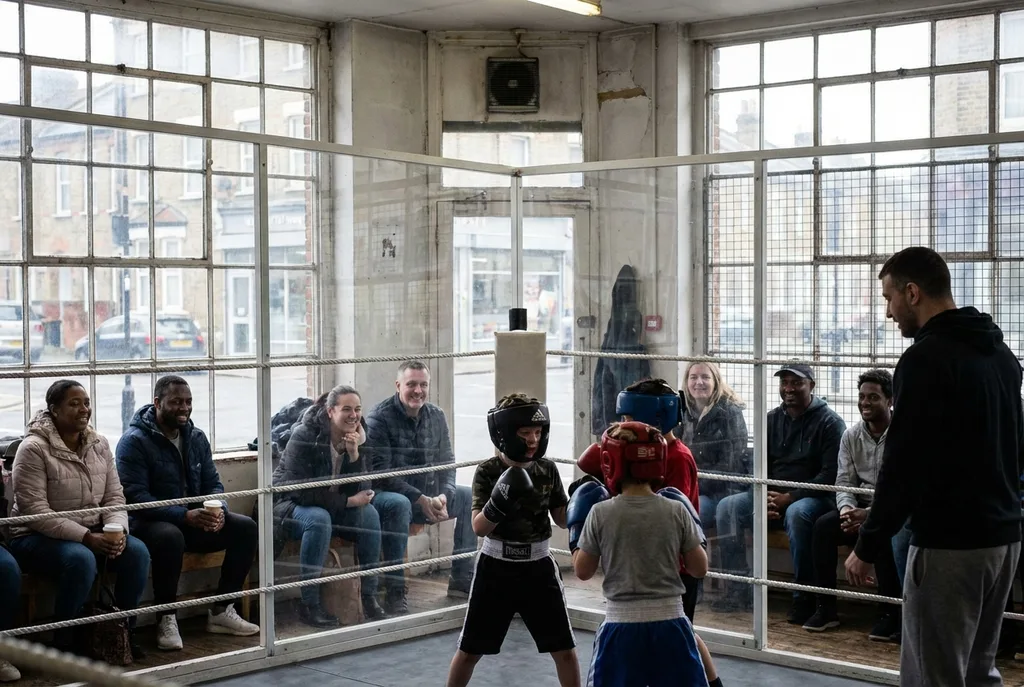
"Are parents welcome to watch?" At a well-run club the answer is yes, always. Restricting parent access to sessions with children is not a standard practice at legitimate clubs.
"Do your coaches contact children directly on social media or messaging apps?" The correct answer is no. Communication with children should go through parents. One-to-one digital contact between a coach and a child, without the parent's knowledge, is specifically identified in safeguarding guidance as inappropriate regardless of its content.
What Good Looks Like in Practice
A safeguarding-conscious club does not just have the paperwork. You can see it in how sessions are run.
There are always at least two adults present during children's sessions. No coach is ever alone with a child behind a closed door. Changing areas are supervised without coaches being present in them. Coaches do not give children lifts home. Sessions do not run late with a single child remaining alone with a coach.
None of this is unusual to observe at a well-run club. If any of it sounds excessive to a club, that tells you something.
Research published in Child Abuse Review in 2024 analysed safeguarding cases managed by National Governing Bodies across England and Wales. The consistent finding was that incidents were far more likely in settings with weak or absent safeguarding infrastructure - not in clubs that took the framework seriously.
Governing Body Safeguarding Contacts
For ABA-affiliated clubs (including Honour and Glory):
The Amateur Boxing Alliance is the relevant governing body. Use the ABA's safeguarding page for safeguarding policy documents, incident forms and contact routes involving ABA-affiliated clubs.
For England Boxing-affiliated clubs:
If a club is affiliated with England Boxing instead, the safeguarding contact is:
Compliance and Safeguarding Manager
Email: safeguarding@englandboxing.org
Tel: 07590 600 001
England Boxing's full safeguarding framework is publicly available on their website.
The Amateur Boxing Alliance and England Boxing are separate organisations - contact the right body for the club's actual affiliation.
For urgent concerns involving immediate risk to a child, contact the police or children's social care directly. Governing body channels are not a substitute for statutory services when a child is at risk now.
The Point of All This
Most boxing coaches are conscientious people who chose this work because they care about young people. The safeguarding framework is not premised on coaches being dangerous. It is premised on the principle that children deserve environments where adults are accountable.
A club that resents safeguarding requirements - that treats them as bureaucratic interference - is not the right place for your child. A club that welcomes questions, has a named Welfare Officer, and openly demonstrates its governance is the right environment.
This is not about fear. It is about choosing thoughtfully.
At Honour and Glory
Honour and Glory Boxing Club in Kidbrooke, SE3 is affiliated with the Amateur Boxing Alliance. Parents are always welcome to ask direct questions about coaching checks, safeguarding arrangements and supervision before bringing a child to train. Our Club Welfare Officer is Anton Pattenden. He can be reached through info@honourandglory.co.uk (mark your message Attention: Welfare Officer) or via WhatsApp on 07544 737278. Full safeguarding contact details are on our safeguarding page.
Our Junior Recreational class runs Mon/Wed/Fri 5-6pm for children aged 7-16. Junior Competitive runs Mon/Wed/Fri 6-7:30pm for ages 10-16 on the competitive pathway.
The first session is free, no contract, no commitment.
H&G Team
Writer at Honour & Glory Boxing Club, a community boxing gym in Kidbrooke, South East London.
KEEP READING
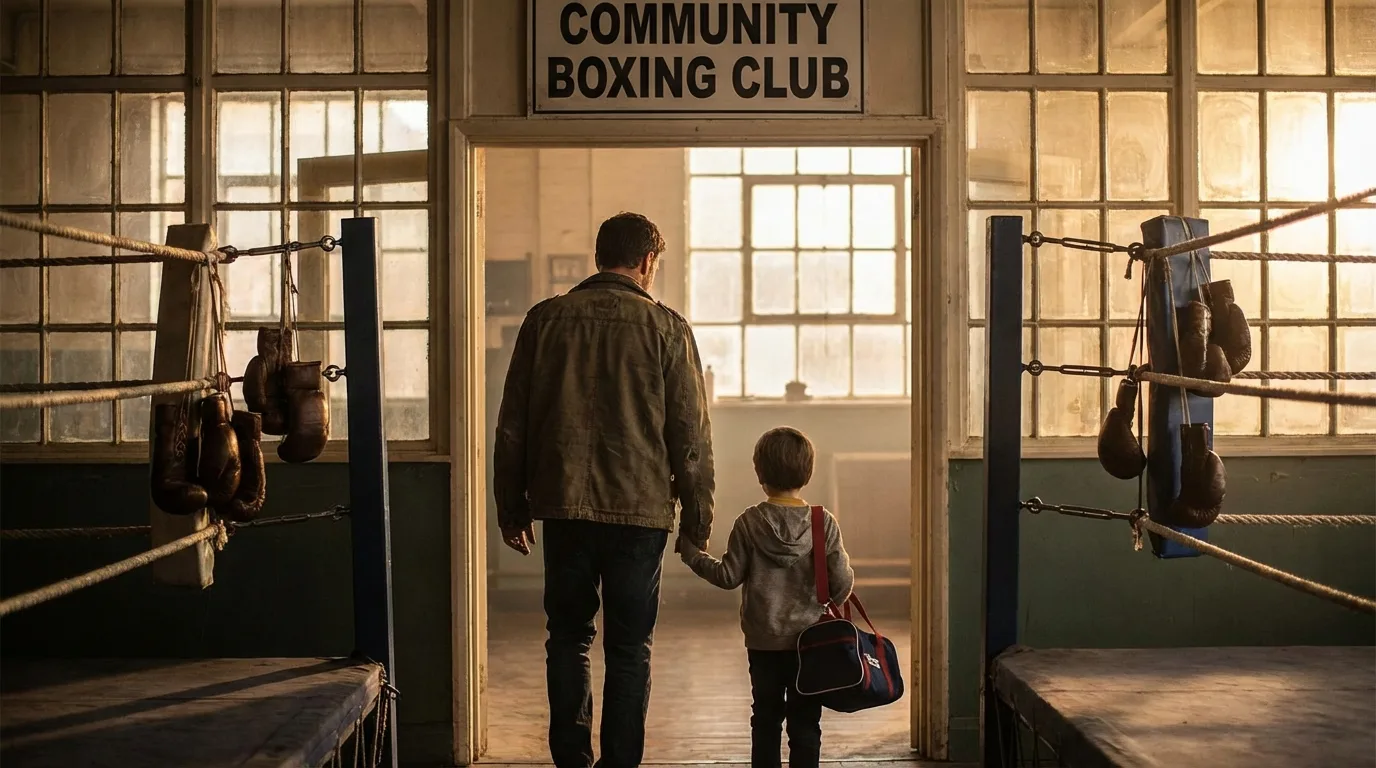
How to Report a Safeguarding Concern at a Boxing Club
If something feels wrong at a boxing club your child attends, knowing exactly who to contact and what to say makes a significant difference. This is the process.
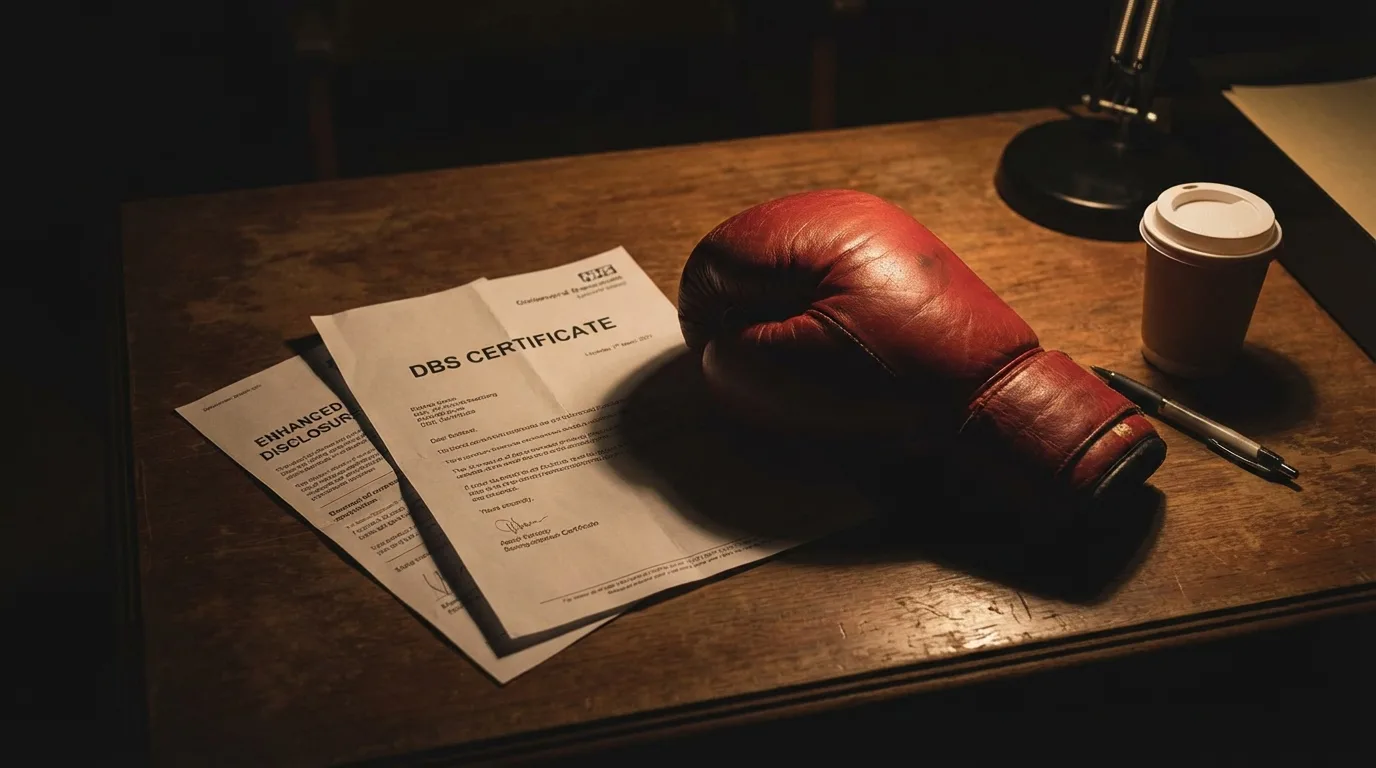
How to Check a Boxing Coach's DBS Status
Before your child trains with any boxing coach in the UK, you have a right to know they hold a valid enhanced DBS check. Here is exactly how to verify it.
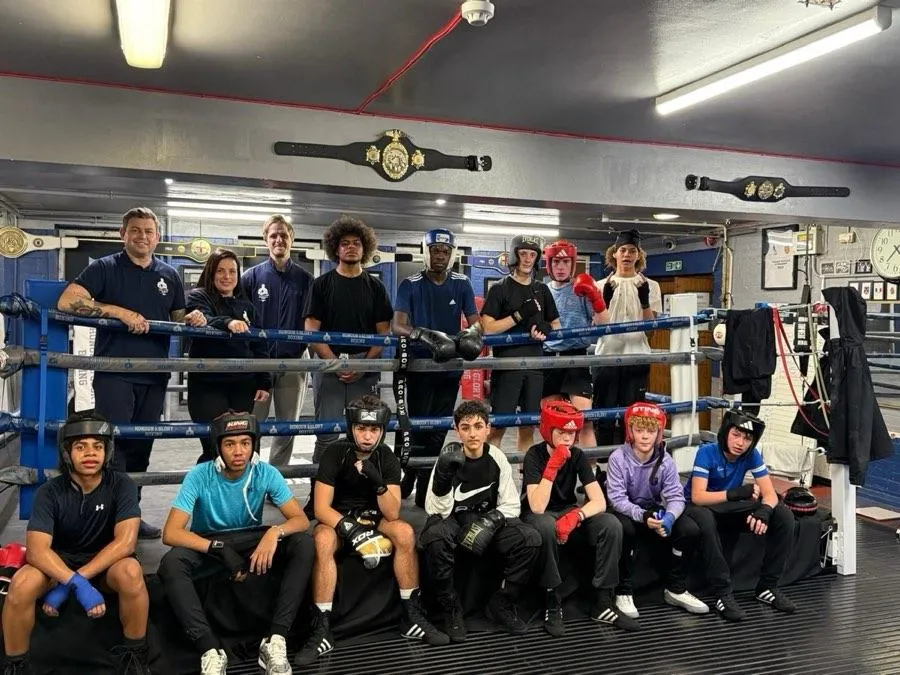
What a Good Junior Boxing Club Feels Like
Parents usually know when a room feels right for their child. Here is what a good junior boxing club should actually feel like in practice.
Was this page helpful?
It takes one tap, and it genuinely helps.
Choose your next step
Turn this article into the right action
Some readers are ready to book. Some need the class route first. Pick the route that matches what you actually want.