The phrase "home boxing gym" covers two very different things.
If you are around Kidbrooke, there is also a third option people forget: do the real learning in a proper gym, then keep the home setup lean and useful instead of trying to recreate the whole place.
One version is sensible: a pair of wraps, gloves, a skipping rope, enough floor space to shadow box, and maybe a mirror. That can genuinely help.
The other version is what beginners often imagine: heavy bag, stand, floor mats, speed bag, fancy gloves, maybe a bench, maybe a sauna if they have watched too many fighter documentaries. That version usually burns money faster than calories.
If you are new to boxing, the smartest home setup is not the one with the most equipment. It is the one that supports learning without pretending your spare room is Gleason's.
So here is the honest answer to what boxing equipment you actually need at home, what is optional, and what you are better off using in a real gym.
Start with the obvious question
What is the home setup for?
Because that changes everything.
If the answer is "I want to supplement classes," great. Home kit can help.
If the answer is "I want to avoid classes and teach myself from zero," you are already heading towards the expensive version of the wrong plan.
A coach, a timetable, and other people training around you are still the biggest upgrade available to a beginner. Home equipment is secondary.
Tier 1: what most beginners actually need
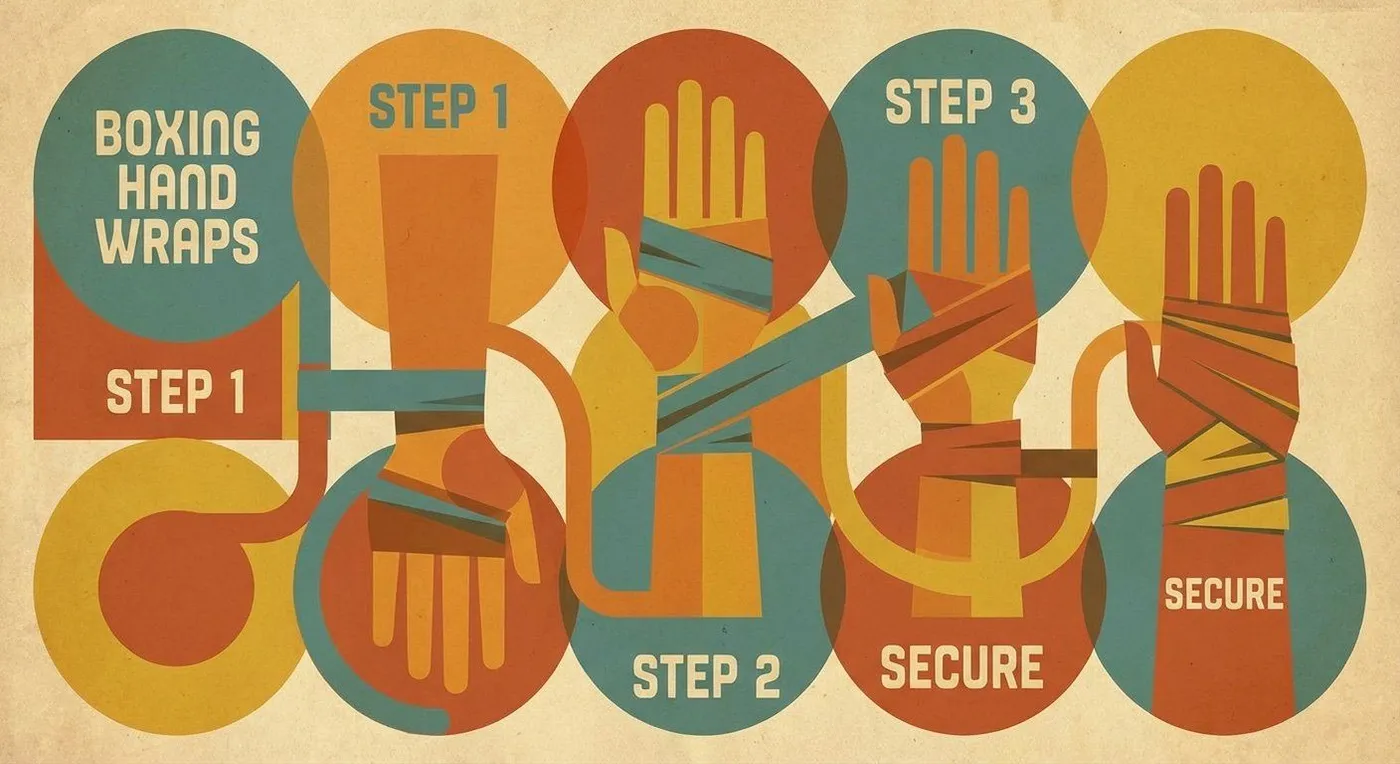
Hand wraps
These are the first thing worth buying.
England Boxing's safety guidance specifically includes protective hand bandages as standard boxing safety equipment (source). That is not box-ticking. Your hands are made of small bones and small mistakes add up fast.
Buy proper wraps, learn how to use them, and buy at least two pairs so one can dry while the other is in use. If you want the detailed version, our Best Hand Wraps guide covers brands and lengths properly.
Gloves
After wraps, gloves.
Fit 2 Box's glove-buying advice for beginners focuses on exactly the right questions: how often you will train, whether you plan to spar, and what your budget actually is (source). Those are more useful than any influencer's discount code.
For most adults starting out, one sensible pair of 14oz or 16oz velcro training gloves is enough. That covers bag work in class, pad work, and general beginner use.
Skipping rope
This is one of the cheapest useful bits of boxing kit you can own.
It travels anywhere, takes up no space, and actually improves timing, rhythm, and conditioning. More importantly, it gives you something boxing-specific to do at home without needing a mount, a bracket, or apologising to your neighbours.
Space to move
Not glamorous, but crucial.
A decent home boxing setup needs room for stance work, shadow boxing, and basic footwork. You do not need a mansion. You do need enough floor that you can move without clipping a coffee table.
That alone is enough for a lot of beginners.
Tier 2: useful if you are already training properly
Floor mats
Good if you are doing mobility work, core work, or shadow boxing on hard floors. Not essential, but sensible if the room is part of the plan long term.
Mirror
Useful, but only if you know what you are looking for.
A mirror helps once you understand stance and basic shape. Before that, it can just help you rehearse bad habits in high definition.
Timer app or round timer
Very useful. One of the biggest failures of solo training is lack of structure. A simple 3-minute round timer immediately makes home sessions more honest.
Resistance bands or light conditioning kit
Fine as a supplement. Not special, but practical.
Tier 3: things beginners usually buy too early
Heavy bag
This is the biggest offender.
Decathlon's bag guide is actually useful on the practical side. It points out that adult bags often need substantial weight to feel stable, with a rough rule of thumb that the bag should be around half your body weight, and it also highlights the need for hooks, stands, or weighted free-standing alternatives depending on the space (source).
That is exactly why beginners should be cautious. Once you start talking about a realistic adult bag, you are no longer buying one item. You are buying a system.
And unless you already know how to punch, the bag mostly gives you more opportunity to do things badly.
Speed bag
Looks fun. Sounds good in films. Usually one of the least useful early purchases.
If you are not already training in a gym, a speed bag gives you a lot of rhythm practice and almost no actual boxing instruction. It is a specialist tool, not beginner priority kit.
Fancy specialist gloves
Bag mitts, lace-ups, horsehair padding, boutique Mexican imports. All nice. None of them should be your first concern if you are still learning where your feet go.
Headguard
Unless you are already sparring, leave it.
What a lot of home setups get wrong
They confuse ownership with progress.
Having boxing equipment in the house can feel motivating for about two weeks. After that, motivation comes from routine, not possessions.
This is the same reason so many well-intentioned home gyms drift into becoming storage. Equipment is passive. Coaching is active.
A beginner with wraps, gloves, a rope, and consistent classes will improve faster than a beginner with a full home setup and no feedback.
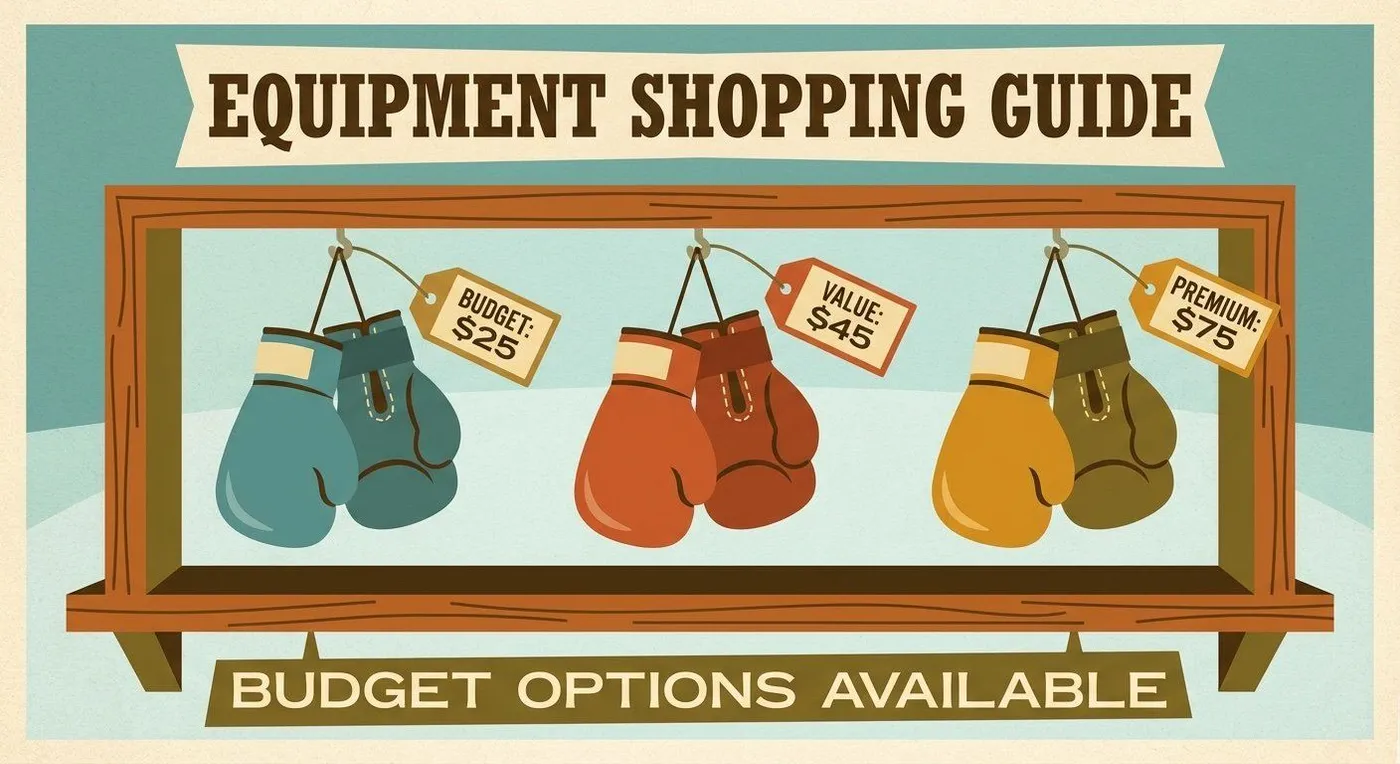
The realistic budget question
This is where people usually talk themselves into buying too much.
- wraps
- one pair of gloves
- skipping rope
- timer app
That is enough.
The moment you add a bag, you are into a different bracket entirely. Decathlon's own listings show how quickly prices jump once you move from basic accessories to 20kg, 32kg, or 50kg bags, plus hooks, stands, or free-standing alternatives (source).
Then there is the real London question: where is this thing going?
What belongs in a proper gym instead
Some equipment is simply better when it lives in a real boxing gym.
Heavy bags are better in gyms.
Pads are better in gyms because you need another person.
Rings are obviously better in gyms.
Sparring gear is better in gyms because sparring at home as a beginner is how stupid stories begin.
This is why a lot of the best value in boxing is still a class environment. You are not just paying for instruction. You are paying for access to equipment you do not need to own.
The best home setup for most beginners
If I were stripping this down to the version that makes the most sense, it would look like this:
- 2 pairs of hand wraps
- 1 pair of 14oz or 16oz training gloves
- 1 skipping rope
- enough floor space for shadow boxing
- a timer app
- classes to give all of that some direction, ideally something like our Adult Recreational class
That setup is practical, cheap, and actually useful.
Then, after a few months, if you are still training consistently and you know what you want more of, add things carefully.
Maybe then you buy a bag.
Maybe then you add mats.
Maybe then you build out a proper corner of the garage.
But not on day one.
The mistake to avoid
Do not build a home boxing gym because buying kit feels easier than starting boxing.
That is the trap.
Buying equipment feels like action. Sometimes it is just shopping.
Real progress comes from sessions, repetition, correction, and turning up when you do not feel like it. Your home setup should support that, not replace it.
The honest verdict
What boxing equipment do you need at home as a beginner?
Less than you think.
Wraps, gloves, a rope, and room to move are enough to start. Most other things can wait.
If your budget is limited, spend it on the simple essentials and get your main work done in a proper class environment. That gives you the benefits of home practice without the usual beginner mistake of overbuilding a setup that never quite gets used properly.
If you want help figuring out what to buy after you have actually tried boxing, we can do that. It is much easier to recommend kit once you know what kind of boxer you are trying to become.
Book a free trial session at Honour and Glory Boxing Club.
For the next step, read our Best Boxing Gloves for Beginners UK and Should Beginners Buy a Boxing Bag?.
H&G Team
Writer at Honour & Glory Boxing Club, a community boxing gym in Kidbrooke, South East London.
KEEP READING
Boxing Equipment for Home Training UK
What boxing equipment you actually need for training at home, what is worth buying and what is a waste of money. An honest guide from coaches who use this stuff daily.
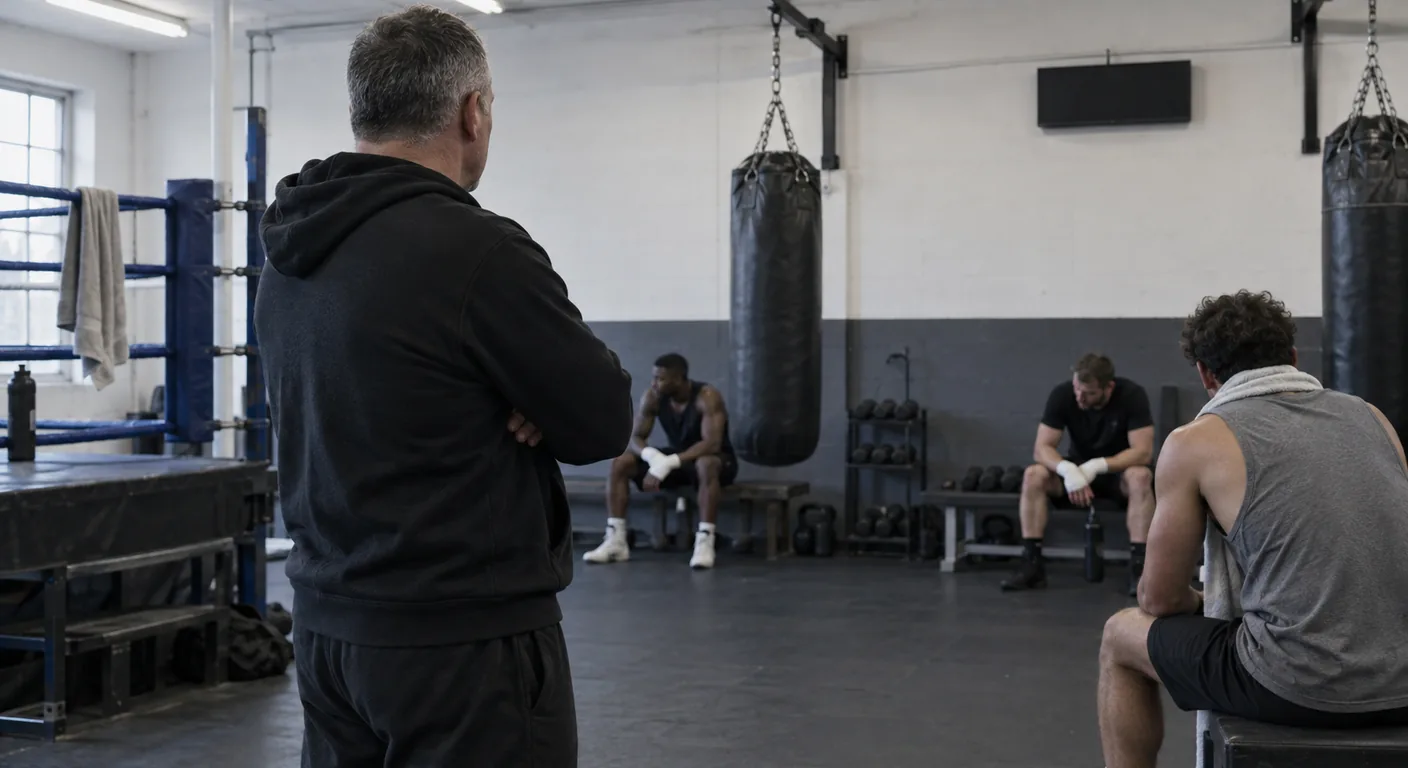
10 Best Round Timers for Boxing Training
The boxing round timers worth considering for a club, a home bag setup or structured solo training.
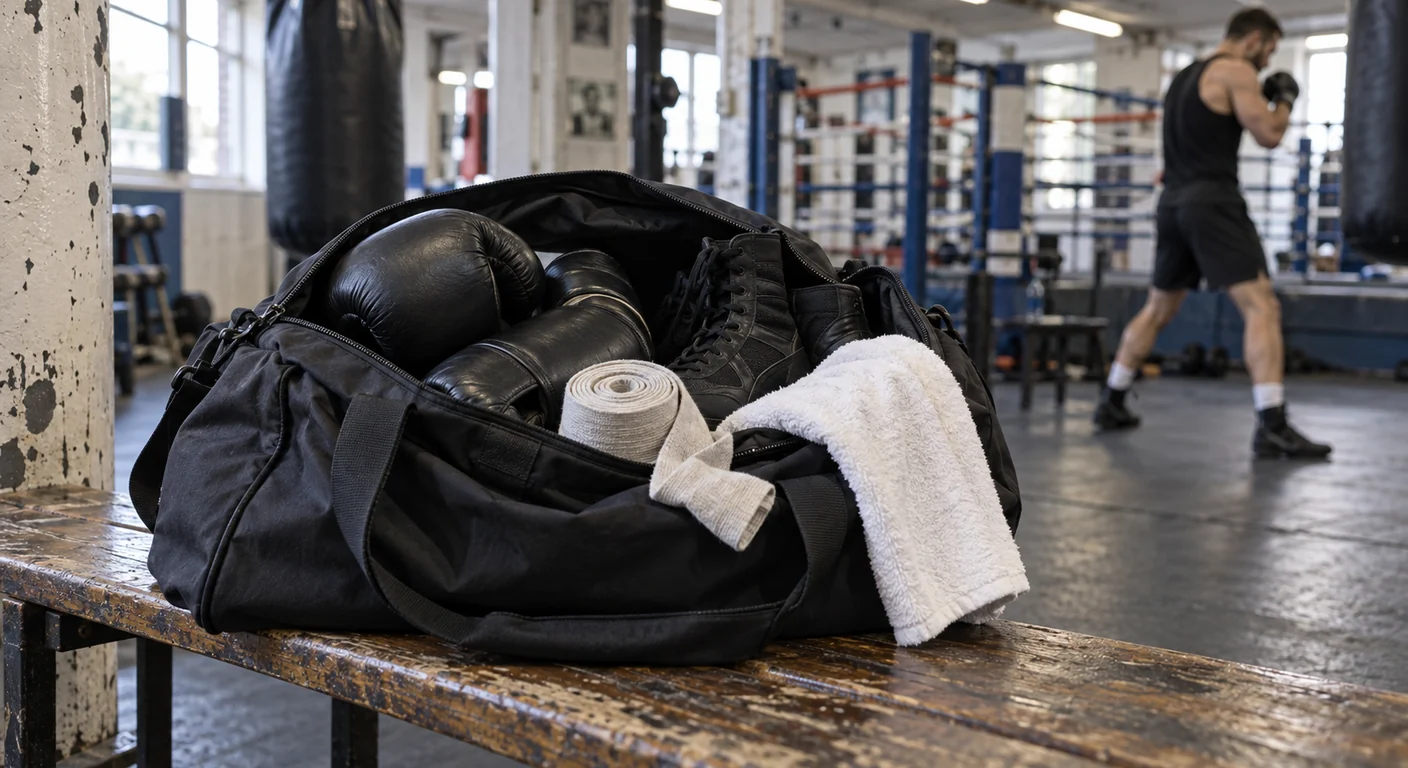
10 Best Gym Duffel Bags for Boxers
The boxing gym bags worth considering, from compact daily kit carriers to larger duffels for sparring gear.
Was this page helpful?
It takes one tap, and it genuinely helps.
Choose your next step
Turn this article into the right action
Some readers are ready to book. Some need the class route first. Pick the route that matches what you actually want.