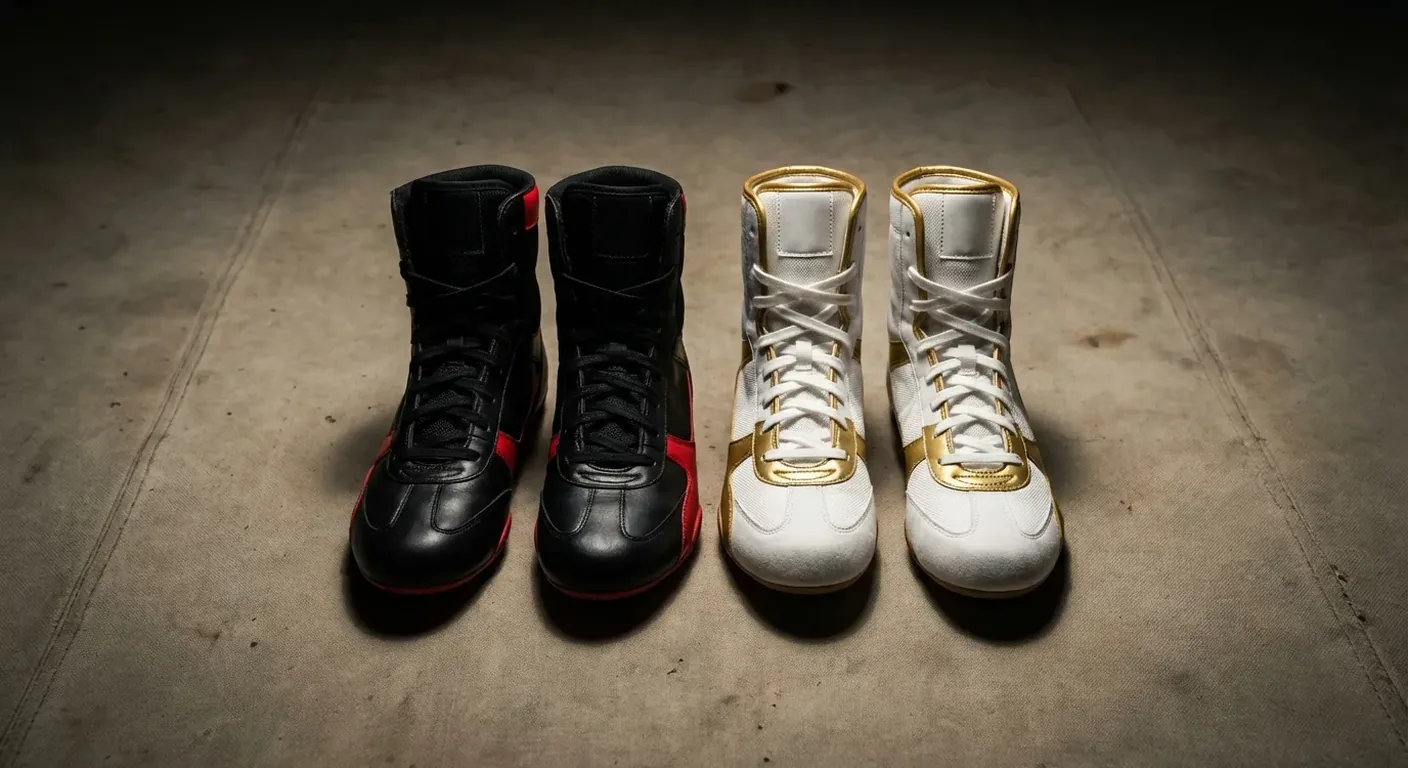
See the full ranked guide: Best Boxing Boots UK 2026 - scored picks for every stage. Ready to compare models? Best beginner boxing boots UK shortlist.
Most beginners do not need boxing boots on day one. They need comfortable sports clothes, hand wraps, gloves, water, and enough humility to listen when their feet are in the wrong place.
But boots become useful sooner than people think. Once you are training regularly, moving on a proper gym floor, turning on your punches, and doing more than a casual taster session, normal trainers start to get in the way.
The problem is not fashion. It is grip, ankle shape, sole thickness, and how quickly you can pivot. Boxing is built from the floor. If your shoes fight the movement, your punches usually look bad before your hands have done anything wrong.
If you are starting in Kidbrooke or nearby South East London, this is the practical answer: do your first few sessions in clean, flat trainers, then buy boxing boots if you are staying.
What boxing boots actually do
Boxing boots make it easier to move like a boxer. That means small steps, quick pivots, lateral movement, and controlled weight transfer without your foot sticking to the floor.
A running shoe is designed to move forward. A boxing boot is designed to let you move, stop, turn, and push off in several directions. That is why the sole feels thinner, the upper wraps the foot more closely, and the ankle collar usually sits higher than a gym trainer.
There is a reason performance models obsess over weight and lockdown. Athlete Performance Solutions' HyperKO 3 listing puts the Nike HyperKO 3 at 10.2 ounces and talks heavily about support, grip, and responsiveness. That is not marketing fluff if you are boxing properly. Your feet are constantly making small corrections.
For a beginner, the benefit is simpler. Boots make bad movement easier to feel. If you are leaning, crossing your feet, twisting through the knee, or dragging your rear foot, the shoe gives less cushioning to hide it.
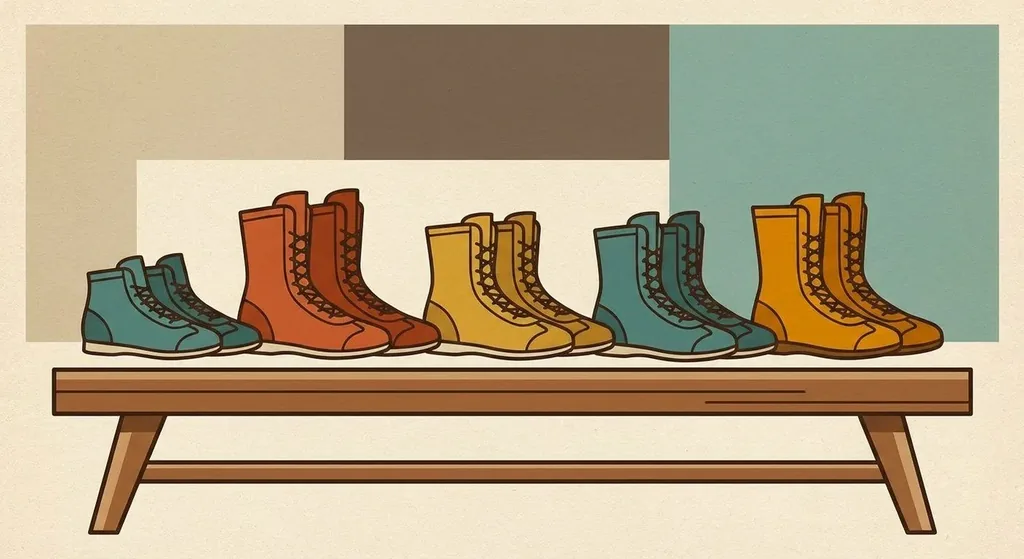
Why normal trainers can be a problem
Normal trainers are not banned from beginner classes, but they are often built for the wrong job.
Running shoes usually have thick heels, soft cushioning, and a sole pattern made for forward motion. That can make your stance feel higher and less connected to the floor. When you pivot, the sole may grip too much, which means the knee twists instead of the whole foot turning.
Some gym trainers have the opposite problem. They are too loose through the upper, so the foot slides inside the shoe when you step off at an angle. You then compensate by widening your stance, planting too heavily, or taking big clumsy steps.
Boxing punishes that quickly. The first sign is often not pain. It is timing. You feel late on the jab, slow after throwing the cross, and heavy when the coach asks you to move after punching.
That is why boots are not just for competitive fighters. They are for anyone who has moved past the first-timer stage and wants their footwork to stop looking like an afterthought.
When beginners should buy boxing boots
Buy boxing boots when you are training at least once a week and you know you want to continue.
That is the line I would use for most adults. Not before your first session. Not because you saw a champion wearing a flashy pair. Not because a sale ends tonight. Buy them when boxing has become part of your week.
Here is the rough guide:
- Trial session: clean trainers are fine.
- First month: flat, secure trainers are still fine while you decide if you are staying.
- Training weekly: start looking at proper boxing boots.
- Training twice a week or more: boots are a sensible buy, not a luxury.
- Sparring or competing: ask your coach what is suitable before buying anything expensive.
If you are joining our Recreational Adults boxing classes, nobody expects you to arrive looking like a professional. We care more about whether you can listen, work, and move safely.
Still, after a few weeks, decent boots make the session feel cleaner. You will notice it most during shadow boxing, pad rounds, defensive drills, and any drill where the coach keeps saying, "turn your foot".
High-top or low-top boots for beginners
Most beginners should start with mid-height or high-top boxing boots. They feel more secure and give you a clearer sense of where the ankle is during lateral movement.
Low-top boots can be excellent, but they suit boxers who already have good foot control. They feel lighter and freer, which is attractive, but that freedom can expose weak ankles and lazy stepping.
High-top boots are not a magic injury shield. They do not fix poor stance. They do not make you balanced. They simply give a more held-in feeling while you learn. For most beginners, that is useful.
There is also a practical point. Cheaper beginner boots tend to sit in the mid-height category. Sports Direct's Adidas Box Hog 4 listing is a good example of the kind of recognisable, sensible, mid-range boxing boot beginners usually look at before spending premium money.
The boring option is often right. Black, white, mid-height, light, simple sole, no strange gimmicks. You are not buying a costume. You are buying something that lets you train.
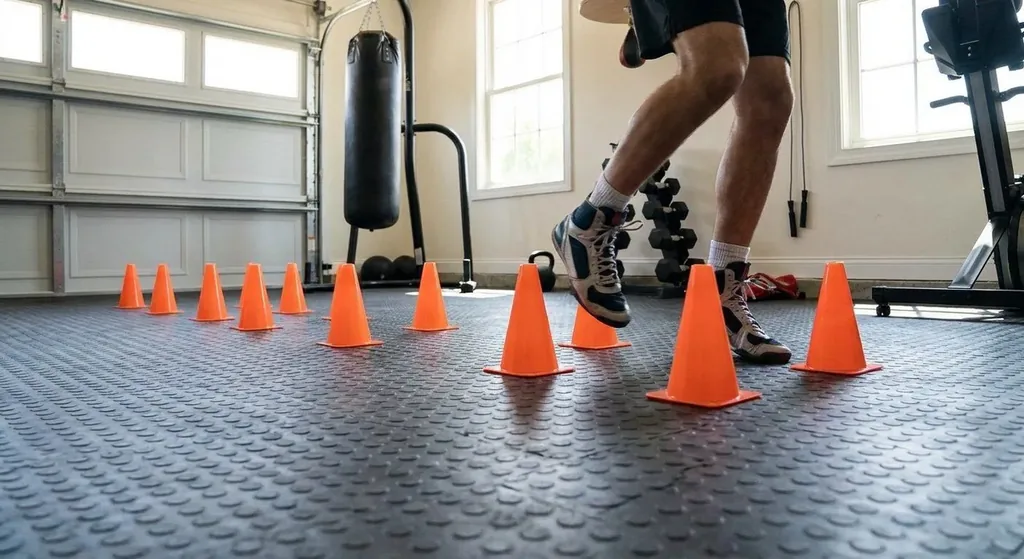
How much should a first pair cost?
A first pair should usually cost between £60 and £120. You can spend more, but most beginners do not need to.
Premium boots can be brilliant. They are lighter, better shaped, more responsive, and often more comfortable once broken in. But if you are still learning how to stand, move, and punch without falling over your front foot, a £200 boot will not save you.
For context, the Boxfit Nike HyperKO 3 product page has the HyperKO 3 at £199.99. That is a serious boot for someone who already knows they train enough to justify it.
The better first-buy question is not "what is the best boot?" It is "what is the least wrong boot for how I train right now?"
Look for these basics:
- Snug fit: your foot should not slide inside the shoe.
- Thin sole: you should feel connected to the floor.
- Enough ankle support: especially if you are new to boxing movement.
- Good lacing: the shoe should lock down without crushing the foot.
- Indoor-only use: do not wear boxing boots outside and then bring grit onto the gym floor.
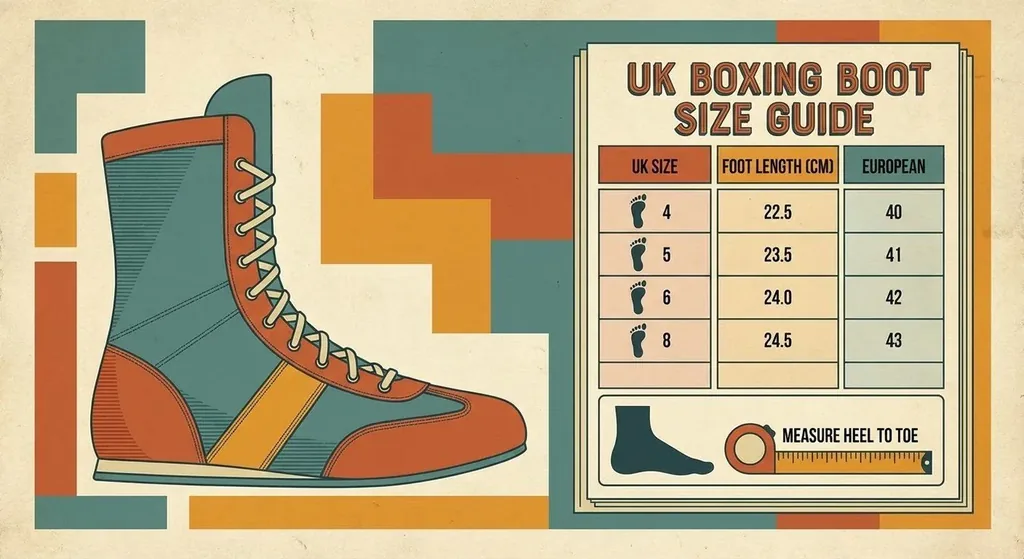
Do not buy boots that are too big because you want them to be comfortable. Boxing boots should feel closer than normal trainers. Not painful, not numb, not curling your toes, but close.
Can you use wrestling shoes for boxing?
You can use wrestling shoes for boxing, and many people do. They are light, grippy, and close to the floor.
The catch is that wrestling and boxing do not ask the foot for exactly the same things. Wrestling shoes can be very grippy because they are made for mats and different pressure angles. On a boxing floor, that grip can feel a little sticky for pivots.
If you already own wrestling shoes, use them for your first few sessions and see how they feel. If you are buying from scratch, buy boxing boots unless there is a clear reason not to.
The same goes for boxing-style fashion trainers. If they are sold as lifestyle shoes, treat them as lifestyle shoes. The gym floor does not care that they look like something from a weigh-in photo.
What not to wear
Do not wear outdoor trainers covered in grit. Do not wear worn-out running shoes with collapsing heels. Do not wear fashion trainers with thick soles and poor ankle hold. Do not wear anything that slides when you plant your foot.
A boxing gym is not fussy for the sake of it. Bad footwear affects you and the floor. Dirt makes the surface worse for everyone. Loose shoes affect balance. Heavy soles make footwork harder than it needs to be.
If you are unsure, bring what you have and ask a coach. That is better than guessing from a product page.
At Honour and Glory, beginners are not judged for starting simple. They are judged, kindly but clearly, by whether they take advice. If your shoes are holding you back, a coach will tell you.
The coach answer
If a beginner asked me whether to buy boxing boots before their first session, I would say no.
Come in. Train. See if you like the room, the coaching, and the feeling of doing something difficult without pretending it is easy.
If you are still there after a few weeks, buy boots. Start sensible. Spend enough to get proper support and a proper sole, but do not confuse price with progress.
The right boot will not make you good. It will make it easier to practise properly. That is enough.
If you are local to Blackheath, Greenwich, Kidbrooke or Woolwich, start with a session and let the kit follow the training. The order matters.
See the full ranked guide: Best Boxing Boots UK 2026 - scored picks with UK prices. First-pair shortlist: Best beginner boxing boots UK.
H&G Team
Writer at Honour & Glory Boxing Club, a community boxing gym in Kidbrooke, South East London.
KEEP READING
Should Beginners Buy a Boxing Bag?
A home bag can look like a money-saver. For most beginners, it is usually the fastest way to build bad habits and waste cash.
How Long Should Beginner Boxing Rounds Be?
Beginner boxing rounds do not need to be three minutes. Learn how to choose a length that keeps your technique useful.

Can You Go to a Boxing Class Alone?
Yes. Going to boxing alone is normal. Here is how a good first class should help you settle in, train properly and come back.
Was this page helpful?
It takes one tap, and it genuinely helps.
Choose your next step
Turn this article into the right action
Some readers are ready to book. Some need the class route first. Pick the route that matches what you actually want.