Boxing vs Walking for Weight Loss
Boxing burns roughly twice as many calories per hour as brisk walking. But walking has virtues that boxing does not. The real answer depends on where you are starting from, and the smartest approach uses both. Here is the full comparison, backed by a peer-reviewed study and practical numbers.
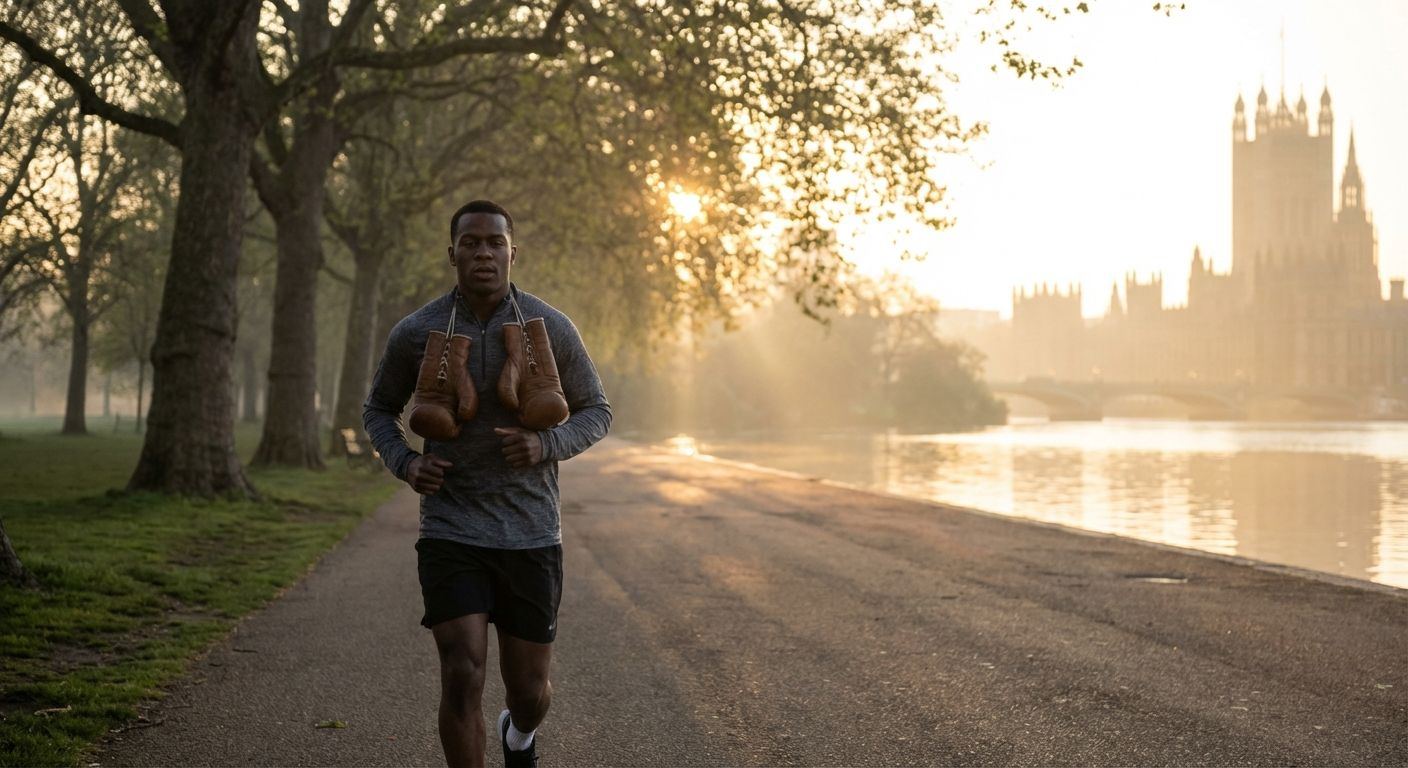
The Core Difference
Boxing
High-intensity, skill-based training that builds muscle and burns fat simultaneously.
- • Full-body workout every session
- • Builds lean muscle mass
- • Significant afterburn effect (EPOC)
- • Teaches a practical skill
- • Requires coaching for best results
Walking
Low-intensity, universally accessible movement that forms the foundation of an active life.
- • Zero barrier to entry
- • Can be done daily without recovery
- • Virtually zero injury risk
- • Excellent for mental health
- • No equipment or coaching needed
These are not really competing activities. They sit at opposite ends of the intensity spectrum and serve different purposes. Boxing is your high-output training. Walking is your daily movement foundation. The question is not which to choose, but how to combine them. That said, if you can only do one and your goal is weight loss, the data clearly favours boxing.
Calorie Burn: The Numbers
Calories per hour (70 kg / 11 stone person)
Sources: Harvard Medical School, PMC pilot study (Cheema et al. 2015)
Boxing burns 2-3 times more calories per hour than walking. A single 60-minute boxing session can burn as many calories as a two-hour walk. On raw efficiency per minute of exercise, boxing is the clear winner.
A 2015 pilot study published in BMC Sports Science, Medicine and Rehabilitation directly compared boxing-style HIIT with brisk walking over 12 weeks in obese adults. The boxing group achieved a 13.2% reduction in body fat mass, significantly outperforming the walking group. The boxing participants also showed greater improvements in physical functioning and vitality scores.
A separate TriHealth study found boxing to be more effective than walking specifically for reducing abdominal obesity, which carries the highest health risk.

Walking's Genuine Advantages
Despite the calorie gap, walking has strengths that deserve genuine respect:
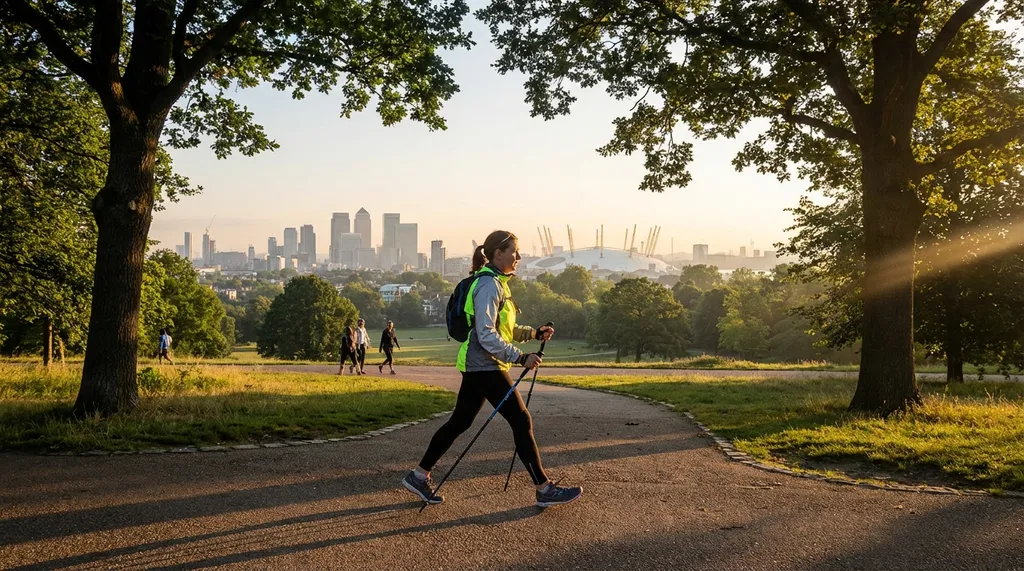
Zero barrier to entry. You can walk right now. No gym, no equipment, no coaching, no learning curve. For people who are currently sedentary or significantly overweight, walking is the simplest on-ramp to physical activity. That matters enormously.
Daily availability. You can walk every day without recovery concerns. You cannot and should not box every day. Walking fills the gaps between boxing sessions perfectly.
Virtually zero injury risk. Walking has the lowest injury rate of any physical activity. For people recovering from injury or dealing with joint problems, walking is the safest starting point available.
Mental health without intensity. Walking outdoors has well-documented benefits for mental health, creativity, and mood. It does not require pushing through discomfort, which matters when motivation is low.
Why Boxing Wins for Weight Loss
Beyond raw calorie burn, boxing has three advantages that compound over time:
Muscle building. Boxing builds lean muscle across your entire body. Walking builds virtually none. More muscle means a higher resting metabolic rate, which means you burn more calories throughout the day, not just during exercise.
The afterburn effect (EPOC). High-intensity exercise like boxing elevates your metabolism for hours after the session ends. Walking does not produce a meaningful afterburn. Over a week of training, this additional calorie expenditure adds up significantly.
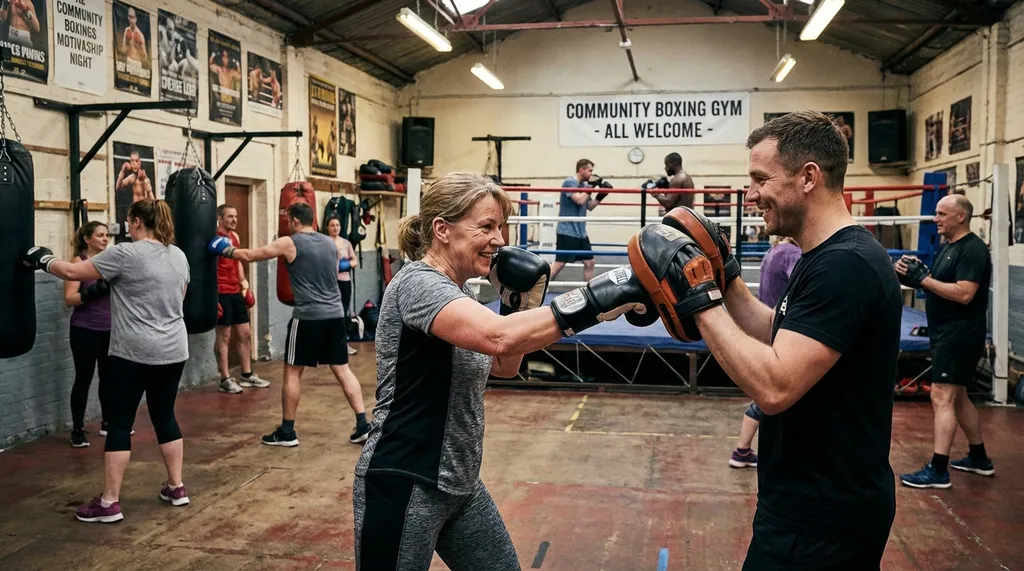
Engagement and adherence. Walking is simple, which is both its strength and its limitation. It is difficult to stay motivated walking for weight loss month after month because the activity never changes. Boxing provides constant novelty through skill progression, new combinations, pad work variety, and the social motivation of training alongside others. At Honour and Glory, the community keeps people coming back long after the initial motivation fades.
The Best Approach: Use Both
The optimal weight loss strategy is not boxing or walking. It is both. Boxing provides the high-output training that drives fat loss. Walking provides daily movement that aids recovery and keeps your metabolism active between sessions.
A Practical Weekly Plan
Weekly total: approximately 2,800-4,400 calories burned through exercise. Combined with a sensible diet, this produces meaningful, sustainable fat loss.
Cost Comparison
Walking is free. That is its single greatest advantage for people on a tight budget. Boxing at a community club costs £5-£10 per session with no contracts and no joining fee. For most people, £20-£40 per week for three or four boxing sessions is affordable and represents extraordinary value for the fitness return.
Rate this article
Your feedback helps us write better content
Which Should You Choose?
Choose boxing if:
- • Weight loss is your primary goal
- • You want to build muscle alongside burning fat
- • You benefit from structured, coached sessions
- • You want a skill and community, not just exercise
- • You have a baseline level of fitness to start
- • Long-term engagement matters to you
Choose walking if:
- • You are currently sedentary and need a starting point
- • You are significantly overweight and need low-impact exercise
- • Budget is extremely tight (walking is free)
- • You are recovering from injury
- • You want a daily movement habit, not intense training
- • Mental health benefits without physical intensity appeal to you
Our honest take: If you can only pick one for weight loss, pick boxing. The peer-reviewed data supports it, the calorie burn is double, and the muscle-building and afterburn effects compound over time. But the ideal approach is boxing three times a week with walking on the other days. It is simple, affordable, and effective.
If you are currently sedentary, start with walking. Build the habit of daily movement first. Then come to us when you are ready. There is no rush. The gym will still be here. Want to see for yourself? Book a free session and find out.
See also: Boxing for Weight Loss | How Many Calories Does Boxing Burn? | Boxing vs Squash | Boxing vs Climbing | Boxing vs Rowing
The best way to decide? Come and try it.
Your first session is free. No contract, no commitment.
Book Your Free Boxing Session
Your first session is free. No contract, no joining fee, no catches.
📍 122 Broad Walk, SE3 8ND · Pay as you go from £5