Kids Boxing vs Gymnastics: Which Activity Is Right for Your Child?
The Right Question
The question is not "which is better?" Both boxing and gymnastics are excellent physical activities for children. The question is which one suits your specific child at this specific point in their development.
The two activities develop different physical qualities, require different personality traits, and produce different kinds of confidence. Understanding the differences helps parents make a decision based on their child rather than on which activity seems more socially acceptable.
What Gymnastics Develops
Gymnastics is the most physically complete development sport for children under 10. The British Gymnastics Foundation describes it as the base sport for all physical activity, and the claim has merit.
Gymnastics develops: flexibility and joint mobility beyond what any other sport produces, body awareness and proprioception through inverted and rotating positions, upper body and core strength through the apparatus and floor work, balance and coordination at a high level, and spatial awareness from movements that involve rotation and flight.
For young children particularly, gymnastics builds the physical literacy - the fundamental movement competence - that transfers to every other physical activity they will encounter later.
The competitive pathway in gymnastics starts young and becomes very demanding. Elite gymnastics training for children can involve 15-20 hours per week by age 10, which raises legitimate questions about appropriateness and injury risk. BBC Sport has reported extensively on welfare concerns in youth gymnastics, and the sport has undergone significant reform in recent years.
Recreational gymnastics at a local club, without competitive pressure, avoids most of these concerns and provides excellent physical development.
What Boxing Develops
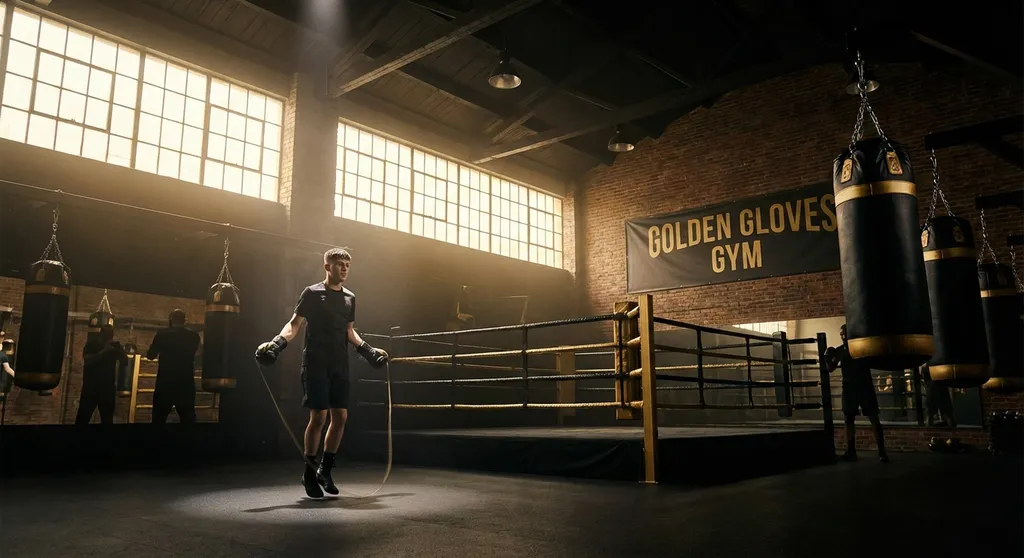
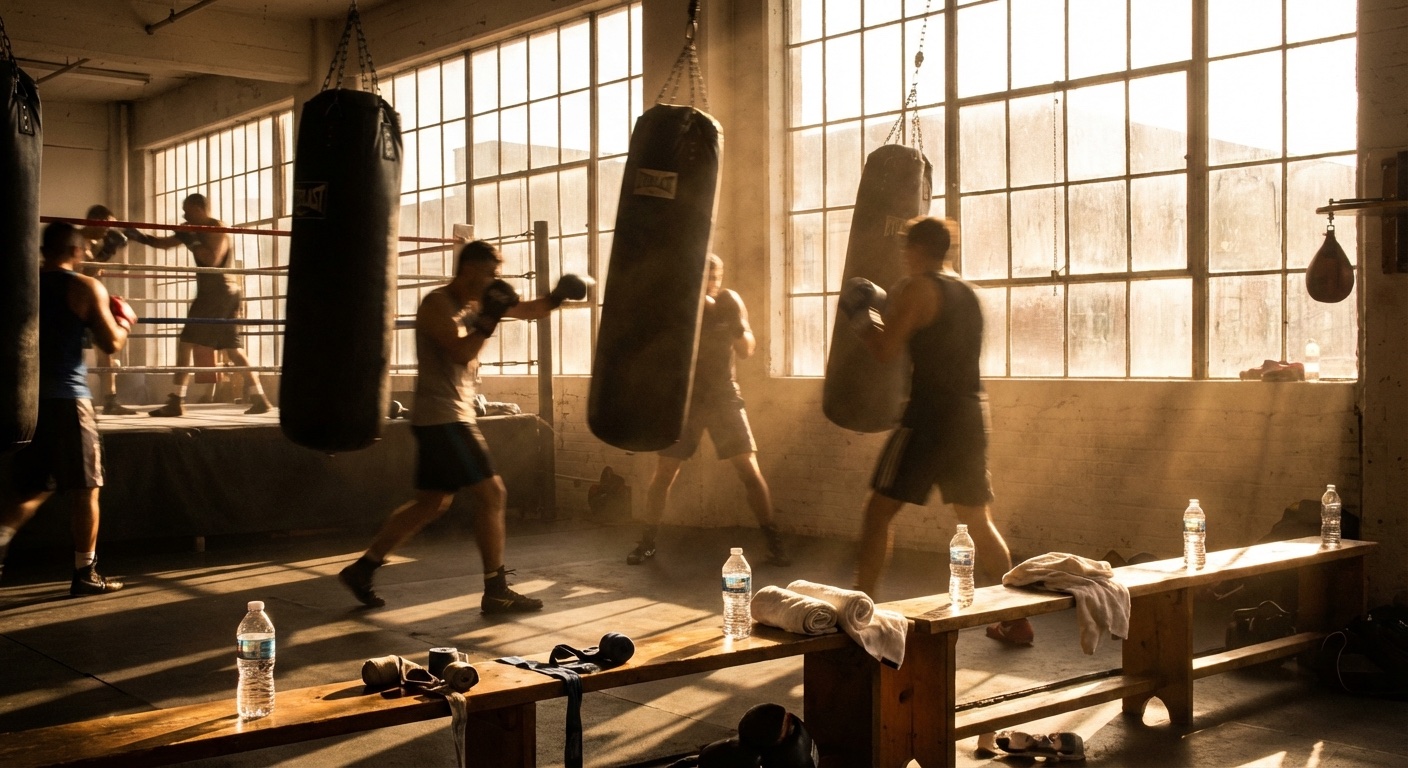
Boxing develops a different set of physical qualities: cardiovascular fitness at a high level, hand-eye coordination through the specific demand of hitting moving targets accurately, bilateral coordination through the asymmetric stance and alternating hand use, core strength through rotational punching movements, and reaction time through defensive work.
Beyond the physical, boxing develops specific psychological qualities: confidence through learned competence in a skill that most of their peers do not have, discipline through the coach-led training structure, resilience through the physical demands of training, and the ability to manage frustration through the process of learning a technically demanding skill.
Sport England Active Lives data for children shows increasing participation in boxing and combat sports among under-16s, reflecting the growing recognition that these activities develop qualities that other sports do not address as effectively.
The Key Differences
Physical demands. Gymnastics requires flexibility, light bodyweight, and specific body proportions for certain apparatus. Boxing requires cardiovascular fitness, coordination, and willingness to engage physically. Children who are naturally strong but not flexible may struggle with gymnastics. Children who are flexible but lack stamina may find boxing initially difficult.
Body type. Gymnastics favours smaller, lighter body types, particularly at competitive level. Boxing accommodates all body types through weight categories. For children who are taller, heavier, or do not fit the gymnastics physique, boxing is a more inclusive sport.
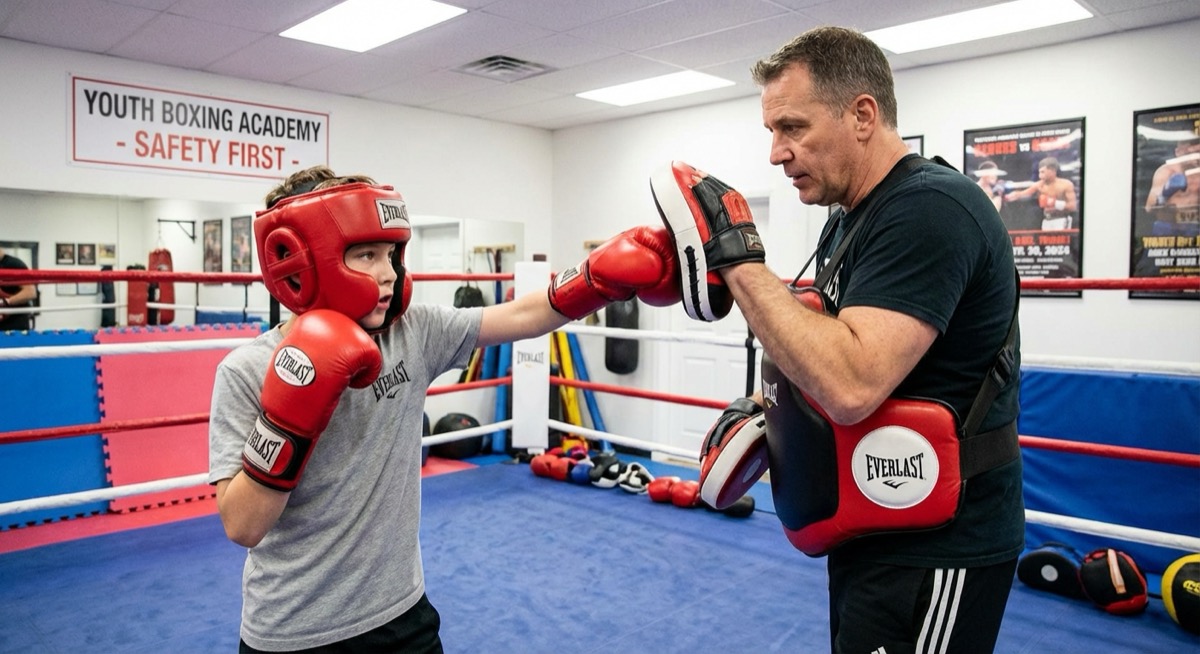
Social structure. Gymnastics training is largely individual, with children working on their own skills alongside others. Boxing training involves more partner work - pad holding, controlled technique drills - which creates a different social dynamic. Some children thrive in the parallel-play structure of gymnastics. Others need the partner interaction of boxing.
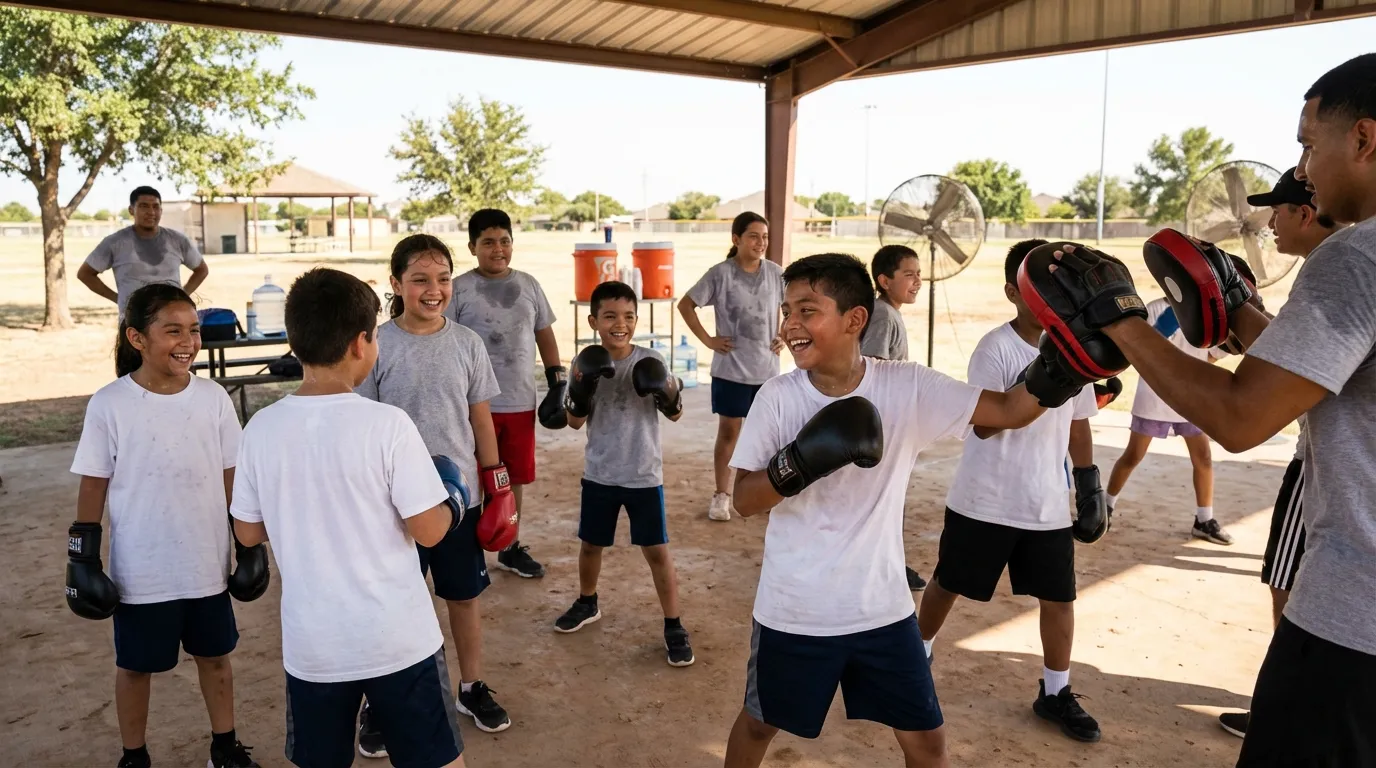
Contact. Gymnastics is non-contact. Boxing for children under 10 at a responsible club is also non-contact - the children hit pads and bags, not each other. At junior level (10+), controlled sparring may be introduced gradually for those who want it.

Which Child Suits Which Activity
Gymnastics suits: children who enjoy learning through repetition and individual practice, children with natural flexibility and body awareness, children who are motivated by mastery of specific skills (a cartwheel, a handstand, a back walkover), and children who prefer structured progression through clearly defined levels.
Boxing suits: children who have high physical energy that needs channelling, children who enjoy physical challenge and working through fatigue, children who respond well to a coach-led environment with clear expectations, children who are not naturally drawn to team sports, and children who benefit from the confidence that comes from learning something perceived as tough.
Both suit: children who enjoy physical activity and learning new skills. Many children do both at different points in their childhood.
Cost Comparison
Recreational gymnastics in London typically costs £40-60 per month for one session per week. Some clubs charge per term.
Boxing at a community club like Honour and Glory costs £8.50 per session for Junior Recreational (7-16) and £5 for Junior Competitive (10-16). No contract, no monthly fee, pay per session. Two sessions per week is approximately £68-70 per month.
The pricing models are different: gymnastics tends toward fixed monthly or termly fees, boxing tends toward pay-per-session. For parents who want flexibility - the ability to miss weeks without paying - pay-per-session is advantageous.
The Combination Approach
Some parents find that both activities in combination produces a well-rounded physical development that neither achieves alone. Gymnastics provides the flexibility and body awareness foundation. Boxing provides the cardiovascular conditioning and the specific confidence that comes from learning a combat skill.
Children who do gymnastics early and add boxing later often develop excellent boxing footwork because their body awareness and balance are already strong.
How to Decide
Take your child to a trial session at both. Watch how they respond. The activity where they are engaged, challenged, and want to return is the right one. Do not decide based on what you think they should do. Decide based on what they actually respond to.
The free trial at Honour and Glory is available for Junior Recreational from age 7 and Junior Competitive from age 10.
H&G Team
Writer at Honour & Glory Boxing Club, a community boxing gym in Kidbrooke, South East London.
Was this page helpful?
Your feedback helps us improve this page
Got questions about what you just read?
ASK OUR AI ASSISTANT ✨MORE LIKE THIS
WANT TO JOIN US?
Book a free trial session and see what we're all about.
Claim a Free Trial