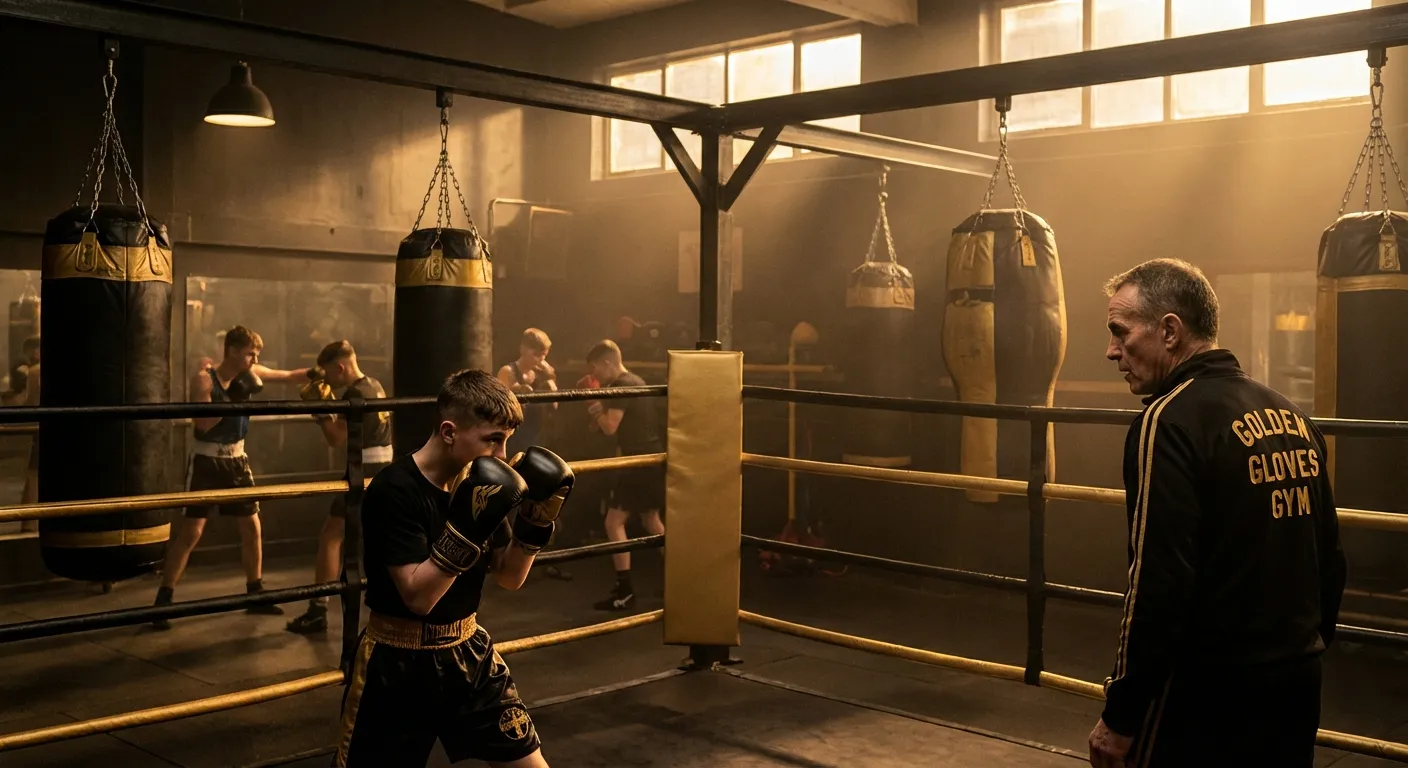
Resilience - the capacity to recover from difficulty and continue functioning - is one of the qualities parents most want to develop in their children. It is also one of the hardest to develop deliberately, because resilience is built through encountering difficulty, not through avoiding it.
This is why boxing builds resilience effectively. And it is why many softer approaches to resilience-building - motivational talks, mindfulness programmes, protected environments - have limited effectiveness.
What Resilience Actually Is
Resilience is not the absence of difficulty or the absence of distress in response to difficulty. It is the capacity to experience difficulty and distress and to continue functioning and recovering.
Psychologists typically identify several components of resilience:
Emotional regulation - the ability to manage strong emotions without becoming overwhelmed.
Cognitive flexibility - the ability to see problems from different angles and find alternative solutions.
Self-efficacy - the belief that your own efforts can produce outcomes.
Social support - access to relationships that buffer stress.
Boxing training develops all four.
Emotional Regulation Through Physical Challenge
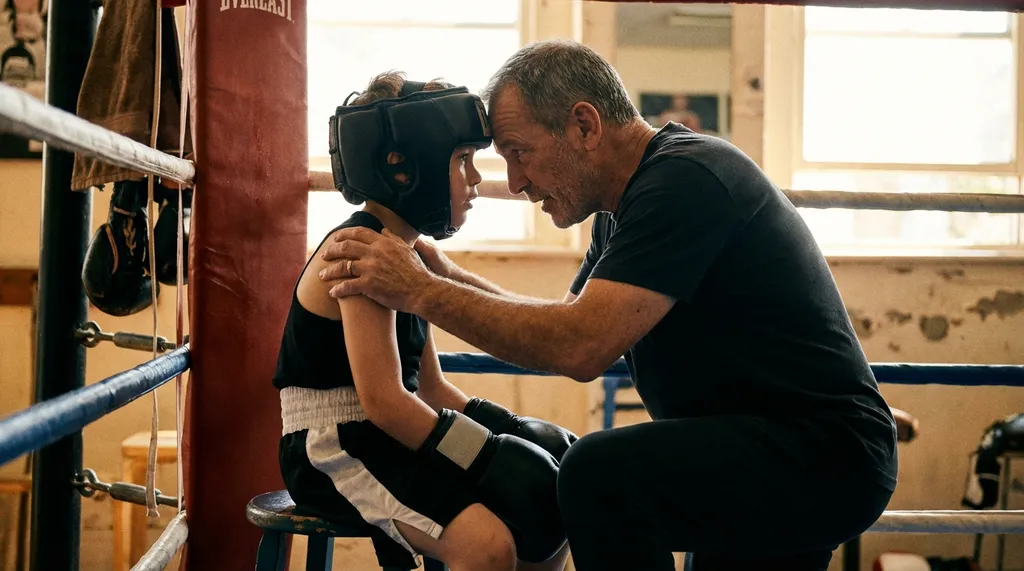
The experience of being tired and continuing. The experience of failing to execute a combination correctly and trying again. The experience of a coach pushing you through rounds you thought you had finished.
These are controlled experiences of difficulty that require emotional regulation. Some children find tiredness, frustration or setbacks difficult. In a coached setting, boxing can give them safe practice in staying calm, trying again and building confidence.
The key is "controlled." Boxing training provides difficulty in a supervised, safe environment where the coach knows how far to push each child and adjusts accordingly. It is not random adversity. It is graduated challenge.
A 2019 study in the Journal of Sport and Exercise Psychology found that children who participated in combat sports showed significantly better emotional regulation scores than matched controls, with the improvement mediated specifically by the experience of managed physical and psychological challenge during training (source).
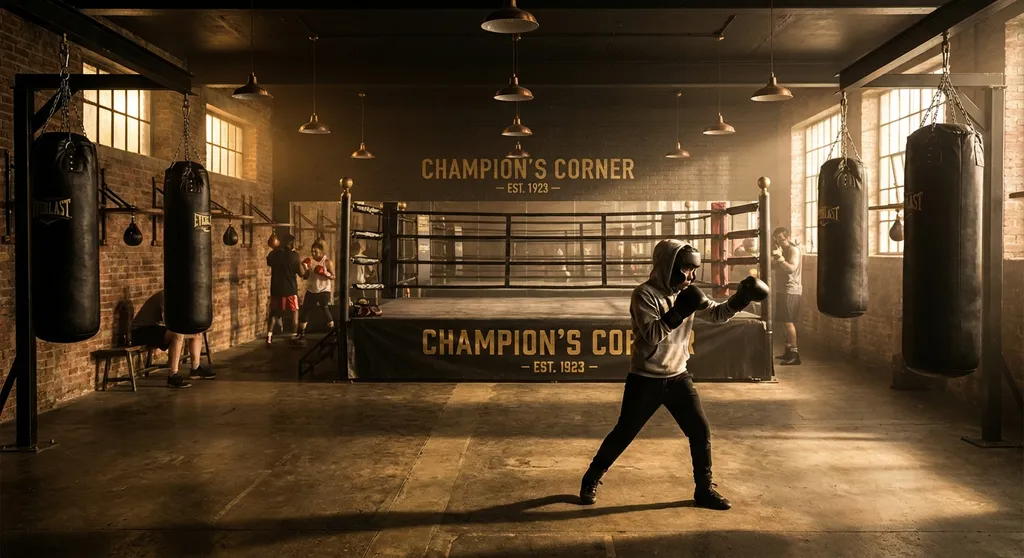
Self-Efficacy Through Skill Mastery
Self-efficacy - the belief that your efforts produce results - is built through actually experiencing that your efforts produce results.
Boxing provides this with unusual clarity. You could not do this last month. You can do it now. The jab that was ragged in week two is clean in week eight. You did that. Your effort produced that result.
This is different from praise-based confidence, which tells children they are good without evidence. Evidence-based self-efficacy comes from observing the connection between effort and improvement over time (source).
Children who develop strong self-efficacy in one domain transfer it to others. A child who has learned that consistent effort over weeks produces skill in boxing often begins to apply the same principle to academic learning, to social challenges, to other physical skills.
Social Support Through Community
The boxing gym community is one of the most consistent protective factors for children who train regularly.
Coaches who know your name. Training partners who notice when you are absent. A shared experience that creates genuine bonds. This is the social support dimension of resilience, provided by the gym community in a form that some children do not find easily elsewhere.
For children with fewer social connections outside school - whether due to shyness, neurodivergence, family circumstances, or simple chance - the boxing gym often becomes one of their most significant social communities.
Cognitive Flexibility Through Tactical Thinking
Boxing is a thinking sport. The decisions made within a round - when to press, when to hold off, how to adjust to an opponent's tendencies, what to do when your initial plan is not working - require cognitive flexibility.
This is not abstract thinking. It is practical, embodied, real-time problem-solving. Over time, this kind of flexible thinking under pressure becomes habitual.
The Challenge of Building Resilience Safely
The risk with an article like this is that it sounds like a justification for exposing children to excessive difficulty. It is not.
Boxing training at a well-run club for children is designed to challenge appropriately, not to overwhelm. The coach knows each child's limits and adjusts the demands accordingly. The difficulty is real but it is managed.
The goal is the successful navigation of difficulty - the experience of trying something hard, struggling, and succeeding or recovering. Not the experience of being overwhelmed and failing without support.
This is why the quality of coaching matters so much. A good coach knows how far to push. A poor one either pushes too little (no challenge, no growth) or too much (overwhelm, withdrawal, harm).
At Honour and Glory, our coaches are experienced with children across the full developmental range. The trial session is the best way to see how they work.
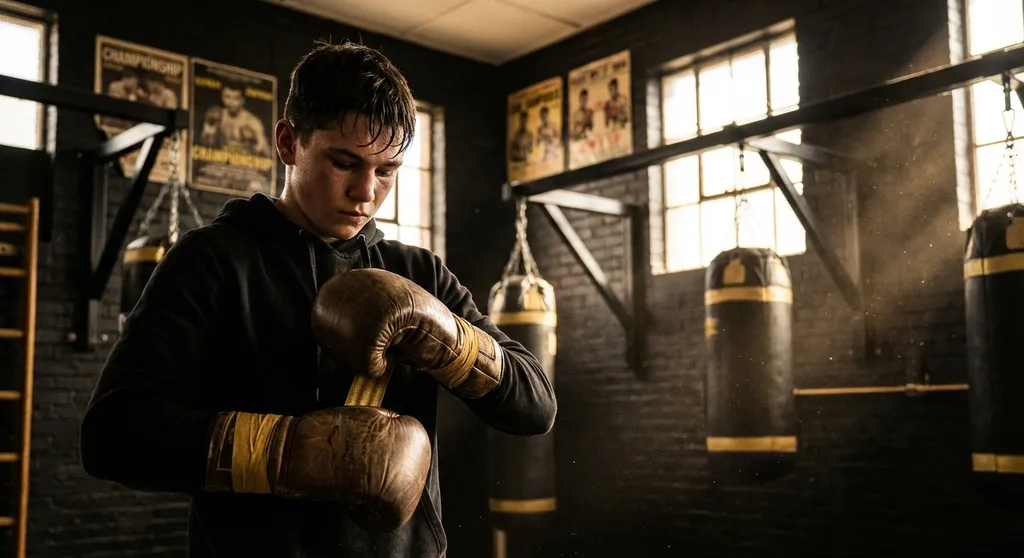
Claim a free trial session at Honour and Glory Boxing Club.
Parent route at Honour and Glory
For most children aged 7-16, the right first step is Junior Recreational boxing: structured, coach-led training with no pressure to compete. If your child may need a gentler first step or extra reassurance, use our parents guide to kids boxing before booking.
If your child already wants boxing and you just want to see how they respond, book a free Junior Recreational trial.
H&G Team
Writer at Honour & Glory Boxing Club, a community boxing gym in Kidbrooke, South East London.
Was this page helpful?
Your feedback helps us improve this page
Got questions about what you just read?
ASK OUR AI ASSISTANT ✨MORE LIKE THIS

WANT TO JOIN US?
Book a free trial session and see what we're all about.
Claim a Free Trial