How to Start Amateur Boxing in Bromley
How to Start Amateur Boxing in Bromley
There is a persistent confusion in the public understanding of boxing between professional boxing - the paid, commercial business of prize fighting - and amateur boxing, which is an Olympic sport with a clear structure, proper governance, and a genuine competitive pathway that is accessible to ordinary people.
If you are in the Bromley area and interested in competitive boxing, the amateur route is where you start. This guide explains what amateur boxing actually is, how the pathway from beginner to first competition works, and what you need to know before you take the first step.
What Amateur Boxing Actually Means
Amateur boxing in England has separate routes. The Amateur Boxing Alliance is the grassroots domestic pathway used by clubs like Honour and Glory. England Boxing is the Olympic-style pathway. The rules are different from professional boxing - shorter rounds, clean-punch scoring and age-appropriate safety requirements - but the skills, the training, and the competitive spirit are completely genuine.
Amateur boxing is not a beginner's version of the sport. It is the version of the sport through which every professional champion passes. Virtually every professional boxer of note began as an amateur. The competitive pathway - from first bout to national championship - is structured, properly regulated, and has appropriate safeguards at every level.
For adults who want to compete, amateur boxing offers something genuinely rare: a structured competitive environment with properly matched opponents, qualified officials, and a clear progression. You are not just fighting whoever happens to be available. Your first bouts are matched carefully - in weight, experience, and age - by officials who have a responsibility to get those matches right.
The Pathway from Beginner to First Bout
The pathway is longer than most people expect, and that length is a feature, not a bug.
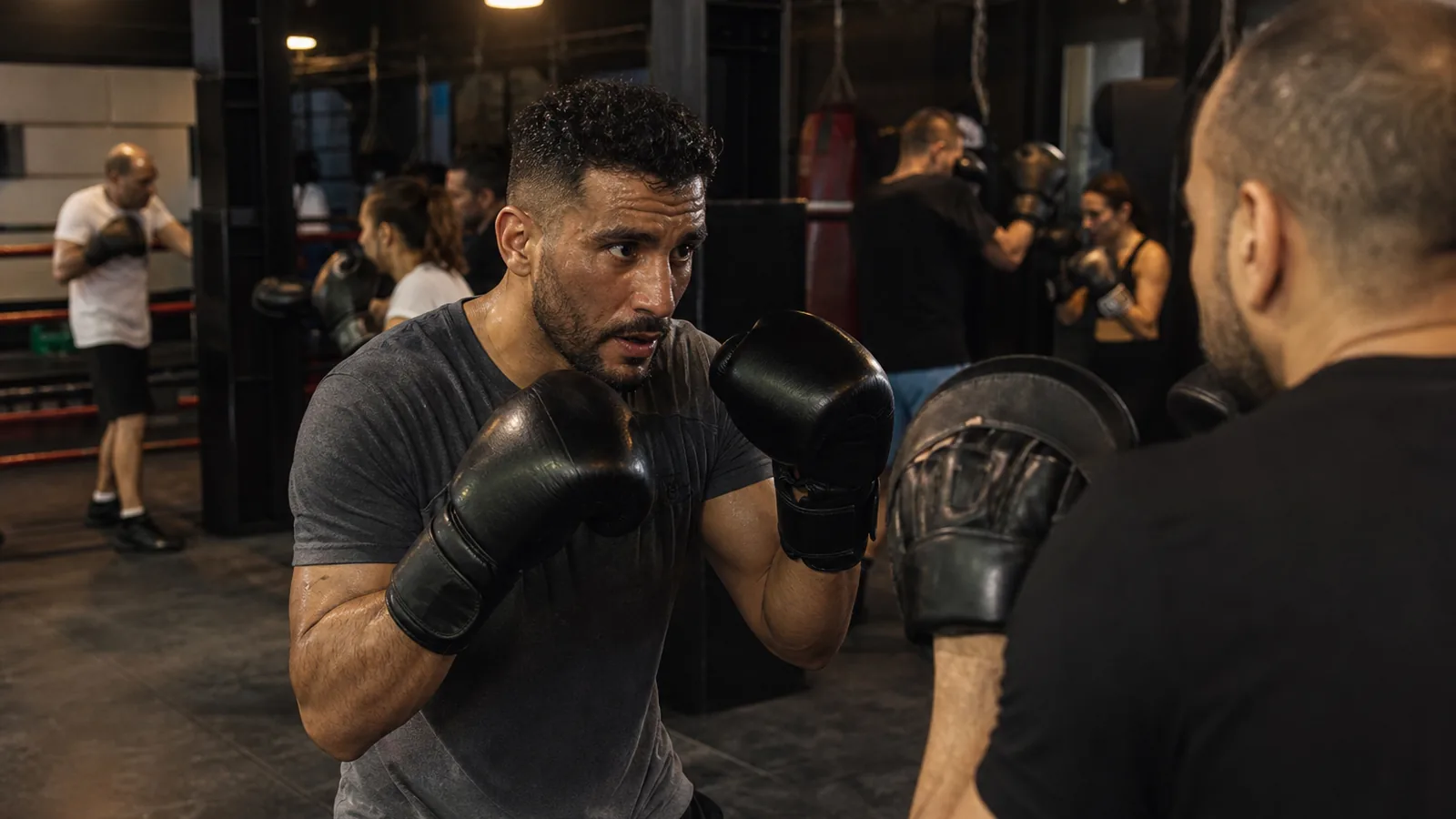
The first phase is technical development. Before you are anywhere near a competitive context, you need meaningful boxing fundamentals: stance, guard, the basic punches, footwork, defensive technique. At two to three sessions per week, expect at least three to six months on foundations before any conversation about competition is appropriate.
This is the phase that separates genuine aspirants from people who like the idea of competitive boxing more than the reality of preparation. The gym work is repetitive, demanding, and humbling. You will learn things that feel trivial - how to hold your guard when tired, how to breathe with your punches, how to pivot without crossing your feet - again and again until they are automatic. That automation is the point.
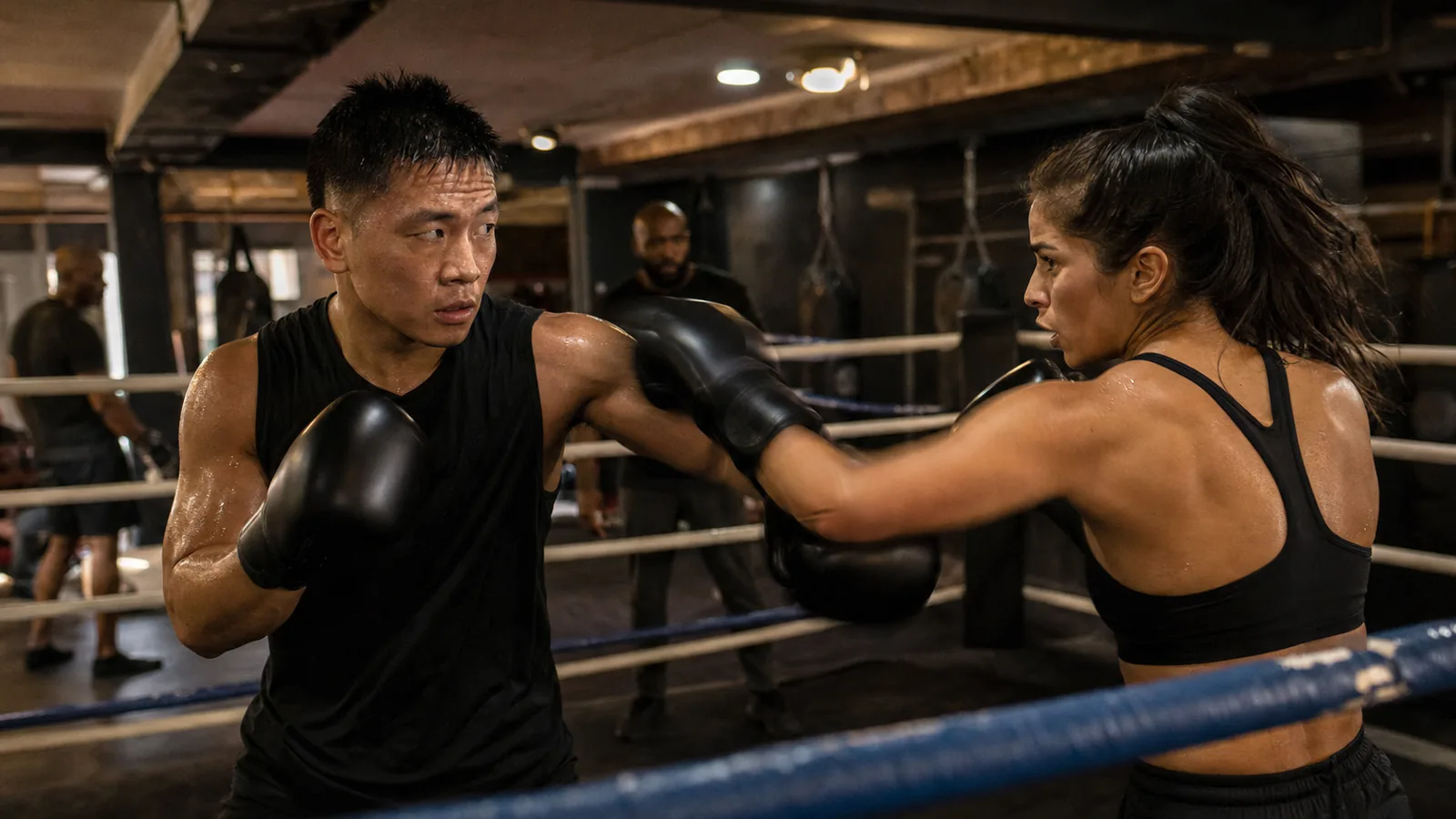
The second phase is controlled sparring. Once your technique is at a level where sparring is productive rather than simply chaotic, your coaches will begin to introduce light contact with suitable training partners. This phase is about applying technical skills under pressure. It is also where you discover what your specific challenges are - whether you have good instincts in close range, whether your footwork holds up under pressure, whether your defence slips under fatigue.
Good coaches manage this phase carefully. You are not thrown into hard sparring. The partners are selected to provide appropriate challenge without overwhelming. The intensity builds gradually over weeks and months.
The third phase is white collar and novice bouts. Amateur Boxing Alliance has provision for novice competitions - fighters with limited or no competitive experience - that are matched more carefully than open competitions. Your first competitive bout will be in this category. It will be against someone with similar experience, at the same weight, and will be heavily supervised by officials and coaches who take the responsibility of novice matching seriously.
What Amateur Competition Looks Like
Amateur bouts for adults typically run to three rounds of two or three minutes each, depending on the category. The scoring is done by judges watching for clean, effective punching - gloved punches landing on the scoring area with force and accuracy. The outcome is a points decision in most cases, though stoppages do occur.
The experience of a first competitive bout is almost impossible to prepare for intellectually. The ring feels smaller than it looks from outside. The atmosphere is different from any training session. The opponent is trying to hit you, which the training partners you know best are generally not trying to do at full intensity.
All of that sounds daunting. Every boxer who has competed will tell you that what it actually feels like is a profound level of aliveness - a clarity and presence that is difficult to find anywhere else. Most people who compete once want to compete again. The experience is addictive in the best possible sense.
The Training Requirements
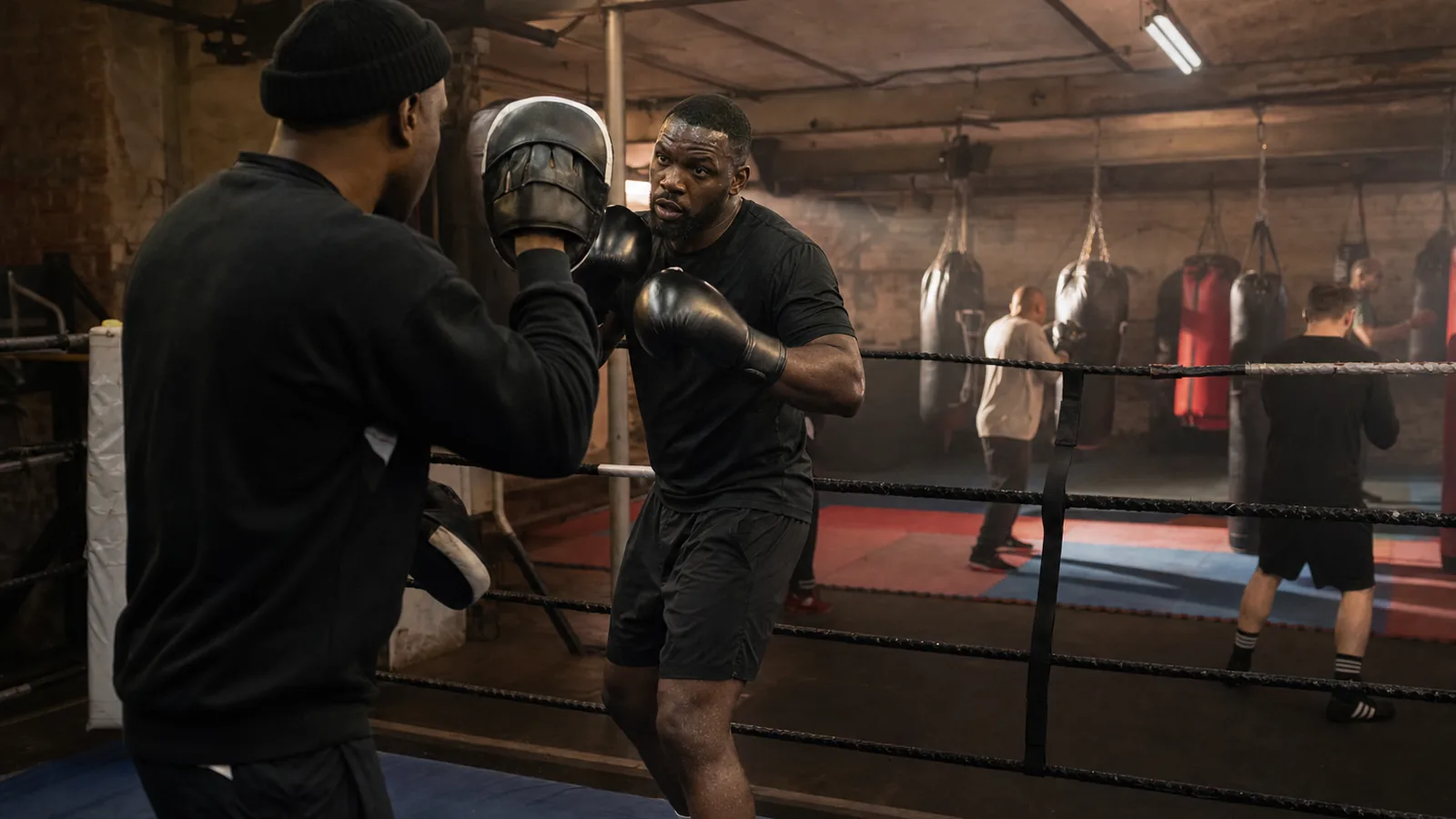
You should expect to train a minimum of two sessions per week consistently to make genuine progress towards competition. Three is significantly better. Competitive boxers at amateur level typically train three to five sessions per week, including technical sessions, sparring, and conditioning work.
Conditioning work outside the gym - running, skipping at home - accelerates development considerably. Your cardiovascular fitness is the foundation on which everything else sits. A technically good boxer with poor fitness will be overtaken in the later rounds. Building and maintaining your aerobic base is not optional if competition is your goal.
Nutrition and rest matter more in boxing than in most sports because the sport demands weight category compliance. Managing your weight is a skill in itself and one that coaches take seriously. The culture around extreme weight-cutting that exists in professional boxing is not appropriate at amateur level, and reputable clubs do not encourage it.
What to Ask a Gym Before You Commit
Ask directly whether the gym has boxers competing at amateur level currently. Ask who manages competition preparation and how that process works. Ask what the typical timeline looks like from beginner to first bout.
Ask about the coaching qualifications relevant to competitive boxing. Amateur Boxing Alliance coaching at Level 2 and above is the relevant standard for coaches preparing fighters for competition. Level 1 is appropriate for beginner and fitness-focused sessions, but if competition is your goal, you want coaches with competitive experience.
Honour & Glory supports the full pathway from beginner to competitive amateur boxing. Our classes include both foundational development sessions and more advanced work for members progressing towards competition.
The First Decision
You do not start the amateur boxing pathway by signing up for a bout. You start it by walking into a gym, being honest about your goals, and beginning the patient, systematic work of developing your technique.
If you are in Bromley and serious about competitive boxing, the place to begin is a club that takes the full pathway seriously. Claim a free trial at Honour & Glory and have a conversation with our coaches about what your goals are. That conversation is where everything starts.
Prefer to start somewhere closer to home? Browse boxing classes near you across southeast London.
Was this page helpful?
It takes one tap, and it genuinely helps.
Honour and Glory Boxing Club
Honour and Glory is a boxing club in Kidbrooke, SE3, based at 122 Broad Walk. The club runs structured group classes for adults and children from age 7, with no joining fee and no contract.
Head coach Anton Pattenden holds a British Boxing Board of Control trainer licence. Free trials apply to scheduled group classes; personal training is arranged separately by enquiry.
Address
122 Broad Walk, Kidbrooke, London SE3 8ND
Classes
Women's, Mixed Adults, Junior Recreational, Junior Competitive
First session
Free. Book a trial so Anton knows you are coming.
MORE ABOUT BOXING NEAR BROMLEY
Best Boxing Classes Near Bromley (2026)
Boxing classes near Bromley at Honour and Glory in Kidbrooke SE3, 24 minutes by car. Free group-class trial, adult classes £10, juniors £8.50.
Best Fitness Classes in Bromley
Looking for the best fitness classes in Bromley? Find out why boxing training at Honour & Glory in Kidbrooke SE3 outperforms most gym-based options.
Best Kids Activities in Bromley
From football to gymnastics, Bromley has plenty of kids activities - but boxing is the one most parents overlook. Here is why that is a mistake.
READY TO START?
Book a free group trial near Bromley and see what real boxing training looks like.
Book a Free Trial