How to Report a Safeguarding Concern at a Boxing Club
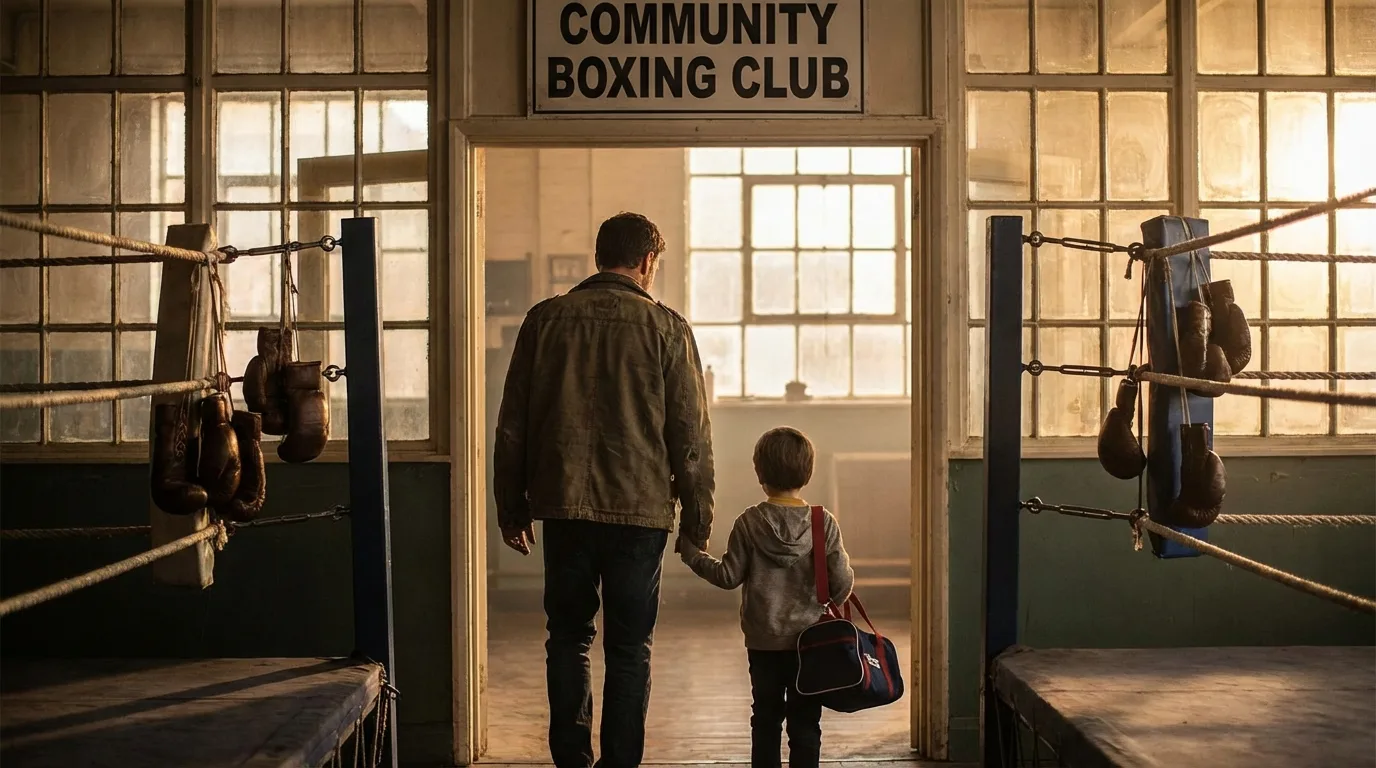
Something feels off. You cannot always name it precisely. Your child is reluctant to go to training. A coach has been messaging them. You saw something in a session that did not sit right. Another parent mentioned something.
The difficulty at this stage is not knowing whether your concern is significant enough to report. This stops a lot of people from acting, and it should not.
The threshold for raising a concern is not certainty. It is discomfort. If you are uncomfortable about something involving your child's safety, that is enough.
Who to Contact First
The first contact depends on the nature of your concern and how urgent it is.
If a child is in immediate danger, call 999.
This is not a step to skip or defer. If you believe a child is being harmed right now, the police are the correct first response. Governing body channels exist for non-emergency situations.
For non-urgent concerns at an affiliated club:
Contact the club's Welfare Officer. Every affiliated boxing club is required to have a named person in this role. They are trained to receive concerns and know the reporting process. If you do not know who the Welfare Officer is, ask the club directly.
If you are not comfortable speaking to the club - for example, if your concern involves someone senior in the club's management - you can go directly to the governing body.
For ABA-affiliated clubs (including Honour and Glory):
Contact the Amateur Boxing Alliance via www.alliance-boxing.com.
For England Boxing affiliated clubs:
Compliance and Safeguarding Manager
Email: safeguarding@englandboxing.org
Tel: 07590 600 001
If you are unsure which body a club is affiliated with, ask the club directly, or use either route - both will direct you appropriately.
For any club, affiliated or not:
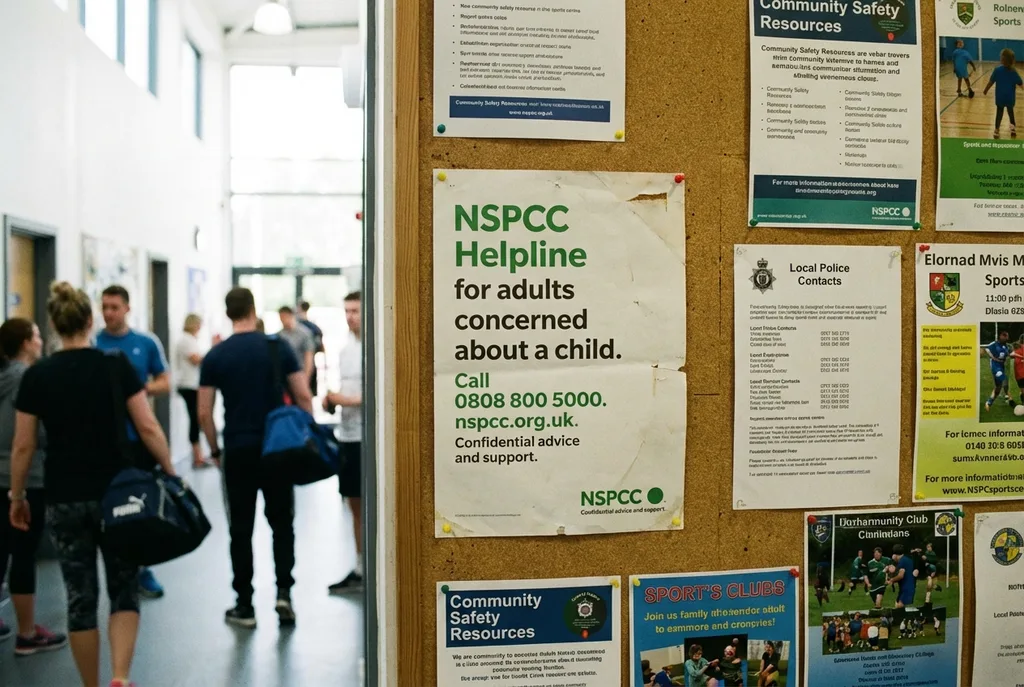
The NSPCC Helpline can advise adults who are worried about a child:
Tel: 0808 800 5000
Email: help@nspcc.org
You do not need to be certain. You do not need to have witnessed something directly. The helpline advisors are trained to help you work out what to do. If you are waiting for a response and the risk to a child increases, contact the police or local children's services directly.
The CPSU's guidance on dealing with a concern is publicly available and walks through each stage of the process in plain language.

What Types of Concerns to Report
Safeguarding concerns are not only about physical or sexual abuse. They include a wide range of behaviours and situations:
Inappropriate contact. A coach sending private messages to a child on social media or messaging apps, particularly messages the parent does not know about, is not acceptable regardless of the content. This type of one-to-one digital contact is specifically flagged in safeguarding guidance as a grooming risk factor.
Behaviour that makes a child uncomfortable. If your child says a coach makes them feel uncomfortable, or becomes reluctant to attend without being able to articulate why, take this seriously. Children often cannot name what is wrong but they register it physically.
Physical contact that goes beyond coaching necessity. Boxing coaching involves physical correction of technique, which is normal. Contact that is not related to coaching, or that a child finds distressing, is not.
Exclusion from normal supervision. Sessions where a coach and child are alone in a room, or where parents are routinely excluded from watching, create conditions where safeguarding frameworks cannot function.
Verbal abuse or humiliation. Shouting at children, belittling them in front of others, or using techniques designed to break them down rather than build them up is not acceptable coaching practice in youth sport, regardless of sporting tradition.
Peer-on-peer abuse. Safeguarding is not only about adults. If a child is being bullied, harassed, or pressured by other children at the club, and the club is not responding to it, that is also a welfare concern.

What Happens When You Report
When you contact a Welfare Officer or governing body safeguarding contact, they should:
- Listen to what you have observed or been told without dismissing it
- Record the concern
- Explain what steps will follow
- Tell you whether children's social care or police will be involved
You should receive a response, not silence. If you report to a Welfare Officer and nothing happens and no follow-up is provided, escalate to the governing body directly.
If a club's response to a concern is to make you feel that you have caused a problem by raising it, leave the club. This response is not unusual in settings with weak safeguarding culture, and it is itself a warning sign.
The CPSU notes that concerns should be reported even when you are unsure whether they rise to the level of a formal complaint. Early reporting of low-level concerns is the mechanism that prevents escalation.
Keeping a Record
If you have observed something that concerns you, write it down before you report it. Include:
- What you saw or heard
- When it happened (date, approximate time)
- Who was present
- Any words spoken that you can recall
Exact quotes and precise timing are more useful to any subsequent investigation than general impressions. The record does not need to be formal - a note on your phone is fine. The purpose is to capture what you know before memory degrades.
Protecting Children Who Disclose
If a child tells you something that concerns you, there are specific things you should and should not do.
- Listen calmly without expressing shock or disbelief
- Let them speak at their own pace
- Tell them they have done the right thing by telling you
- Make a note of what they said in their own words
- Ask leading questions ("Did he touch you there?")
- Promise to keep it secret
- Investigate yourself by confronting the person they have named
- Delay reporting
Children who disclose are often monitoring how the adult responds to decide whether to continue. Calm, belief, and action are what they need.
The Standard Every Boxing Club Should Meet
This is the minimum. A boxing club working with children should have:
- A named, reachable Welfare Officer
- Written safeguarding policies
- Enhanced DBS checks for all coaches
- At least two adults present during all children's sessions
- A clear process for parents to raise concerns
- No restrictions on parents watching sessions
This is not a high bar. Clubs that meet it are not exceptional - they are compliant. Clubs that fall below it are not.
If you are currently looking for a club for your child and safeguarding is part of your decision, read our related guides on what safeguarding standards boxing clubs must meet and how to check a coach's DBS status.
At Honour and Glory
Honour and Glory Boxing Club in Kidbrooke, SE3 is affiliated with the Amateur Boxing Alliance. We have a named Welfare Officer, and parents are welcome to ask direct questions about safeguarding arrangements, supervision and coaching checks before bringing a child to train.
If you have a concern about anything at our club, contact us directly at info@honourandglory.co.uk or 07544 737278. We will respond.
If you prefer not to contact the club directly, you can contact the Amateur Boxing Alliance or the NSPCC helpline.
Claim a free trial session for your child at Honour and Glory.
H&G Team
Writer at Honour & Glory Boxing Club, a community boxing gym in Kidbrooke, South East London.
KEEP READING

Safeguarding in Boxing: What Parents Should Know
Every boxing club working with children in the UK should meet minimum safeguarding standards. Most parents do not know what those standards are or how to check them.
What a Good Junior Boxing Club Feels Like
Parents usually know when a room feels right for their child. Here is what a good junior boxing club should actually feel like in practice.
Questions to Ask a Kids Boxing Club
Most parents do not need a boxing education before choosing a club. They just need to ask the right questions and notice how the adults answer them.
Was this page helpful?
It takes one tap, and it genuinely helps.
Choose your next step
Turn this article into the right action
Some readers are ready to book. Some need the class route first. Pick the route that matches what you actually want.