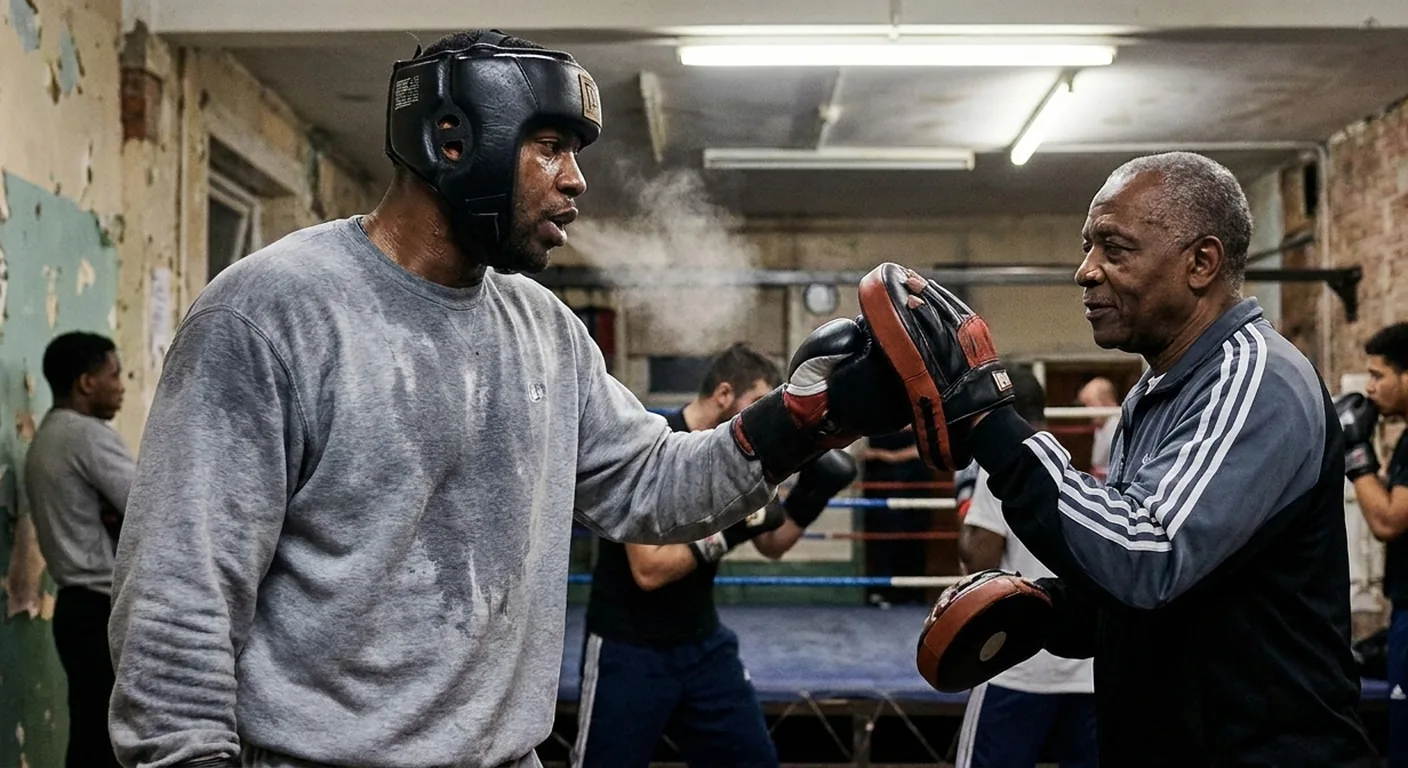
Most beginners do not realise they are holding their breath until the round starts falling apart.
The shoulders tighten. The jaw locks. The combinations get rushed. Then, somewhere around the second minute, the boxer who looked fine at the start suddenly looks like somebody has unplugged them. They are not always unfit. Often they are breathing badly.
Boxing breathing is not mystical. It is a habit built around one simple rule: breathe while you work, not after you panic.
That matters because boxing is hard even when you are doing it well. A study of a simulated Olympic boxing bout found athletes spent roughly 60 per cent of the active contest above ventilatory threshold 2, which is a very hard exercise zone (Open Access Journal of Sports Medicine). If trained boxers are working that high, a beginner who holds their breath has no chance of feeling comfortable.
The fix is not a motivational speech. It is cleaner rhythm, looser shoulders, and a sharp exhale on the work.
Why beginners hold their breath in boxing
Beginners hold their breath because boxing gives them too many jobs at once.
They are trying to remember the stance, listen to the coach, keep the guard up, hit the pad, avoid crossing their feet, and not look silly. Breathing gets pushed to the bottom of the list. Then the body switches into tension mode.
You can see it from across the gym. The fists squeeze too hard. The face tightens. Every jab is thrown like it has to win a title. Between punches there is no real reset, just a person bracing for the next instruction.
This is why breathing problems often show up before fitness problems. A fit runner can still gas out in boxing if they turn every exchange into a breath-holding contest.
If that sounds familiar, our article on why beginners gas out in boxing explains the wider pattern. Breathing is one part of it, but it is usually the part you can start fixing fastest.
Exhale on the punch, not after the combination
The basic boxing rule is simple: exhale as the punch leaves.
That does not mean a long theatrical shout. It means a short, sharp breath. A small "tss" or "ss" sound is enough. The point is to stop air getting trapped while your body is trying to move fast.
When you exhale on each punch, three useful things happen. You avoid breath-holding, you keep the torso less rigid, and you give the combination a rhythm. The punch stops being a separate effort from the breath. They become one action.
The mistake is saving the breath until the end of the combination. Beginners often throw jab-cross-hook while holding everything in, then gulp air afterwards. That is backwards. By the time they inhale, the panic has already started.
Try this on the bag: jab with a sharp exhale, reset, cross with a sharp exhale, reset. Do it slowly first. If you cannot breathe properly at slow speed, you will not breathe properly when the coach raises the pace.
Do not turn breathing into noise for its own sake
There is a difference between useful breathing and performative noise.
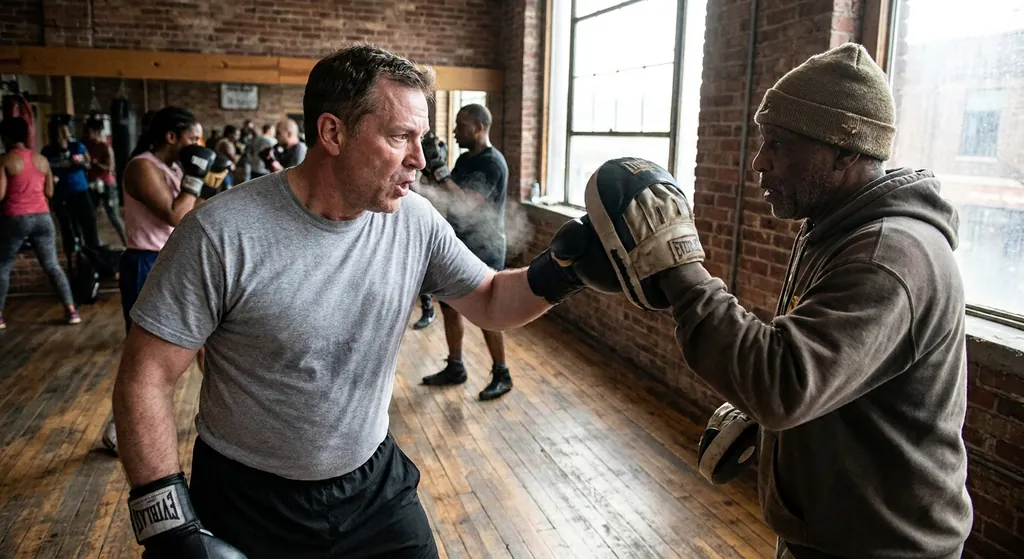
Some boxers grunt, hiss, or shout on every shot. That can be fine if the rhythm is real. It is not fine if the noise is covering up panic, wasted effort, or bad technique.
A good exhale is short enough that you can keep working. It does not empty the lungs completely. It does not make the shoulders rise. It does not turn every pad round into a sound effects competition.
The coach should be able to hear that you are breathing without hearing a one-person theatre show.
For beginners, the useful benchmark is this: if the exhale helps you stay relaxed and repeat the movement, keep it. If it makes you tense up, over-hit, or lose balance, calm it down.
Breathing controls tension as much as oxygen
People talk about breathing as if it is only about oxygen. In boxing, it is also about tension.
Tension is expensive. Tight shoulders make the jab slower. A clenched jaw makes the head feel heavy. A rigid torso makes footwork clumsy. If you are holding your breath, all of that gets worse.
A 2023 review on breathing strategies in sport reported that controlled breathing can affect both physiological and psychological factors, including heart rate, stress, anxiety, focus, and concentration, while noting that direct performance effects are still not fully settled (Sports, 2023). That is a sensible way to think about it. Breathing is not magic, but it changes the state you bring into the round.
NHS Inform also points people towards breathing exercises for stress, anxiety, panic, anger, and sleep, with the common aim of slowing the breath and helping the body feel calmer (NHS Inform). Boxing is not a relaxation class, but the principle carries over. A calmer body wastes less.
That is why good coaches keep telling beginners to breathe. They are not being fussy. They are trying to stop the round becoming more expensive than it needs to be.
Learn to breathe between actions
Exhaling on punches is only half the job.
The other half is breathing between actions. After a combination, beginners often freeze. They admire the shot, wait for feedback, or stand in range with the chest tight. Better boxers use that tiny gap to reset.
Think of it as a three-part rhythm:
- exhale on the punch
- breathe quietly as you recover position
- arrive ready for the next instruction
This matters most on pads and bag rounds. The work comes in bursts. You do not need to sprint emotionally through every second. You need to work, recover while still moving, then work again.
If your shoulders burn early, check your breathing between shots. Our guide on why your shoulders burn in boxing covers the local fatigue problem, but breathing and shoulder tension usually travel together.
The simple drill: three quiet rounds
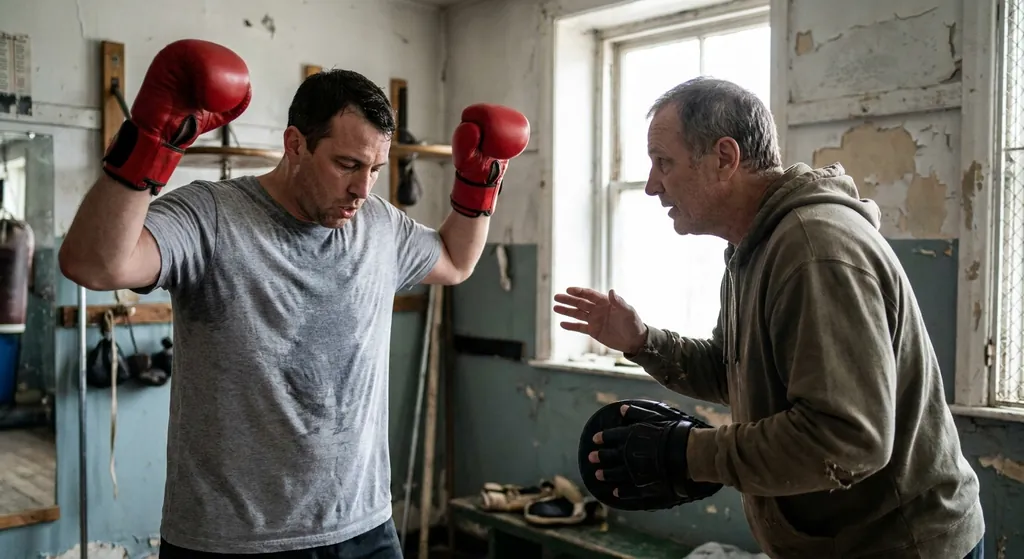
Use this drill if you keep gassing out because you breathe too late.
Round one: shadowbox at half pace. Every punch gets a short exhale. No big power. No rushing. The only goal is to match breath to movement.
Round two: hit the bag lightly. Jab, cross, step out. Jab, cross, hook, step out. Keep the exhale small and repeatable. If you start gulping, slow down.
Round three: add pads or a coach-led combination. The coach calls, you exhale on each punch, then breathe on the reset. Do not chase speed until the rhythm is clean.
This is boring in the right way. It teaches you to breathe before fatigue turns the brain noisy.
A lot of beginners want a more dramatic answer. They want a secret conditioning session, a supplement, or a brutal finisher. Most of them need this first: three rounds where they stop holding their breath.
What not to do
Do not take huge breaths before every combination. That usually makes you stiff.
Do not empty the lungs completely on every shot. You still need air for the next movement.
Do not breathe only through the mouth if it makes you gasp and lose control. During hard work you will use the mouth, but the breath should still feel organised rather than desperate.
Do not confuse being loud with being relaxed. Some excellent fighters are loud. Some are quiet. The common thread is rhythm, not volume.
And do not expect it to fix itself automatically. Bad breathing becomes a habit if nobody interrupts it.
How this fits into a beginner class
In a proper beginner session, breathing gets coached early because it affects everything else.
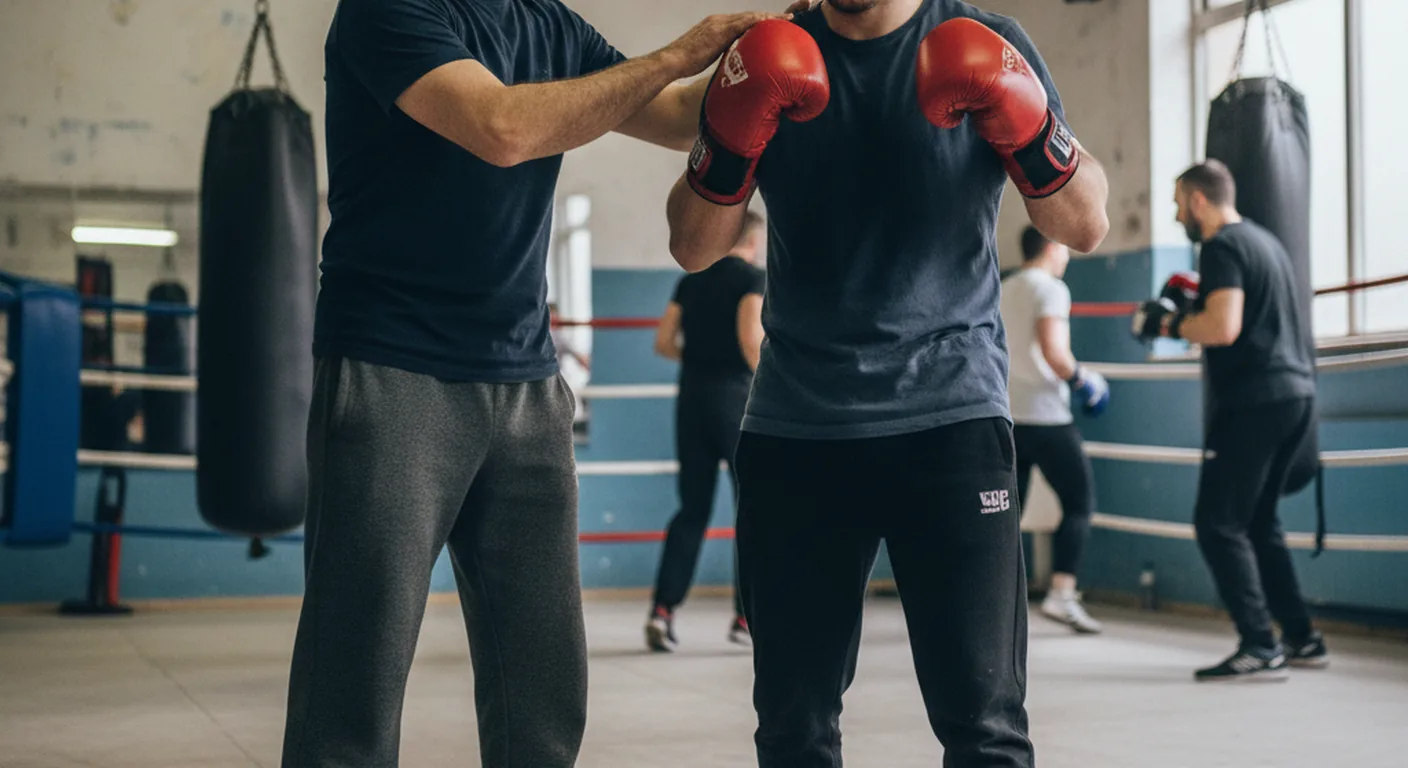
At Honour and Glory, a coach can spot the signs quickly: the rigid guard, the silent combination, the late gasp after a pad burst, the shoulders creeping up by the ears. The fix is usually immediate. Slow the boxer down, get the exhale working, then rebuild the combination.
That is one reason a real class beats copying random drills at home. You may not know you are holding your breath. A coach does.
If you are in Greenwich or nearby, our Recreational Adults boxing classes are a sensible place to learn the fundamentals without being rushed into macho nonsense. Breathing, stance, footwork, and pacing all get built together.
The rule to remember
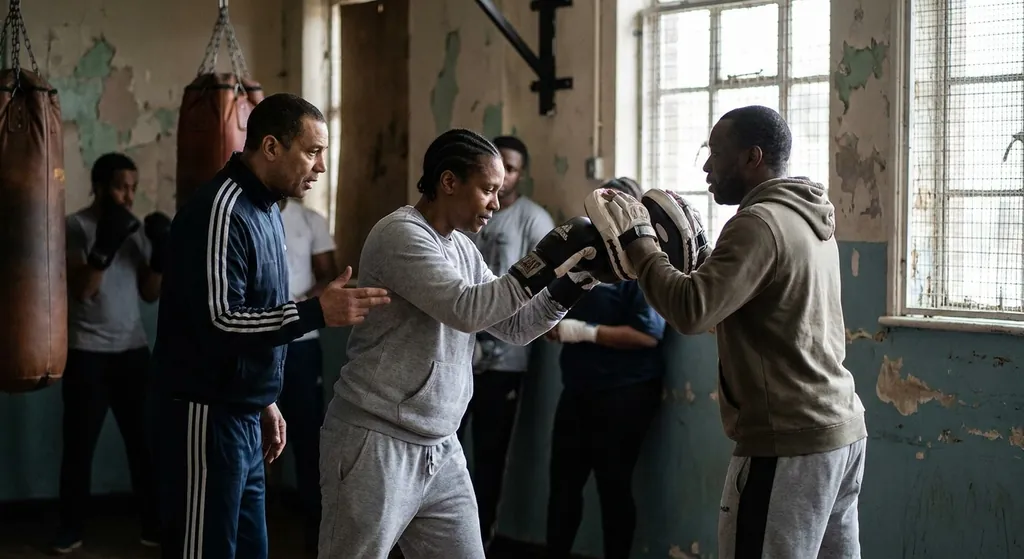
If you only remember one thing, make it this: exhale on effort, breathe on the reset.
That one habit will not make boxing easy. Nothing honest will. But it will stop you making every round harder than it needs to be.
Breathing properly helps you stay calmer, punch cleaner, and keep thinking when the round starts getting uncomfortable. For a beginner, that is not a detail. It is part of the skill.
H&G Team
Writer at Honour & Glory Boxing Club, a community boxing gym in Kidbrooke, South East London.
Rate this article
Your feedback helps us write better content
Got questions about what you just read?
ASK OUR AI ASSISTANT ✨MORE LIKE THIS

WANT TO JOIN US?
Book a free trial session and see what we're all about.
Claim a Free Trial