How to Become an Assistant Boxing Coach in the UK
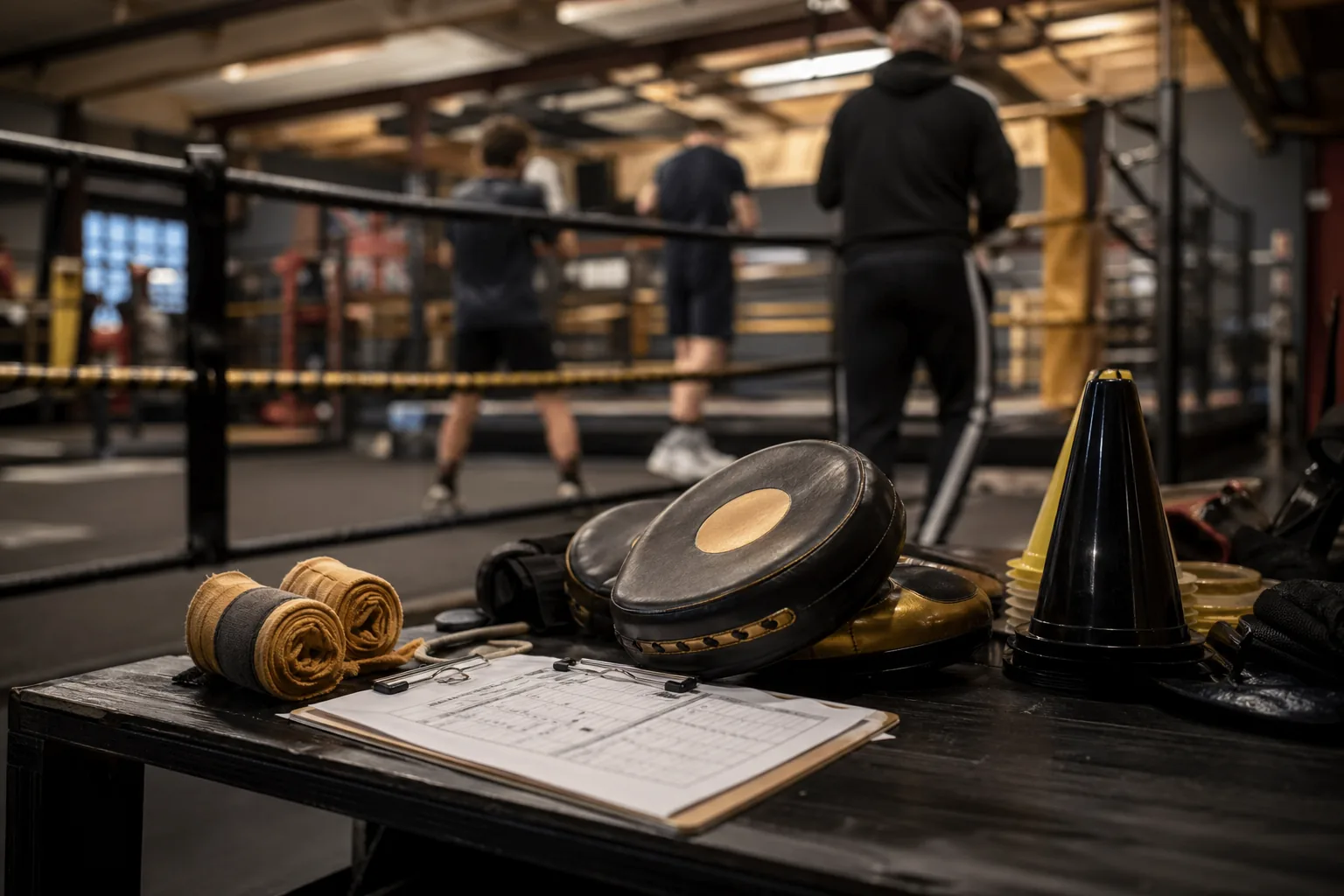
Assistant boxing coach is the first proper step into coaching.
It is not the same as being a head coach. It does not mean running sparring on your own. It does not mean taking a group of beginners and doing whatever you want. In amateur boxing, coaching is structured for a reason: safety, safeguarding and standards.
If you are a teenager, student or young adult who loves boxing and wants to become more useful in the gym, assistant coaching can be a strong pathway. But it has to be done properly.
What is an assistant boxing coach?
In England Boxing, the entry qualification is Level 1 Assistant Coach.
England Boxing says a Level 1 coaching qualification enables coaches to assist a Level 2 qualified coach within an affiliated club, and delegates must be 17 to take the course. Coaches must be 18 to register with England Boxing (England Boxing Level 1 coaching courses).
That distinction matters.
A Level 1 assistant coach supports. They do not replace the qualified club coach.
What can a Level 1 assistant coach do?
A Level 1 assistant coach can help within an England Boxing-affiliated club under the supervision of a Level 2 coach.
That might include:
- Helping organise warm-ups.
- Holding pads under supervision.
- Supporting basic drills.
- Helping beginners understand stance and guard.
- Setting up cones, bags and equipment.
- Reinforcing safety instructions.
- Helping sessions run smoothly.
England Boxing's own Level 1 Assistant Coach page explains that the award equips candidates to work alongside a Level 2 Full Coach in an affiliated club, but it does not make them an independent coach (England Boxing Level 1 Assistant Coach).
What can they not do?
A Level 1 assistant coach should not act like the person in charge.
They cannot independently run sparring. They should not lead sessions without the correct supervision. They should not make safety decisions beyond their role. They should not present themselves as a fully qualified club coach.
That is not a small detail. Boxing involves contact, fatigue and young people. The boundaries exist to protect everyone.
What do you need before becoming an assistant coach?
The practical route usually looks like this:
- Train regularly at a proper club.
- Show maturity, reliability and respect.
- Help around the gym without acting above your level.
- Speak to the head coach about whether coaching is realistic.
- Take the England Boxing Level 1 course when eligible.
- Complete the required DBS, safeguarding and first aid steps.
- Keep learning under experienced coaches.
From 2026, England Boxing has highlighted enhanced DBS requirements for Level 1 assistant coaching. Safeguarding and first aid are also part of the route.
If you want the full coaching structure, read how to become a boxing coach in the UK.
Is assistant coaching a part-time job?
Sometimes, but not always.
Many grassroots boxing clubs run on volunteers or small session fees. Some assistant coaching is voluntary. Some paid opportunities exist through gyms, school sport providers, holiday camps or community programmes, but boxing club coaching is not usually a quick way to make money.
That does not make it worthless. For a young person, assistant coaching can build:
- Confidence.
- Communication.
- Leadership.
- Reliability.
- Safeguarding awareness.
- Coaching experience.
- A route into sport, fitness or personal training later.
Those skills can matter even if the first role is voluntary.
What about sports apprenticeships?
There are sports coaching apprenticeship routes in the UK. For example, the official apprenticeship training search lists a Sports Coach Level 4 apprenticeship, which involves using sport knowledge and skills to create and deliver coaching programmes.
That is not the same as becoming an England Boxing coach, but the two can sit near each other. A young person might combine a sport apprenticeship, coaching experience, club volunteering and later boxing-specific qualifications.
The key is to avoid confusion. A general sport apprenticeship does not automatically qualify someone to coach amateur boxing unsupervised.
What makes a good assistant coach?
The best assistants are not the loudest people in the room.
They are usually the ones who:
- Turn up early.
- Listen carefully.
- Keep sessions safe.
- Do simple things properly.
- Notice beginners who look lost.
- Never show off with younger members.
- Ask before correcting someone.
- Stay within their role.
A good assistant coach makes the head coach's session better. They do not try to hijack it.
For teenagers who want to help
If you are under 17, you cannot just jump straight into the formal Level 1 route. But you can still prepare.
Train consistently. Help tidy up. Watch how coaches explain things. Learn the basics properly. Be the kind of person younger members can look up to. Do not rush to be called coach.
Coaching authority comes from trust, not a hoodie or a whistle.
The honest pathway
Assistant coaching is a strong route for young people who love boxing, but it is not a shortcut to status or money.
The right pathway is club first, standards first, safeguarding first. Then qualification, supervised experience and more responsibility over time.
If you want to start, join a proper club, train consistently and speak to the head coach when you have earned that conversation.
H&G Team
Writer at Honour & Glory Boxing Club, a community boxing gym in Kidbrooke, South East London.
Rate this article
Your feedback helps us write better content
Got questions about what you just read?
ASK OUR AI ASSISTANT ✨MORE LIKE THIS

WANT TO JOIN US?
Book a free trial session and see what we're all about.
Claim a Free Trial