Fury vs Joshua 2026: Why British Boxing Still Needs It

If Fury vs Joshua really lands in Q4 2026, the easy take is that it has come too late. The better take is simpler: late is not the same as dead.
The fight has been reported as agreed, with Eddie Hearn calling it "signed, sealed and delivered" in Sky Sports' report on the all-British heavyweight deal. A Sky News confirmation page carried the wider news treatment, while The Athletic reported that contracts had been signed. Sky's separate guide to what is known so far is the useful brake pedal: the date and venue still need treating with care because boxing has ruined bigger announcements than this.
That caution is healthy. But if this fight happens, British boxing will need it more than some purists want to admit.
Why Britain still needs one heavyweight night everyone understands
Fury vs Joshua is one of the few British sporting events that a casual fan can understand in one sentence.
Two British heavyweights. Two former world champions. Two huge personalities. A question that has hung over the division for years: who is better?
That matters. Boxing has spent too much of the last decade asking casual fans to care about broadcast politics, purse splits, rematch clauses and belts with initials. Fury vs Joshua cuts through that. It gives the country a clean sporting argument again.
The likely broadcast plan says the same thing. The Telegraph reported that the fight is expected to land on Netflix with a potential reach of 325 million subscribers. UKNIP also framed it as a heavyweight event set for Netflix in 2026. The point is not that every subscriber watches. The point is that this is not being sold as a niche boxing show.
British boxing benefits when the biggest fights become public conversation. Benn-Eubank did it. Froch-Groves did it. Fury vs Joshua can do it again, even if both men are older than we wanted them to be.
The fight is late, but the story is not stale
The complaint is obvious. This should have happened when Joshua held multiple belts and Fury had the WBC title. It should have happened before Oleksandr Usyk beat them both.
All true. None of it makes the fight meaningless.
Heavyweight boxing has always carried a strange tolerance for timing. Older heavyweights do not always give you the cleanest version of a rivalry, but they often give you the most human one. Fury and Joshua now carry scars that make the fight more interesting, not less.
Joshua has had to rebuild after Ruiz, Usyk and Dubois. Fury has carried retirements, weight swings, Wilder wars and Usyk defeats. Neither man can sell perfection. That is good. Perfection is usually dull.
The real question is not whether this is the peak version of Fury against the peak version of Joshua. It is whether two proud, damaged, decorated heavyweights can still produce one night that explains their era.
Fury and Joshua teach different lessons to young boxers
For young boxers, this fight is not only about picking a winner. It is a study in two very different careers.
Joshua's lesson is structure. He came into boxing late, learned quickly, won Olympic gold, became a unified world heavyweight champion and built himself through discipline, repetition and professional habits. Our piece on Anthony Joshua's boxing journey from beginner to champion is worth reading for any teenager who thinks they have already missed the boat.
The Joshua lesson is not that everyone can become Olympic champion. That would be nonsense. The lesson is that a boxer can change his life with coachability, physical preparation and a serious room around him.
Fury's lesson is different. He shows the value of identity. He does not look like the textbook idea of a heavyweight athlete. He wins with rhythm, reach, feints, awkwardness, timing and nerve. At his best, he makes opponents box at the wrong pace and think the wrong thoughts.
That is a valuable lesson for juniors. You do not need to copy your favourite fighter's body type, personality or style. You need to understand what your own strengths allow you to do. Some boxers are tidy. Some are slippery. Some are calm. Some are awkward. Good coaching finds the useful part and builds from there.
That is why a proper gym matters. In our Recreational Juniors class, children aged 7+ learn stance, balance, discipline and control before anyone worries about imitation. Adults can start the same way in our Recreational Adults boxing class. The basic work is not glamorous, but it is where real boxing starts.
The tactical question is still alive
Forget the circus for a moment. The fight itself still asks good boxing questions.
Can Joshua get close enough to make his straight right and left hook matter? Can he jab with patience without freezing outside Fury's reach? Can he punch in combination without waiting for the perfect opening?
Can Fury keep the fight ugly enough to dull Joshua's power? Can he lean, feint and reset without giving Joshua clean mid-range looks? Can his legs still support the kind of long, awkward boxing that made him so hard to solve?
That is why the bout still beats another empty celebrity event. It has tactical substance. It also has doubt. Fury may be the better pure problem-solver, but Joshua is dangerous in the exact moments when a taller boxer exits lazily or admires his own work. Fury can make a man look lost. Joshua can end a round with one mistake punished.
The venue chatter should not swallow the fight, even if it is part of the fun. The Mirror reported that Fury vs Joshua could be announced in dramatic fashion, and Frank Warren's reported comments around October and Wembley fed the guessing game. A UK stadium would be the proper emotional setting. Saudi Arabia or the United States would make financial sense. But the ring geography is still the same: Fury wants range and rhythm; Joshua wants threat and consequence.
The fan split is part of the event
The forum chatter is not the spine of the article, but it does show why the fight still has heat.
When the news broke, r/Boxing had separate threads on Fury vs Joshua being official, on the bout headlining a major card, on Joshua discussing a Fury fight, and on the old question of why Fury, Joshua and Wilder never all met each other in time. Another thread around Joshua vs Fury and Joshua vs Paul shows the strange place boxing now occupies, with legacy fights and entertainment fights often discussed in the same breath.
That is exactly why Fury vs Joshua matters. People may argue that it is too late, too commercial or too Saudi-backed. They may roll their eyes at the production. But they are still arguing. Indifference is the real danger in boxing. Fury vs Joshua does not have that problem.
A regional version of the same Sky headline also circulated through This is the Coast, which is a small clue to the wider point. This story travels beyond boxing media because the names still mean something.
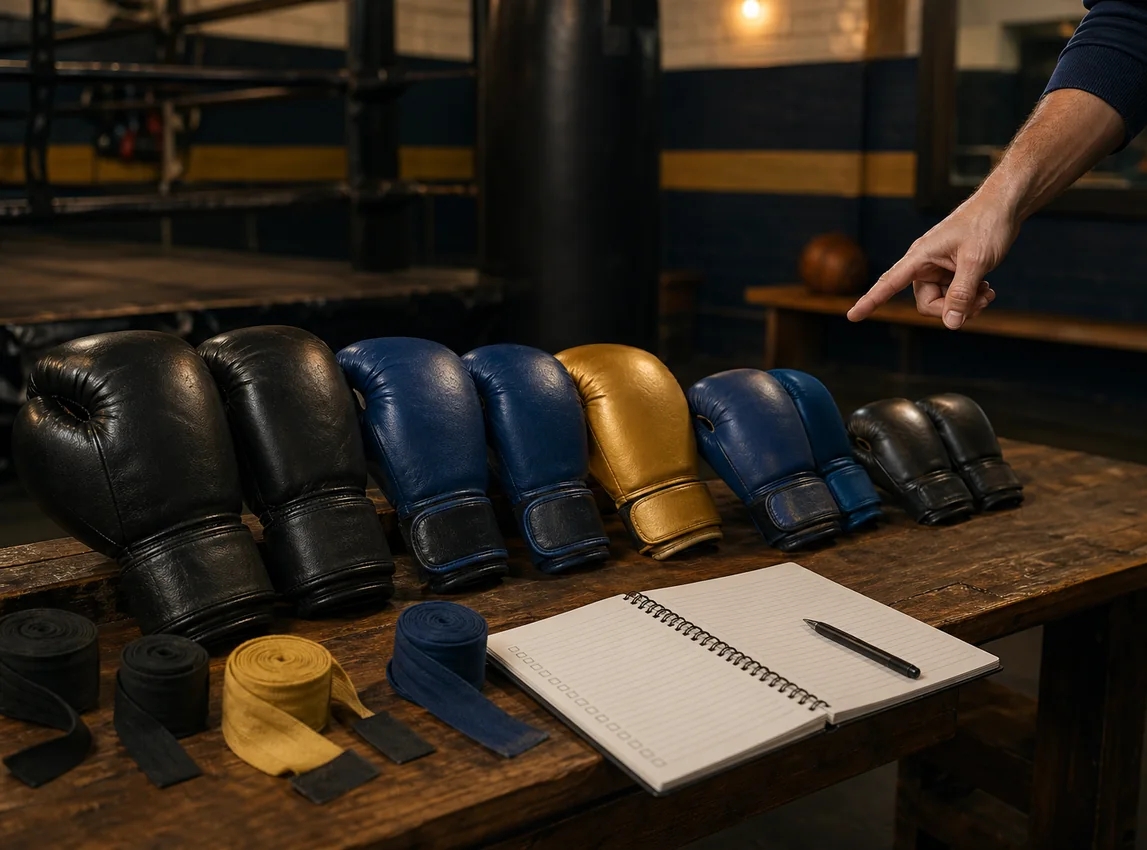
What young boxers should actually watch
Young boxers should not watch Fury vs Joshua like gamblers. They should watch it like students.
Watch Fury's feet before he punches. The awkwardness is not random. He changes distance, breaks rhythm and makes opponents reset when they want to work.
Watch Joshua's posture when he is confident. At his best, the jab is not just a scoring punch. It sets his feet, blinds the opponent and makes the right hand more than a hope.
Watch the clinches. Heavyweight boxing is full of ugly seconds that decide clean minutes. Who gets turned? Who rests? Who makes the other carry weight? That work will not make the highlight reel, but coaches notice it.
Watch how both men handle frustration. Every boxer has rounds where the plan does not feel right. The young boxer who learns to stay calm in those rounds is already ahead of the one who needs everything to go perfectly.
If you train in Kidbrooke, Greenwich, Blackheath, Eltham or nearby SE London, that is the useful lesson. Big fights are fun, but the real value is what they make you notice next time you are in the gym. If you are near Kidbrooke, you can come and learn the basics properly before copying anything you see on fight night.
Why it still matters
Fury vs Joshua still matters because British boxing needs events that feel bigger than boxing Twitter. It needs nights that bring old fans, new fans, gym kids and casual watchers into the same conversation.
It matters because heavyweight legacy is not tidy. The division is built on missed windows, second acts, arguments and late answers.
It matters because Joshua and Fury represent two different truths about the sport. One shows what structure and discipline can build. The other shows what instinct, ring IQ and self-belief can do when they are sharpened over years.
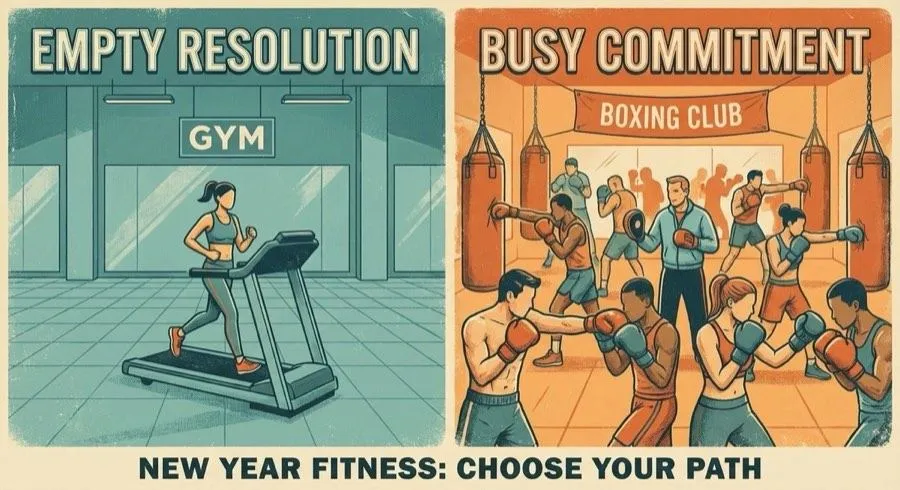
And it matters because boxing clubs need moments like this. A major fight sends people back to the bags. Some come in because they want fitness. Some come in because their child watched a ring walk and asked what boxing feels like. Some come in because they used to train and the old itch returns.
That is good for the sport. The fight may be late. It may be messy. It may be wrapped in more showbusiness than some people like. But if Fury and Joshua finally share a ring in 2026, British boxing will stop, watch and argue about it for years.
That is enough reason to want it.
H&G Team
Writer at Honour & Glory Boxing Club, a community boxing gym in Kidbrooke, South East London.
Was this page helpful?
Your feedback helps us improve this page
Got questions about what you just read?
ASK OUR AI ASSISTANT ✨MORE LIKE THIS

WANT TO JOIN US?
Book a free trial session and see what we're all about.
Claim a Free Trial