Boxing Training for British Army Fitness: What the SCA Tests
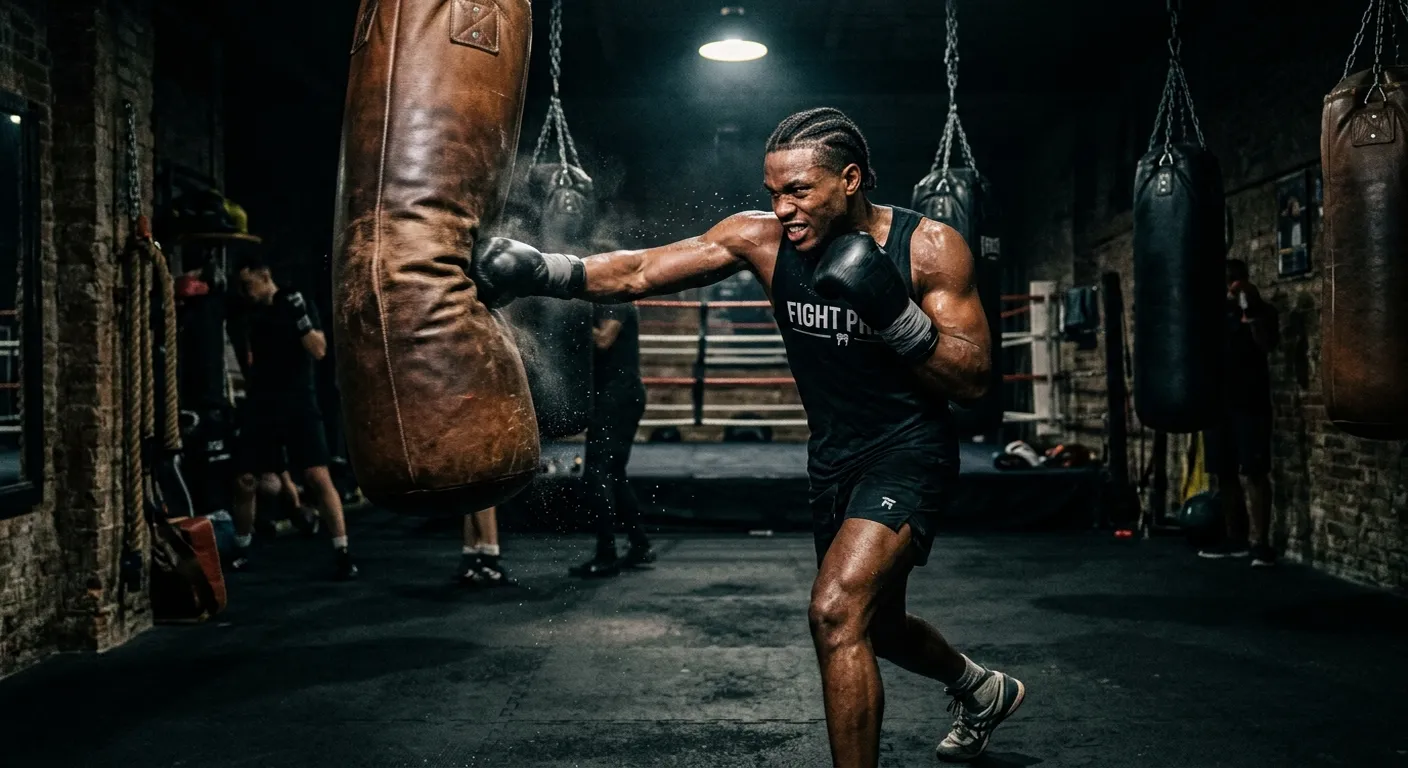
The British Army rolled out a new fitness standard in 2025. The Soldier Conditioning Assessment replaced the older system with four components: a 2km run, trap bar deadlift, press-ups, and pull-ups. All measured at maximum effort, no gender split, no age scaling for the entry standard.
If you are preparing to apply, or if you are training someone who is,boxing is one of the most direct preparation methods available. Not because it is the only way, but because of the specific combination of conditioning it produces. This article explains exactly how.
What the SCA Requires
The four components and their minimum pass marks:
2km run: Cardiovascular endurance under time pressure. The exact standard varies by role, but the ability to run 2km at pace is non-negotiable across all entry routes.
Trap bar deadlift: 80kg for 3 reps to pass, up to 140kg for 10 reps for a top score. This is a test of posterior chain strength - hamstrings, glutes, lower back - and grip.
Press-ups: Minimum 10 reps in 60 seconds to pass, 50 reps for maximum points. Upper body muscular endurance, plus core stability.
Pull-ups: Minimum 3 reps, maximum 10. Upper body pulling strength, back and biceps.
The older entry tests (1.5-mile run, beep test, sit-ups, medicine ball throw) are still used for some roles and the Army Reserves. If you are preparing for those, most of what follows applies equally.
How Boxing Conditioning Maps to Each Component
The 2km Run
Boxing is not a running sport, but boxers are well-conditioned cardiovascular athletes. The conditioning comes from the nature of the work: rounds on the bags and pads are high-intensity intervals with short rest periods. Three 2-minute rounds with 1-minute rest is structurally similar to interval training, which research consistently shows produces greater cardiovascular adaptation than steady-state running for the same time investment.
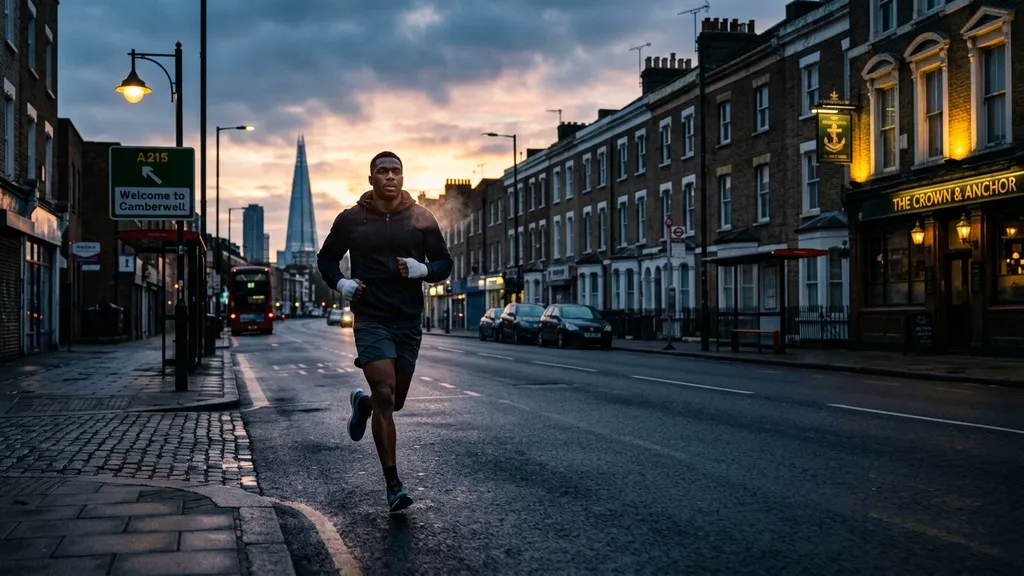
Roadwork - running as part of boxing conditioning - is also traditional in the sport for good reason. Boxers typically run 3-5 miles several times per week. The aerobic base this builds translates directly to the 2km run.
What boxing alone does not guarantee: paced running technique at 2km intensity. If you are training at a boxing gym, add two dedicated runs per week alongside your gym sessions. The cardiovascular base from boxing will make those runs more productive than if you were running from a starting point of no aerobic training.
The Trap Bar Deadlift
This is the component that boxing does not train directly. Boxing develops significant core strength, hip stability and leg drive from footwork and punch generation - but it does not load the posterior chain under heavy resistance in the way deadlift training requires.
If the trap bar deadlift is your target, you need to add barbell or trap bar work to your programme. The core stability boxing builds is really useful - it transfers to maintaining a neutral spine under load - but it is not sufficient preparation on its own.
The practical approach: use boxing sessions for cardiovascular conditioning and upper body endurance, add two strength sessions per week specifically targeting the deadlift pattern. The Army's own fitness guidance recommends progressive loading over at least 12 weeks before test day.
Press-Ups
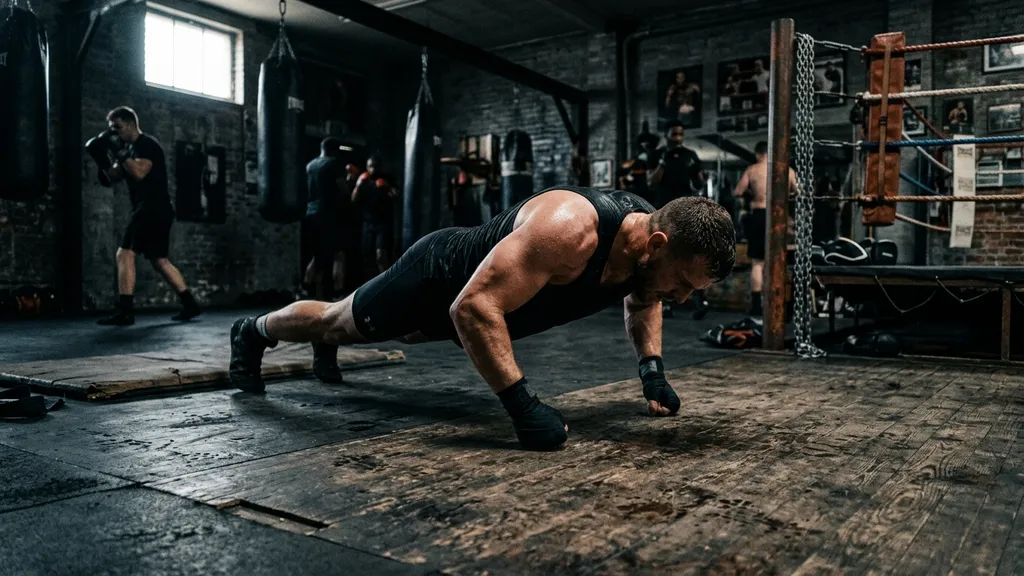
Boxing training produces press-up capacity naturally. The combination of bag work, pad sessions, and the typical conditioning circuits run at boxing gyms - press-ups, burpees, plank variations - develops exactly the upper body muscular endurance the SCA tests.
50 press-ups in 60 seconds is the top score. Most people training consistently at a boxing gym for three to four months will approach or exceed this. The shoulder stability and chest endurance from pad work translates directly to press-up volume.
One caveat: boxing develops pressing endurance at moderate intensity. The SCA tests maximum reps in a fixed window. Practise the specific format - timed sets, no pausing, strict form - in the weeks before the test. The fitness is there from boxing training; the test-specific preparation takes two to three weeks.
Pull-Ups
Three pull-ups to pass is achievable for most people with four to six weeks of dedicated practice. Ten pull-ups for maximum score takes longer but is within reach for anyone in reasonable physical condition who trains for it.
Boxing does not train pull-ups directly. The sport is push-dominant. The back development from punching mechanics (the lats generate pulling force during the retraction phase of a punch) gives some foundation, but pull-up specific training is necessary.
Add a pull-up bar and two to three sets to failure three times per week. This is the quickest route from zero to ten pull-ups. The upper body conditioning from boxing accelerates progress.
The Mental Component
The Army recruitment guidance is explicit that the SCA is a maximal effort test - you are expected to push to failure on press-ups and to lift as heavy as you can on the deadlift. This is not a test you pass by showing up fit. It requires the ability to generate maximum effort under observation, while fatigued, in an unfamiliar environment.
Boxing training is one of the most reliable ways to develop this. Sparring, pad work, and bag rounds all require sustained output under conditions that are uncomfortable, unpredictable, and physically demanding. The composure under pressure that boxing builds - knowing how to keep working when your body is telling you to stop - is directly relevant to a maximal effort assessment.
As one r/britishmilitary commenter put it: "boxing gives you the conditioning AND the mindset. You learn to perform when you're already gassed."
What a Preparation Programme Looks Like
If you have 12 weeks before an Army fitness test and you are using boxing as the foundation:
Three days per week at the boxing gym: pad work, bag rounds, conditioning circuits. This handles cardiovascular fitness, press-up capacity, core strength, and mental conditioning.
Two runs per week: one steady-state 3-4 mile run, one 2km pace effort. The boxing base makes these more productive; the runs build the specific conditioning the 2km test requires.
Two strength sessions per week: trap bar or barbell deadlift, pull-up progressions, weighted carries. These address the two components boxing does not train directly.
Six days of training with one rest day. Demanding but achievable for anyone in reasonable health. If you are starting from a lower fitness base, reduce to four or five days and extend the preparation window to 16 weeks.
At Honour and Glory
The Adult Recreational class runs Monday, Wednesday and Friday evenings and covers exactly the conditioning described above - rounds on bags and pads, coach-led circuits, structured work. The club is at 122 Broad Walk, Kidbrooke, SE3.
If you are preparing for Army selection, tell the coach. The sessions can be adapted to include the specific conditioning work the SCA tests require.
Book a free trial session and come down.
H&G Team
Writer at Honour & Glory Boxing Club, a community boxing gym in Kidbrooke, South East London.
KEEP READING
British Boxing History: From Bare-Knuckle Fights to Olympic
British boxing did not begin with the Marquess of Queensberry. It began much earlier and stranger. Here is the full arc from prize fighting to Olympic champions.
The Most Iconic Boxing Venues in the UK
The venue shapes the fight. Some of the most memorable nights in British boxing happened in specific places for specific reasons. Here are the venues that matter.
Itauma Stops Franklin: A Heavyweight Shift
Moses Itauma became the first fighter to stop Jermaine Franklin. What that fifth-round knockout tells us about British heavyweight boxing.
Was this page helpful?
It takes one tap, and it genuinely helps.
Choose your next step
Turn this article into the right action
Some readers are ready to book. Some need the class route first. Pick the route that matches what you actually want.