Boxing During GCSEs: Stress, Fitness and Routine
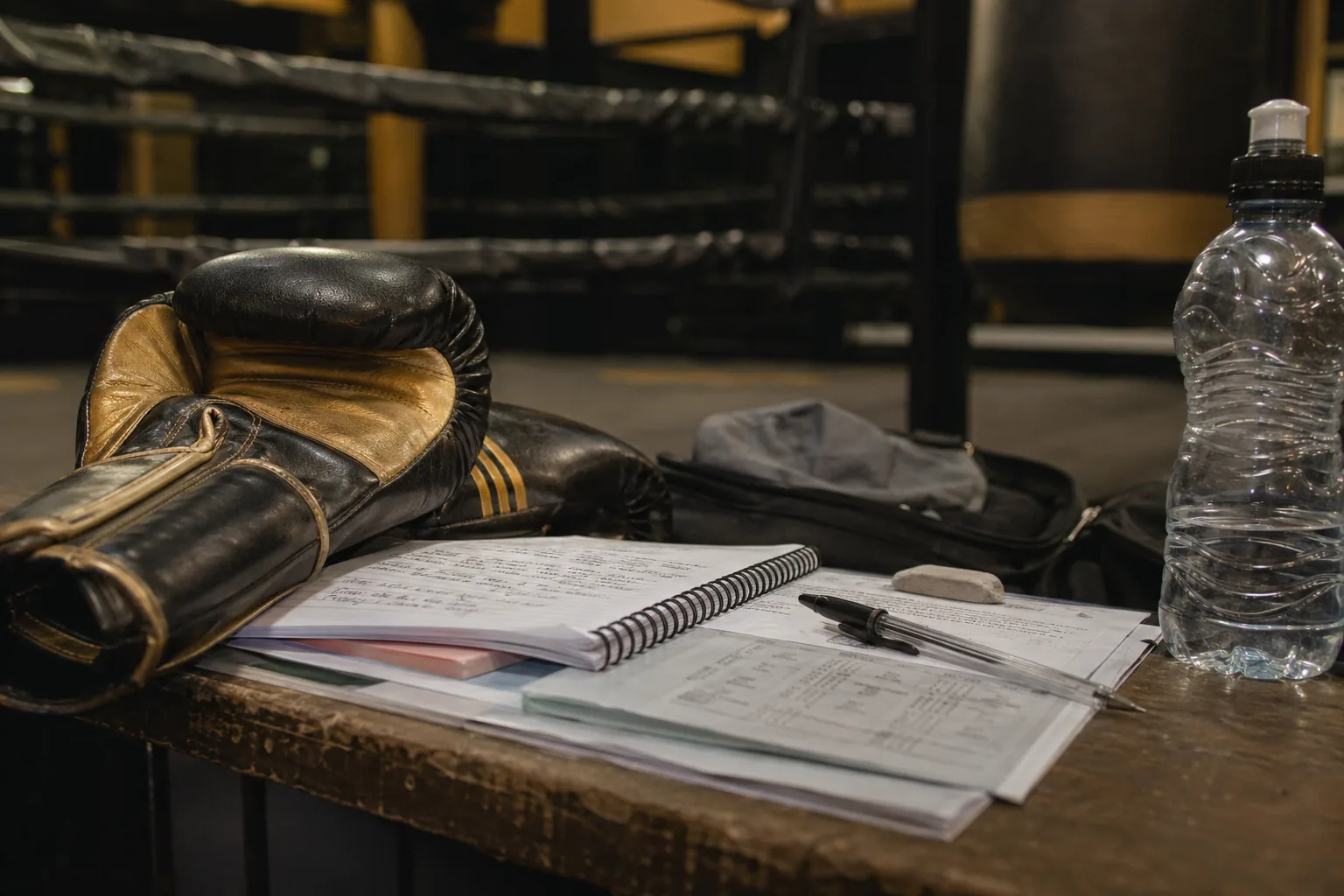
GCSE year can make normal routines disappear.
School gets heavier. Revision starts taking over evenings. Parents worry. Teenagers feel pressure from teachers, friends, mocks, predicted grades and their own expectations. Fitness often becomes the first thing to vanish, especially if it feels like another task on top of everything else.
Boxing can help, but only if it is used sensibly. It should not become one more pressure point. During GCSEs, the goal is not to train like a professional fighter. The goal is to keep a young person moving, sleeping better, handling stress, building confidence and having one part of the week that is not just schoolwork.
GCSE year needs rhythm
The hard part of GCSE year is not only the exams. It is the long build-up.
Mocks, coursework, revision timetables and intervention sessions can stretch across months. Teenagers can spend huge parts of the day sitting, scrolling, revising or thinking about what they should be revising. That can leave them restless and tired at the same time.
A coached boxing class gives the week a different kind of rhythm. You turn up at a set time. You warm up. You learn skills. You work on bags or pads. You finish. There is a start and an end.
That matters because vague fitness plans often fail in exam season. A fixed class is easier to keep than a promise to do something later.
Boxing helps stress without pretending exams are simple
Exercise will not make revision disappear. It will not guarantee grades. It will not solve anxiety by itself.
But physical activity can be a useful stress outlet. The NHS physical activity guidance encourages regular movement as part of good health, and the wider evidence around exercise and wellbeing is clear enough: the body and the mind are connected.
Boxing helps because it forces attention into the room. A teenager cannot do pad work while half-thinking about a maths paper. They have to watch, listen, move, breathe and react. For many young people, that is the first proper break their head has had all day.
How often should a teenager box during GCSEs?
For most teenagers, one or two coached sessions a week is plenty during heavy revision periods.
That is enough to keep the habit alive without turning boxing into another source of stress. If the teenager is already competing, the coach and parents need to manage the load properly around exams. If they are a beginner, there is no need to rush.
A simple exam-season pattern could be:
- One boxing session during the school week.
- One lighter session or walk at the weekend.
- Short daily movement breaks during revision.
- No hard training late at night if sleep is suffering.
Sleep matters more than squeezing in one extra round.
Boxing builds confidence when school feels narrow
GCSE year can make a teenager feel as if everything about them is being measured by grades.
Boxing gives them another place to improve. Footwork gets sharper. Hands come back to guard faster. Fitness improves. Pad work feels less awkward. They get proof that effort changes things.
That is powerful because it is not abstract praise. It is visible progress.
A teenager who learns to stay calm under physical effort can carry some of that composure back into school. Not because boxing magically fixes exams, but because it gives them repeated practice at doing something difficult without panicking.
Parents: keep the pressure off
If your child is in GCSE year, boxing should not become another performance review.
Avoid turning every session into a question: did you win, did you spar, did you work hard enough, are you getting fitter? During exams, it is often enough that they turned up, trained safely and came home clearer than when they arrived.
The best parent role is simple:
- Help them keep the routine realistic.
- Protect sleep.
- Keep food normal and consistent.
- Tell the coach if exam stress is affecting them.
- Do not push hard sparring or competition during peak revision unless the young person genuinely wants it and the coach agrees.
What kind of boxing is right during GCSEs?
For most GCSE-age teenagers, the right boxing is coached, structured and age-appropriate.
That means technical drills, bag work, pad work, footwork, controlled fitness and clear supervision. Sparring should never be the default for a beginner. Competitive boxing has a pathway, but it should be introduced carefully and only when the young person is ready.
At Honour and Glory, our junior and youth boxing pathway gives young people a proper club environment rather than leaving them to copy random workouts online.
If your teenager is older and moving toward adult sessions, our adult beginner boxing guide explains what a first coached session feels like.
A simple revision-day reset
On a non-class day, a teenager does not need a full workout. Ten minutes can help break the study pattern.
Try this:
- Two minutes easy skipping or marching on the spot.
- Three rounds of shadow boxing, one minute each.
- Ten slow squats.
- Ten press-ups from knees or full press-ups.
- One minute breathing slowly before going back to work.
Keep it light. The point is not exhaustion. The point is to change state.
The honest answer
Boxing during GCSEs is useful when it supports the teenager, not when it competes with revision, sleep or family life.
Used properly, it can give structure, stress relief, confidence, fitness and a break from screens. Used badly, it becomes another demand.
The sweet spot is simple: train enough to feel better, not so much that school and recovery suffer.
For a broader guide, read kids and junior boxing, best exercise for students or boxing for students and young adults.
H&G Team
Writer at Honour & Glory Boxing Club, a community boxing gym in Kidbrooke, South East London.
Rate this article
Your feedback helps us write better content
Got questions about what you just read?
ASK OUR AI ASSISTANT ✨MORE LIKE THIS

WANT TO JOIN US?
Book a free trial session and see what we're all about.
Claim a Free Trial