Boxing Clubs and Gentrification: What Happens When a
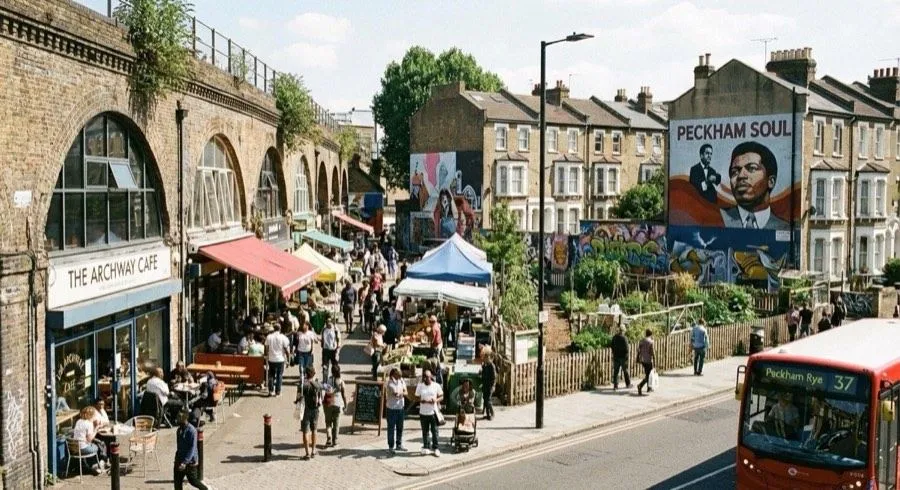
Trust for London's deprivation data for Greenwich documents the socioeconomic changes affecting inner south-east London boroughs. Research on boxing clubs and urban communities submitted to the Home Affairs Committee identifies boxing gyms as key community anchors during periods of gentrification.
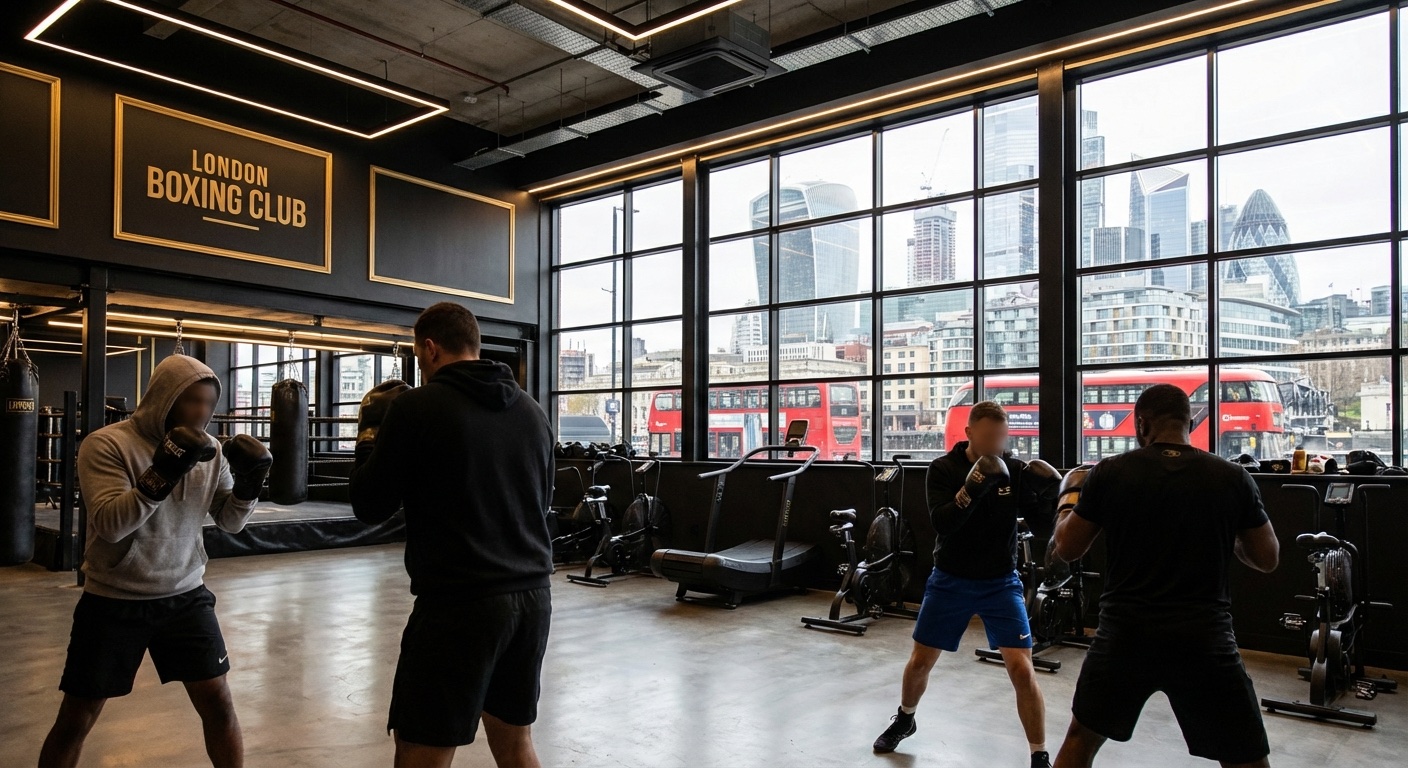
South East London has changed significantly in the last decade. Kidbrooke Village, the Royal Arsenal development in Woolwich, the regeneration of New Cross and Deptford - rising property values, incoming professional populations, changing demographics.
Boxing clubs sit in an interesting position in this context. They are historically working-class institutions that are now increasingly serving professional populations while remaining rooted in the communities they were founded to serve.
The Traditional Boxing Club
The community boxing gym exists because of specific social conditions: high-density working-class communities in urban areas where young men, in particular, needed structured physical activity, discipline, and a pathway to identity and status that did not involve crime.
The sociology of boxing as a route out of disadvantage, or as a protective factor against it, is well documented. Research consistently shows that boxing club membership in high-deprivation areas correlates with reduced antisocial behaviour, improved educational outcomes, and stronger employment trajectories (source).
The gym that serves Deptford, Peckham, or Kidbrooke is not just a fitness centre. It is infrastructure.
What Gentrification Does
Rising rents threaten physical premises. Long-established community boxing clubs in inner London have lost their buildings to development. The social infrastructure disappears without being replaced.
Changing demographics also change the client base. The new professional residents of regenerated areas have money that the traditional working-class community did not. This creates both an opportunity - a new paying population - and a tension - the risk of pricing out or culturally excluding the community the club was founded to serve.
The Dual Model
Some clubs navigate this by operating a dual model: recreational boxing for the incoming professional population at prices they can sustain, while maintaining subsidised or free provision for the young people from the surrounding social housing who are the club's original community.
The professional paying members effectively subsidise the community programme. The club maintains its social function while adapting to its changed context.
This model requires deliberate choice rather than market following. A club that simply follows the money becomes a boutique boxing gym for professionals and loses its community function.
Honour and Glory in Kidbrooke
H&G was founded in 2020 with an explicit dual purpose: competitive boxing and community mental health support. The "Healthy Mind" element of the club's name reflects this - using boxing specifically as a mental health and wellbeing intervention for people who do not have access to formal services.
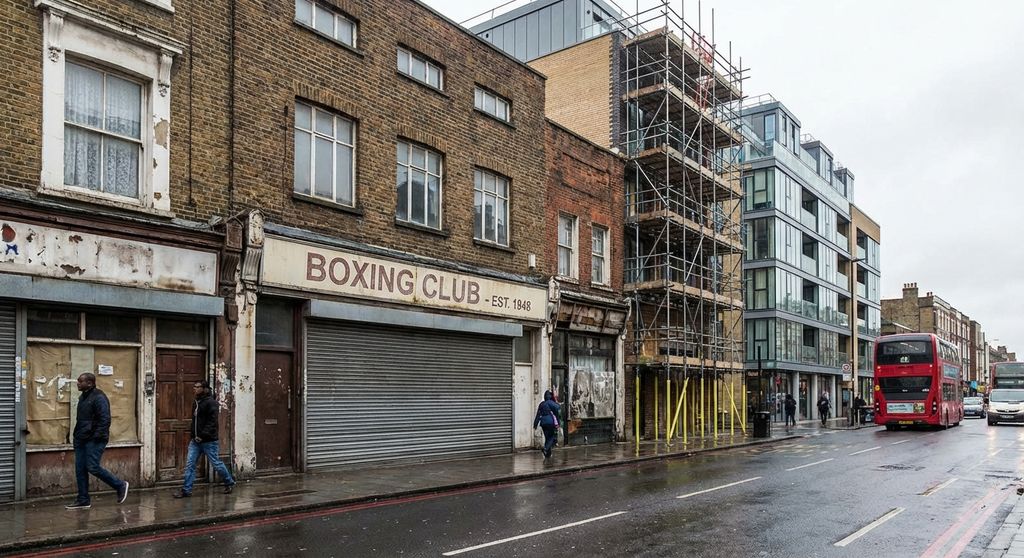
Kidbrooke is itself in the middle of significant regeneration. The club is part of the infrastructure of the changing neighbourhood.
The free trial session is available to anyone, regardless of background or fitness level.
The Junior Recreational class is where most members begin.
H&G Team
Writer at Honour & Glory Boxing Club, a community boxing gym in Kidbrooke, South East London.
Was this page helpful?
Your feedback helps us improve this page
Got questions about what you just read?
ASK OUR AI ASSISTANT ✨MORE LIKE THIS
WANT TO JOIN US?
Book a free trial session and see what we're all about.
Claim a Free Trial