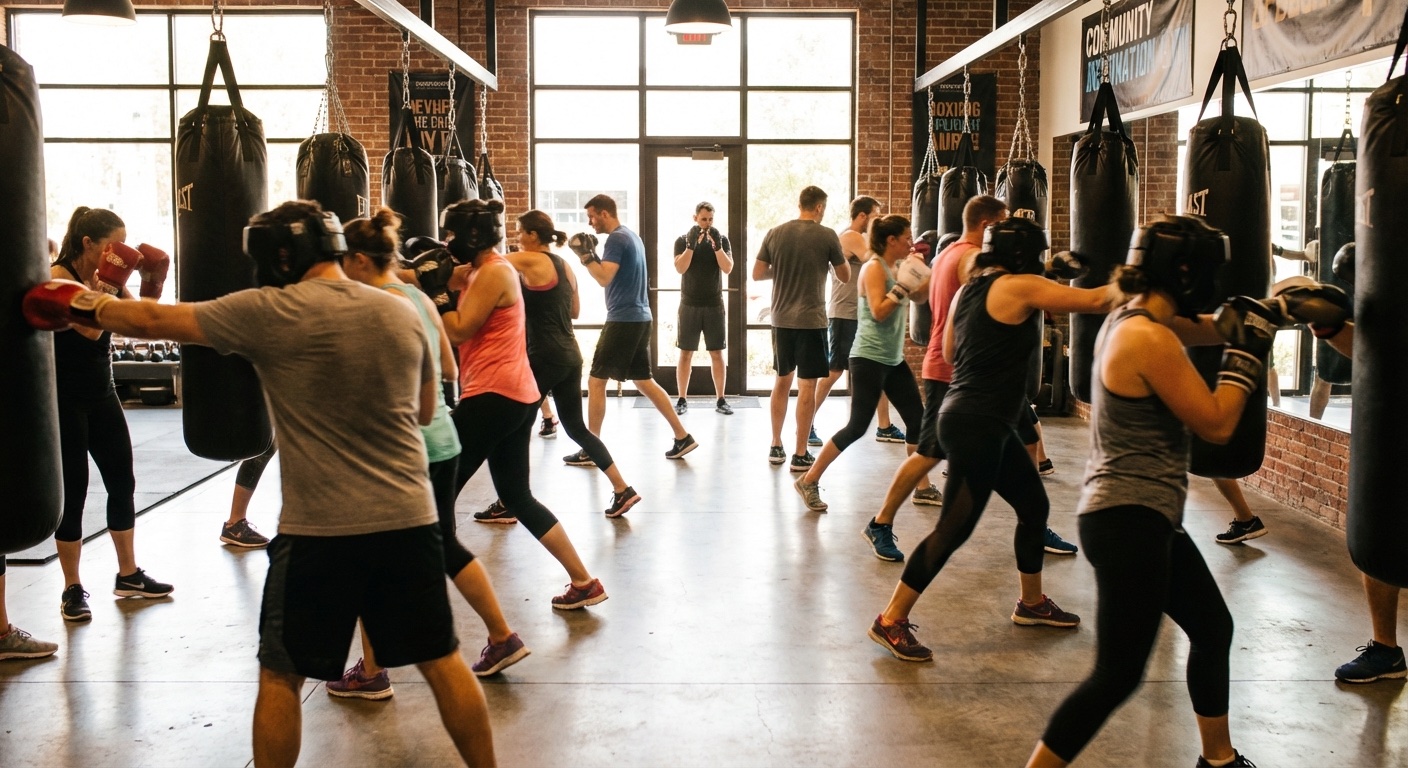
If your cholesterol number has come back higher than you wanted, boxing can be a useful part of the answer. Not the whole answer. Not a magic fix. A useful part.
High cholesterol is mainly a medical and lifestyle issue, so your GP or pharmacist comes first. The NHS high cholesterol guidance is clear that diet, activity, smoking, alcohol, weight, family history and medication can all matter. A boxing coach should not pretend to replace that advice.
Where boxing does fit is simple: it gives you a hard, repeatable training session that most people find less dull than another treadmill promise. You move your feet, throw punches, recover, listen, think, and work again. For adults who need to train consistently rather than just buy another gym membership, that matters.
Can boxing help lower cholesterol?
Boxing may help improve cholesterol as part of a wider exercise routine, but it should not be sold as a direct cure.
The best evidence is not usually boxing-specific. It comes from research on aerobic and mixed exercise. A 2021 meta-analysis of aerobic exercise in people with hyperlipidaemia found improvements across blood lipid markers, including total cholesterol, LDL cholesterol, HDL cholesterol and triglycerides. That does not mean one boxing class changes your blood test. It means regular exercise is a serious lever.
The NHS advises adults to aim for at least 150 minutes of moderate activity or 75 minutes of vigorous activity each week, plus strengthening activity on two days (NHS exercise guidance). Boxing can sit neatly inside that target because a proper class is not just light movement. It asks for repeated bursts of effort, balance, coordination and recovery.
At Honour and Glory, a beginner should think in months, not days. If your blood test has scared you into doing something, good. Use that feeling to start. Then turn it into a habit that survives after the panic fades.
Why boxing suits adults who need consistency
The boring answer to cholesterol is consistency. That is also the part most people hate.
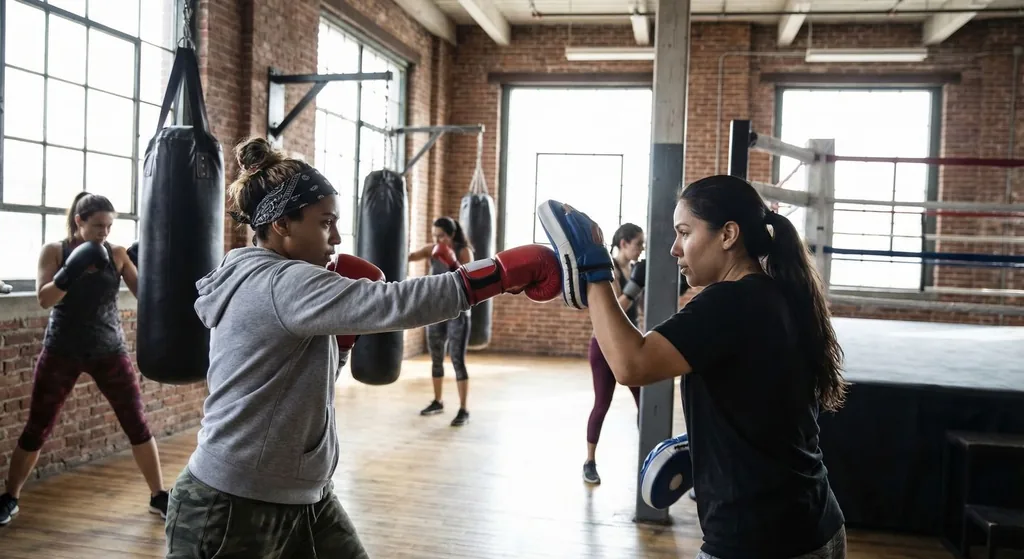
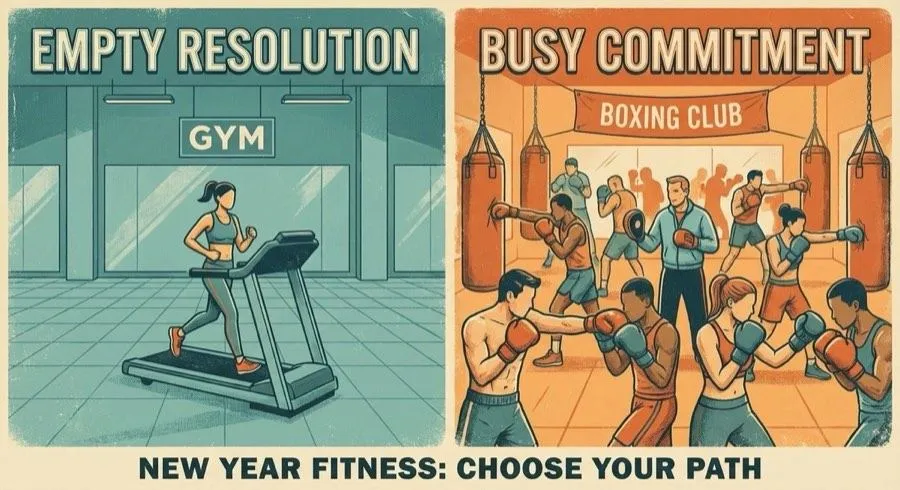
Walking is excellent, but some adults need more bite from training. Commercial gyms work for some people, but many join, drift, and then feel guilty every time the direct debit lands. Boxing gives the session a job. You are not just trying to burn energy. You are trying to stand better, breathe better, punch cleaner and recover faster between rounds.
That skill element is why people come back. A beginner who learns to jab without leaning, or finishes a round without tensing their shoulders, feels real progress. That is different from staring at a calorie screen and wondering whether the machine is lying.
Boxing also makes effort obvious. You cannot hide from a round on pads. If you rush, you gas. If you hold your breath, your shoulders fill with concrete. If you relax and listen, the work becomes manageable. That feedback loop keeps adults honest without humiliating them.
If weight is part of your cholesterol picture, our guide to where boxing fits among the best sports for weight loss gives a broader comparison without pretending that one sport solves everything.
What boxing does that ordinary cardio often misses
Boxing is not steady-state cardio dressed up with gloves.
A review of amateur boxing performance found that boxing relies on both aerobic and anaerobic energy systems, with repeated high-intensity efforts layered on top of recovery work (Journal of Sports Science and Medicine). That is exactly why beginners can run comfortably but still struggle in a boxing class. The demand keeps changing.
You warm up, skip, shadow box, drill footwork, hit pads, work the bag, move around the ring, then recover and go again. The heart has to respond to changes rather than sit at one neat pace. That is useful fitness.
There is a second benefit: boxing trains the body you actually live in. You rotate, brace, step, turn, reach, reset and breathe under pressure. For adults who sit too much, that is a better use of an hour than another half-hearted gym circuit with no coaching.
This is also why beginners should not chase exhaustion for its own sake. Feeling ruined is not the same as training well. You want hard work that you can repeat next week, not one heroic session followed by ten days of soreness.
What to check before you start
If you have high cholesterol and no other health concerns, a recreational boxing class is usually a sensible place to start. If you also have chest pain, dizziness, uncontrolled high blood pressure, recent heart symptoms, or you have been told to avoid vigorous exercise, speak to a clinician before booking.
That is not scare copy. It is basic adult responsibility.
Boxing beginners at H&G do not need to spar. Recreational training can be pads, bags, footwork, conditioning and coaching. Contact boxing is a separate pathway with suitability checks and proper coaching. Do not confuse fitness boxing with competitive fighting.
If you are nervous, start with Adult Recreational boxing at Honour and Glory. You will be coached through the basics rather than thrown into chaos. If you are in Greenwich or nearby South East London, the gym is close enough to make training a weekly habit rather than a special expedition.
How hard should you train?
Train hard enough to breathe heavily, but not so hard that your technique collapses in the first ten minutes.
A useful first-month target is two sessions a week. One class a week is better than nothing, but two gives your body enough repetition to learn. Three can work later if recovery is good. Four hard sessions is usually too much for a new adult who also has work, sleep, family, stress and possibly a body that has not trained properly for years.
In class, use a simple rule: if your form disappears, reduce the intensity. Better boxers do not waste effort. They punch sharply, breathe on shots, keep their guard without clenching, and move their feet without stamping around like they are angry at the floor.
If you struggle with breath control, read our guide to breathing properly in boxing. Breathing is not a small detail. It is often the difference between controlled effort and panic.
What boxing cannot do for cholesterol
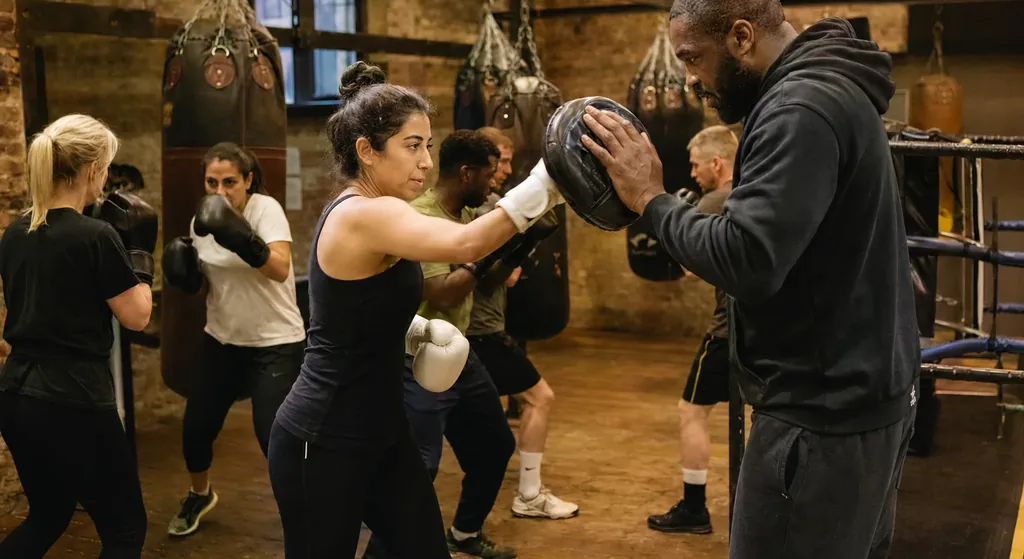
Boxing cannot outrun every lifestyle problem.
If your food, sleep, alcohol intake, smoking or medication plan needs attention, training is only one part of the picture. The NHS high cholesterol page puts lifestyle and clinical advice together for a reason. You can train twice a week and still need to change what happens outside the gym.
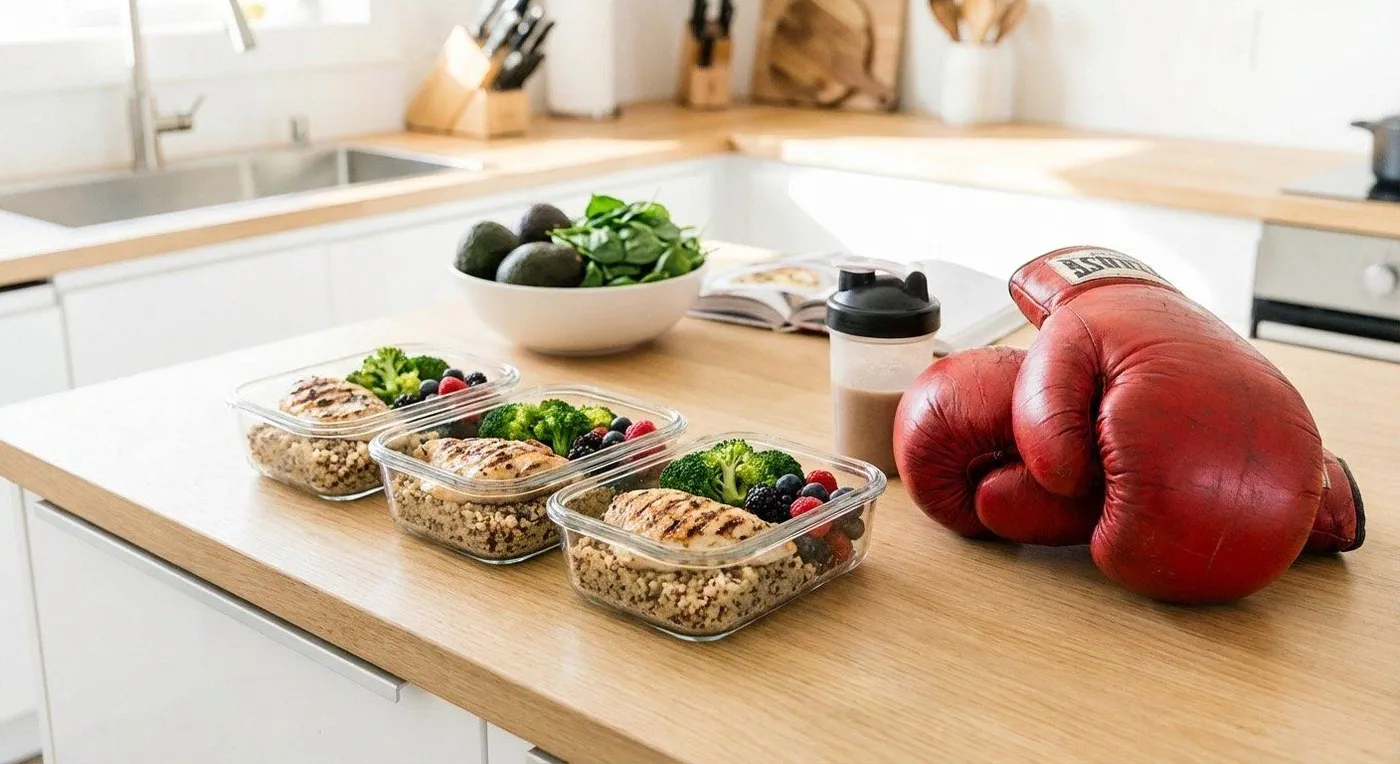
Boxing also cannot give you an instant blood-test result. Cholesterol changes are measured over time. If your GP asks you to retest after a set period, use that period properly. Train, walk more, improve meals, sleep better where you can, and follow the advice you were given.
The danger is thinking like a January gym advert: go hard, sweat a lot, then expect a new body in three weeks. That thinking burns people out. A better plan is to build a repeatable weekly rhythm and let the blood work catch up.
A practical starter plan
For most adults, the best starter plan is not complicated.
- Book one trial session. Do not spend a month researching gloves before you have trained once.
- Start with two weekly sessions if possible. One class plus a brisk walk on other days is a good base.
- Keep the first month controlled. Learn stance, guard, jab, cross, footwork and breathing before chasing big rounds.
- Tell the coach if you are managing a health issue. You do not need to give a medical history in public, but a quiet word helps us scale the session.
- Track attendance, not perfection. The adult who trains 30 times across three months beats the adult who destroys one Monday session then vanishes.
You can add extra walking, cycling or strength work around boxing later. The first job is to become the person who actually turns up.
The honest answer
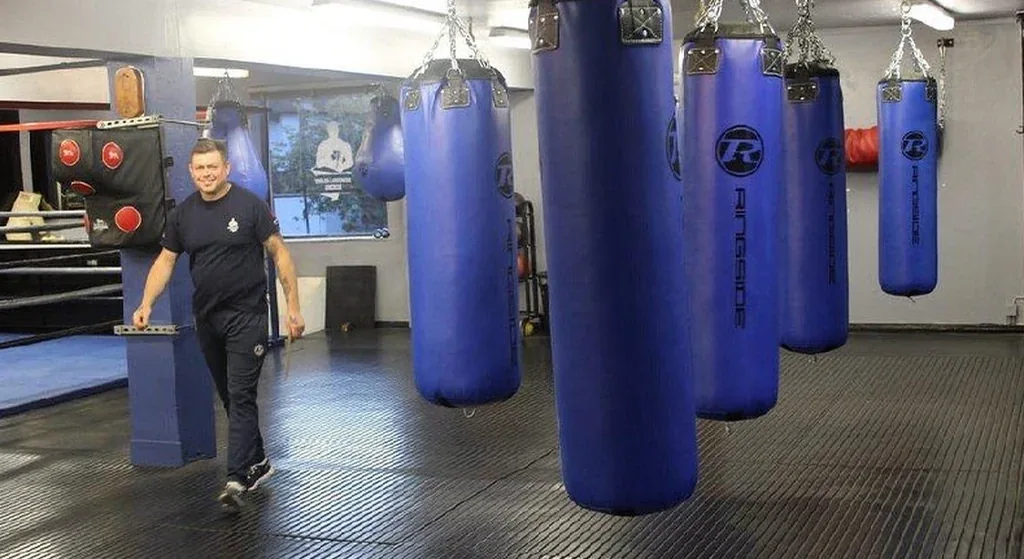
Boxing can be a strong choice if you need to take cholesterol, fitness and heart health seriously, but it works best as part of a wider plan.
Use your GP or pharmacist for medical advice. Use the NHS guidance for the non-negotiables. Use boxing for the bit many adults struggle with: doing hard exercise often enough for it to matter.
The right class should not make you feel stupid. It should teach you, push you, and give you a reason to come back. That is where boxing earns its place.
H&G Team
Writer at Honour & Glory Boxing Club, a community boxing gym in Kidbrooke, South East London.
Was this page helpful?
Your feedback helps us improve this page
Got questions about what you just read?
ASK OUR AI ASSISTANT ✨MORE LIKE THIS

WANT TO JOIN US?
Book a free trial session and see what we're all about.
Claim a Free Trial