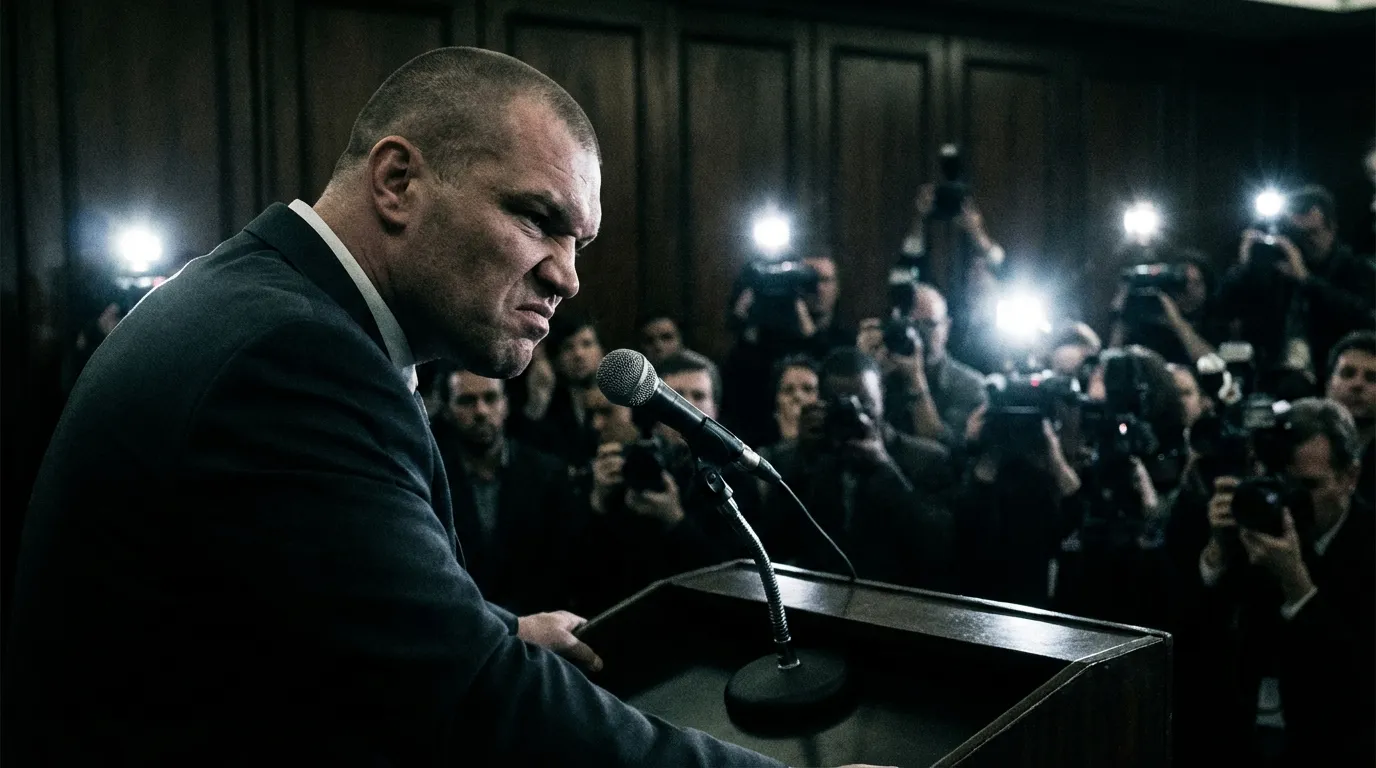
When Logan Paul offered $1 million to any NFL player willing to step into a boxing ring, he probably expected to negotiate purses and broadcast rights. Instead, he found himself negotiating with his own employer. WWE blocked the proposed crossover bout before contracts could even reach the table, citing contractual obligations that prevent their performers from engaging in unsanctioned combat sports. The move has exposed the tension between modern influencer boxing and the rigid structures of professional wrestling contracts, whilst highlighting exactly why traditional gym culture still matters.
The Challenge That Never Was
Paul issued the challenge in early March 2026, targeting active NFL athletes with a seven-figure guarantee. Several players accepted immediately, including former Pittsburgh Steelers running back Le'Veon Bell, who publicly accepted the offer and began training for a summer bout. The matchup made commercial sense. Paul brings the YouTube audience, Bell brings the NFL crossover appeal, and both bring enough athletic pedigree to sell tickets.
Then WWE intervened. According to reports from Cynical Times, the organisation invoked specific clauses in Paul's performer agreement that prohibit engagement in combat sports outside WWE-sanctioned events. Marca confirmed that WWE officials contacted Paul directly to veto the match, effectively banning him from boxing NFL players whilst under contract.
The Contractual Cage
WWE's position is straightforward from a business perspective. Paul represents a significant investment. He main-events premium live events, moves merchandise, and draws demographics that traditional wrestling struggles to reach. Allowing him to take punches from NFL linebackers in an unsanctioned boxing match represents an unacceptable injury risk to that investment.
However, the situation reveals the precarious position of modern crossover athletes. Paul built his boxing credentials through white-collar bouts against fellow YouTubers, then leveraged that notoriety into a WWE contract. Now the company that profits from his combat sports persona is preventing him from actually practising combat sports. As noted by Scott's Blog of Doom, this creates a paradox where WWE simultaneously markets Paul as a legitimate fighter whilst contractually forbidding him from fighting.
The Reddit wrestling community has watched this unfold with characteristic scepticism. One commenter on r/SquaredCircle observed that WWE "treat him like a main eventer when it suits them, then pull him from real fights when the risk gets too high." Another thread on the same subreddit questioned whether WWE was finished with Paul entirely, suggesting the boxing ban might signal a cooling relationship.
Not all voices criticise WWE's intervention. Some fans on r/WWE pointed out that Paul signed the contract willingly and that WWE has every right to protect its intellectual property. "You cannot have your performers getting concussed in side gigs," one user noted. "It devalues the product when they show up to Raw with a broken nose from some boxing match."
Influencer Boxing Meets Reality
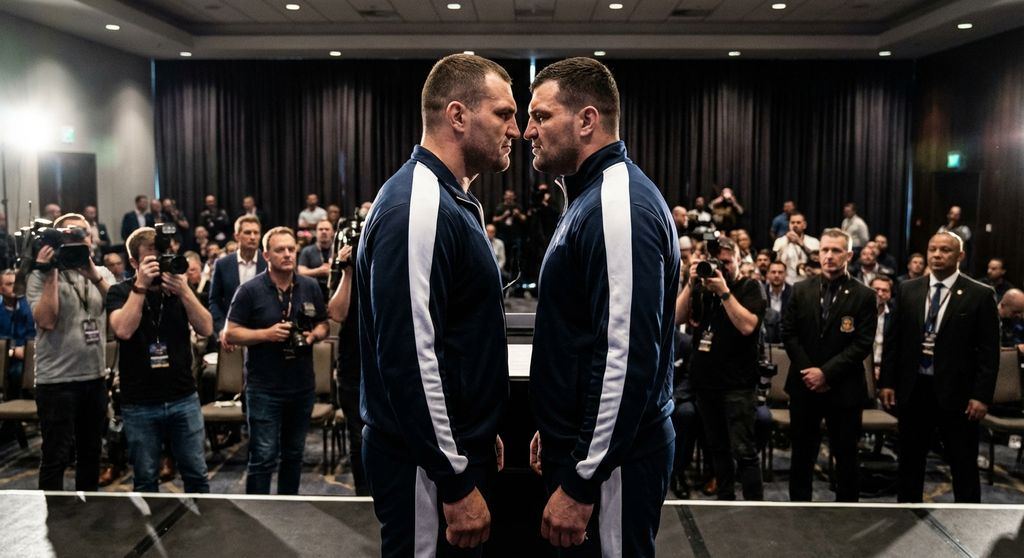
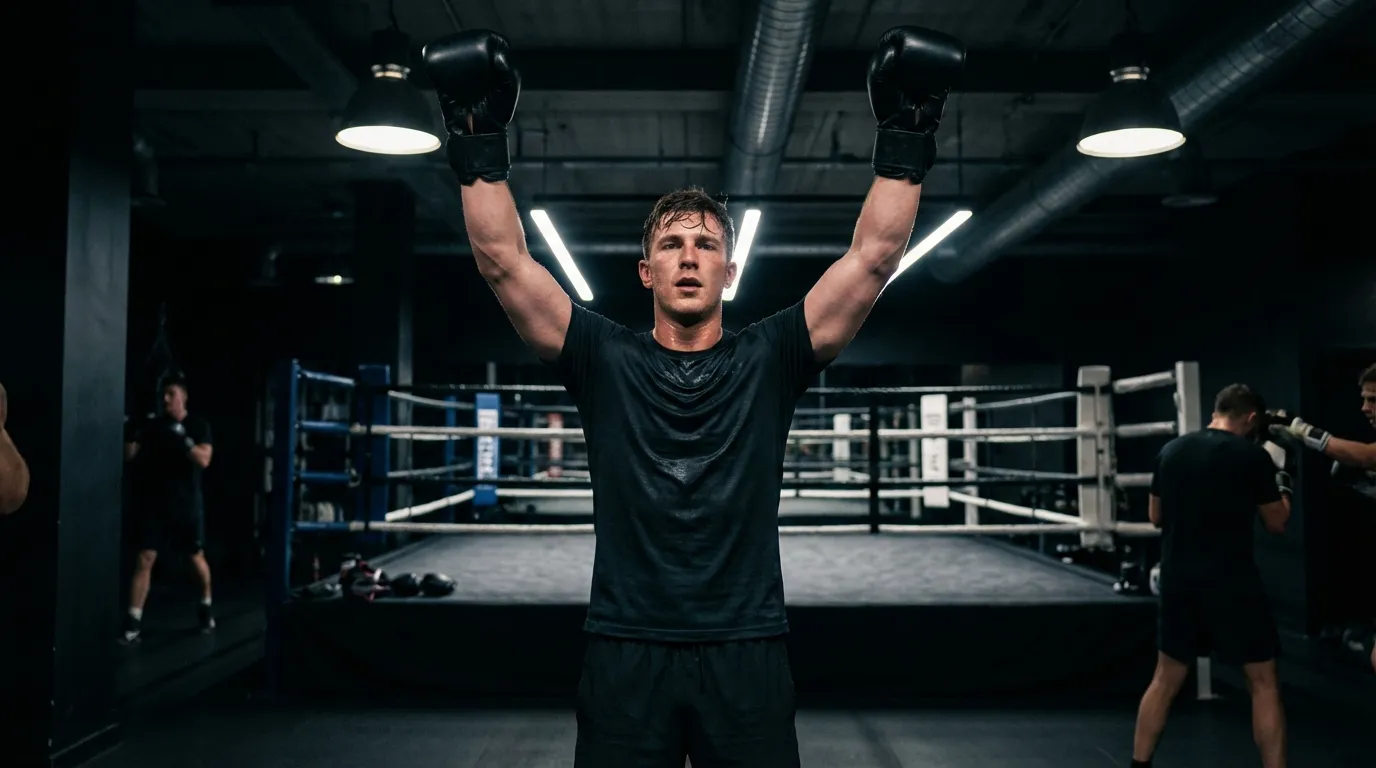
This conflict highlights the fundamental difference between influencer boxing and the culture we cultivate at Honour and Glory in Kidbrooke. When you train at a traditional amateur boxing club, you earn your right to compete. You skip rope until your calves burn. You spar when you would rather not. You learn that boxing is not content creation with gloves on. It is a discipline that demands consistency over virality.
Paul's situation demonstrates what happens when boxing becomes content first and sport second. His boxing career exists as long as it serves his brand partnerships and WWE storylines. The moment genuine risk enters the equation, corporate interests shut it down. This is not boxing. It is performance art with punching.
The contrast becomes starker when you consider WWE's stated concerns about risk. They are not worried about Paul's long-term cognitive health. They are worried about their quarterly earnings. At a community boxing club, we manage risk through proper coaching, medical clearances, and gradual progression. We do not cancel your fights because they might affect merchandise sales.
What This Means for the Future
The Logan Paul boxing ban suggests we are reaching a saturation point for influencer crossover bouts. As these performers sign exclusive contracts with larger entertainment entities, their ability to organise independent boxing events diminishes. The era of YouTubers calling out celebrities and arranging fights via Twitter may be ending, replaced by corporate-controlled combat where every punch requires legal clearance.
For traditional boxing gyms, this presents both challenge and opportunity. The challenge lies in competing with the spectacle of these crossover events for young people's attention. The opportunity lies in offering something WWE cannot manufacture: authenticity. When a teenager trains at Honour and Glory, they are not preparing for a scripted storyline. They are learning a skill that exists independent of any contract or camera crew.
The Daily Update from F4W/WON suggested this incident might force Paul to choose between his WWE career and his boxing ambitions permanently. If he chooses boxing, he returns to the influencer circuit with diminished star power. If he stays with WWE, he becomes what critics on r/SquaredCircle have suggested: "a pretend fighter who plays tough on television but cannot handle real competition."
The Local Perspective
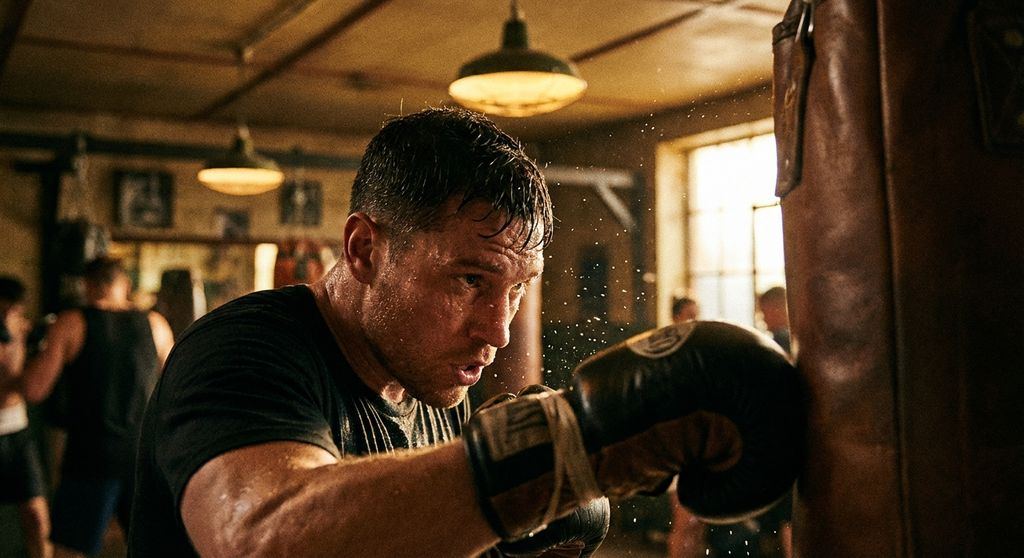
Here in South East London, we see the fallout from these celebrity boxing sagas in our gym every week. Young lads arrive wanting to train like Logan Paul or Jake Paul. They want the highlight reels without the early mornings. We redirect them toward fundamentals. Footwork first. Defence second. Showmanship comes only after you have earned the right to display it.
The WWE ban on Paul's NFL boxing match ultimately reinforces what we tell our members: boxing is not a content strategy. It is a commitment. You cannot pause your development because your employer forbids it. You cannot outsource your conditioning to a brand deal. The heavy bag does not care about your social media metrics.
If you want to learn boxing as it was meant to be practised, without contractual restrictions or corporate interference, book a free trial session at Honour and Glory Boxing Club. We train junior members from age 7 through to senior competitors, with recreational adult classes that focus on proper technique rather than pay-per-view angles. No million-dollar offers required. Book in, lace up, and work.
Honour and Glory
Writer at Honour & Glory Boxing Club, a community boxing gym in Kidbrooke, South East London.
KEEP READING
YouTube Boxing Phenomenon Explained
From KSI vs Logan Paul to Jake Paul's professional career - how YouTube boxing became a legitimate phenomenon and what it means for the sport's future.
KSI Boxing: Record and Career Guide
From Joe Weller to Logan Paul to founding Misfits Boxing - KSI's complete boxing journey, his record, and his impact on the sport explained.
Tommy Fury: Record and Career Guide
Tommy Fury's complete boxing record, his fight against Jake Paul, and his journey from Love Island to legitimate professional boxer explained.
Was this page helpful?
It takes one tap, and it genuinely helps.
Choose your next step
Turn this article into the right action
Some readers are ready to book. Some need the class route first. Pick the route that matches what you actually want.