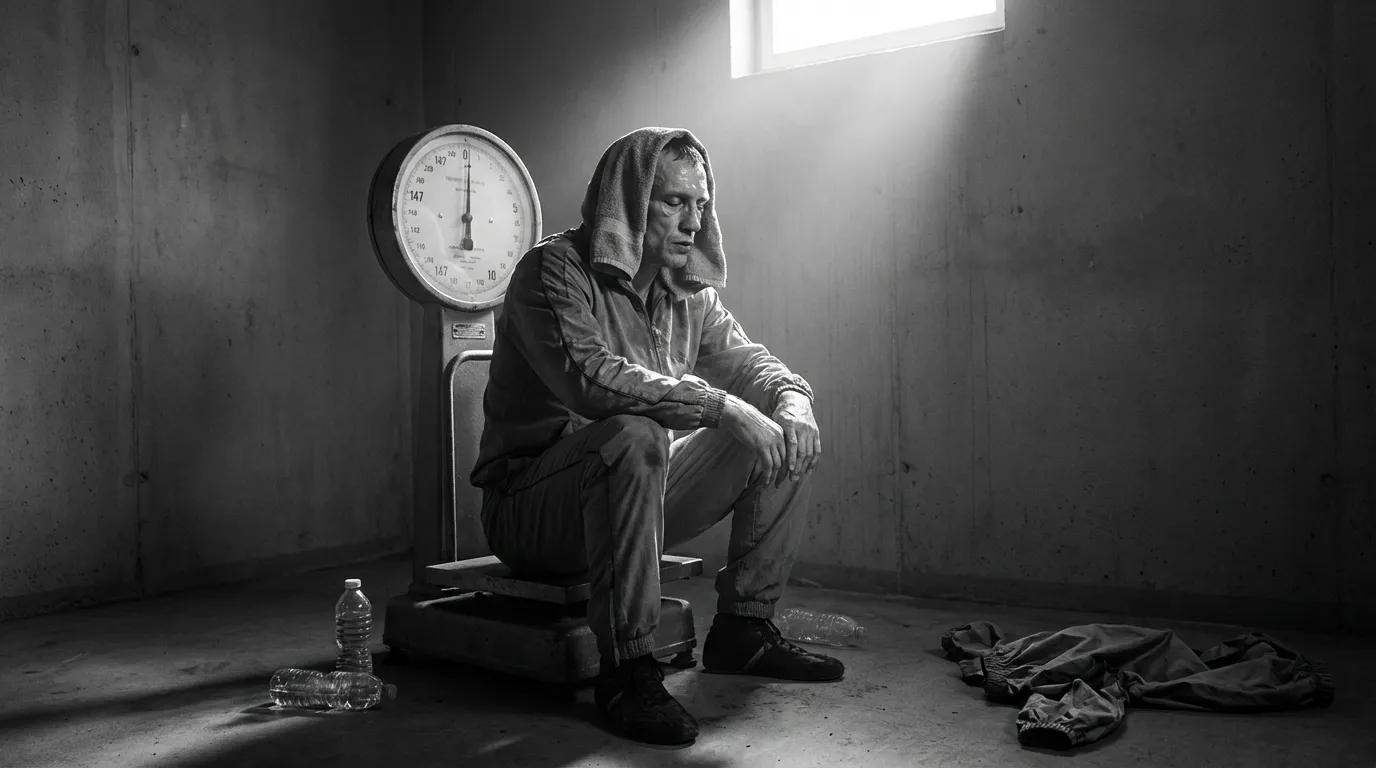
Weight cutting in boxing is standard practice at competitive levels. Fighters dehydrate themselves to make a lower weight class, then rehydrate before the fight to compete heavier than their official weigh-in weight.
This practice ranges from mildly uncomfortable to genuinely dangerous. People have died from extreme weight cuts. This article covers what actually happens when boxers cut weight, what is reasonably safe, and what crosses into dangerous territory.
Important disclaimer: This is educational information, not medical advice. If you are competing and considering a weight cut, work with a professional. Doing this alone is risky.
If you are here because you are trying to understand the actual divisions first, use the full boxing weight classes and categories guide. A weight class is only the upper limit for a contest. It is not a promise that your body should be forced down to that number.
How Weight Cutting Works
The basic principle is simple: your body is roughly 60% water. By reducing water weight temporarily, you can weigh in lighter than your normal weight, then rehydrate before competing (source).
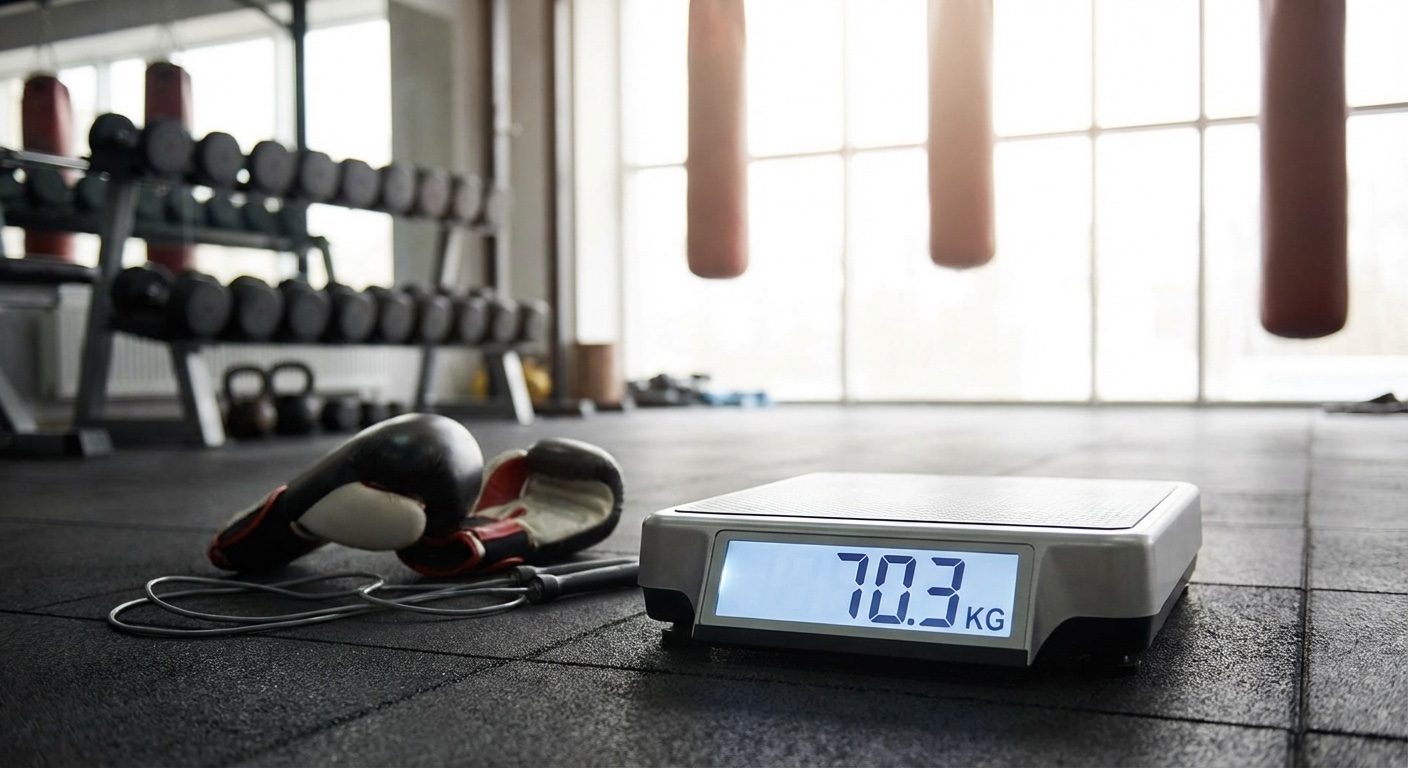
A fighter who normally weighs 70kg might compete at 66kg (welterweight) by cutting 4kg of water weight for the weigh-in, then rehydrating back towards 70kg before the actual fight.
The advantage? Fighting someone who also made 66kg but might naturally weigh 67kg, while you are now fighting at 70kg.
What You Can Actually Cut
Water weight: 2-6% of bodyweight is achievable with proper protocols. For a 70kg person, that is 1.4-4.2kg (source).
Food weight: Emptying your digestive system through reduced eating drops 1-2kg.
Glycogen: Reducing carbs depletes glycogen and the water bound to it - another 1-2kg.
Actual fat: Takes weeks, not days. Not part of a quick weight cut.
What You Cannot Safely Cut
Trying to lose significant muscle or fat mass in the final week before competition is dangerous and counterproductive. You will be weaker, slower, and more likely to get hurt.
The Weight Cut Timeline
Most weight cuts follow a similar pattern:
4-8 Weeks Out: Gradual Fat Loss
If you need to lose actual weight (not just water), this starts early. A calorie deficit of 500 calories daily loses about 0.5kg per week.
- Reduce calories moderately
- Keep protein high (2g per kg)
- Train normally
- Do not rush - crash dieting loses muscle
1 Week Out: Water Loading Begins
Counter-intuitive, but you drink MORE water initially.
- Drink 6-8 litres of water daily
- Maintain normal sodium intake
- Eat normally but reduce fibre
The body responds to high water intake by increasing urine production. When you suddenly drop water intake later, the body keeps flushing water for 24-48 hours before adjusting.
3-4 Days Out: Sodium Reduction
Sodium makes your body hold water. Reducing it helps with the final cut.
- Reduce sodium significantly
- Continue high water intake
- Reduce carbohydrates
2 Days Out: Water Restriction Begins
This is where things get uncomfortable.
- Reduce water to 1-2 litres
- Very low sodium
- Low carbohydrates
- Light training only
Day Before: Final Push
The most dangerous phase.
- Minimal water (sips only)
- Hot baths or sauna to sweat out remaining water
- Light food or no food
- Rest
- Wake early to check weight
- Final dehydration if needed (sauna, hot bath)
- Weigh in
- Immediately begin rehydration
Post Weigh-In: Rehydration
The recovery phase is just as important as the cut.
- Oral rehydration solution or sports drinks
- Small amounts of easily digestible carbs
- Sip fluids - do not chug
- Continue rehydrating
- Light carbohydrate-rich meal
- Sodium to help retain water
- Normal-sized meal
- Continue fluid intake
- Rest and sleep
Safe Weight Cutting Practices
Some weight management is reasonable when done properly:
Competing 2-3kg below walking weight
Most fighters can safely cut 2-4% of bodyweight through water manipulation without significant performance impact (source).
Working with professionals
Sports nutritionists and experienced coaches know how to cut weight safely. They monitor hydration status and adjust protocols accordingly.
Gradual fat loss in camp
Losing actual weight over 8-12 weeks through proper dieting is safe and sustainable.
Water loading protocols
The water loading method is well-established and, when done correctly, is relatively low risk.
Adequate rehydration time
Same-day weigh-ins give less time to recover. 24-hour weigh-ins allow proper rehydration.
Listening to your body
Stopping if you feel seriously unwell. Skipping a fight is better than collapsing.
Dangerous Weight Cutting Practices
These methods have killed people. They should be avoided:
Extreme Dehydration
Cutting more than 8-10% bodyweight through water (source).
At this level, your blood becomes dangerously thick. Heart attacks and kidney failure become real risks.
Sauna sessions exceeding 30 minutes
Extended heat exposure while dehydrated is how fighters have died. Your body loses its ability to regulate temperature.
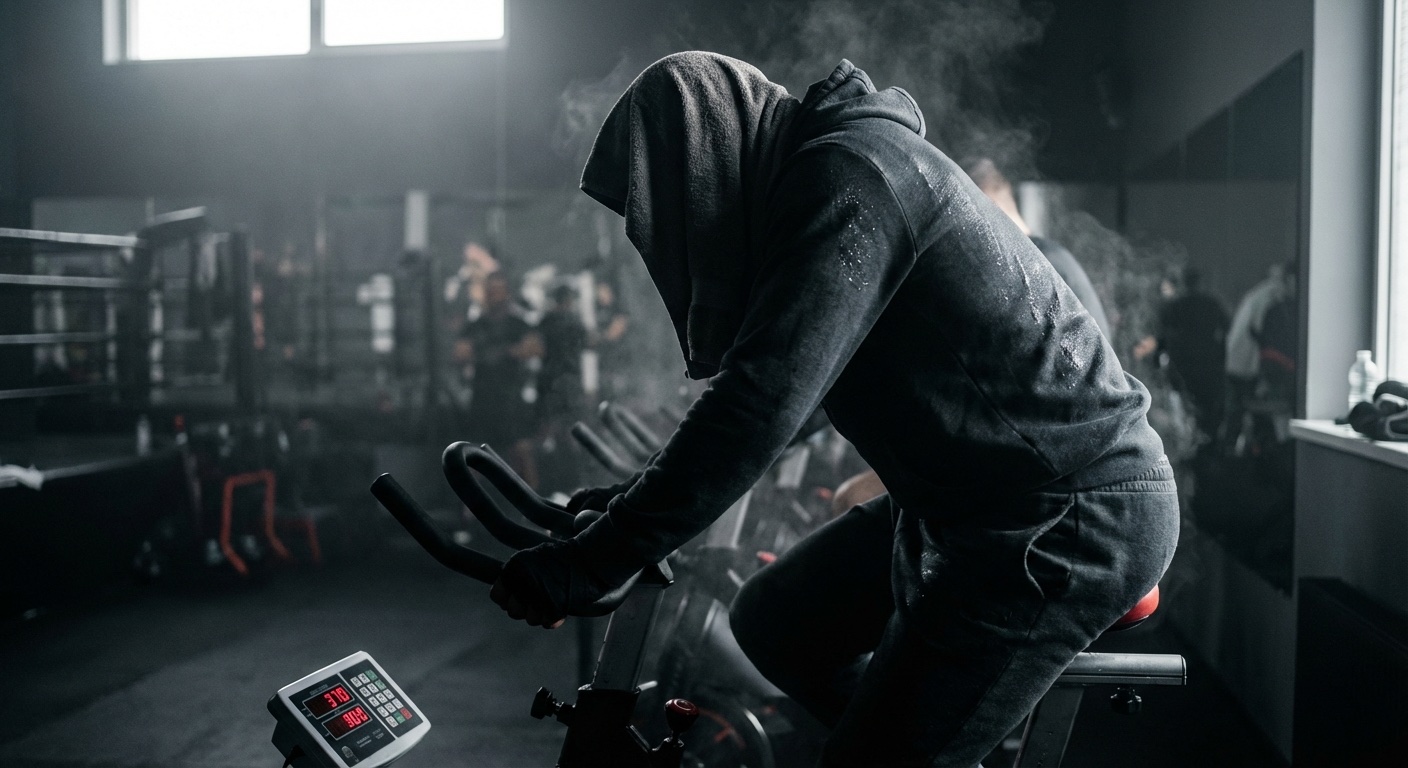
Exercising in heavy clothing while dehydrated
Rubber suits, bin bags, multiple layers - these prevent cooling and accelerate dangerous dehydration.
Chemical Shortcuts
Diuretics
Pills that make you urinate more. They also deplete essential electrolytes and are banned in most sports. Deaths have occurred.
Laxatives
Used to empty the bowel quickly. Cause dangerous electrolyte imbalances and severe cramping.
Unprescribed medications
Anything not from a doctor. You do not know what you are taking or how your dehydrated body will react.
Starving Before Weigh-In
Not eating for 24-48 hours
Depletes energy and impairs cognitive function. You might make weight but you will fight terribly.
Extreme calorie restriction in final week
Your body needs fuel for training and recovery. Crash dieting costs muscle and energy.
Ignoring Warning Signs
Continuing despite dizziness or confusion
These are serious warning signs of dangerous dehydration.
Cutting alone
Without someone monitoring you, you cannot objectively assess how bad you are getting.
Cutting for the first time before an important fight
Practice cuts in training first. You need to know how your body responds.
Warning Signs to Stop Immediately
If you experience any of these during a weight cut, stop and seek help:
- Severe headache
- Confusion or disorientation
- Chest pain or irregular heartbeat
- Inability to urinate
- Fainting or near-fainting
- Muscle cramps that will not release
- Extreme weakness
- Dark brown urine
These indicate your body is in serious trouble. Making weight is not worth your health or life.
Deaths and Serious Injuries
Weight cutting has killed boxers and MMA fighters. Notable cases include:
Yang Jian Bing (2015) - Died from dehydration and kidney failure during a weight cut.
Multiple MMA fighters have died or suffered permanent organ damage from extreme cuts.
The combat sports community is increasingly aware of these dangers. Some organisations have implemented hydration testing and weight class changes to reduce extreme cutting.
The Amateur/Recreational Perspective
If you are boxing at amateur or recreational level, think carefully about whether weight cutting makes any sense.
For most early-stage boxers, the safer sequence is: train consistently, find your natural range, then let a coach match you to the right event category. Do not start with a professional boxing weight classification and work backwards by skipping meals or sweating out water.
Arguments against cutting for amateurs:
- The skill advantage from fighting smaller opponents is minimal at lower levels
- The performance drop from dehydration might cost you more than you gain
- Medical supervision is rarely available
- The risk is not worth a local competition
A better approach:
- Compete at your natural weight
- Focus on skill development instead of weight manipulation
- If you want to compete lighter, lose fat gradually over months
- Walk around close to your competition weight
For a club boxer doing their first competition, there is absolutely no reason to cut weight. Fight at whatever weight class you naturally fit.
When Weight Cutting Might Make Sense
At higher competitive levels, strategic weight management becomes more relevant:
- You naturally sit between two weight classes and need to pick one
- You are competing at national or international level where every advantage matters
- You have access to professional guidance
- You have adequate time between weigh-in and competition
- You have practiced the process before
Even then, the trend in combat sports is moving towards smaller cuts. Many fighters perform better at higher weight classes without the stress of cutting.
Making Weight Naturally
The alternative to cutting is simply competing at your natural weight. Benefits:
- Full energy for training and competition
- No dehydration-related performance drop
- No health risks
- Less stress and better mental preparation
- Easier to be consistent competition to competition
To compete naturally at a lower weight class:
- Lose fat gradually over 12-16 weeks
- Maintain muscle through adequate protein and resistance training
- Adjust training volume as energy decreases
- Arrive at competition weight naturally, not dehydrated
Our Position at H&G
We do not encourage weight cutting for recreational or early-stage competitive boxers.
If you are training with us and want to compete, we will help you find the appropriate weight class for your natural size. We will support sensible nutrition and gradual weight management where needed.
We will not help you dehydrate yourself for an advantage that probably will not matter at your level. Your health is more important than a trophy.
Questions about competing, weight classes, or nutrition for training? Read the boxing weight classes guide, book a free trial at Honour & Glory, and talk to our coaches.
Frequently Asked Questions
Is cutting weight for boxing safe?
Small cuts (2-4% bodyweight) done properly with professional guidance are relatively safe. Larger cuts or unsupervised cuts are dangerous and have killed people. For amateurs, it is rarely worth the risk (source).
How much weight can you safely cut?
Most experts suggest 3-5% of bodyweight maximum through water manipulation. Beyond this, performance suffers significantly and health risks increase sharply.
How do boxers lose weight so fast before a fight?
Primarily through water manipulation - reducing fluid intake and sweating in saunas or hot baths. This is temporary and the weight returns with rehydration.
Should I cut weight for my first amateur fight?
Probably not. Focus on your skills and compete at your natural weight. Weight cutting makes marginal differences that will not matter if your fundamentals are not solid.
How long does it take to safely cut 5kg?
If it is water weight, 5-7 days with a proper protocol. If it is actual fat, 10-12 weeks through calorie deficit. Trying to lose 5kg of fat in a week is impossible and dangerous.
H&G Team
Writer at Honour & Glory Boxing Club, a community boxing gym in Kidbrooke, South East London.
KEEP READING

Counter Punching Basics for Boxers
Counter punching turns defence into attack. Learn the fundamentals of countering - from basic techniques to the mindset that makes counter punchers dangerous.

Switch Hitting in Boxing: Useful Skill or Bad Idea?
Switch hitting can make a boxer awkward, creative and dangerous. It can also ruin a beginner's basics. Here is the honest guide to switching stance in boxing.
Boxing Weight Shift Drill: Stop Punching in Pieces
A simple boxing weight-shift drill that connects your punches, defence and footwork without turning every movement into a big shot.
Was this page helpful?
It takes one tap, and it genuinely helps.
Choose your next step
Turn this article into the right action
Some readers are ready to book. Some need the class route first. Pick the route that matches what you actually want.