
Muhammad Ali put it plainly: "The fight is won or lost far away from witnesses - behind the lines, in the gym, and out there on the road, long before I dance under those lights."
That road? That is the roadwork. And despite everything that is changed in boxing training over the past few decades - heart rate monitors, recovery apps, sports science degrees - the morning run is still there. Every serious boxer still does it. The question is why, and how much you actually need.
What boxing roadwork actually is
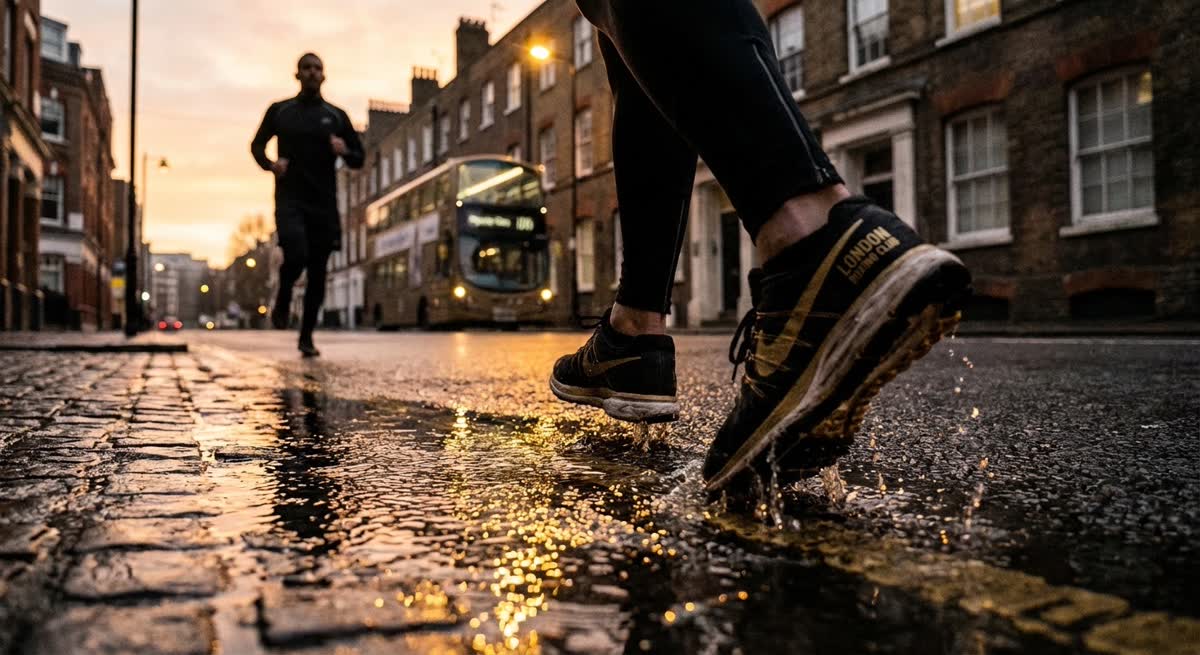
Roadwork is running done specifically as part of boxing conditioning. The word comes from the old tradition of fighters heading out on roads and tracks in the early hours, long before they'd set foot in the gym.
It is not the same as going for a casual jog. The pace, distance and structure are all chosen to serve the demands of fighting - not to train for a 10k or burn off last night's dinner. A typical roadwork session mixes steady-state running with short sprints, mirroring the rhythm of a boxing round: intense bursts followed by active recovery.
That said, there is a spectrum. A professional preparing for a twelve-round title fight will run differently from a teenager getting ready for their first three-round amateur bout. The principles are the same; the volume is not.
Why it works
The obvious answer is cardiovascular fitness. Running builds the aerobic engine that keeps a boxer moving in the later rounds, when the hands get heavy and the legs go first.
Joe Frazier, one of the hardest-working champions in heavyweight history, called running the single most important training a boxer can do. His reasoning: a fighter can have the sharpest jab in the world, but if the legs give out by round four, none of it matters. The cardio base built through roadwork is what keeps the technical skills available when tired. RDX Sports' guide to boxing roadwork documents the historical shift from long steady runs to interval-based sessions and explains why modern fighters combine both approaches.
But leg conditioning is only part of it. Running also:
- Builds the specific endurance in the calves, quads and hamstrings that boxing footwork demands. Moving around a ring for six rounds is not the same as walking to the shops. The legs need to be ready for lateral movement, pivots, and constant weight shifts under fatigue.
- Trains breathing under effort. Boxers who have not run enough often get winded mid-round, not because they lack strength, but because their respiratory system is not conditioned for sustained high output. If you are new and not sure whether the problem is cardio, tension or pacing, read why beginners gas out in boxing.
- Builds mental toughness. Getting up at 6am to do three miles when you do not want to is its own kind of training. That habit of doing the unglamorous work is part of what separates fighters who hold up in a tough round from those who look for an exit.
How much running does a boxer need?
A reasonable benchmark for club-level boxers is three to five miles, three to five times a week. That is a wide range, and intentionally so - the right answer depends on your weight class, fitness baseline, and what you are training for.
For someone training recreationally at a club like H&G in Kidbrooke, two or three morning runs a week at a moderate pace will make a noticeable difference to fitness over six weeks. You do not need to be running daily to get the benefits.
For anyone preparing for a fight, especially a first amateur contest, bumping that up to four or five sessions is sensible. The aim is to get comfortable covering four miles without stopping, which means rounds three and beyond feel far less desperate.
What the research supports is a mix of two types of run:
Steady-state running at around 60-70% of your maximum heart rate. This is your aerobic base work. Three to five miles at a pace where you can hold a conversation - not racing, not plodding. Do this three or four times a week during general training (source).
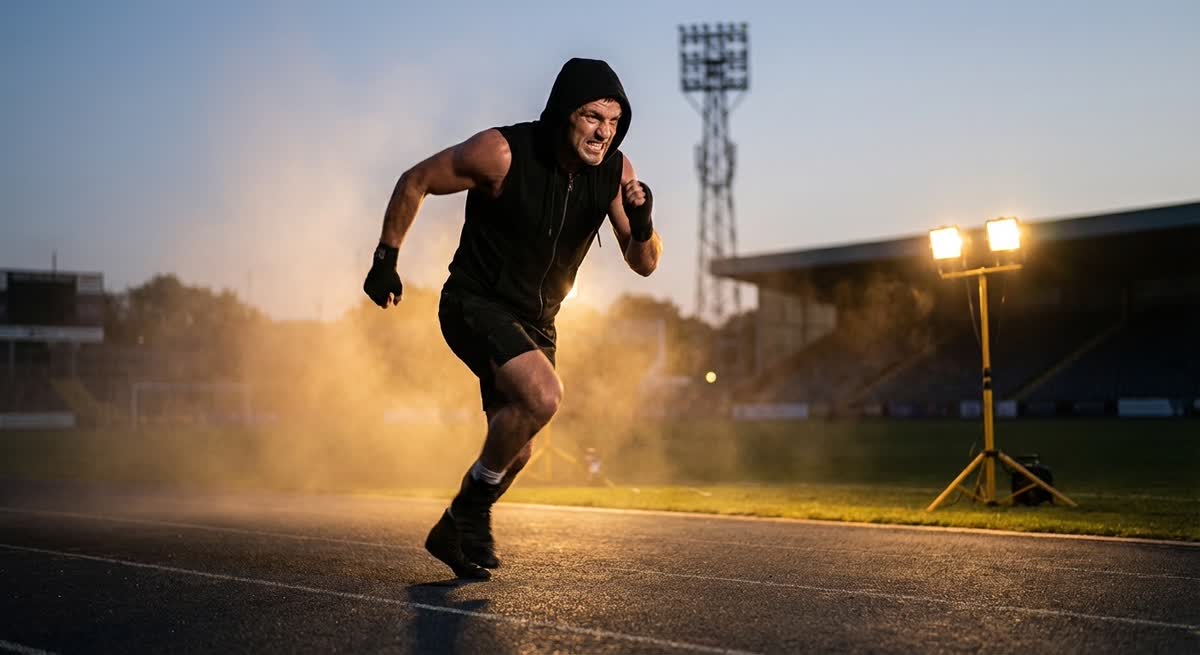
Interval sprints two or three times a week. These are more intense: sprint hard for 30-60 seconds, then jog or walk to recover, then repeat. This mirrors the actual energy demands of a boxing round and improves your ability to produce explosive output repeatedly without gassing out.
A simple session structure: warm up with ten minutes of easy jogging, then alternate between hard efforts and recovery for fifteen to twenty minutes, then cool down. That is enough.

When to run
The old-school tradition is early morning, ideally before breakfast. There are a few reasons fighters have done this for over a century. Running in a fasted state does produce some additional adaptation. But more practically, it separates cardio conditioning from gym work, keeps the evening session fresher, and builds a daily discipline that carries into everything else.
That said, running at any time beats not running at all. If 6am is not going to happen consistently, do it at lunchtime or after work. Consistency matters more than timing.
One thing to think about: do not run hard the day before or the day of a sparring session. Your legs need to be there for the ring. If you are sparring Tuesday and Thursday evenings, keep Monday and Wednesday runs to moderate steady state, and save intervals for Saturday morning.
A week that works for a club boxer
Here is how this might look in practice for someone training three or four times a week at the gym:
Monday morning: 3-4 miles easy run (steady state)
Tuesday evening: boxing session
Wednesday morning: interval run (20 mins including warm-up and cool-down)
Thursday evening: boxing session
Saturday morning: 4 miles moderate pace
That is three runs and two gym sessions. Simple enough to actually do. Consistent enough to build real fitness.
You can add a Sunday morning run if you want more volume, but most club-level boxers do not need more than three runs a week to feel the benefit.
Where to run around Kidbrooke and Greenwich
If you are training at H&G and looking for somewhere decent to do your roadwork, you are well placed. Sutcliffe Park is a five-minute walk and has a good loop around the running track. Oxleas Wood up through Eltham is good for hillwork. The riverside at Charlton is flat and easy to measure distance.
Most mornings at a reasonable hour there are runners out in all these spots. It is one of the benefits of being based in south-east London rather than somewhere you'd have to drive to find open space.
One thing most beginners get wrong
They run too fast on their easy days. The steady-state runs should genuinely feel steady - aerobic work, not threshold running. If you are gasping, you are going too hard and accumulating fatigue without the right adaptation. Keep the easy runs easy. Save the hard effort for intervals and sparring.
Boxing is not about how fast you can do a 5k. It is about sustained output over multiple rounds. Build the base properly and the faster stuff will come.
---
If you are new to boxing and wondering how to structure your training outside the gym, ask a coach at your next session. At H&G we can point you in the right direction based on where you are at and what you are working towards. The roadwork is part of the deal - but it does not have to be miserable.
H&G Team
Writer at Honour & Glory Boxing Club, a community boxing gym in Kidbrooke, South East London.
Was this page helpful?
It takes one tap, and it genuinely helps.
Choose your next step
Turn this article into the right action
Some readers are ready to book. Some need the class route first. Pick the route that matches what you actually want.