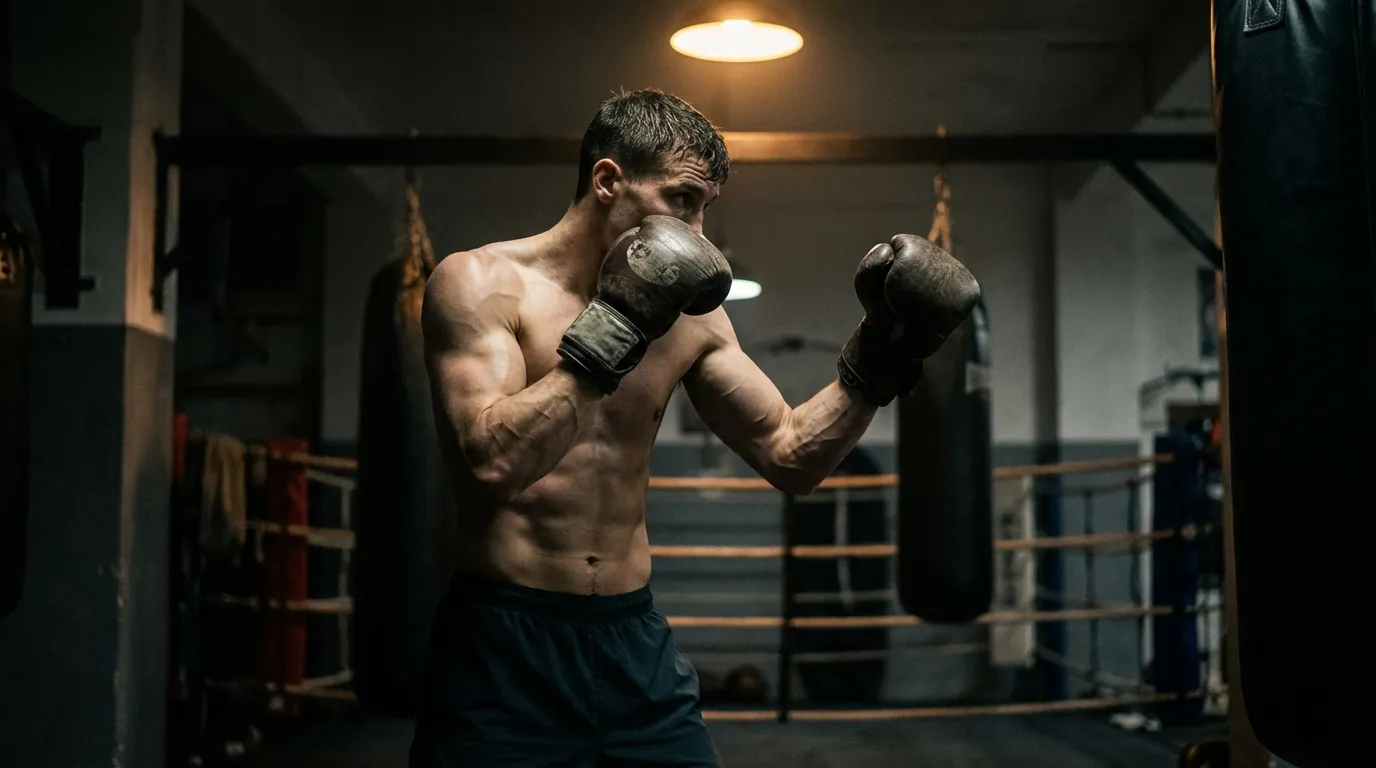
Does boxing build muscle? The short answer is yes. The longer answer is: yes, but it depends what you mean by "build muscle."
If you are imagining getting bodybuilder-huge from boxing, that will not happen. But if you want a lean, athletic physique with noticeable muscle definition - especially in your shoulders, arms, and core - boxing delivers.
Let us break down exactly what boxing does to your muscles and what kind of physique you can expect.
What Kind of Muscle Boxing Builds
Boxing builds functional, athletic muscle rather than bulky show muscle. Think more along the lines of a professional boxer's physique than a bodybuilder's.
Here is why: boxing is a high-rep, moderate-resistance activity. You are throwing hundreds of punches per session, but each punch is not maximum effort against heavy resistance. This type of training builds muscular endurance and lean muscle mass, not the hypertrophy you get from heavy weight training.
The result is a body that looks athletic and moves well - toned rather than massive.
The Muscles Boxing Works
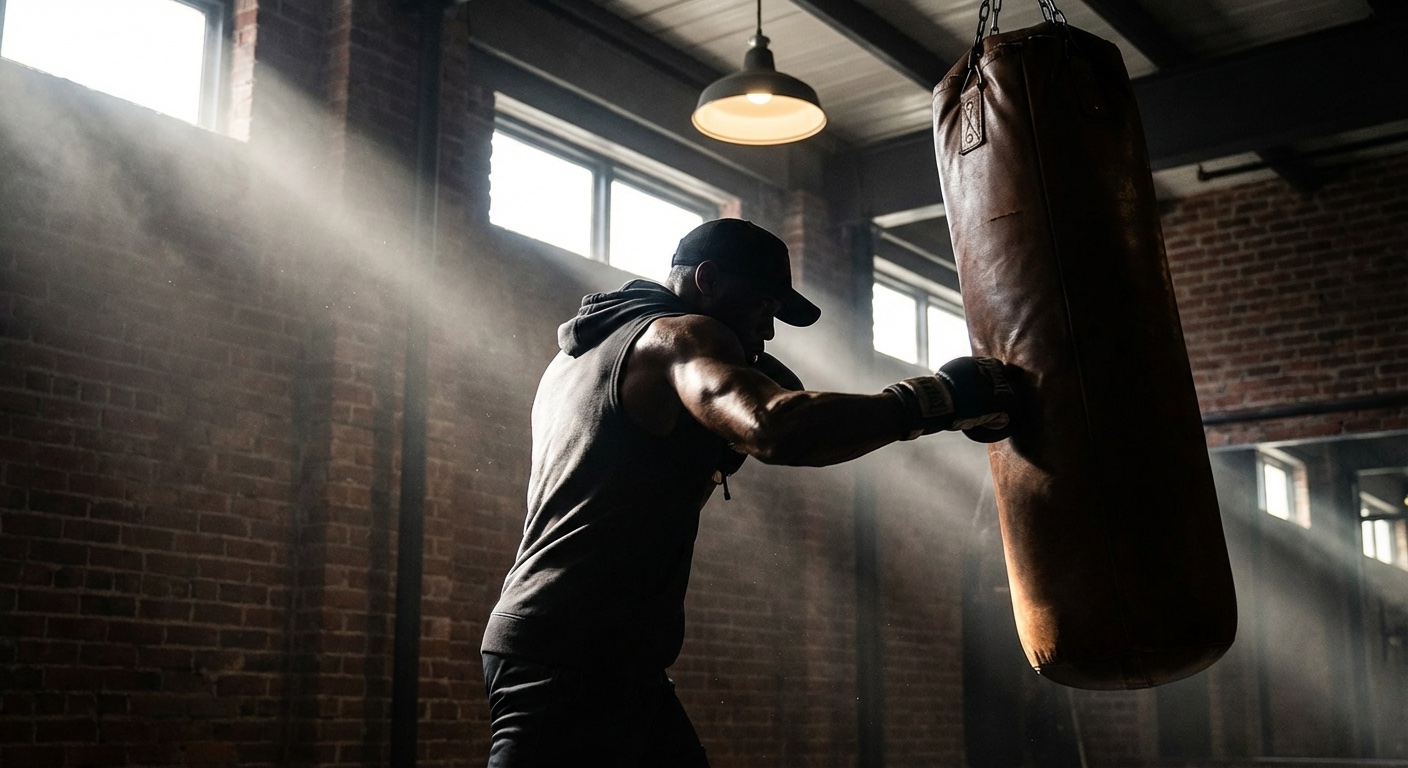
Boxing is a full-body workout that engages almost every muscle group, but some areas get hit harder than others:
Shoulders (Deltoids)
Your shoulders take an absolute beating in boxing. They are working constantly - holding your guard up, throwing punches, retracting your arms. Most people notice their shoulders changing first.
Within a few months of regular training, you will likely see more definition in your deltoids. They will look rounder and more developed, especially the front and side portions.
Arms (Biceps, Triceps, Forearms)
Contrary to what you might expect, your triceps work harder than your biceps in boxing. Throwing a punch is an extension movement that heavily recruits the triceps.
Your forearms develop from gripping and generating rotation. Hand wrapping and glove work means your forearm muscles are constantly active.
The result is arms that look defined and capable, though not necessarily massive. Boxers typically have proportional arms rather than oversized ones.
Back (Lats, Rhomboids, Traps)
Your back muscles do a lot of work in boxing. The lats are involved in returning your punches quickly. The rhomboids and traps stabilise your shoulders and help generate power.
A boxer's back tends to be wide and well-defined, particularly the lats. This gives that classic V-taper appearance.
Core (Abs, Obliques)
Boxing might be the best core workout that exists. Every punch involves rotational force generated by your core. Defensive movements require constant core engagement. Even just maintaining your stance works your stabiliser muscles.
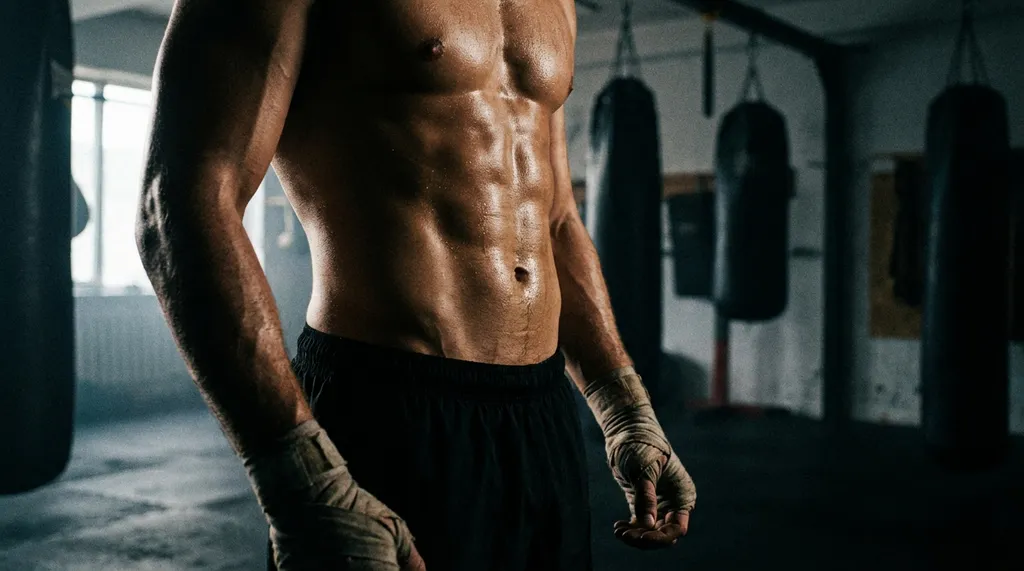
You will not necessarily get six-pack abs from boxing alone - that requires low body fat, which is more about diet than training. But you will build strong, functional core muscles that provide real-world power and stability.
Legs (Quads, Glutes, Calves)
People often underestimate how much boxing works your legs. All punching power originates from your feet and travels through your legs. Footwork means you are constantly moving, shifting, and driving off your rear foot.
Your legs will not grow as dramatically as they would from heavy squats, but they will become more toned and defined. The calves in particular get worked hard from all the movement.
Why Boxing Does not Build Massive Muscle
To build significant muscle size (hypertrophy), you need:
- Progressive overload with heavy resistance (source)
- Enough volume (sets and reps)
- Adequate protein intake
- Sufficient recovery time
Boxing provides some of these elements but not others. The resistance is mostly your own body weight and the weight of your gloves - maybe 10-16 ounces. That is not the kind of heavy loading that triggers significant hypertrophy (source).
Boxing also burns a lot of calories, which can actually work against muscle gain. When you are in a caloric deficit (burning more than you consume), building muscle becomes very difficult.
This is why professional boxers who want to bulk up often incorporate dedicated weight training into their programmes. Boxing alone keeps them lean and strong but not huge.
What You Can Realistically Expect
Here is a realistic timeline of physical changes from boxing training (assuming 3 sessions per week):
- Month 1. Not much visible change yet, though you will feel more energetic. Your muscles might feel more "awake" than before.
- Months 2-3. Early signs of definition appearing, particularly in the shoulders. Your posture often improves as supporting muscles strengthen.
- Months 4-6. Noticeable changes in body composition. Shoulders look broader, arms show more definition, core feels (and often looks) stronger. Clothes may fit differently even if your weight has not changed much.
- Months 6-12. Clear athletic physique developing. You look like someone who trains. The combination of muscle gain and fat loss creates the defined, functional look that boxing produces.
- Beyond one year. Continued refinement. The changes slow down but you maintain the physique as long as you keep training.
These timelines assume consistent training and reasonable nutrition. They will vary based on your starting point, genetics, diet, and training intensity.
Boxing vs Weight Training for Muscle
If building maximum muscle size is your primary goal, dedicated weight training is more effective. Full stop. The heavy, progressive overload of barbell and dumbbell work simply produces more hypertrophy than boxing.
But here is the thing: most people do not actually want to be bodybuilders. They want to look fit, feel strong, and be capable. Boxing delivers all of that while also providing:
- Cardiovascular fitness
- Coordination and reflexes
- A skill you can develop
- Stress relief
- Community
Weight training in isolation provides muscle building but misses many of these elements. For overall fitness and quality of life, boxing often wins even though it is not the optimal muscle-building choice.
Combining Boxing and Weight Training
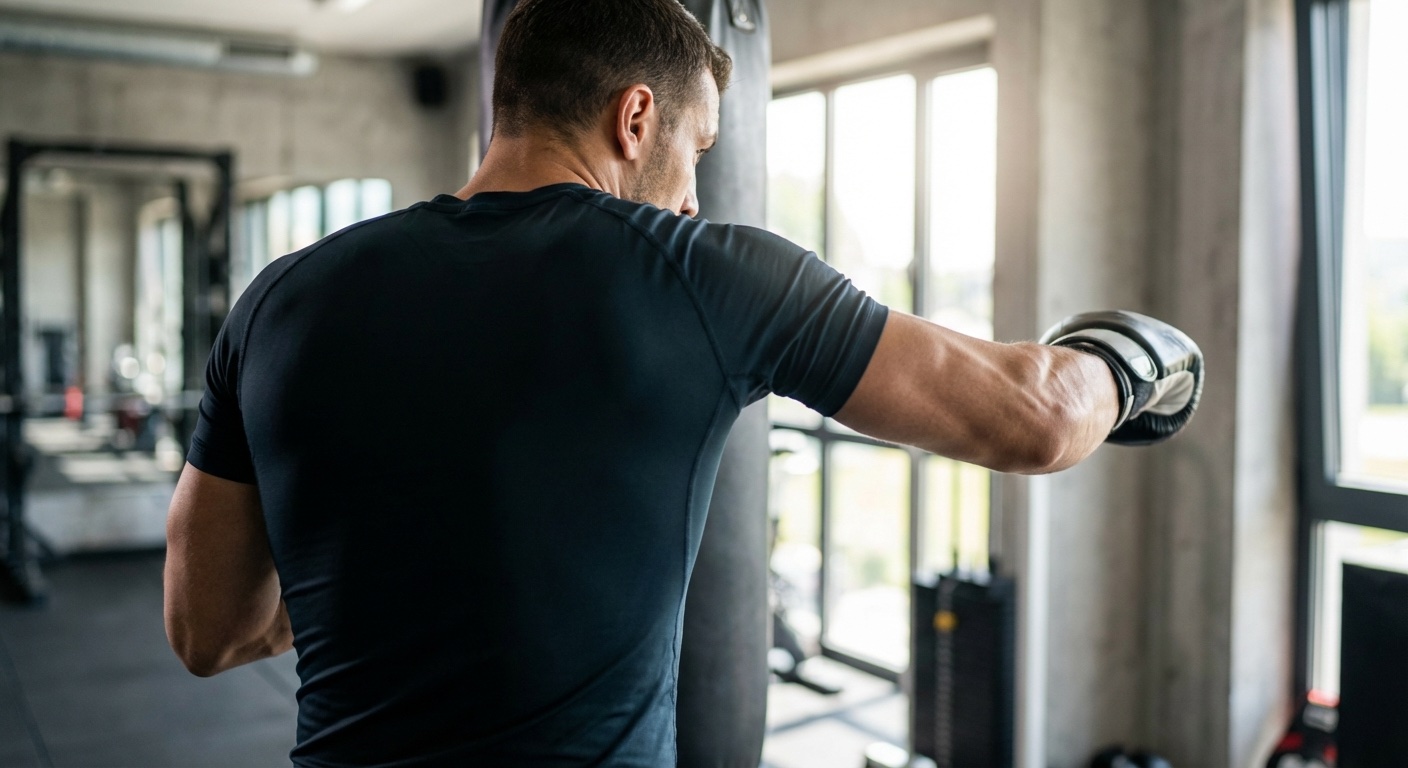
Want the best of both worlds? Many people successfully combine boxing with weight training.
A common approach:
- 2-3 boxing sessions per week for cardio, skills, and functional fitness
- 2 weight training sessions per week for strength and muscle building
This combination produces an athletic, capable physique that is stronger than boxing alone would build. The weight training addresses boxing's limitations while boxing keeps the weight training practical and prevents the stiffness that pure bodybuilders often develop.
If you go this route, focus your weight training on compound movements (squats, deadlifts, bench press, rows, overhead press) rather than isolation exercises. These build strength that transfers to your boxing rather than just adding decorative muscle.
Nutrition Matters
Whatever your goals, nutrition significantly impacts your results.
- Eat in a slight caloric surplus (200-300 extra calories per day)
- Get adequate protein (1.6-2.2g per kg of body weight)
- Time protein around your training
- Prioritise recovery and sleep
- Eat in a moderate caloric deficit
- Keep protein high to preserve muscle
- Accept that muscle building will be limited while losing fat
Most people who start boxing want to get leaner rather than bigger, which is convenient because boxing naturally supports fat loss. The muscle you build will become more visible as body fat decreases.
The Boxer's Physique
Look at professional boxers across weight classes. They share certain characteristics:
- Defined shoulders and arms
- Strong, visible back development
- Solid core (visible abs when lean)
- Athletic rather than bulky legs
- Overall lean appearance with clear muscle definition
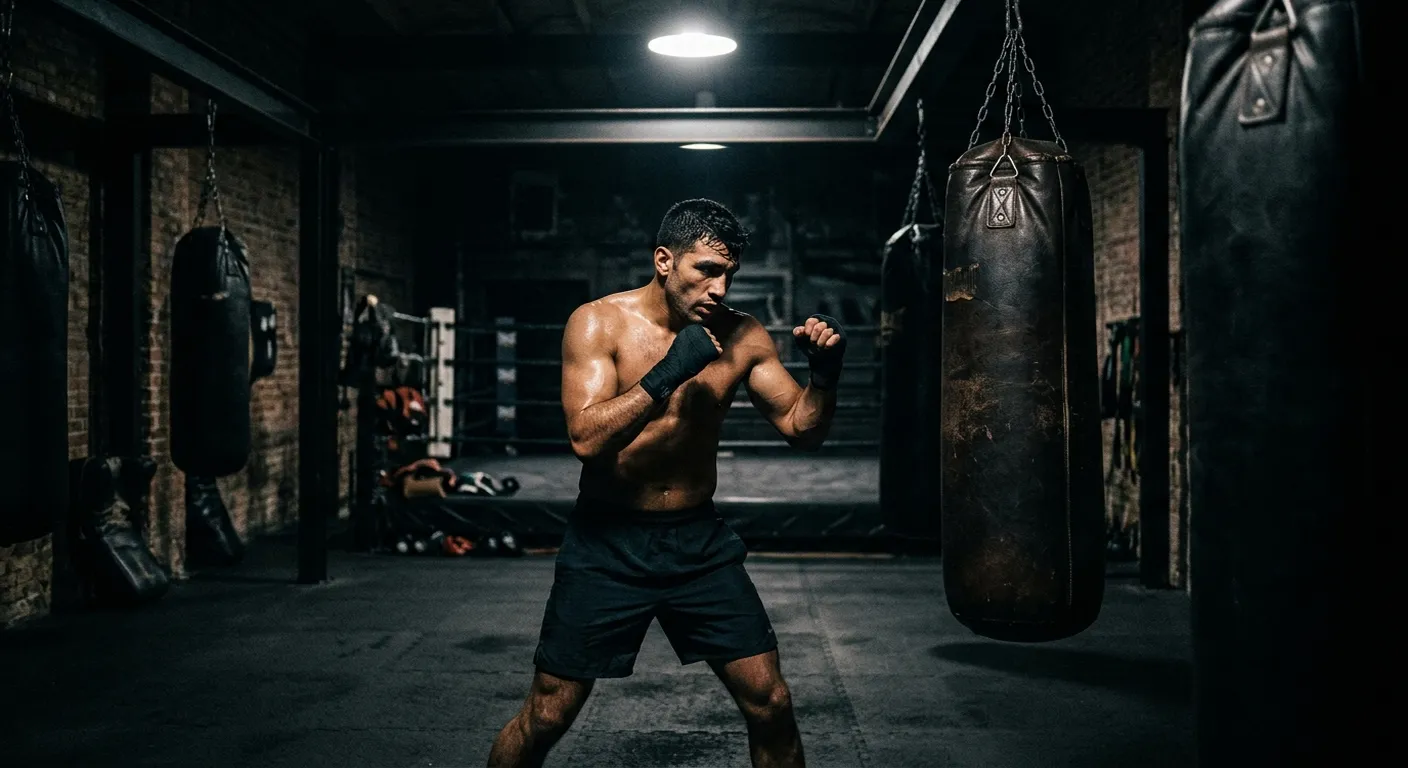
This is what boxing training naturally produces over time. It is a physique built for performance - moving quickly, hitting hard, and lasting rounds. Form follows function.
If this is the kind of body you want, boxing will get you there. If you want to look like a heavyweight bodybuilder, you will need a different training approach.
The Bottom Line
Does boxing build muscle? Yes. It builds lean, functional muscle, particularly in your shoulders, arms, back, and core. It will not make you huge, but it will make you look athletic and strong.
For most people, this is actually what they want. The boxer's physique is attractive, practical, and healthy. And unlike bodybuilding, you get there while learning a skill, improving your cardio, relieving stress, and having fun.
See the Changes Yourself
Curious what boxing could do for your physique? There is only one way to find out.
At H&G Boxing, we train people of all body types and goals. Whether you want to get lean, build some muscle, or just feel better in your body, boxing will help.
H&G Team
Writer at Honour & Glory Boxing Club, a community boxing gym in Kidbrooke, South East London.
KEEP READING
Muscle Memory in Boxing: The Science Behind It
Muscle memory is not magic and it is not really in the muscles. Here is what boxing training changes in the brain, nerves and movement system.
Boxing and Abs: How Boxing Builds a Six Pack
Boxing works your abs harder than most gym routines. Here is exactly how it happens, which muscles are involved, and why crunches are the wrong approach.
Boxing Body Transformation: What 12 Weeks Actually Changes
Twelve weeks of boxing does not produce one kind of result. It produces several, arriving at different times and in an order that surprises most beginners.
Was this page helpful?
It takes one tap, and it genuinely helps.
Choose your next step
Turn this article into the right action
Some readers are ready to book. Some need the class route first. Pick the route that matches what you actually want.