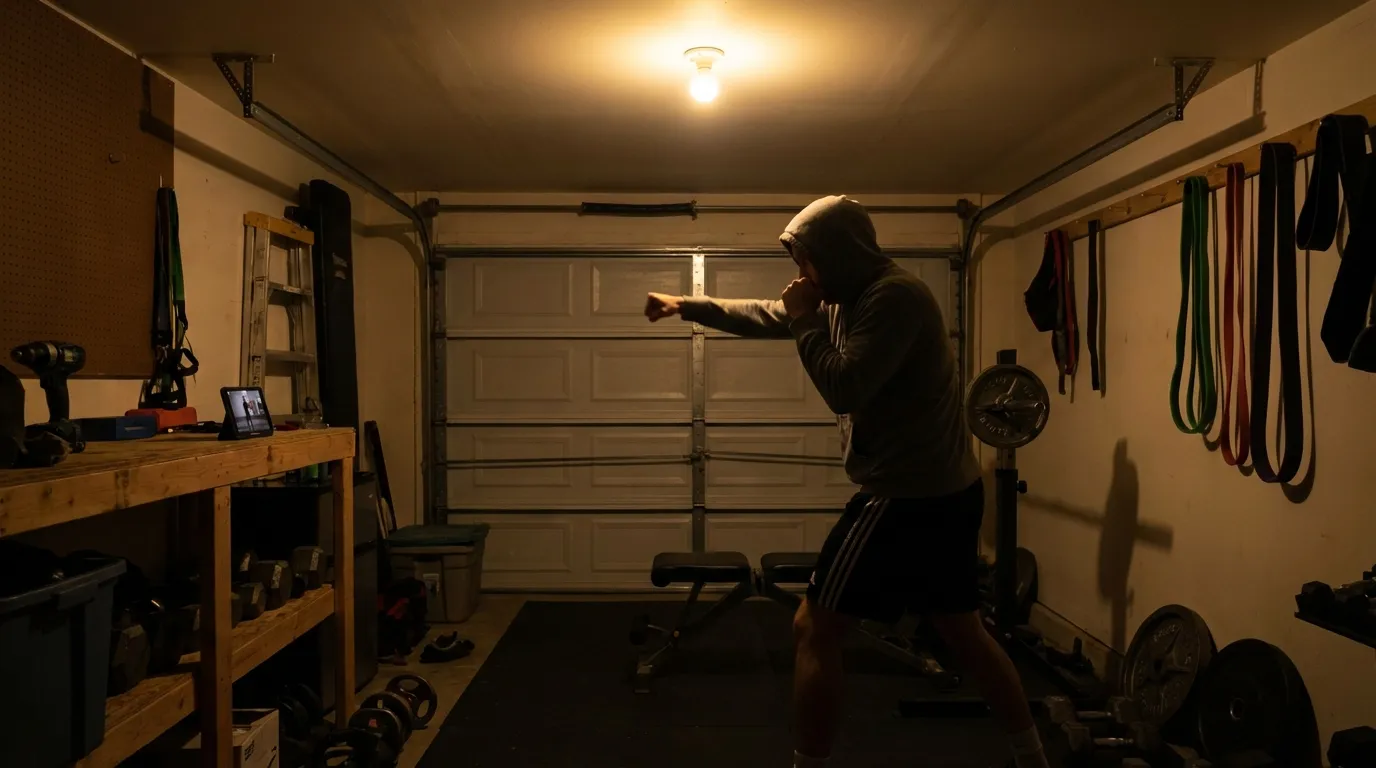
The internet is full of boxing tutorials. YouTube has thousands of videos teaching everything from the jab to advanced combinations. So can you teach yourself to box at home?
Technically, yes. You can learn the motions. You can shadow box. You can hit a bag in your garage.
But here is the uncomfortable truth: self-taught boxers almost always develop bad habits that are harder to fix than starting from scratch.
Let me explain why.
What You Can Learn Alone
To be fair, some aspects of boxing work fine for solo learning:
- Fitness. You can build boxing-specific conditioning at home. Skipping, shadow boxing for cardio, and general conditioning all work without coaching.
- Basic punch shapes. You can learn what a jab looks like, how a hook is supposed to travel, and the general mechanics from videos.
- Footwork drills. Moving forward, backward, and laterally while maintaining stance. These can be practiced alone.
- General knowledge. Understanding boxing concepts, studying fights, learning the theory. All accessible without a coach.
So yes, you can learn something alone. The question is whether that something is actually correct.
The Problem: You Cannot See Yourself
Here is the fundamental issue with self-teaching: you cannot accurately assess your own technique.
When you throw a jab, you feel it. You think it is correct. But you cannot see:
- Whether your elbow is flaring out
- If your shoulder is properly protecting your chin
- Whether your weight transfer is complete
- How much your balance shifts
- What your other hand is doing
- Whether you are telegraphing the punch
A coach sees all of this instantly. They spot problems you'd never notice in a mirror or on camera.
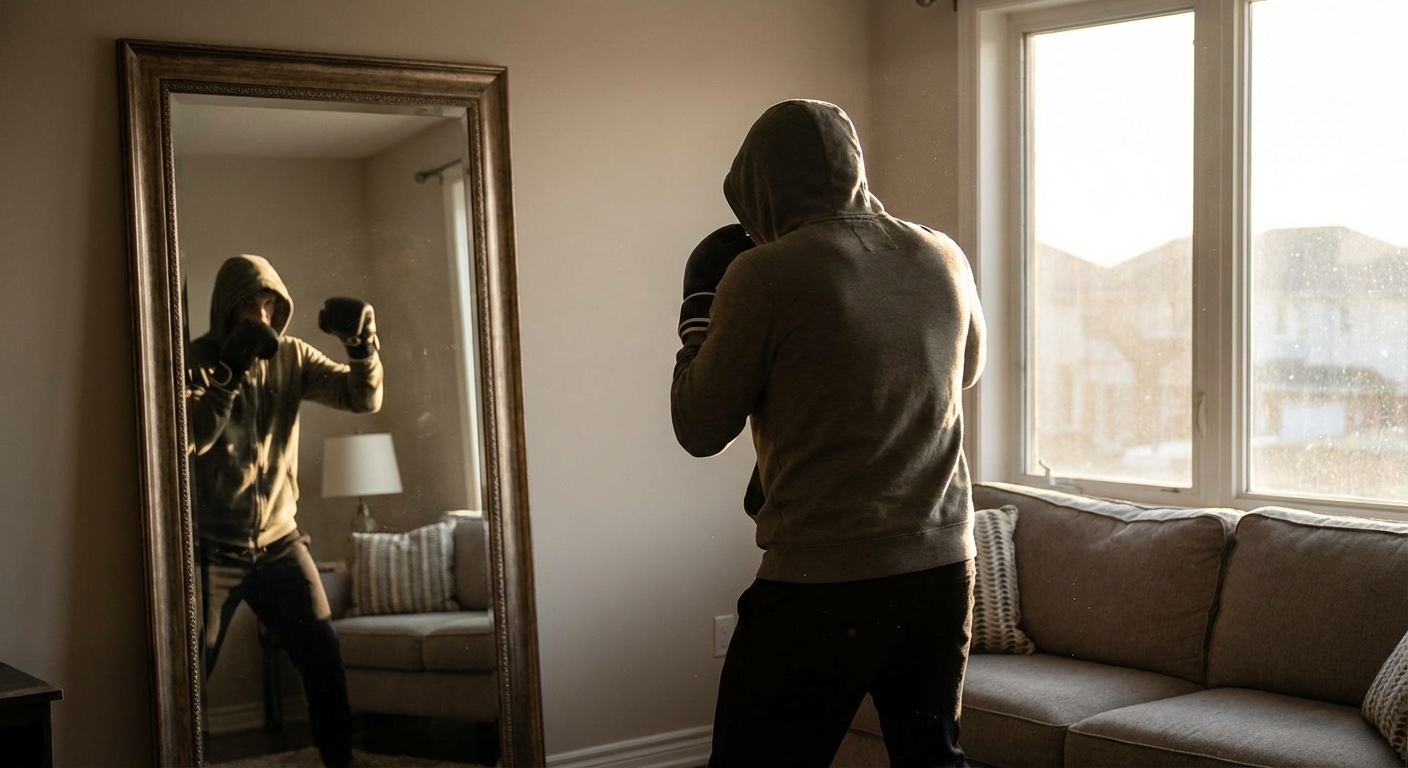
Watching yourself back on video helps a bit, but you still need to know what to look for. Without that knowledge, you will miss the same issues a coach would catch immediately.
Bad Habits Are Worse Than No Habits
This is the real danger of self-teaching.
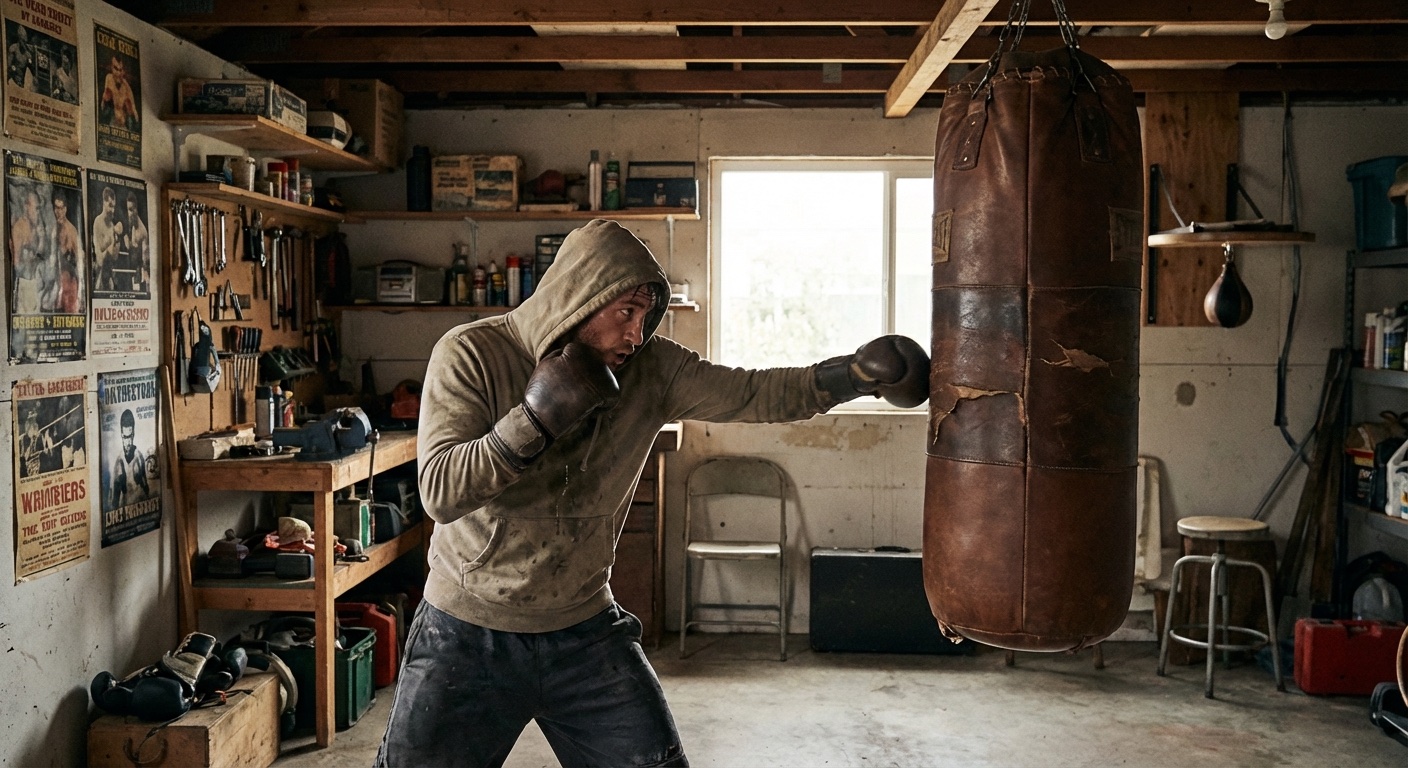
When you learn incorrect technique and repeat it thousands of times, it becomes automatic. Your brain wires that pattern in. It feels natural and correct.
Then you join a proper gym and discover everything you learned is wrong.
Now you have two problems:
- You need to learn the correct technique
- You need to unlearn the incorrect technique you have grooved in
The second part is often harder than the first. Your body wants to default to the familiar pattern. Breaking that takes conscious effort over months.
Someone starting fresh learns faster than someone unlearning bad habits. This is not opinion - we see it constantly in the gym.
Common Self-Taught Mistakes
After years of coaching, certain patterns appear in people who learned alone:
- Dropped rear hand when jabbing. The most common issue. Every video says "keep your hands up" but without someone constantly correcting you, the rear hand drops.
- Wrong hip rotation. Self-taught punchers often arm-punch without engaging the hips. They look correct superficially but generate no real power.
- Squared stance. The sideways boxing stance feels wrong at first. Without coaching, people drift back to facing square. This makes you a bigger target and limits your reach.
- Bad head position. Chin up, eyes down, looking at the wrong place. Small positioning errors that make huge differences in sparring.
- Incorrect footwork patterns. Crossing feet, stepping wrong, losing balance. Footwork mistakes are subtle and hard to self-diagnose.
These are not advanced issues. They are fundamental problems that affect everything built on top of them.
The YouTube Trap
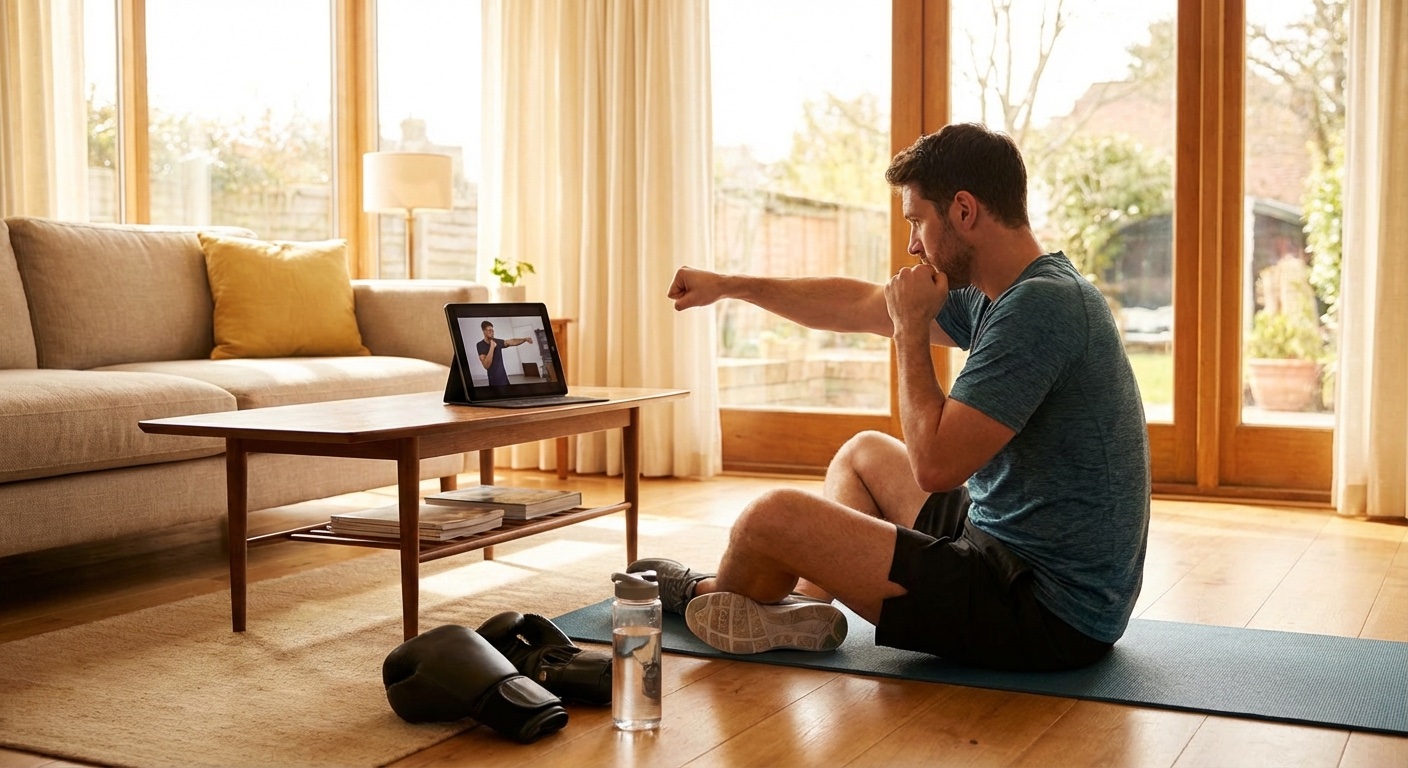
YouTube boxing tutorials range from excellent to dangerously wrong.
The problem is, beginners cannot tell the difference. A confident-sounding guy with good production value might be teaching terrible technique. Unless you already know boxing, you are trusting strangers with your development.
Even good tutorials have limitations:
- They cannot see your specific mistakes
- They cannot adjust teaching to your body type and abilities
- They provide generic advice that might not apply to you
- They cannot answer questions in real time
- They cannot progress you appropriately
Watching tutorials is not learning. It is absorbing information that you might or might not apply correctly.
What About Home Equipment?
Some people invest in home setups: heavy bags, speed bags, maybe even a small ring.
The equipment is fine. The issue is using it without guidance.
Hitting a heavy bag with bad technique for six months means you have practiced bad technique thousands of times. The bag does not tell you that you are dropping your guard or punching with bent wrists.
Equipment without coaching is just expensive furniture.
The Sparring Problem
Boxing technique exists for a reason: it works against resisting opponents.
Self-taught boxers never test their skills against resistance. Everything they practice is theoretical. They have never had someone try to hit them while they are trying to hit back.
The first time a self-taught boxer spars against someone with proper training, reality hits hard. Literally.
All those YouTube combinations fall apart when someone is moving, punching back, and not cooperating. The pressure reveals every gap in preparation.
This is not about violence or machismo. It is about the difference between knowing and doing. Self-teaching gives you knowledge without the ability to apply it under pressure.
When Solo Training Works
Solo practice absolutely has value - but in addition to coaching, not instead of it.
Between classes, you might:
- Shadow box to drill what you learned
- Practice footwork patterns your coach assigned
- Work on conditioning and fitness
- Review concepts from recent sessions
This reinforces proper technique. The coach teaches, you practice, the coach corrects, you refine.
Skipping the coach entirely breaks that feedback loop.
The Financial Argument
"I cannot afford boxing classes."
I hear this occasionally. And yes, gym memberships cost money. But consider:
A year of self-teaching means a year of developing habits you will need to break. When you eventually join a gym (because you will if you are serious), you will spend months unlearning before really progressing.
Joining a gym from the start means immediate progress in the right direction. No wasted time, no bad habits to break.
From a pure efficiency standpoint, coaching is cheaper than fixing self-taught mistakes.
And honestly, most boxing gyms are reasonable. Way cheaper than boutique fitness classes. Many offer trial sessions to experience it before committing.
Nervous About Walking In?
A lot of people lean towards self-teaching because being a beginner in front of others feels exposing. That is completely normal - but a boxing gym is not the judgemental place you are picturing. Everyone there started as a clueless beginner, and most people quietly respect anyone who shows up and puts the work in. The discomfort of a first session is far smaller than the months you would otherwise spend unlearning home-made habits.
If You Genuinely Can't Get to a Gym
Some people really do not have a gym within reach - rural areas, countries without a boxing culture, or shift patterns that clash with every class time. If that is you, you can still make a sensible start, as long as you train in a way that is easy to correct later. The whole goal is to avoid grooving in habits you will have to unpick:
- Pick one reputable coach to follow, not ten. Jumping between conflicting YouTube channels is how you end up with a Frankenstein technique. Find a coach with genuine credentials and stick to their fundamentals.
- Film yourself every session and compare side by side. Record from the side and the front, then play your jab next to your coach's demonstration. You cannot fix what you cannot see.
- Drill fewer things, properly. Stance, guard, jab, straight right, basic footwork. Master the boring basics rather than collecting flashy combinations.
- Use remote coaching if you can. Some trainers offer video analysis - you send footage, they send corrections. It is not the same as hands-on coaching, but it beats a feedback vacuum.
- Assume you have bad habits and stay humble. When you do reach a gym, expect to be corrected and welcome it. The boxers who improve fastest are the ones who let go of "but I already know this."
The Bottom Line
Can you teach yourself to box? Yes.
Will that boxing be any good? Probably not.
Learning boxing properly requires feedback, correction, and progression from someone who knows what they are looking at. Videos can supplement that but cannot replace it.
The beginner who joins a gym and learns properly will usually progress faster than the self-taught boxer with years of garage practice.
Start With Proper Coaching
At Honour & Glory, we take beginners with zero experience and build them up correctly from the start. No bad habits to unlearn. No wasted time on techniques that do not work.
Our coaches have seen every self-taught mistake imaginable. They know exactly what to watch for and how to develop solid fundamentals.
H&G Team
Writer at Honour & Glory Boxing Club, a community boxing gym in Kidbrooke, South East London.
KEEP READING
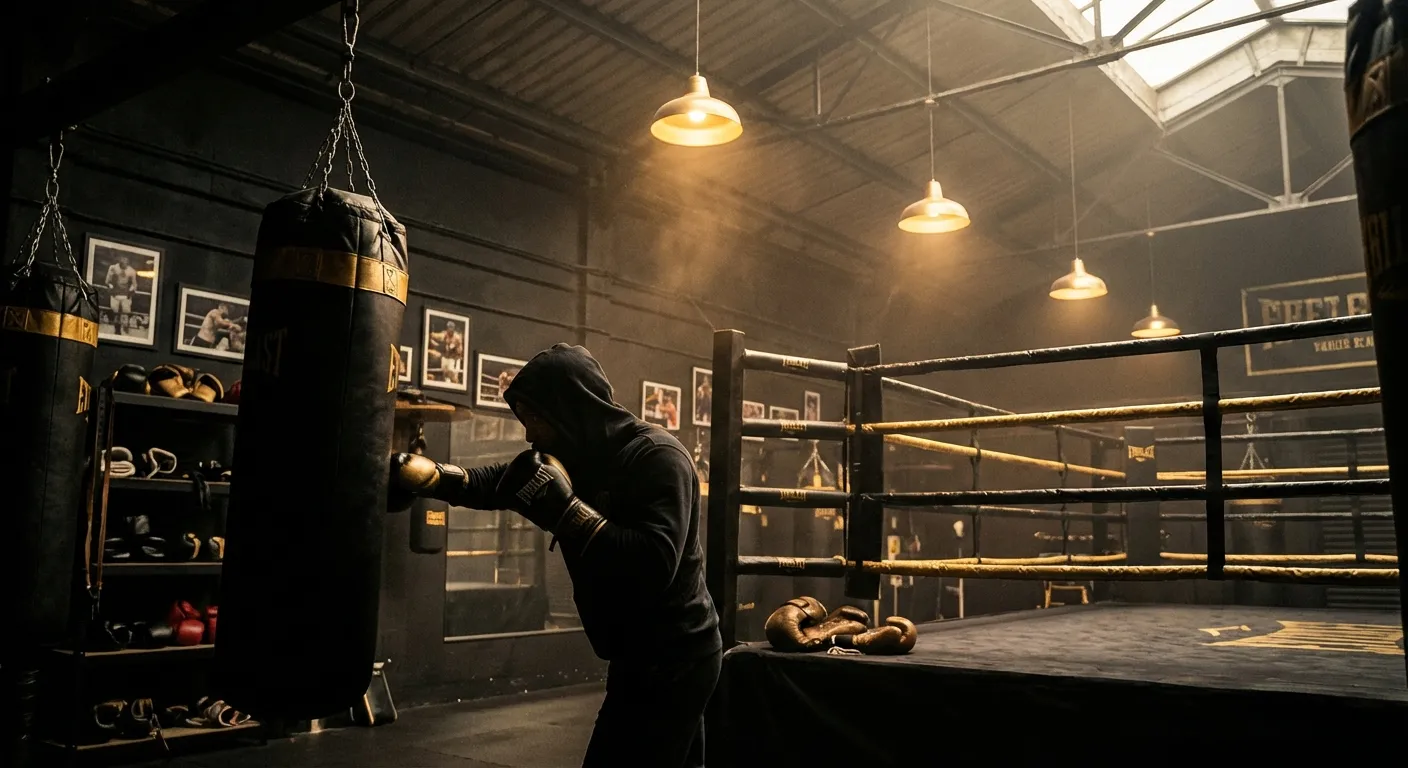
What Boxing Taught Me About Discipline
Discipline is discussed constantly in fitness culture and almost always described incorrectly. Boxing teaches it in a specific way that transfers to every other area of life.
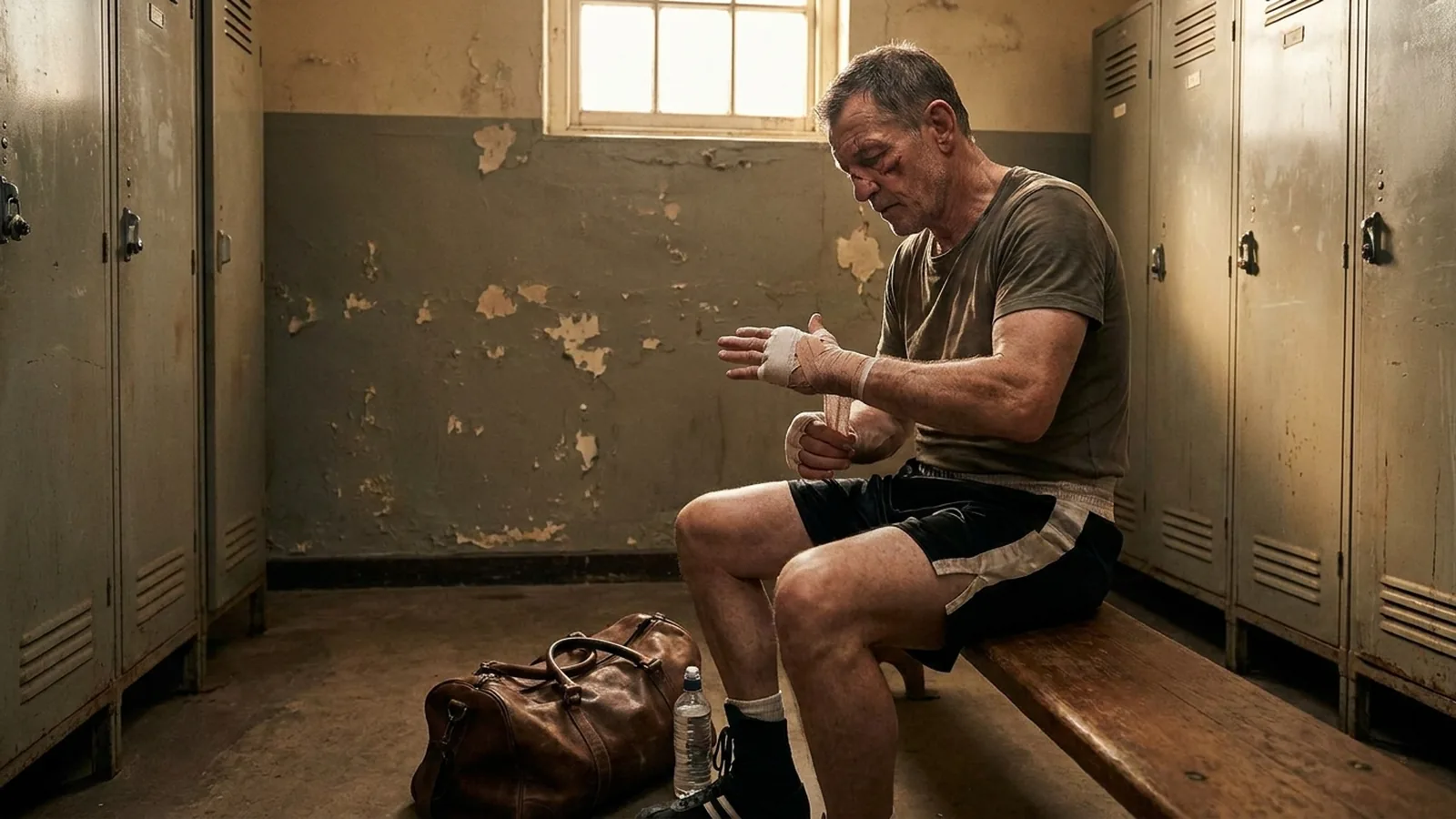
Best Boxing Journeymen
The best boxing journeymen are not cannon fodder. They are experienced professionals who teach prospects, protect standards, and expose weak matchmaking.
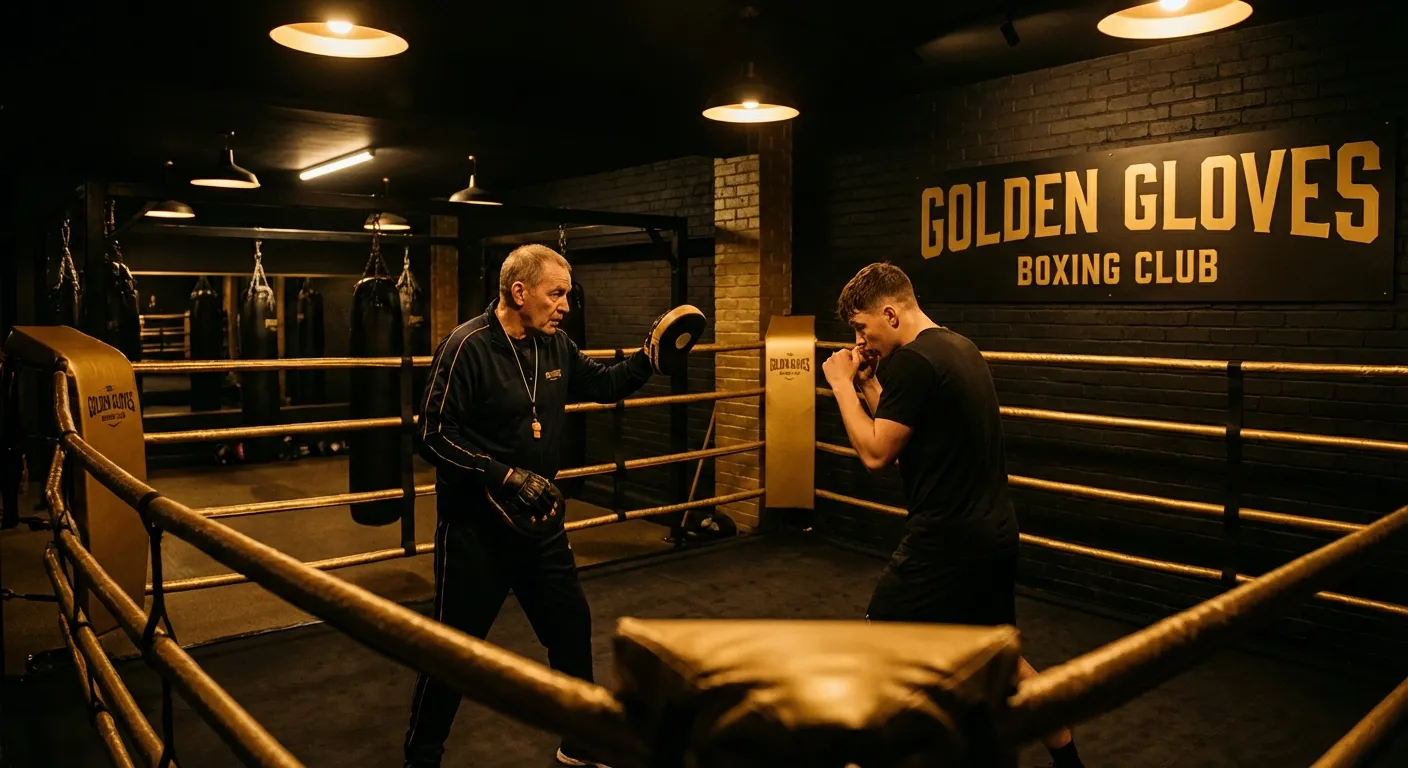
The Boxing Quotes You Have Never Heard From Coaches
Everyone knows what Muhammad Ali said. Fewer people know what his trainer said. The coaches are where the real wisdom lives. Here are some of their best lines.
Was this page helpful?
It takes one tap, and it genuinely helps.
Choose your next step
Turn this article into the right action
Some readers are ready to book. Some need the class route first. Pick the route that matches what you actually want.