Injury Rumours in Boxing: How Social Media Fuels the Fire

Injury Rumours in Boxing: How Social Media Fuels the Fire
In the age of instant information, the boxing world is no stranger to the rapid spread of rumours, particularly those concerning fighter injuries. What was once confined to whispers in gyms and backroom deals now explodes across social media platforms, impacting fighter morale, betting odds, and the overall perception of a fight. Here at Honour & Glory Boxing Club in Kidbrooke, SE London, we see firsthand how these rumours can affect our fighters and the wider boxing community, even down to our junior classes (ages 7+). So, how do these rumours start, and how can we discern fact from fiction?
One of the primary drivers of injury rumours is the sheer speed at which information travels online. A single tweet, a questionable Instagram post, or a fleeting comment on a forum can quickly snowball into a full-blown narrative. As one commenter on r/boxing noted, "It's crazy how fast things spread. You hear something from a 'reliable source' and suddenly everyone's talking about it like it is gospel." This rapid dissemination is often fuelled by boxing news outlets such as Boxing News 24/7, Fightnews.com™, Boxing Social, and Boxing News, Results, Schedule, Rankings » Fightnews.com™, all vying to be the first to break a story, which can sometimes lead to a lack of thorough fact-checking.
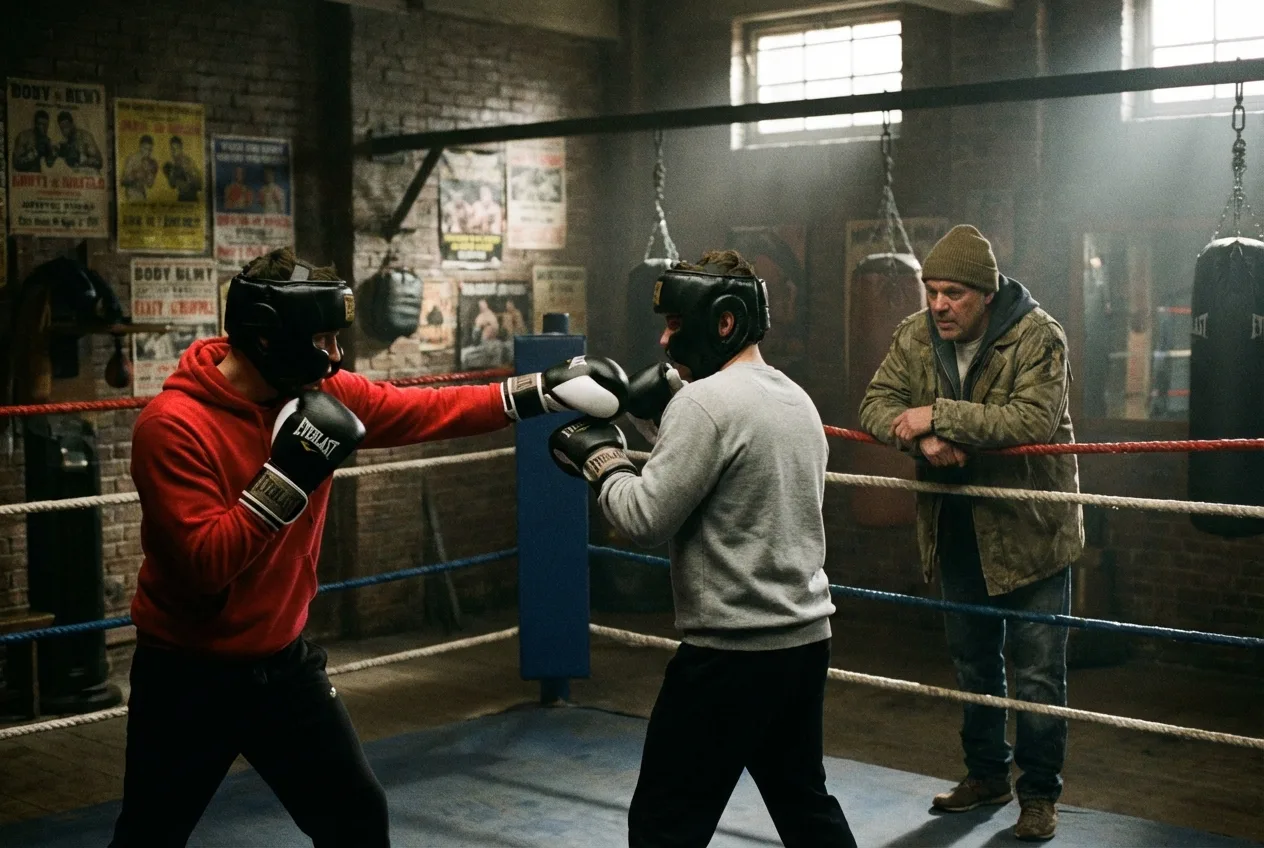
The impact of these rumours can be significant. For fighters, it can be a demoralising experience. Imagine preparing for the biggest fight of your career, only to have doubts cast upon your physical condition based on unsubstantiated claims. This can lead to increased pressure, anxiety, and even affect their performance in the ring. As one coach noted on a boxing forum, "A fighter's mental state is just as important as their physical condition. These rumours can really mess with their head."
Furthermore, injury rumours can have a direct impact on betting odds. A perceived injury, even if false, can cause a shift in the odds, effectiveially costing bettors significant amounts of money. This creates an environment ripe for manipulation, where individuals may intentionally spread false information for their own financial gain. As Boxing News 24/7 and Sky Sports regularly report, the stakes are incredibly high in professional boxing, and the effectiveial for corruption is always present.
However, not everyone is convinced that social media is entirely to blame. Some argue that injury rumours have always been a part of boxing, and social media simply amplifies them. As one user on Reddit pointed out, "Back in the day, it was just word of mouth. Now, it's word of tweet. The game hasn't changed, just the medium."
Discerning Fact from Fiction
So, how can fans and professionals alike navigate this minefield of information and separate fact from fiction? Here are a few tips:
- Consider the Source: Is the information coming from a reputable news outlet with a history of acselect reporting, or is it from an anonymous social media account? As one journalist noted, "Always check the source. A tweet from a verified journalist is more reliable than a random post on a forum." Look for outlets that prioritize verified information and cite their sources, like the BBC Sport's boxing page.
- Look for Confirmation: Is the information corroborated by multiple sources? A single report, especially from an unverified source, should be treated with skepticism. If reputable outlets like ESPN are reporting the same information, it is more likely to be true.
- Be Wary of Sensationalism: Rumours often thrive on exaggeration and sensationalism. If a report sounds too dramatic or outlandish, it is likely to be false or at least heavily embellished.
- Follow the Fighters and Their Teams: Official statements from the fighters themselves or their management teams are the most reliable source of information. Keep an eye on their social media accounts and press releases.
- Remember the Human Element: Behind every rumour is a fighter who is working hard to achieve their goals. Consider the impact that these rumours can have on their mental and physical well-being.
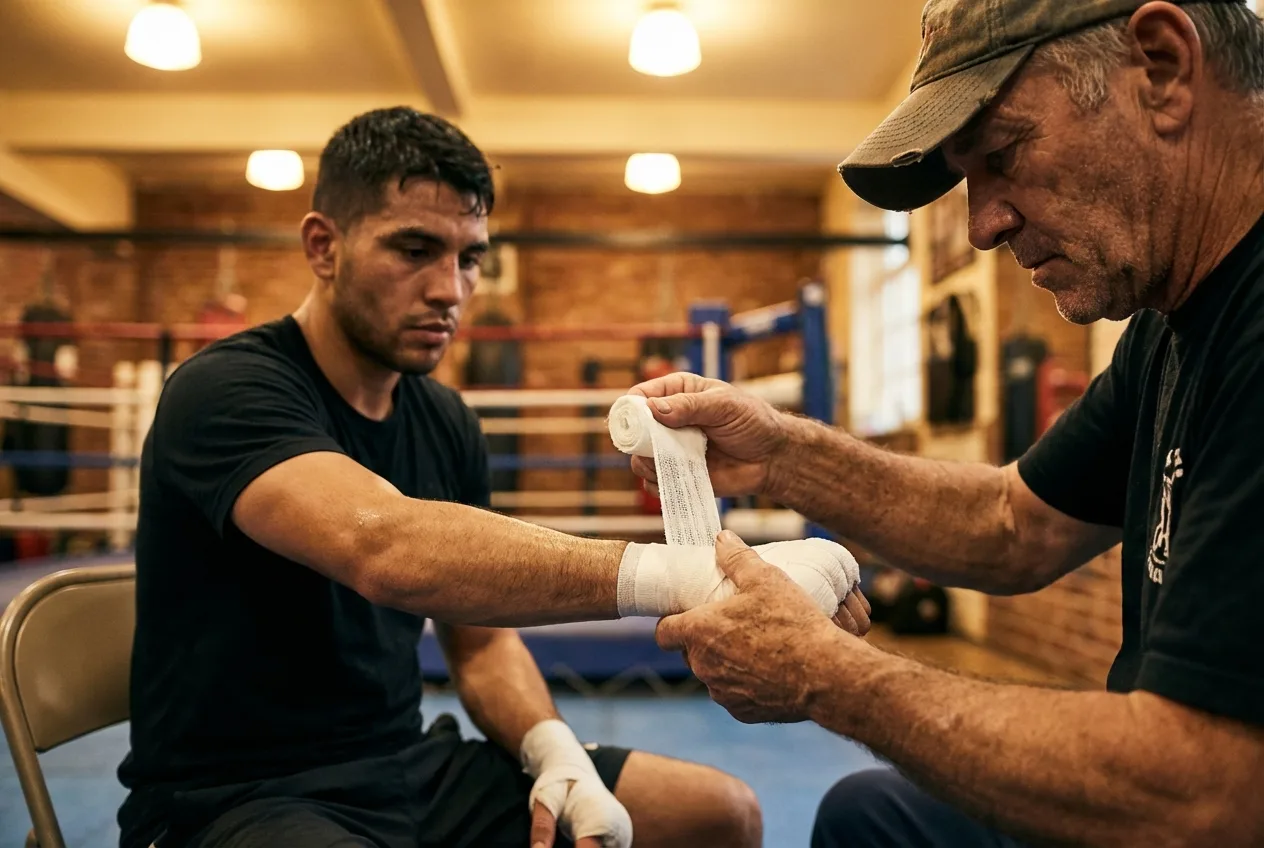
It is also worth remembering that even seemingly reliable sources can be wrong, as the example of Anthony Joshua injuries 'worse than first thought' after horror car crash kills two people - The Mirror shows.
The Bare-Knuckle Factor
The rise of bare-knuckle boxing adds another layer to the injury rumour mill. As How safe is bare-knuckle boxing as it fights for mainstream appeal? - BBC Sport points out, this sport is inherently more brutal, and injuries are more frequent and visible. This means that even minor scrapes and bruises can be blown out of proportion online, leading to speculation about a fighter's ability to compete.
It is important to remember that boxing, in all its forms, is a demanding and dangerous sport. While injuries are inevitable, the spread of misinformation can exacerbate the challenges faced by fighters. By being critical consumers of information and relying on credible sources, we can help to create a more informed and responsible boxing community.

Here at Honour & Glory Boxing Club, we encourage our members, from the youngest kids in Kidbrooke to our seasoned adult competitors, to be mindful of the information they consume and share online. We should work together to promote a culture of accuracy and respect within the boxing world.
Honour and Glory
Writer at Honour & Glory Boxing Club, a community boxing gym in Kidbrooke, South East London.
KEEP READING

Boxing and Injury Prevention: How to Train for Years
The boxers who train for years without serious injury are not lucky. They do specific things that protect their bodies. Here is what those things are.

The Best Boxing Podcasts Worth Your Commute in 2026
The best boxing Podcasts accounts in the UK, filtered for quality. These are the ones worth following if you actually train.
The Best Boxing TikTok Accounts to Follow in the UK
The best boxing TikTok accounts in the UK, filtered for quality. These are the ones worth following if you actually train.
Was this page helpful?
It takes one tap, and it genuinely helps.
Choose your next step
Turn this article into the right action
Some readers are ready to book. Some need the class route first. Pick the route that matches what you actually want.