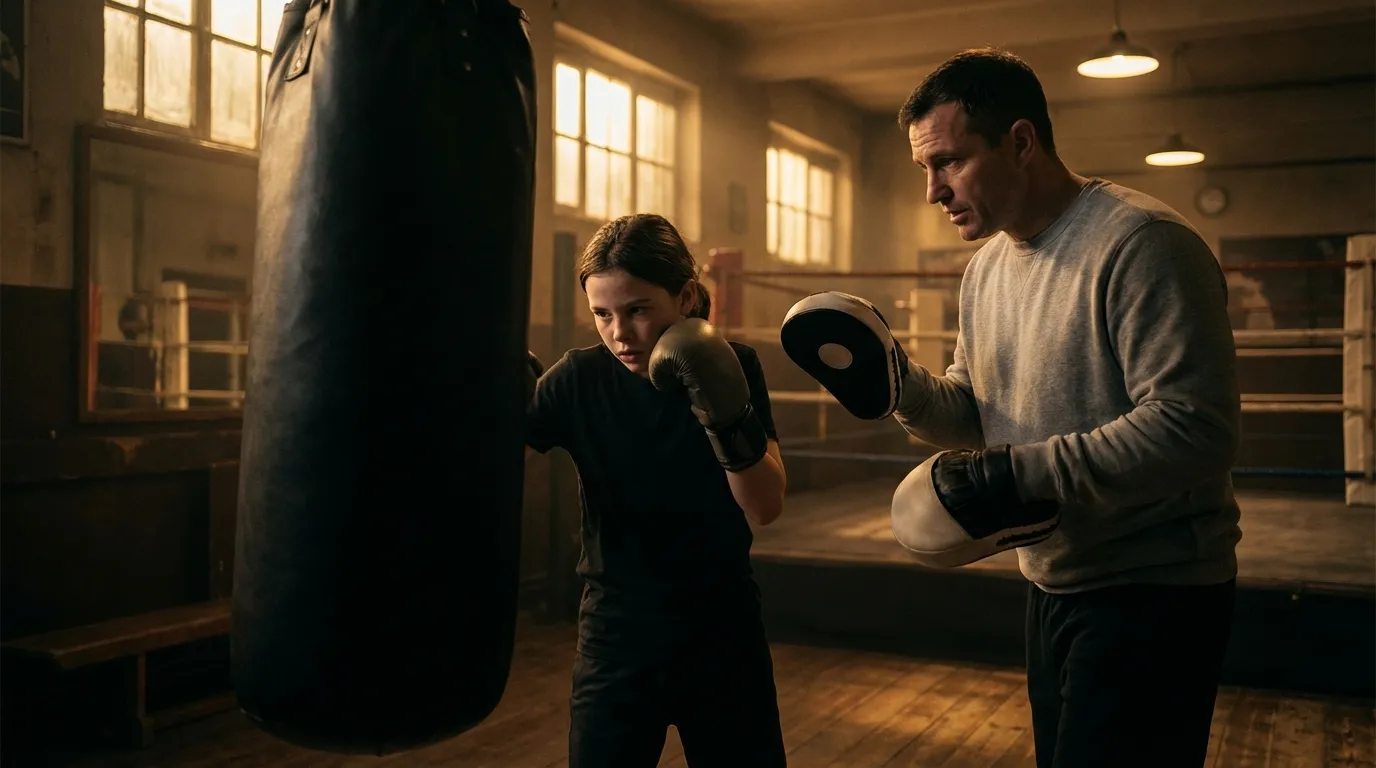
Ask most people what boxing teaches and they will say something about toughness or fitness. Fair enough. But walk into any decent gym and you will notice something else going on - kids who cannot sit still in a classroom standing dead focused on a coach's instructions. Adults who describe their own brains as "chaotic" finding a rare hour of calm.
Boxing and ADHD is a combination that gets talked about more and more, and for good reason. The sport demands exactly the things that ADHD makes difficult - sustained attention, impulse control, working memory - and it trains them in a way that feels nothing like homework or therapy.
What actually happens in the brain
ADHD is linked to lower levels of dopamine and norepinephrine in the prefrontal cortex. These are the neurotransmitters responsible for attention, motivation, and impulse control. Most ADHD medications work by increasing dopamine availability. Exercise does something similar (source).
A 2022 meta-analysis published in Frontiers in Public Health found that structured physical exercise improved executive function in children and adolescents with ADHD. The researchers noted that high-intensity activities were particularly effective because they stimulate dopamine and catecholamine release in the prefrontal cortex and basal ganglia - the same brain regions targeted by medication (source).
Boxing is about as high-intensity as it gets. Three minutes of pad work will have your heart rate through the roof. But intensity alone is not what makes it work.
Why boxing specifically, not just any exercise
Running raises your heart rate. So does cycling. But neither demands the same kind of moment-to-moment concentration that boxing requires.
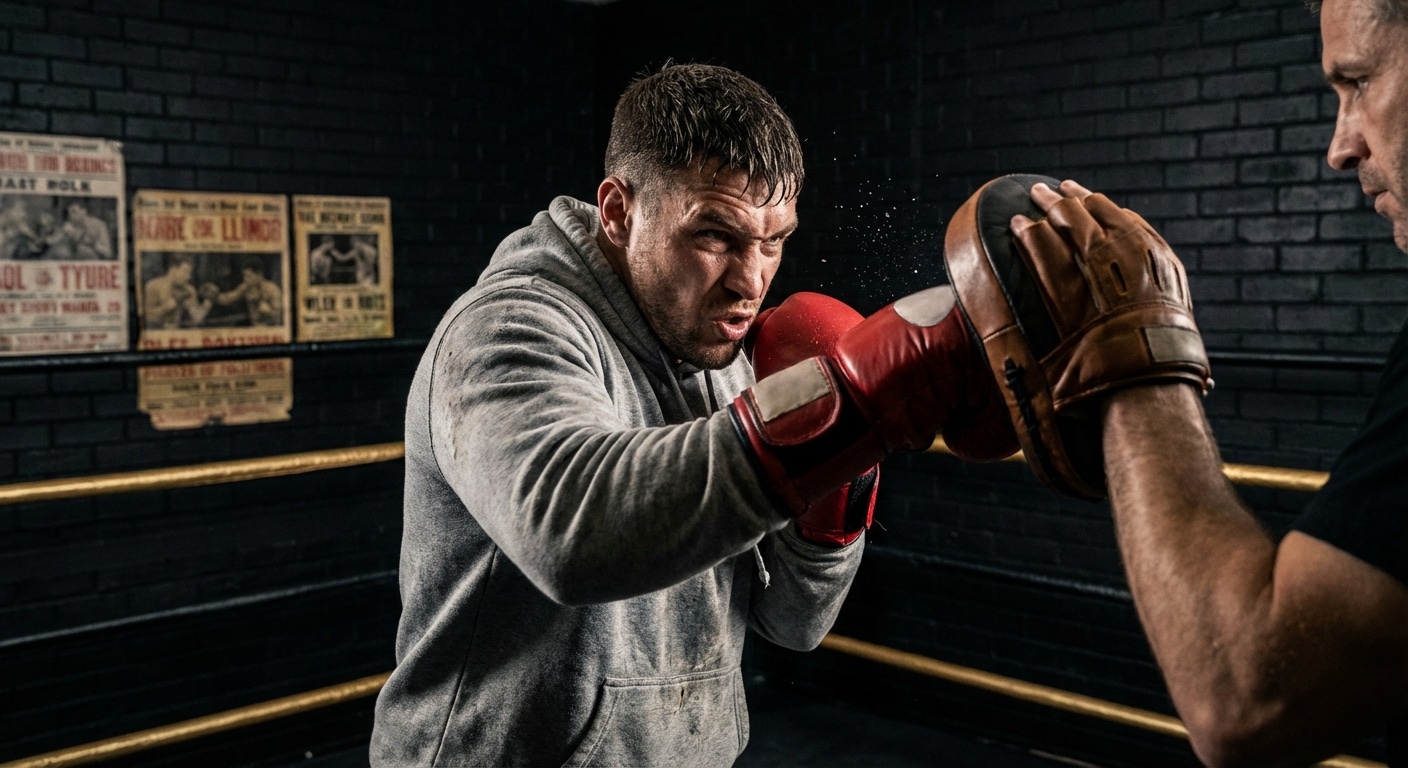
When you are on the pads, you have to listen to a combination call, remember it, execute it with correct technique, and react to the pad holder's movement - all within a few seconds. Your mind literally cannot wander. There is no space for it. In sparring, the feedback loop is even tighter: lose focus and you get hit.
This is what psychologists call "externally imposed attention regulation." The environment forces concentration rather than relying on internal willpower, which is exactly what people with ADHD struggle with. The structure is not optional - it is baked into the activity.
Adam Azim, the British super lightweight ranked in the world's top ten, has spoken openly about growing up with ADHD. His father put him into boxing specifically to channel his energy. In an ESPN interview, Azim described ADHD as "like having a superpower" in the ring - his quick processing speed and hyperfocus under pressure became assets rather than problems.
The routine factor
People with ADHD often struggle with unstructured time. A boxing gym solves that by imposing a clear routine: warm-up, technique, drills, conditioning, cool-down. Every session follows a pattern. You show up, you know what is expected, and there is a coach keeping the pace.
This external structure is something ADHD brains respond to well. It removes the paralysing "what should I do now?" question that derails so many people outside the gym. Over weeks and months, the discipline of regular training starts to carry over into other areas - getting to bed on time, sticking to commitments, managing frustration.
For kids and teenagers
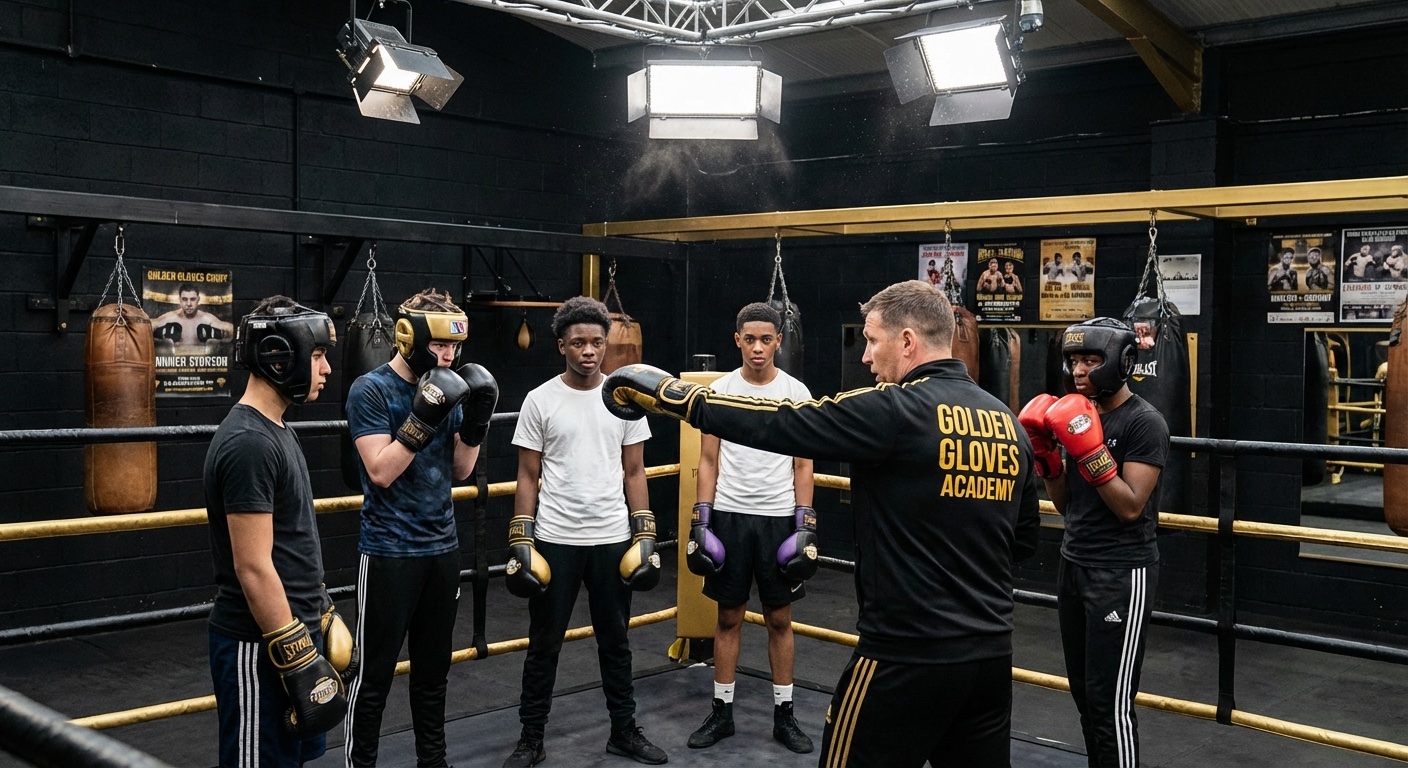
Parents of children with ADHD often cycle through activities trying to find something that holds their child's attention. Team sports can be difficult - waiting for your turn, dealing with downtime, following complex tactical instructions across a whole pitch.
Boxing is different. It is one-on-one with a coach or partner. The feedback is immediate. And the progression is clear - you can feel yourself getting better session by session, which feeds the ADHD brain's need for short-term reward.
At Honour & Glory in Kidbrooke, we see this regularly. Kids who arrive bouncing off the walls settle into focused work within minutes of the session starting. It is not magic - it is just that the training is engaging enough to hold their attention without forcing it.
A 2021 study in Children (MDPI) found that structured exercise programmes improved motor skills, cognitive function, and behaviour in children with ADHD. The key word is "structured." Free play did not produce the same results. The combination of physical exertion and cognitive demand - remembering combinations, following instructions, controlling timing - is what makes the difference.
For adults
ADHD does not stop at eighteen. Adult ADHD affects roughly 2.5% of the population, though many go undiagnosed. The symptoms shift - less hyperactivity, more internal restlessness, difficulty with organisation, emotional regulation problems (source).
Boxing addresses several of these directly. The physical outlet handles restlessness. The need to control your emotions in sparring - staying composed when you are tired or frustrated - builds regulation skills. And the simple act of committing to regular sessions creates a framework that many adults with ADHD lack.
It is also worth saying: boxing gyms tend to be simple environments. You show up, you work, you leave. There is no complicated social navigation, no pressure to chat, no ambiguity about what you are supposed to be doing. For people whose brains are already managing a lot of internal noise, that simplicity is a relief.
What to look for in a gym
If you or your child has ADHD and you are considering boxing, a few things matter.
Small class sizes help. More individual attention means more engagement and less time waiting around.
Consistent coaches make a difference. ADHD responds well to predictable relationships. Showing up to a different instructor every week undermines the routine.
A welcoming atmosphere matters more than a tough-guy reputation. The last thing someone with ADHD needs is another environment where they feel like they are failing. Good coaches understand different learning styles and adjust their approach.
Structure without rigidity is the sweet spot. Enough routine to provide a framework, enough variety to maintain interest.
Not a cure, but a genuine help
Boxing will not replace medication or therapy for everyone who needs them. But as a complementary approach - something that fills the gaps between clinical appointments, that gives people a physical outlet and a mental reset - it is hard to beat.
The research supports it. The anecdotal evidence from gyms across the country backs it up. And the logic makes sense: take an activity that demands total concentration, immediate feedback, physical intensity, and clear structure, then give it to people whose brains are wired to respond to exactly those conditions.
If you have been thinking about trying boxing - for yourself or for your child - it is worth giving it a go. Most gyms offer trial sessions, and you will know within a couple of weeks whether it clicks.
At Honour & Glory, our sessions run for kids from age six upwards and adults of all experience levels. Drop in or get in touch - no prior experience needed.
H&G Team
Writer at Honour & Glory Boxing Club, a community boxing gym in Kidbrooke, South East London.
Was this page helpful?
It takes one tap, and it genuinely helps.
Choose your next step
Turn this article into the right action
Some readers are ready to book. Some need the class route first. Pick the route that matches what you actually want.