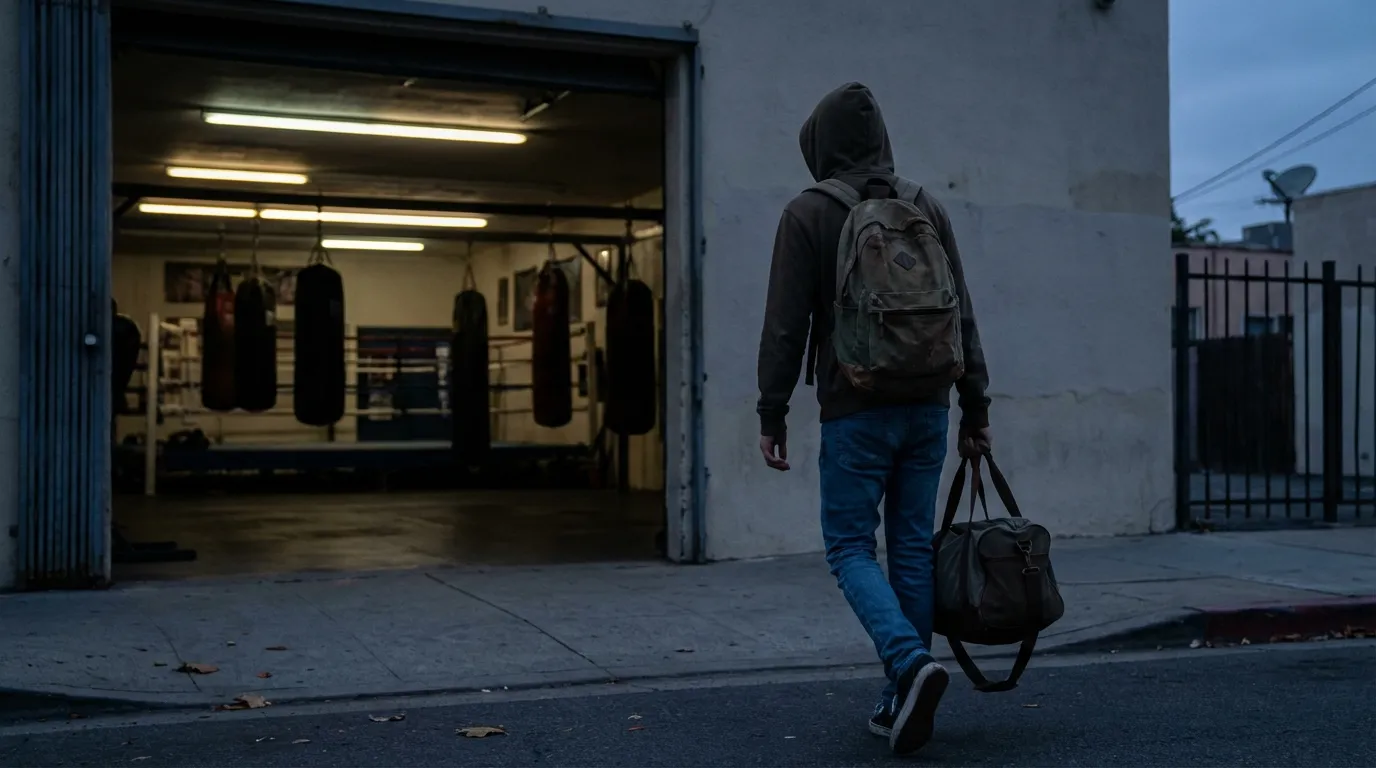
September brings fresh starts. New school year, new timetables, new opportunities. For teenagers thinking about fitness, it is the perfect time to establish habits that stick.
But here is the problem: most fitness options for teens are rubbish.
School PE is often a box-ticking exercise that leaves sporty kids bored and non-sporty kids humiliated. Traditional gyms are designed for adults, feel intimidating, and offer nothing in the way of guidance. Running is free but miserable for most teenagers. And team sports require coordination, tryouts, and existing social connections.
Boxing is different. Here is why it works for teens in ways other options do not.
The Teenage Fitness Problem
Let us be honest about what teenagers face when they want to get fit:
- School PE is not enough. One or two hours a week of half-hearted exercise does not build fitness. It barely maintains it.
- Gyms are awkward. Walking into a gym full of adults when you are 15 is intimidating. Nobody shows you what to do. You do not know if you are doing things right. It is an uncomfortable experience that most teens abandon quickly (source).
- Social media creates pressure. Teenagers are bombarded with fitness content showing extreme transformations, unrealistic bodies, and complicated routines that require equipment they do not have. The gap between what they see and what is achievable feels insurmountable.
- Time is limited. Between school, homework, social life, and possibly part-time work, teenagers do not have hours to spend exercising. They need something efficient.
Boxing addresses all of these problems. It is coached (so you know what to do), it is among peers (not surrounded by adults), it is efficient (one hour of proper training beats two hours of aimless gym wandering), and it builds real, visible progress.
Why Boxing Appeals to Teens
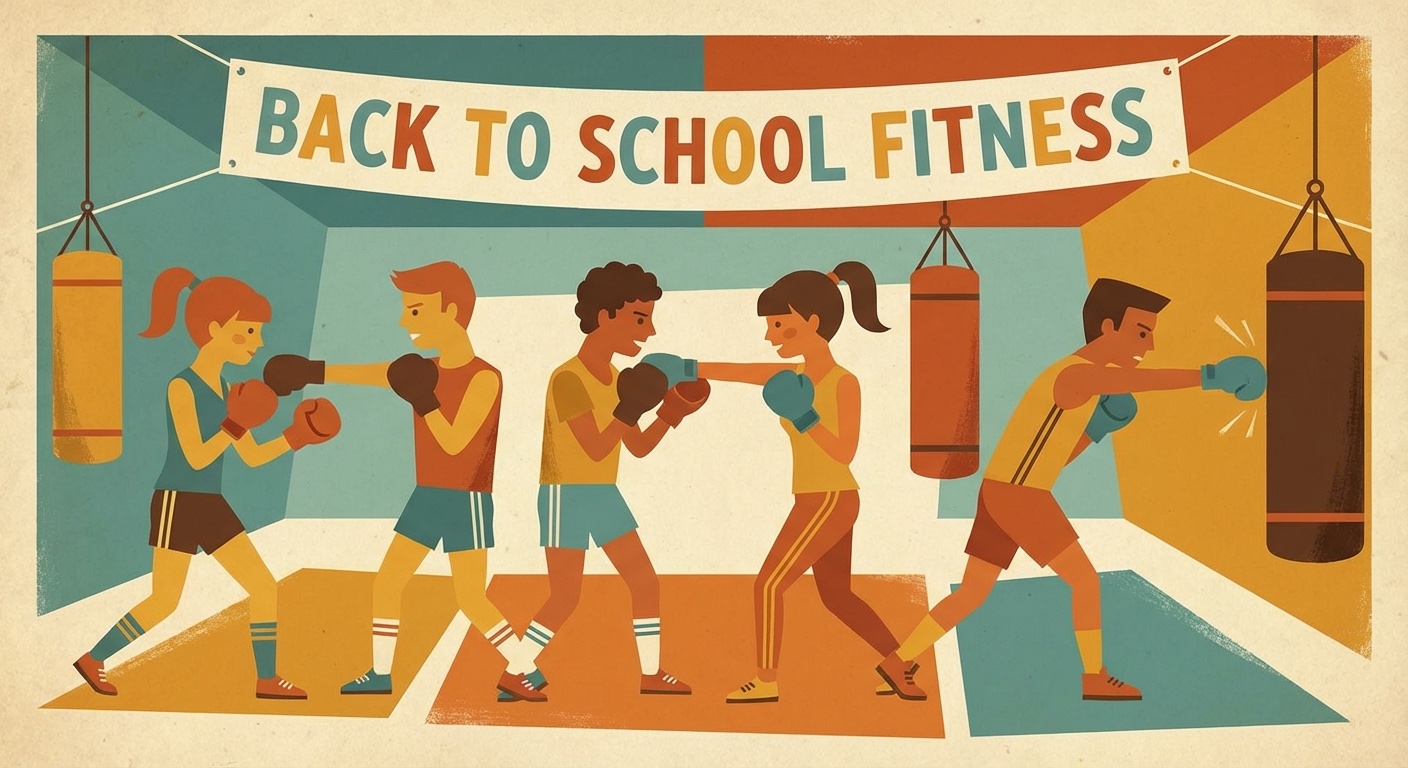
There is something about boxing that connects with teenagers in particular.
It is Not PE
Boxing is the opposite of standing around in a cold field while someone lectures about teamwork. It is intense, focused, and over in an hour. Nobody's picking teams or making you climb a rope.
It is Individual
You are not competing for positions or letting the team down. Your progress is your own. You can be bad at it initially without affecting anyone else. And you can get better at your own pace without waiting for others to catch up.
It Looks Cool
Let us not pretend this does not matter to teenagers. Boxing has cultural weight. It appears in films, music, fashion. Being able to say "I box" carries more social currency than "I go to the gym sometimes."
It is Challenging
Teenagers respond to genuine challenges. When something is too easy, they disengage. Boxing never gets easy - there is always a new combination, a faster pace, a technique to refine. The challenge maintains interest.
It Builds Visible Skills
After a few months of boxing, a teenager can throw combinations that look and feel legitimate. They can skip properly (harder than it sounds). They can move with coordination and purpose. These are visible achievements, not abstract "fitness improvements."
What Teenage Boxing Sessions Look Like
Training sessions for teens are structured similarly to adult sessions, with some adjustments:
Warm-up (10-15 minutes)
Skipping, shadow boxing, dynamic stretches. This is not gentle - by the end, you are already breathing hard.
Technique (15-20 minutes)
Learning and drilling punches, defence, footwork. Coaches break things down and provide individual feedback. This is where actual skill development happens.
Pad and Bag Work (20 minutes)
Putting combinations together. Working with partners on pads or hitting the heavy bag. This is the satisfying part - actually boxing, not just learning about it.
Conditioning (10-15 minutes)
Exercises that build boxing-specific fitness: core work, burpees, circuits. Hard but short.
Cool-down (5 minutes)
Stretching and breathing. Chance to recover before heading home.
Total time: about an hour. Efficient, effective, and over before boredom sets in.
Benefits Beyond the Obvious
Yes, teenagers will get fitter. That happens automatically when you train properly. But boxing does other things that parents especially appreciate:
Confidence
Knowing you can defend yourself changes how you carry yourself. Not in an aggressive way - most boxers are notably calm - but in a quiet assurance that affects everything from posture to social interactions.
Discipline
Boxing requires showing up, paying attention, and working hard. You cannot fake your way through a session. This discipline often spills over into school and other areas.
Stress Management
Teenagers face genuine stress: exams, social pressures, uncertainty about the future. Hitting a heavy bag is an incredibly effective stress release. The focus required during training also provides a break from the constant mental chatter.
Respect
Boxing gyms have a culture of respect - for coaches, for training partners, for the sport itself. Teenagers absorb this without being lectured about it.
Goal Setting
Boxing provides natural goals: master this combination, improve your defence, build your stamina. Learning to set and work toward objectives is valuable regardless of whether someone continues boxing.
Starting in September
September is ideal timing for several reasons:
- Routine is resetting anyway. New school year means new schedules. It is easier to add boxing to a fresh routine than to squeeze it into an established one.
- Weather is still reasonable. Getting to training is less miserable before winter properly sets in. Once the habit is established, darker evenings become less of a barrier.
- You will see results by Christmas. Three months of consistent training creates visible change. Starting in September means progress you can actually see and feel before year end.
- Classes are less crowded. The January rush is months away. September starters get more individual attention and an established place before new year resolution crowds arrive.
What About Sparring?
Parents often ask about this first. Understandably - you are sending your child to learn how to punch people.
Here is the reality: sparring is entirely optional and only happens when a boxer is ready for it (and wants to do it). Many boxers never spar at all. They train, learn skills, get fit, but do not actually fight anyone.
For those who do progress to sparring:
- It is closely supervised
- Protective equipment is mandatory
- It is controlled and technical, not a brawl
- Coaches match abilities appropriately
- It only happens after months of training the basics
Sparring is not the point of boxing for most people. Training is the point. Sparring is just one optional element.
For Parents Worried About Violence
A well-run boxing club should teach control, not aggression. Teenagers learn that boxing is a coached sport with rules, supervision and consequences. No sport can guarantee behaviour outside the gym, but good coaching is clear that fighting belongs nowhere near school, home or the street.
Try a Free Session
Not sure if your teenager will like boxing? Fair enough - it is hard to predict. The best approach is simply to try it.
We offer free trial sessions with no commitment. Your teen shows up, trains for an hour, and decides if they want to continue. If yes, great. If no, they have tried something new and can move on.
If you want the wider picture on when boxing makes sense at different life stages, read our Boxing by Age guide. If you are already thinking ahead to adult training, Boxing in Your 30s: Is It Too Late to Start? is the next useful read.
No pressure sales, no contracts. Just boxing.
H&G Team
Writer at Honour & Glory Boxing Club, a community boxing gym in Kidbrooke, South East London.
KEEP READING
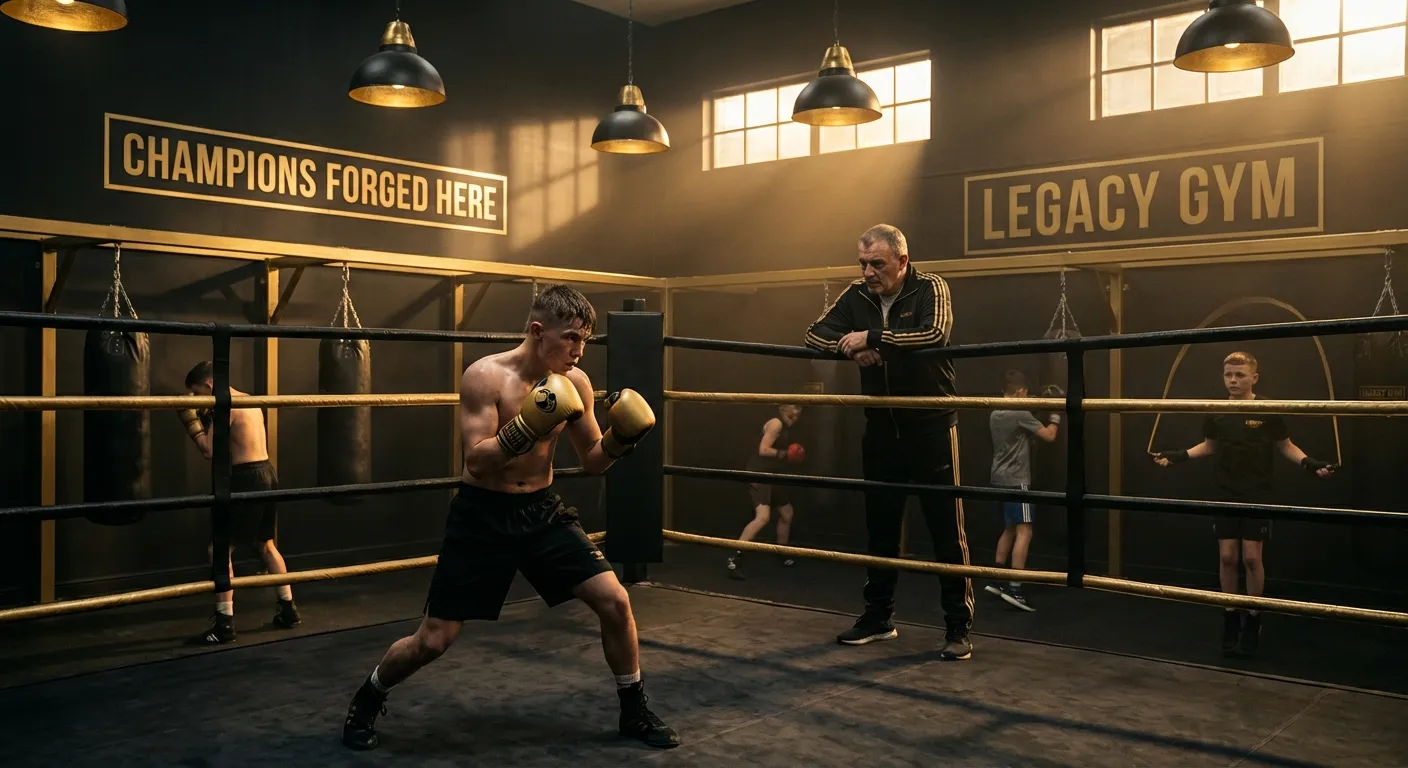
Can Boxing Support Children's Focus at School?
Some parents say regular training helps their child with routine, listening and confidence. Boxing is not a fix for school or attention difficulties.
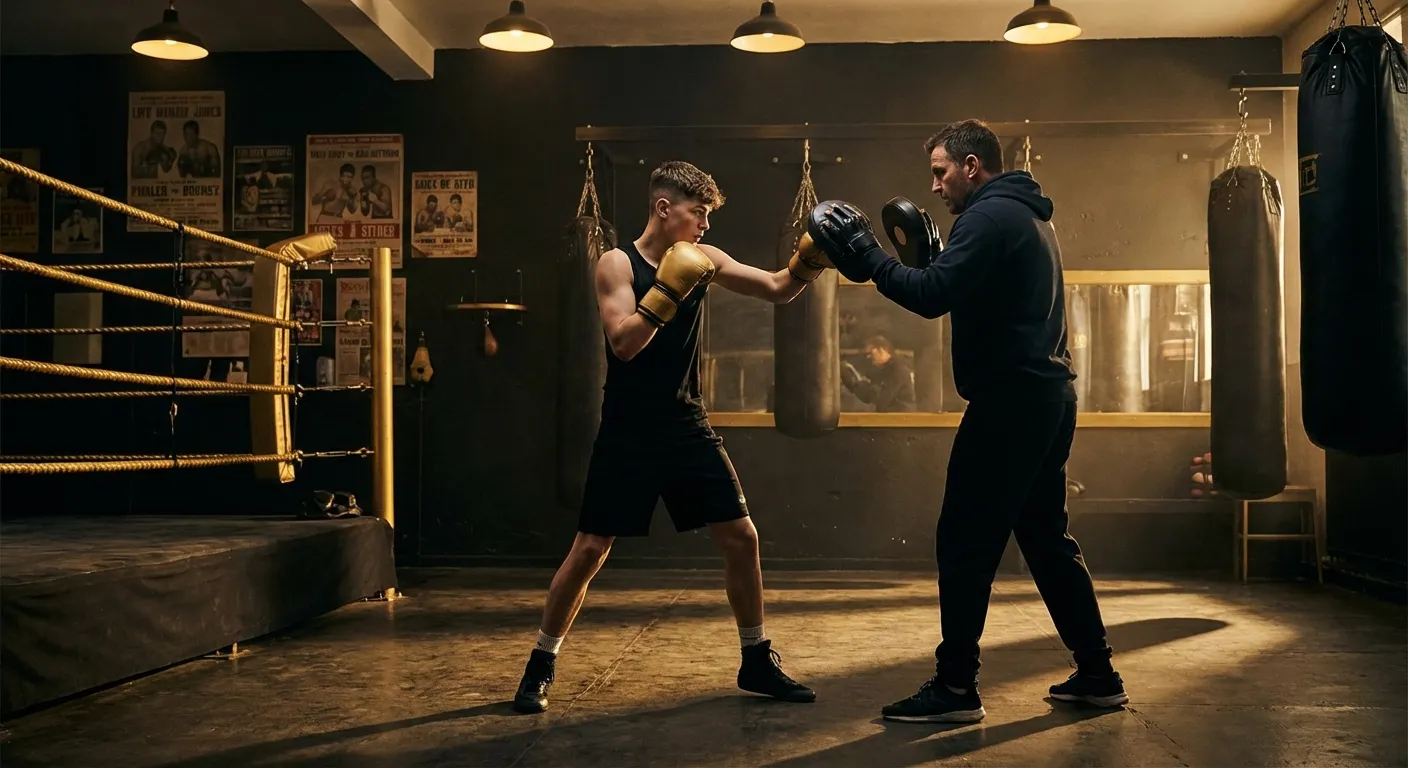
Famous Boxers Who Started as Teenagers
The greatest boxers in history started young. But what did their early training actually involve, and what does that tell us about how young people should approach the sport?
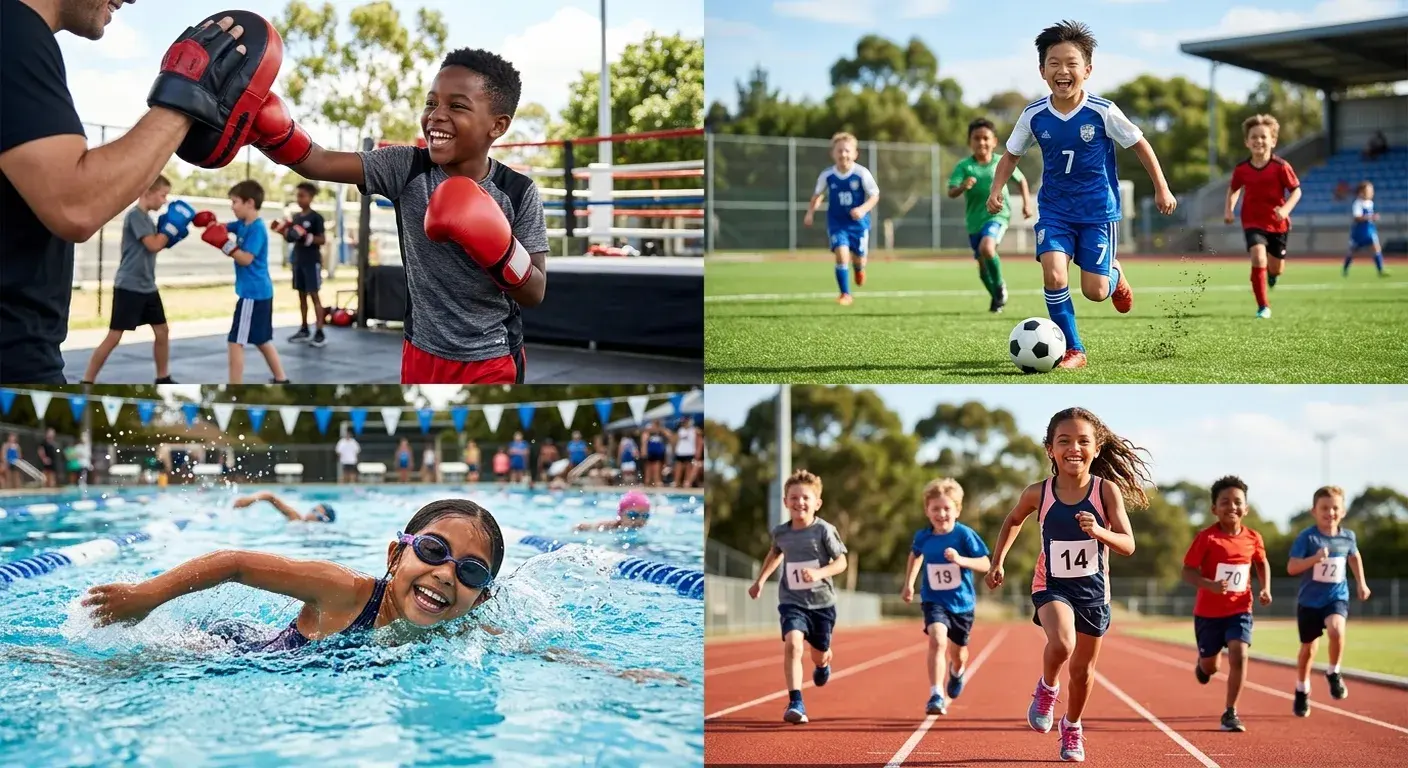
Best After-School Sports for Kids in Greenwich (SE3, SE7, SE10)
Football, boxing, swimming, rugby, basketball - what are the real after-school sports options for children in Greenwich? Here is a practical guide by area.
Was this page helpful?
It takes one tap, and it genuinely helps.
Choose your next step
Turn this article into the right action
Some readers are ready to book. Some need the class route first. Pick the route that matches what you actually want.