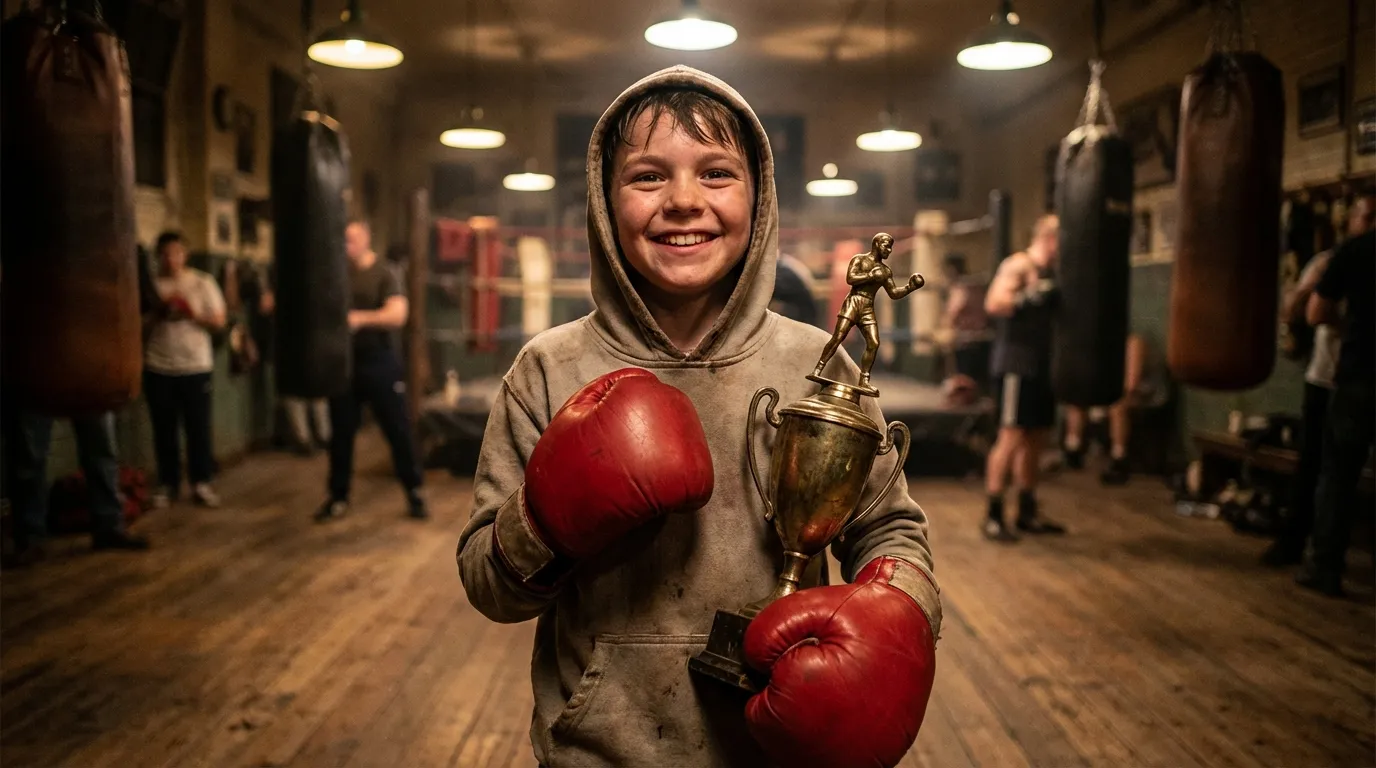
Sport England's research on youth combat sports identifies boxing as one of the activities with the highest reported confidence and mental wellbeing benefits for children under 16.
When parents think about boxing for their children, they usually picture the physical stuff - getting fit, learning to punch, maybe burning off some of that endless energy. Those benefits are real. But the parents who stick around tell us the same thing: the changes they did not expect are the ones that matter most.
Physical Benefits of Boxing for Children
Let us start with the obvious. Boxing is a serious workout, even for kids.
Full-Body Fitness
Unlike sports that focus on specific movements, boxing uses everything. Legs for footwork and power. Core for rotation and balance. Arms and shoulders for punching. Back for posture and stability.
Kids who box develop well-rounded fitness rather than the imbalanced development you sometimes see in single-sport athletes.
Coordination and Motor Skills
Throwing a punch while maintaining balance, moving your feet, and watching your target requires serious coordination. Add in defensive movements and combinations, and you have got a complex motor task that challenges the brain and body together.
Many kids who struggle with ball sports find boxing more accessible because you are not tracking a moving object - you are controlling your own movements against a stationary target.
Cardiovascular Health
Three-minute rounds of pad work will leave any kid breathing hard. Boxing builds genuine cardiovascular fitness through interval-style training that is more engaging than running laps.
Strength Without Bulk
Boxing builds functional strength - the kind used in real movement - without the bulk that comes from weight training. Kids develop lean muscle and power through bodyweight exercises, bag work, and pad drills.
Mental and Emotional Benefits
Here is where things get interesting. The benefits of boxing for children that parents rave about most have nothing to do with fitness.
Confidence That is Earned
There is a difference between telling a child they are capable and watching them prove it to themselves. Boxing provides constant small victories - mastering a new punch, lasting another round, hitting the pads faster than last week.
This builds genuine confidence, not the fragile kind that crumbles at the first challenge. Kids learn they can do hard things, and that belief transfers to other areas of life.
Discipline and Self-Control
Boxing has rules. You listen when the coach talks. You do not mess around with equipment. You respect your training partners. You give effort even when you are tired.
Kids who train regularly internalise these standards. Parents frequently tell us their children become more disciplined at home and school - not because anyone threatened them, but because they have learned to value structure.
Focus and Concentration
Modern kids face constant distraction. Phones, tablets, notifications, a hundred things competing for attention. Boxing demands focus. When you are learning a combination or working the pads, your mind cannot wander. The feedback is immediate - lose focus, miss the target.
This concentrated attention is like a muscle. Train it in the gym, and it gets stronger everywhere.
Emotional Regulation
Every child feels anger, frustration, and stress. Boxing gives them a healthy outlet. Instead of bottling up emotions or letting them explode inappropriately, kids learn to channel that energy productively.
Punching a heavy bag when you are frustrated is remarkably effective. And the physical exertion of training naturally reduces stress hormones while boosting mood-enhancing endorphins (source).
Many parents bring children who struggle with emotional regulation to boxing. After a few months, they report calmer kids who handle frustration better - not because boxing taught them to suppress feelings, but because it gave them tools to process them.
Resilience and Handling Failure
Boxing involves constant failure. You will miss punches, get combinations wrong, and struggle with techniques. That is normal. That is learning.
Kids discover that failure is not final - it is information. Get it wrong, adjust, try again. This growth mindset serves them far beyond the gym.
Social Benefits
Boxing might seem like an individual sport, but training happens in a community.
Belonging and Connection
Kids who box become part of a gym community. They see familiar faces each session, share the challenge of training, and support each other's progress. For children who struggle to fit in elsewhere, this sense of belonging can be life-changing.
Respect and Sportsmanship
Good boxing gyms emphasise respect - for coaches, for training partners, for the sport itself. Kids learn that being tough does not mean being rude. The hardest fighters are often the most humble and respectful.
Positive Role Models
Coaches become significant figures in children's lives. A good coach provides guidance, encouragement, and an example of what dedication looks like. For some kids, especially those without strong male role models at home, this relationship is invaluable.
Meeting Different People
Boxing gyms attract people from all backgrounds. Your child might train alongside someone from a completely different area, school, or walk of life. This exposure builds social skills and breaks down barriers.
Addressing the "Violence" Concern
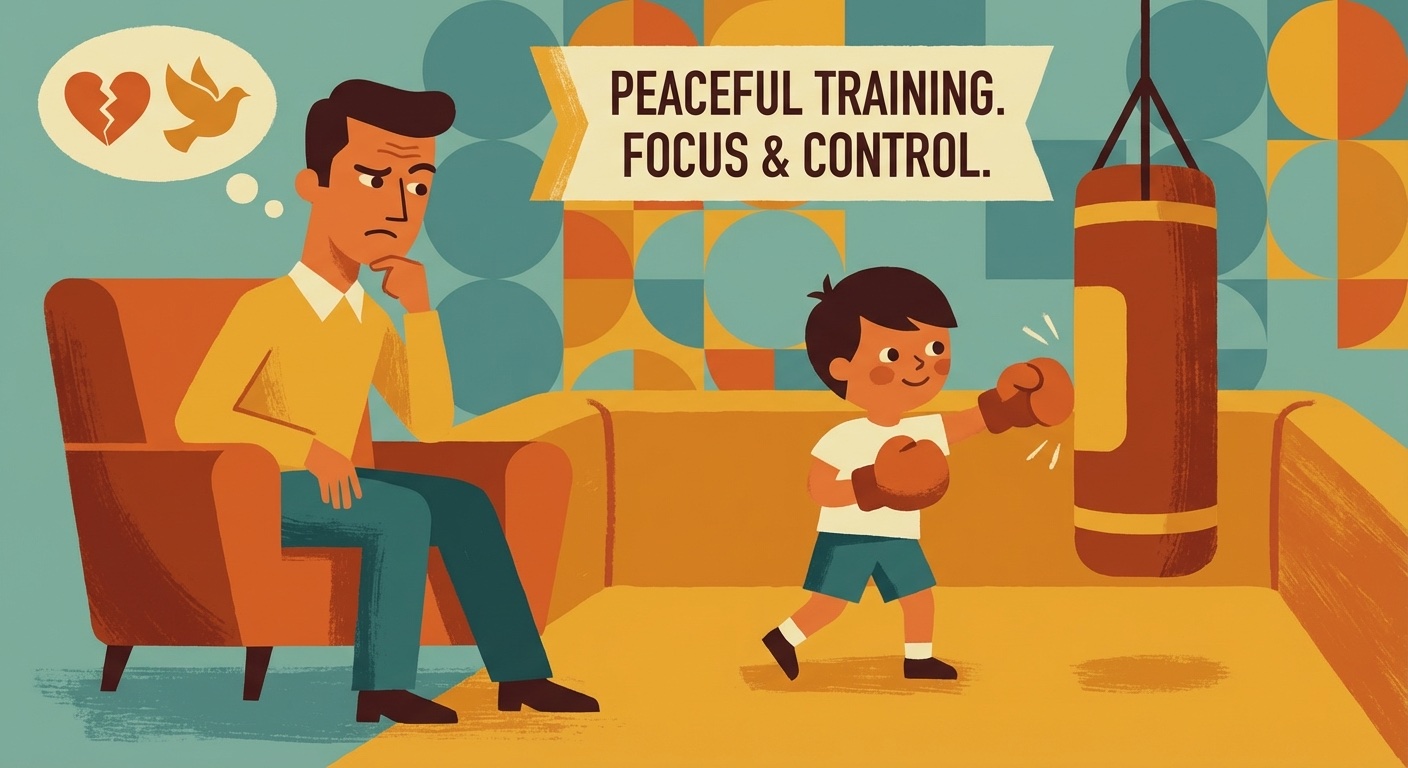
Some parents hesitate because boxing involves hitting. Will not it make kids aggressive?
Research and experience say the opposite. Kids who train boxing actually show decreased aggression outside the gym. Why? Because they have an appropriate outlet for physical energy and frustration. Because they learn that violence has rules and contexts. Because they develop self-control.
A child who knows they can defend themselves does not need to prove anything. That security often makes them calmer and less likely to seek conflict.
Also worth noting: children's boxing classes involve hitting pads and bags, not each other. Sparring is optional, introduced later, and always carefully supervised with protective equipment.
Benefits for Different Types of Kids
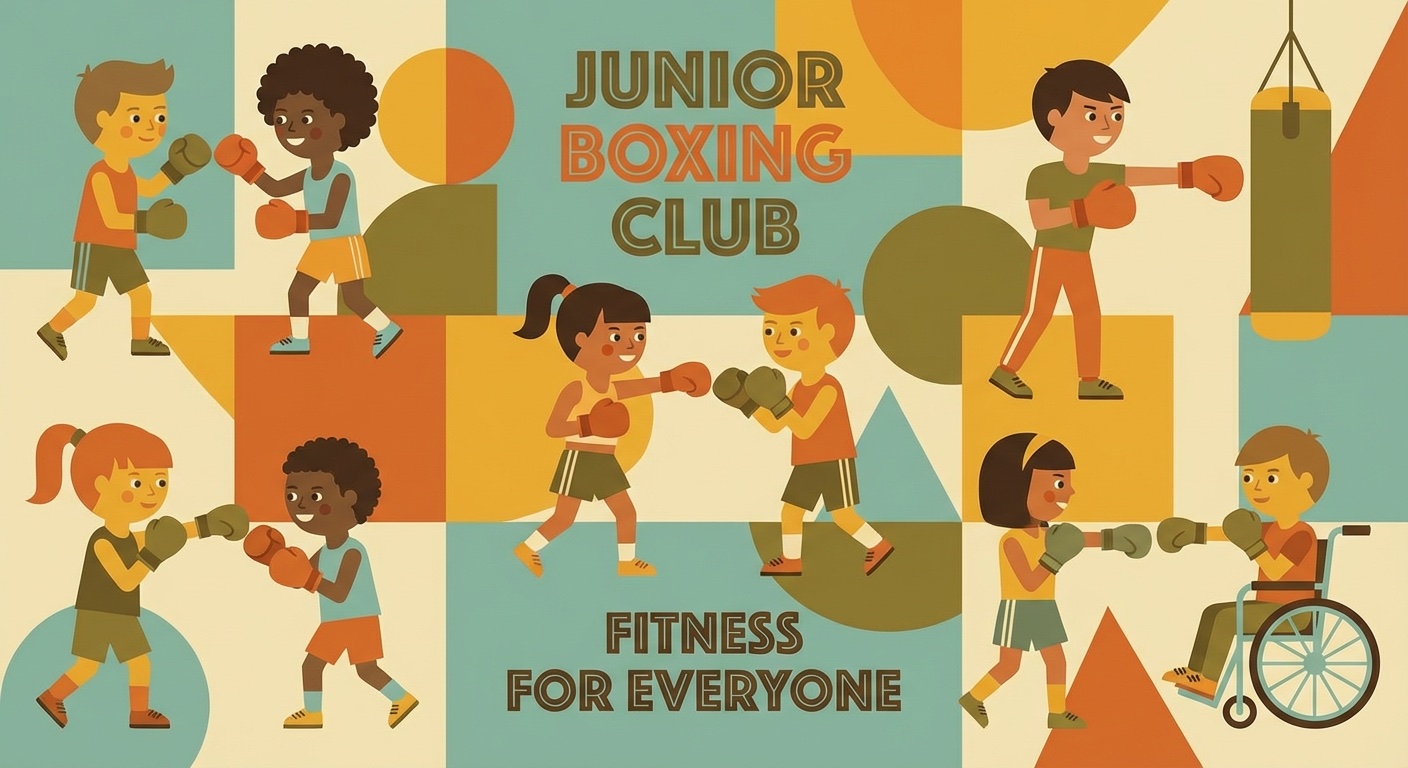
For the Shy Child
Boxing builds confidence without requiring immediate social interaction. Kids can focus on their own training, improving skills at their own pace. As confidence grows, social comfort usually follows.
For the Hyperactive Child
All that energy has somewhere to go. Boxing channels it productively. The structured environment also teaches focus and impulse control in a setting where movement is encouraged rather than suppressed.
For the Child Who Struggles Academically
Not every kid thrives in classroom settings. Boxing offers a different kind of learning - physical, kinesthetic, immediate. Kids who feel unsuccessful academically can excel in the gym, building confidence that often improves their approach to school.
For the Overweight Child
Boxing provides effective cardio without the awkwardness of team sports where athletic kids dominate. Everyone works at their own pace, and improvement is measured against yourself, not others.
For the Child Facing Bullying
The confidence, fitness, and self-defence skills from boxing can transform a child's experience. They carry themselves differently. That alone often reduces targeting by bullies.
Getting Started
The best way to see the benefits of boxing for children is to try it. Most kids know within one or two sessions whether they enjoy it. If they do, the benefits follow naturally from consistent training.
Look for a gym with dedicated youth sessions, qualified coaches who work well with children, and an environment that balances discipline with fun. If the first question is whether your child is old enough, read our guide to what age children can start boxing.
H&G Team
Writer at Honour & Glory Boxing Club, a community boxing gym in Kidbrooke, South East London.
KEEP READING
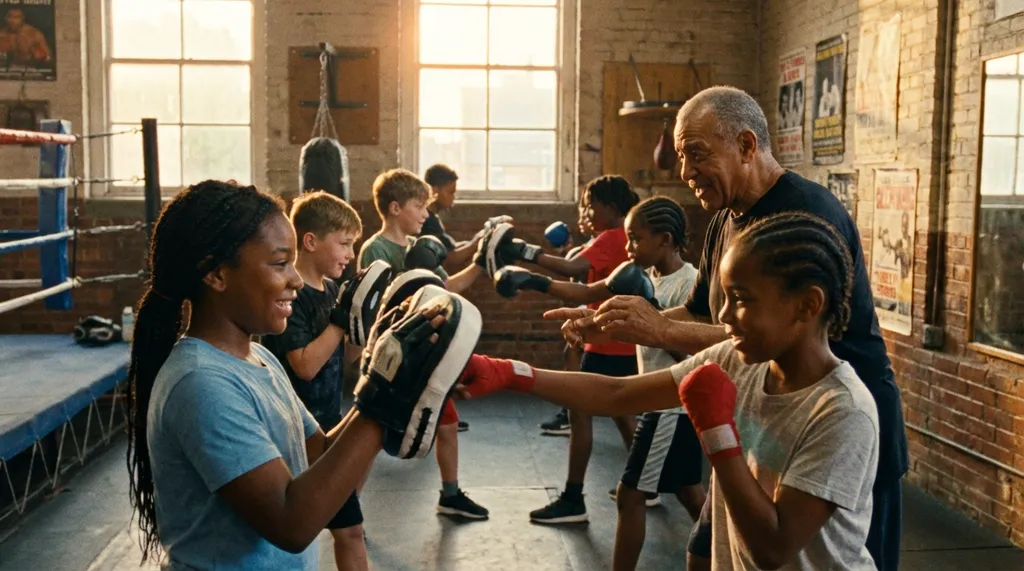
Boxing for Children Who Need Structure
How coached boxing can give children clear rules, physical focus and a positive place to practise discipline, without pretending to replace school, family or clinical support.
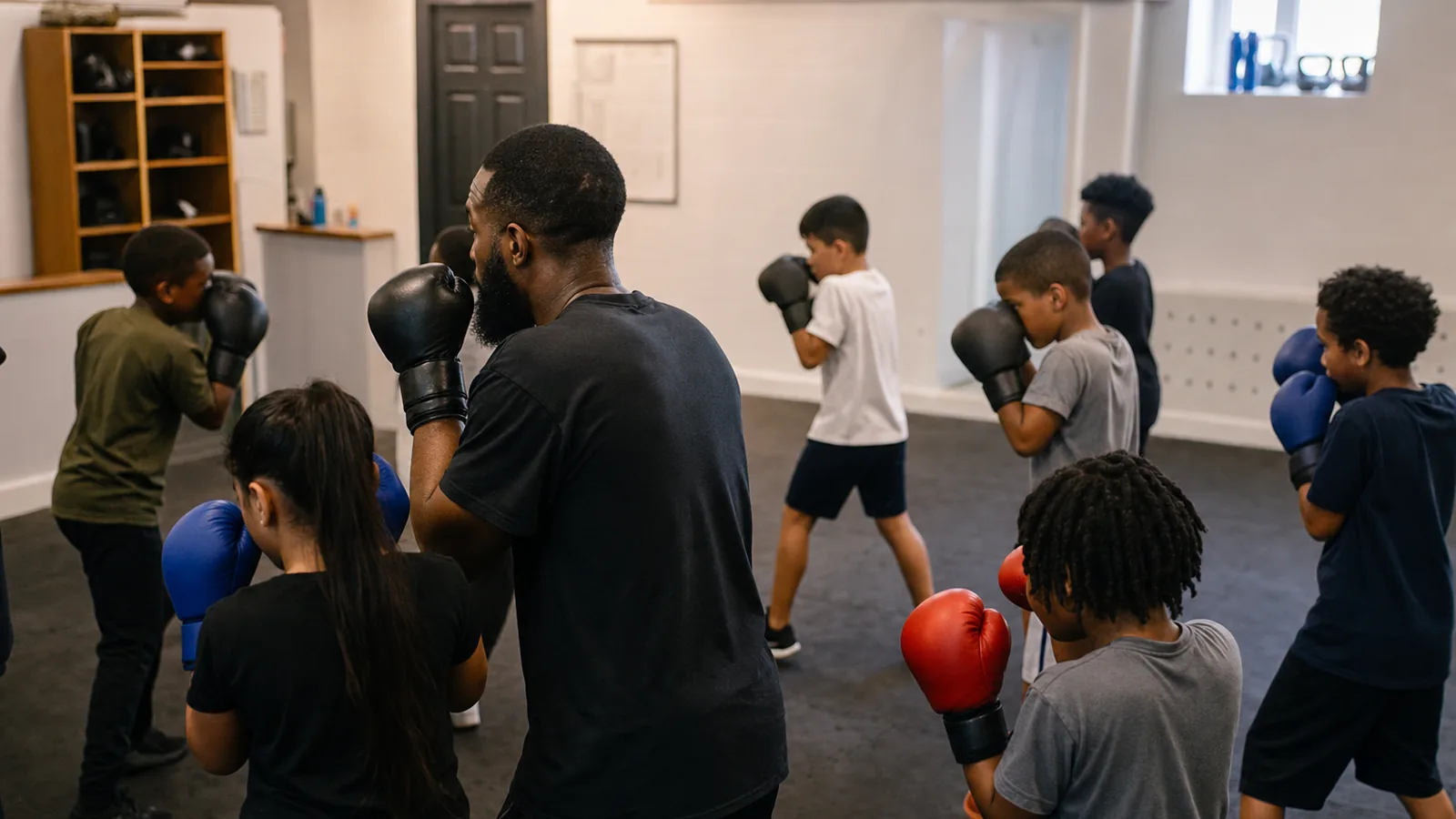
Kids Boxing Classes in Woolwich
Kids boxing classes in Woolwich give children in SE18 the discipline, fitness, and confidence that comes from proper coaching in a safe and structured environment.
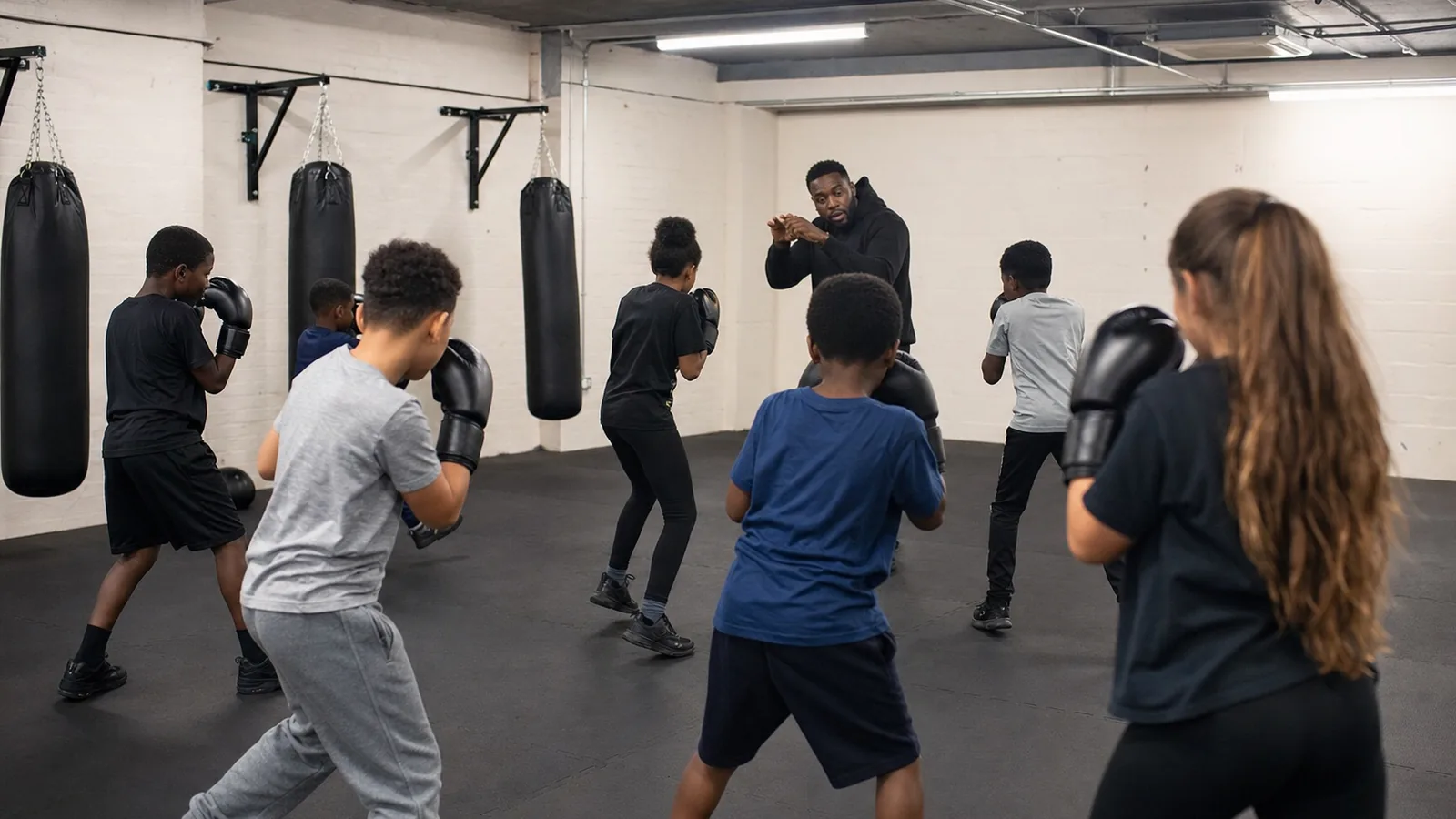
Kids Boxing in Lewisham: A Parent's Guide
A practical guide for Lewisham parents considering boxing for their children - covering safety, benefits, what sessions look like, and what to expect at Honour & Glory.
Was this page helpful?
It takes one tap, and it genuinely helps.
Choose your next step
Turn this article into the right action
Some readers are ready to book. Some need the class route first. Pick the route that matches what you actually want.