
Some people do not need another lecture about fitness. They need one hour where their head stops chewing on the same problem.
That is where boxing can be useful. Not because it is magic. Not because it fixes work stress, anxiety or a difficult week. It helps because the session gives your attention a job that is physical, immediate and hard to fake.
You cannot overthink your way through pads. You have to stand properly, breathe, listen, move your feet, keep your hands up and make the next punch land in the right place.
Why overthinking sticks so hard
Overthinking usually feels mental, but it often lives in the body as well. Tight shoulders. Shallow breathing. Jaw clenched. Phone in hand. Ten tabs open in your head and no clean end to the day.
Researchers call the more stubborn version repetitive negative thinking. A 2025 systematic review in PLOS One found that physical activity interventions can reduce repetitive negative thinking, especially when they are regular and combined with better self-regulation habits (PLOS One review on physical activity and repetitive negative thinking). That does not mean a boxing class is therapy. It means movement can help break the loop for some people.
The important part is that boxing does not leave much spare attention. A treadmill can still give you space to replay a meeting. A half-hearted gym session can become another place to scroll. Boxing asks for presence.
Boxing gives the brain a smaller problem
A good beginner boxing session narrows the world.
For the next round, the problem is not your inbox, your mortgage, your colleague, your child care puzzle or the thing you should have said three hours ago. The problem is simpler: jab, cross, step out. Guard back to your face. Breathe before the next combination.
That sounds small. It is not.
A lot of people carry vague stress because the problem has no clear edge. Boxing gives the brain a clear edge. The round starts. The round ends. The coach gives a correction. You try again.
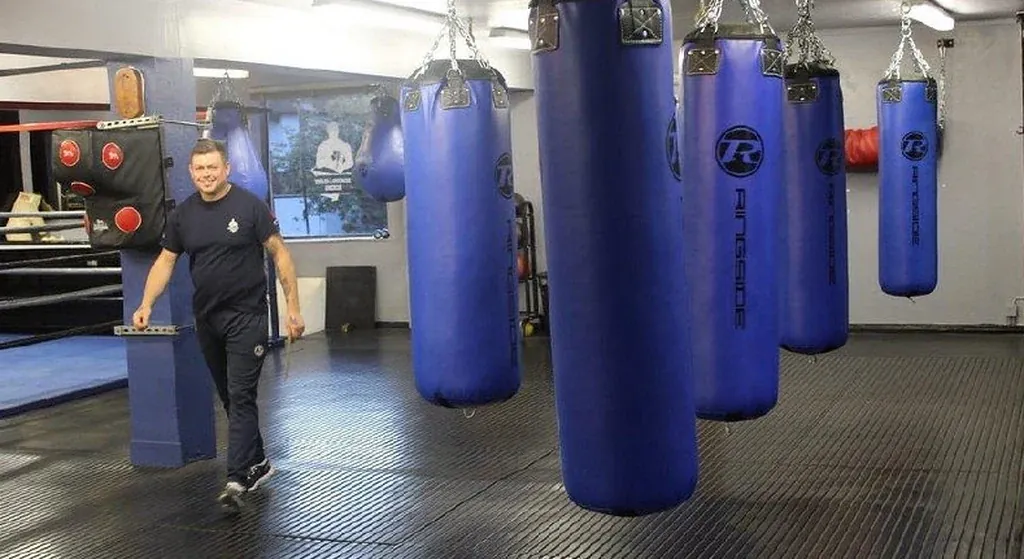
The focus comes from the rules of the room
Focus is not just a personality trait. It is often a result of the environment.
In a normal gym, you can drift. You can change exercise every two minutes. You can check your phone. You can do three sets and convince yourself that was enough. Nobody has to notice.
In a boxing gym, the structure pulls you back. The coach calls the drill. Your partner is waiting. The bell sets the time. The bag gives honest feedback. If your feet are wrong, the punch feels wrong. If your shoulders are tense, you gas out. If your mind wanders, the combination falls apart.
That is why boxing suits many overthinkers. It is not soft or vague. It gives feedback quickly.
Research on acute physical activity and attention is still mixed, but one experimental study found that 20 minutes of moderate physical activity improved some attention measures in children with ADHD compared with a sedentary control condition (International Journal of Environmental Research and Public Health study). The useful point for adults is modest: movement and attention are connected, and training that demands coordination can give the mind a different track to run on.
You do not need to spar to get this benefit
This matters. Some adults hear boxing and picture getting hit. That is not the starting point.
For most beginners, the useful work is non-contact: skipping, stance, shadow boxing, pad work, bag rounds, footwork and bodyweight conditioning. You learn how to move and punch properly before anything else is considered.
At Honour and Glory, the normal first step for adults is the Adult Recreational boxing class. It is built for adults who want fitness, skill and structure without pretending they are already fighters.
If you are in or near Kidbrooke, the journey is simple enough that the routine can become part of your week rather than another awkward plan you abandon.
The physical work helps because it is specific
A lot of stress-training advice is too gentle for people who are wired after work. Sometimes you do not need a candle and a breathing app. You need to move with purpose until the body stops behaving as if the day is still happening.
Boxing does that well because it uses the whole body. Your legs set the base. Your hips turn. Your core braces. Your shoulders work. Your hands have to stay disciplined when you get tired.
The NHS recommends adults do at least 150 minutes of moderate intensity activity each week, or 75 minutes of vigorous intensity activity, plus strengthening work on two days (NHS adult activity guidelines). A coached boxing week can help many adults cover a real part of that target because the session mixes conditioning, coordination and strength-endurance.
That does not make it better than every other form of exercise. It makes it easier to repeat for people who hate blank gym time.
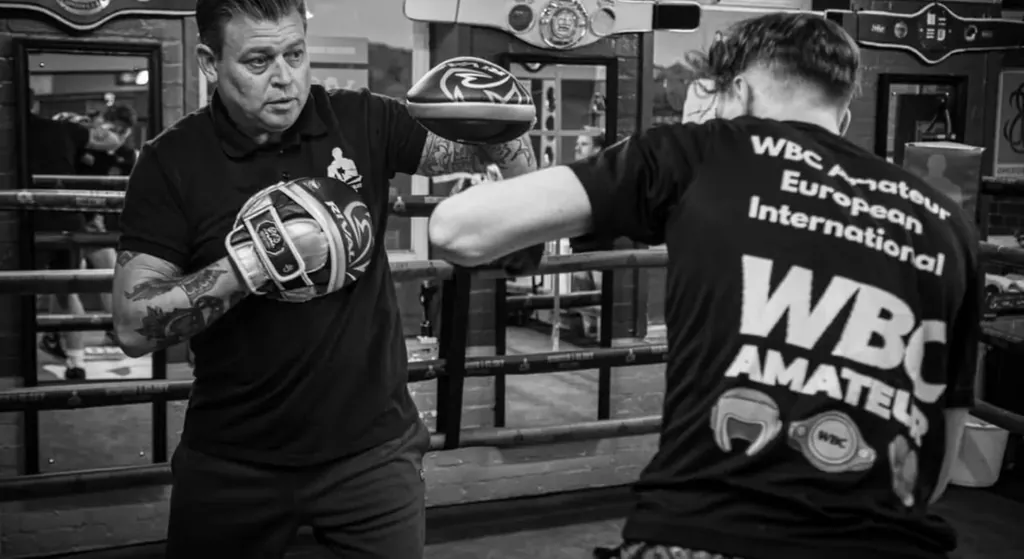
The confidence is earned, not performed
Overthinkers often do not need hype. They need evidence.
Boxing gives that evidence in small pieces. The jab lands cleaner than it did last week. The stance feels less awkward. The shoulders stay down for longer. The breathing settles. You stop apologising for being new.
That kind of confidence is different from motivational noise. It comes from seeing your own behaviour change under pressure.
Harvard Health describes fitness boxing as training that can support strength, endurance, balance, hand-eye coordination, mood and alertness while avoiding the risks of taking punches when it is non-contact (Harvard Health on fitness boxing). That is the clean version for most adult beginners: real boxing movements, coached safely, without rushing into sparring.
What to expect in the first few weeks
The first session may feel clumsy. That is normal.
Most beginners do too much with their shoulders, hold their breath and try to throw every punch hard. A good coach will slow you down. The early goal is not power. It is stance, guard, straight punches, balance and calm effort.
By week three or four, the room usually feels different. You know where to stand. You understand the warm-up. You can hear a simple combination and make a decent attempt. You still get tired, but the tiredness feels less chaotic.
If sleep is one of the reasons you are looking at evening training, read our careful guide to boxing and sleep. If your main problem is that normal gyms never stick, boxing vs gym: why people switch explains that difference more directly.
The honest version
Boxing will not solve your life. It will not remove pressure at work. It will not replace medical help if you need proper support.
What it can do is give you one structured hour where thought has to become action. Your body gets tired. Your attention has somewhere useful to go. The week gains a rhythm. You leave with a clearer line between the day you had and the evening you are trying to keep.
For many adults, that is enough to start.
H&G Team
Writer at Honour & Glory Boxing Club, a community boxing gym in Kidbrooke, South East London.
KEEP READING
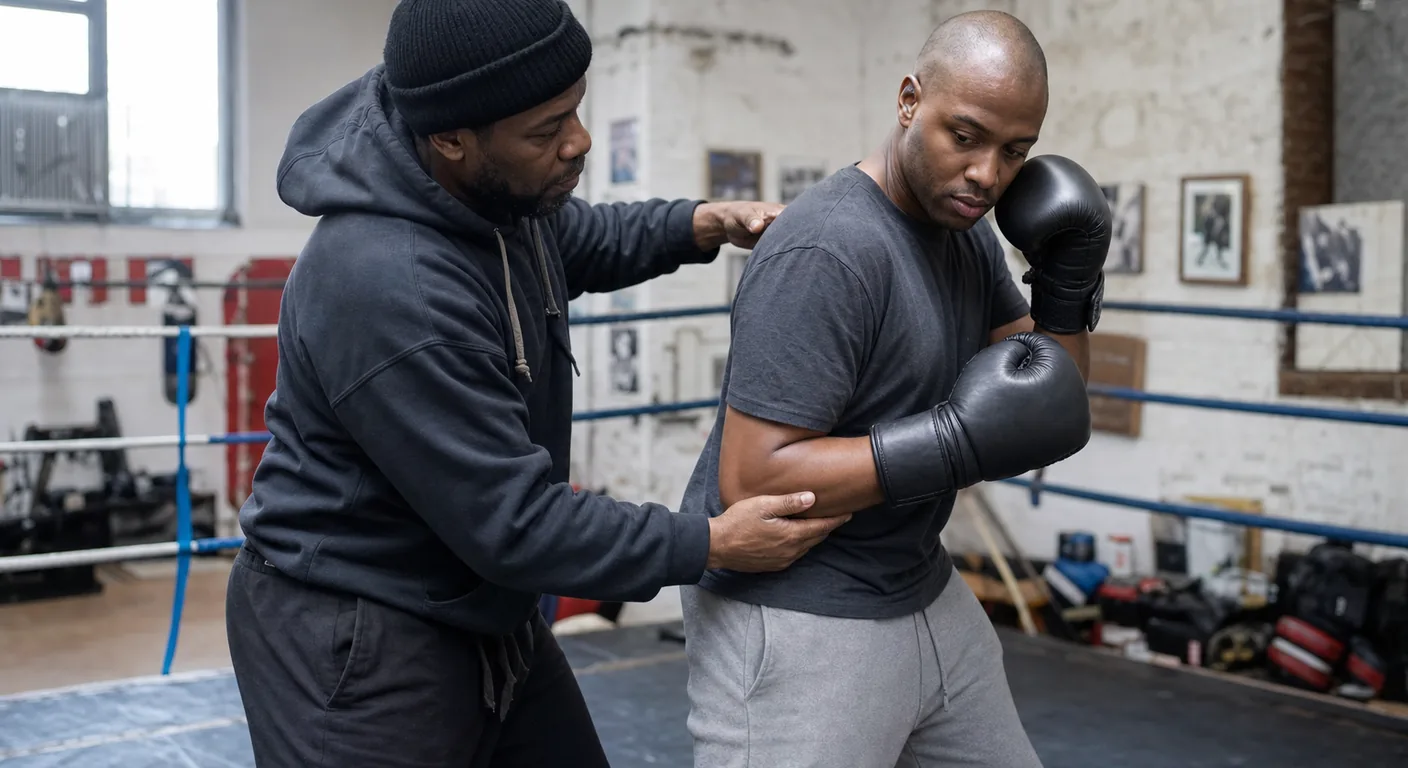
Why Beginner Boxers Are So Easy to Hit
Beginners do not get hit only because their reflexes are slow. They usually get hit because their stance, jab, guard and exits give the other boxer a clear target.
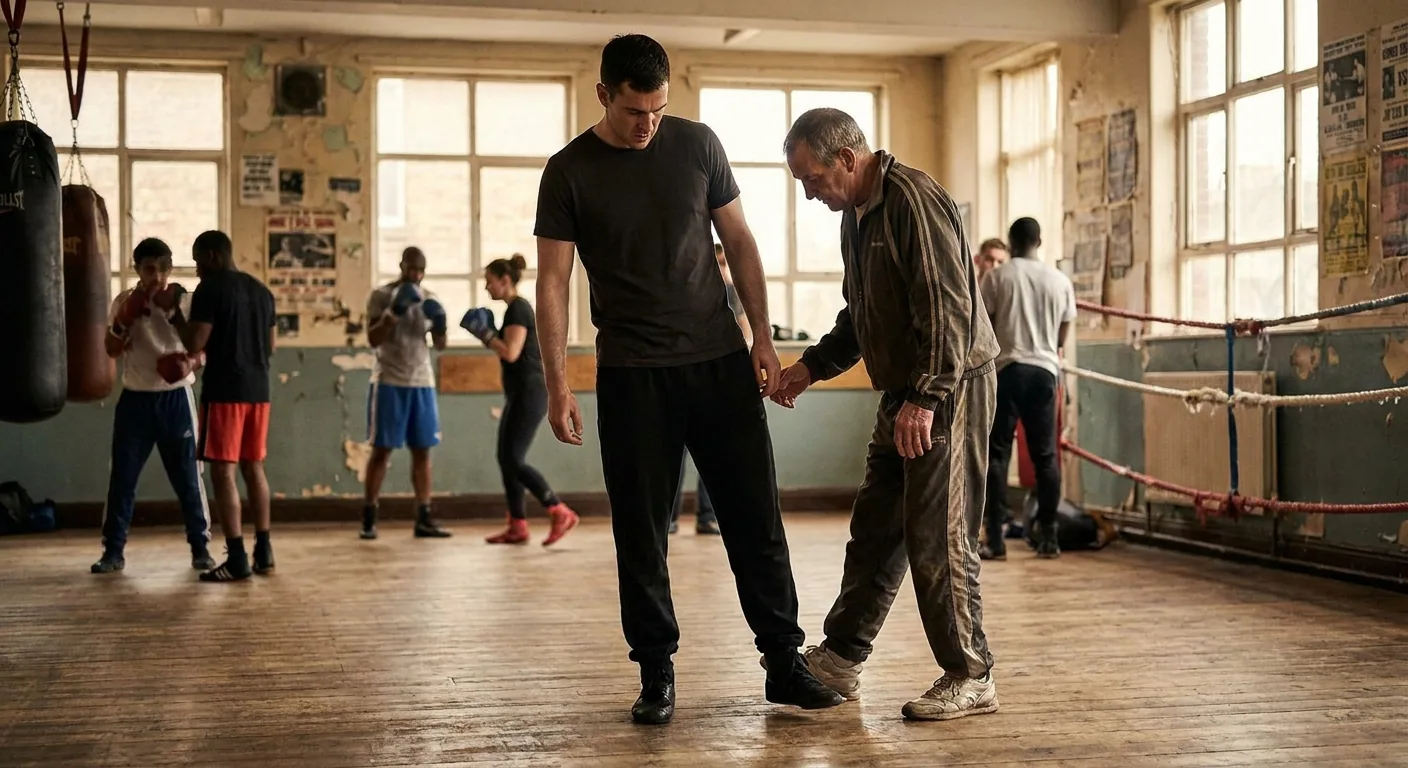
Boxing If You Are Clumsy: Why It Helps
Feel clumsy in the gym? Boxing gives adults a practical way to build rhythm, balance and body control without pretending to be elite.
Boxing in Your 30s: Why It Is Not Too Late
Starting boxing in your 30s is practical: you recover well, listen better, and usually have enough discipline to train consistently.
Was this page helpful?
It takes one tap, and it genuinely helps.
Choose your next step
Turn this article into the right action
Some readers are ready to book. Some need the class route first. Pick the route that matches what you actually want.