Johnny Dundee
Technical volume
Ted Kid Lewis Johnny Dundee
Shared areas: Counter, Defence

Fighter study
Why study this fighter
Ted Kid Lewis is useful for studying busy technical pace: repeat exchanges, cleverness at mixed ranges, and pressure applied through activity rather than one clean pattern. The point is to turn visible habits into safer coaching cues that a boxer can practise deliberately.
Ted Kid Lewis is a busy technical pace-setter in the H&G style library. It is a classic orthodox profile. The strongest axis scores are volume 78, counter 76 and ring control 66. Study how pace can be built from repeated small wins and changing range without waiting for a perfect opening. A practical cue is to use short exchange games where the boxer must touch, move, and re-enter from a new line. The page includes 1 selected video reference for the study notes. The main warning is: do not copy pace without defensive resets.
Fighter guide only. This is not a claim about level, ability, or matching a champion. Use the diagnostic to compare how you box, then bring the result into class or PT.
H&G All-Time Index: Ted Kid Lewis is ranked #91 all-time with a 84.30 ranking index. Open the ranking profile
Use this as a practical style guide. Treat the examples as ideas to test, then check the notes before leaning too hard on one pattern.
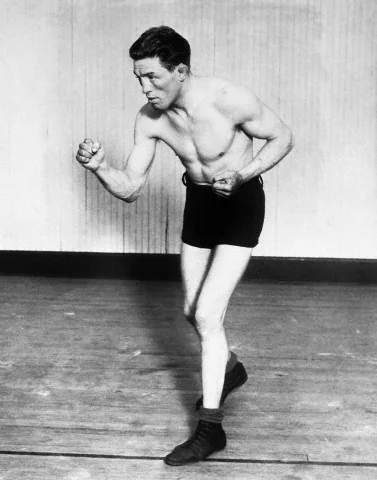
Study, do not imitate
The point is to spot patterns: pressure, range, rhythm, risk, and defensive shape. The radar below turns those patterns into a readable coaching map.
An H&G All-Time Index v2.0.0 summary card for rank context, career context and comparison. Read close ranks with the Data Confidence label beside them.
Style map
Compare shape first. Gold is Ted Kid Lewis; blue is the other fighter. Tap a card to put that fighter on the sticky radar, or search the full set below.
Closest in the library
These are the nearest 8-axis shapes to Ted Kid Lewis across the 250 public profiles.
Technical volume
Shared areas: Counter, Defence
Combination counter technician
Shared areas: Defence, Precision
High-tempo counter footwork
Shared areas: Precision, Range
Technical counter
Shared areas: Defence, Precision
Useful contrasts
These are the furthest shapes from Ted Kid Lewis. Use them to see what this style is not.
Defensive outside boxer
Biggest split: Volume, Range
Long-range jab sniper
Biggest split: Range, Precision
Defensive outside boxer
Biggest split: Volume, Defence
Long-range jab sniper
Biggest split: Range, Precision
Realistic Combinations: Volume That Stays Tidy
What to watch for: Watch this for combination volume that finishes balanced enough to defend.
Open on YouTubeUse these notes to understand the boxing behind the profile and what to watch when you compare it with your own quiz result.
Historical accounts support a skilled, active, multi-range style
Use short exchange games where the boxer must touch, move, and re-enter from a new line.
Do not copy pace without defensive resets
Older footage and period reports are useful for broad style shape, but the page avoids pretending every modern technical detail is proven.
Search all 250 public profiles or compare Ted Kid Lewis with your saved quiz result. Gold shows this profile. Blue shows the comparison.
Start with the suggested close style match or type to search the full profile set.
Saved quiz result found.
Use this profile as a reference, then take the diagnostic to see which axes match your own training choices.