Dmitry Bivol
Disciplined outside technician
Muhammad Ali Dmitry Bivol
Shared areas: Counter, Ring control

Fighter study
Why study this fighter
Muhammad Ali is the wrong model if a boxer only sees the low hands. The useful study is how he made opponents restart: feint, step, touch, change the line, and leave them reaching at a space he no longer occupied.
Muhammad Ali is an outside rhythm and space disruptor in the H&G style library. It is a classic orthodox profile. The strongest axis scores are ring control 96, outboxer 94 and defence 86. Study feints that interrupt the opponent rhythm and footwork exits after scoring at range. A practical cue is to use jab-feint-exit rounds where the boxer scores by making the partner reset. The page includes 2 selected video references for the study notes. The main warning is: do not copy low hands without the footwork and reactions to protect it.
Fighter guide only. This is not a claim about level, ability, or matching a champion. Use the diagnostic to compare how you box, then bring the result into class or PT.
H&G All-Time Index: Muhammad Ali is ranked #9 all-time with a 95.63 ranking index. Open the ranking profile
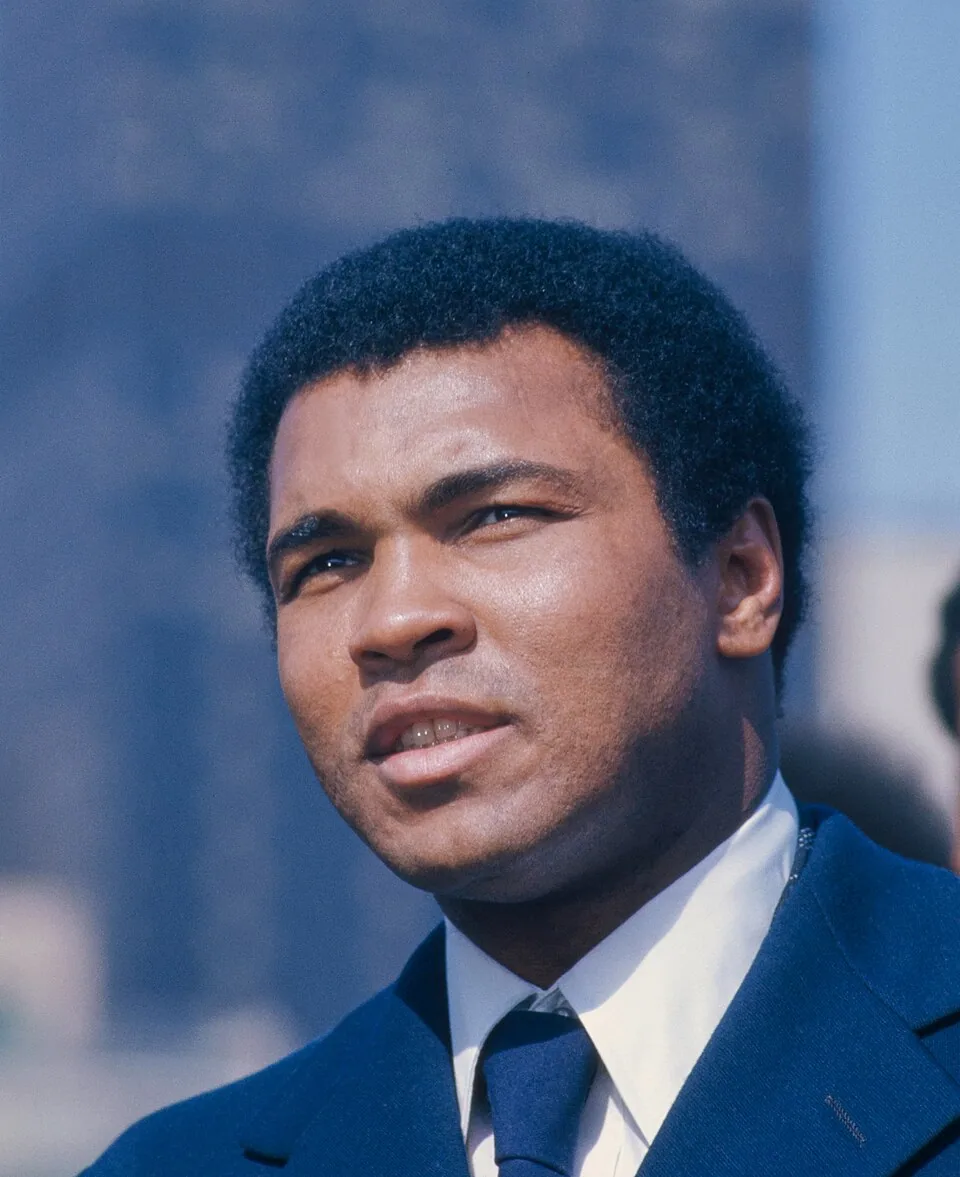
Study, do not imitate
The point is to spot patterns: pressure, range, rhythm, risk, and defensive shape. The radar below turns those patterns into a readable coaching map.
An H&G All-Time Index v2.0.0 summary card for rank context, career context and comparison. Read close ranks with the Data Confidence label beside them.
Style map
Compare shape first. Gold is Muhammad Ali; blue is the other fighter. Tap a card to put that fighter on the sticky radar, or search the full set below.
Closest in the library
These are the nearest 8-axis shapes to Muhammad Ali across the 250 public profiles.
Disciplined outside technician
Shared areas: Counter, Ring control
Jab-led outside control
Shared areas: Ring control, Defence
Mobile southpaw rhythm controller
Shared areas: Ring control, Defence
Combination boxer-puncher
Shared areas: Pressure, Starter
Useful contrasts
These are the furthest shapes from Muhammad Ali. Use them to see what this style is not.
Inside pressure craftsman
Biggest split: Range, Pressure
Combination pressure fighter
Biggest split: Range, Pressure
Body-head pressure pace
Biggest split: Range, Pressure
Body-pressure pace fighter
Biggest split: Range, Pressure
Muhammad Ali: style breakdown
What to watch for: Start here because this video is about Muhammad Ali specifically. Use the other video as the broader training comparison.
Open on YouTubeOutside Range Control: Keep Him On the Outside
What to watch for: Watch this for jab rhythm, range control, and cleaner exits.
Open on YouTubeUse these notes to understand the boxing behind the profile and what to watch when you compare it with your own quiz result.
Fight footage and technical history strongly support the outside rhythm profile.
The famous low-hand moments require strong public guardrails for safe training.
The lead-hand and ring-space lessons are clear enough for practical drills.
Useful as the main reference for high outboxer and ring-geography results.
Search all 250 public profiles or compare Muhammad Ali with your saved quiz result. Gold shows this profile. Blue shows the comparison.
Start with the suggested close style match or type to search the full profile set.
Saved quiz result found.
Use this profile as a reference, then take the diagnostic to see which axes match your own training choices.