Katie Taylor
Fast in-out combination mover
Claressa Shields Katie Taylor
Shared areas: Precision, Defence
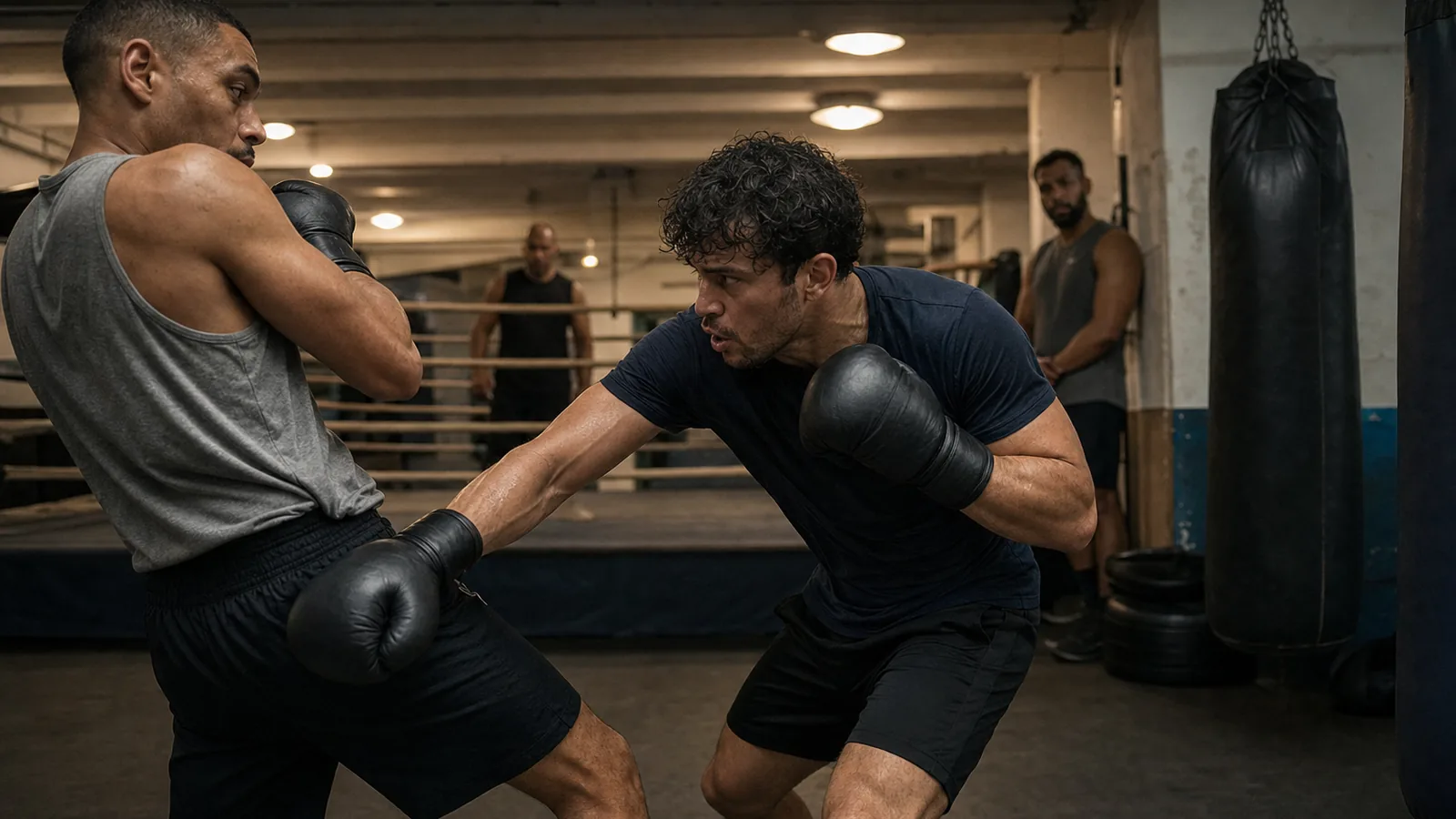
Fighter study
Why study this fighter
Claressa Shields is useful for studying how a high-output orthodox boxer keeps shape while winning rounds with fast starts, layered combinations, and disciplined resets. The coaching thread is scoring often without letting stance, guard, or exit quality collapse.
Claressa Shields is a high-output technical controller in the H&G style library. It is a modern orthodox profile. The strongest axis scores are volume 78, defence 78 and starter 76. Study fast starts that establish scoring rhythm early and combination volume without losing stance or guard shape. A practical cue is to use thirty-second scoring bursts where only clean, balanced combinations count. The page includes 1 selected video reference for the study notes. The main warning is: do not chase output before balance and guard can survive it.
Identity note: Two-time Olympic gold medallist and undisputed-era professional champion. That matters for style study because her best habits are repeatable scoring, fast starts, and keeping shape while working at pace. Olympics.com athlete profile
Fighter guide only. This is not a claim about level, ability, or matching a champion. Use the diagnostic to compare how you box, then bring the result into class or PT.
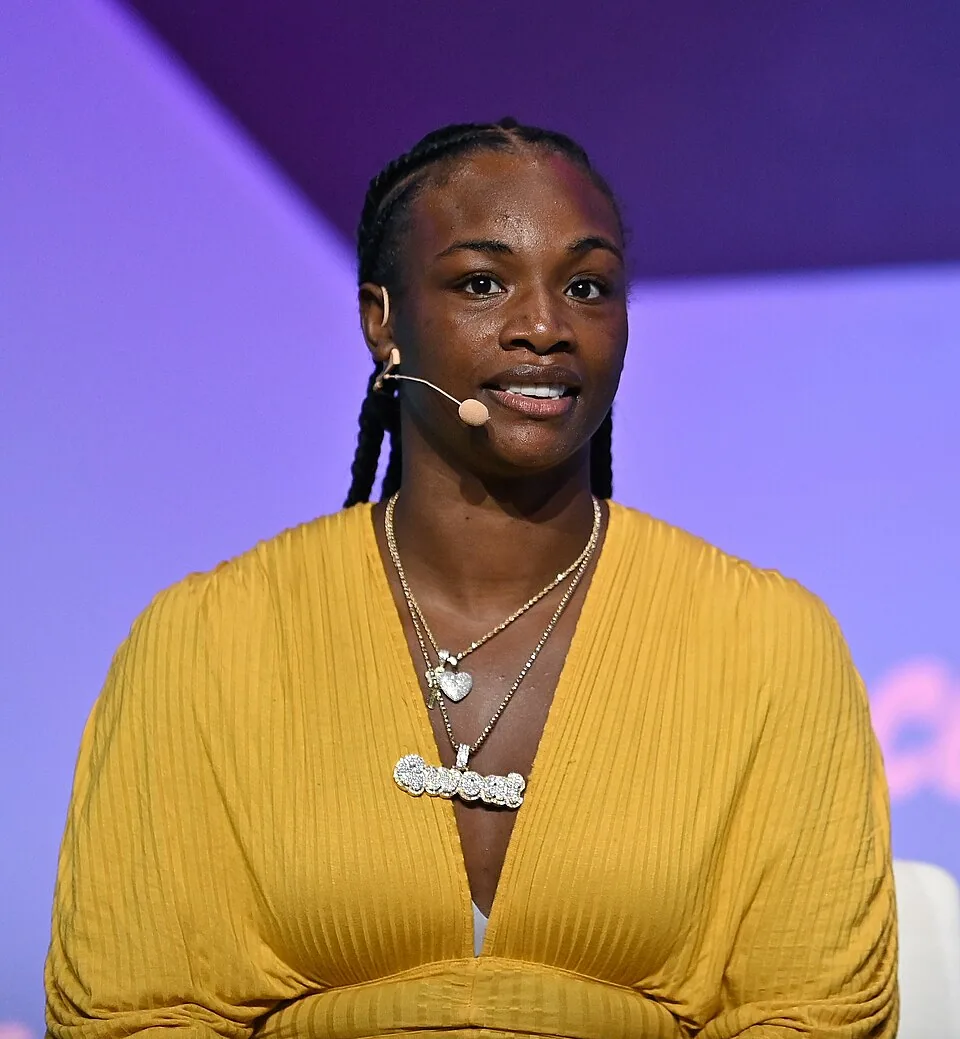
Photo: Collision Conf / CC BY 2.0
Study, do not imitate
The point is to spot patterns: pressure, range, rhythm, risk, and defensive shape. The radar below turns those patterns into a readable coaching map.
Style map
Compare shape first. Gold is Claressa Shields; blue is the other fighter. Tap a card to put that fighter on the sticky radar, or search the full set below.
Closest in the library
These are the nearest 8-axis shapes to Claressa Shields across the 250 public profiles.
Fast in-out combination mover
Shared areas: Precision, Defence
Switch-pressure middleweight controller
Shared areas: Starter, Volume
Combination pressure and mid-range resolve
Shared areas: Counter, Ring control
Heavyweight feint-movement disruptor
Shared areas: Counter, Pressure
Useful contrasts
These are the furthest shapes from Claressa Shields. Use them to see what this style is not.
Defensive counter-puncher
Biggest split: Volume, Starter
Defensive outside boxer
Biggest split: Volume, Pressure
Defensive outside boxer
Biggest split: Volume, Pressure
Southpaw sniper power
Biggest split: Volume, Precision
Fast Combination Rhythm: Score Without Losing Shape
What to watch for: Use this as a practical cue for building output only when range and exit quality stay clean.
Open on YouTubeUse these notes to understand the boxing behind the profile and what to watch when you compare it with your own quiz result.
Olympics.com records Shields as a two-time Olympic gold medallist, giving safe context for the elite amateur-to-professional era studied here.
Study the way initiative and volume stay connected to balance, not just the volume itself.
The pace is useful only when basic guard, stance, and exit quality stay intact.
Search all 250 public profiles or compare Claressa Shields with your saved quiz result. Gold shows this profile. Blue shows the comparison.
Start with the suggested close style match or type to search the full profile set.
Saved quiz result found.
Use this profile as a reference, then take the diagnostic to see which axes match your own training choices.