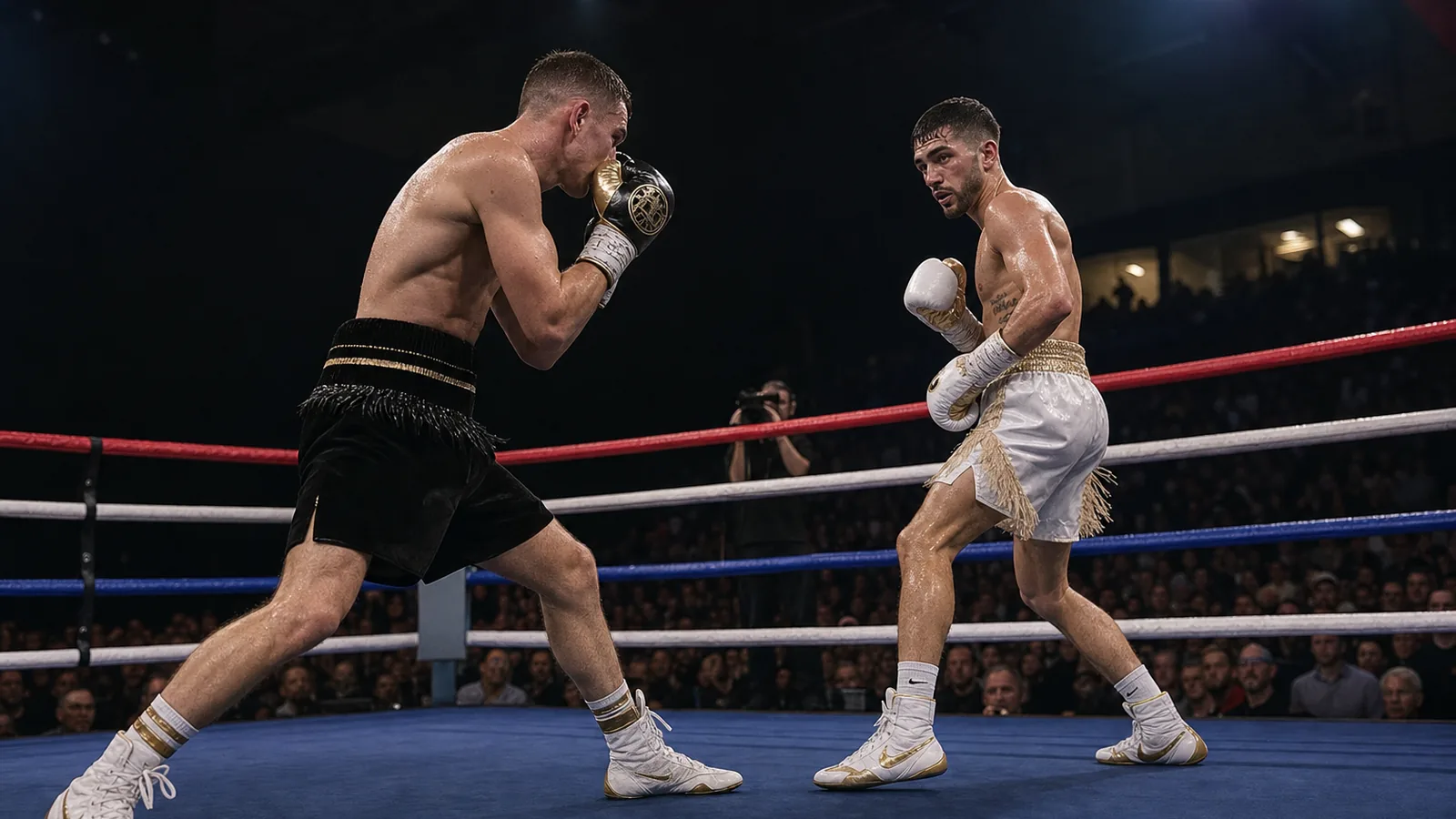
Galal Yafai should not need a sales pitch, but British boxing can be lazy with flyweights. If a fighter is not built like a middleweight, has no celebrity feud attached, and does not arrive shouting at a press conference, too many people treat the bout as specialist viewing.
That is a mistake. Yafai versus Ricardo Sandoval on 6 June 2026 at Sheffield's Utilita Arena is one of the sharpest fights on the British calendar. It is big because the margins will be tiny, the tempo will be fierce, and the winner will leave with real authority at 112lb.
For young boxers, this is exactly the sort of fight worth studying. Not for one highlight punch. For the useful things: who gets the lead foot outside, who resets quicker, who punches while moving, who can pressure without walking in square, and who can keep thinking when the pace gets rude.
When and where is Galal Yafai vs Ricardo Sandoval?
Yafai challenges Ricardo Sandoval on Saturday 6 June 2026 at Utilita Arena Sheffield. Matchroom announced the fight as part of its Sheffield card, with the bout originally listed alongside Dalton Smith versus Alberto Puello and broadcast live on DAZN (Matchroom's Sheffield fight announcement).
The card then changed shape. After Dalton Smith withdrew from his Puello fight because of injury, Boxing247 reported that Yafai versus Sandoval had moved to the top of the bill (the Sheffield main-event change). The arena listing has the event as Ricardo Sandoval v Galal Yafai, with Josh Padley versus Aqib Fiaz and Ibrahim Nadim versus Ibraheem Sulaimaan among the listed undercard bouts (Utilita Arena's event page).
The WBC describes the fight as Sandoval defending its crown against Yafai, its interim champion, in the 112-pound division (WBC's fight notice). This is not a keep-busy fight. It is a world-title fight with a British Olympic gold medallist trying to convert amateur pedigree into full professional command.
Why Galal Yafai matters for British boxing
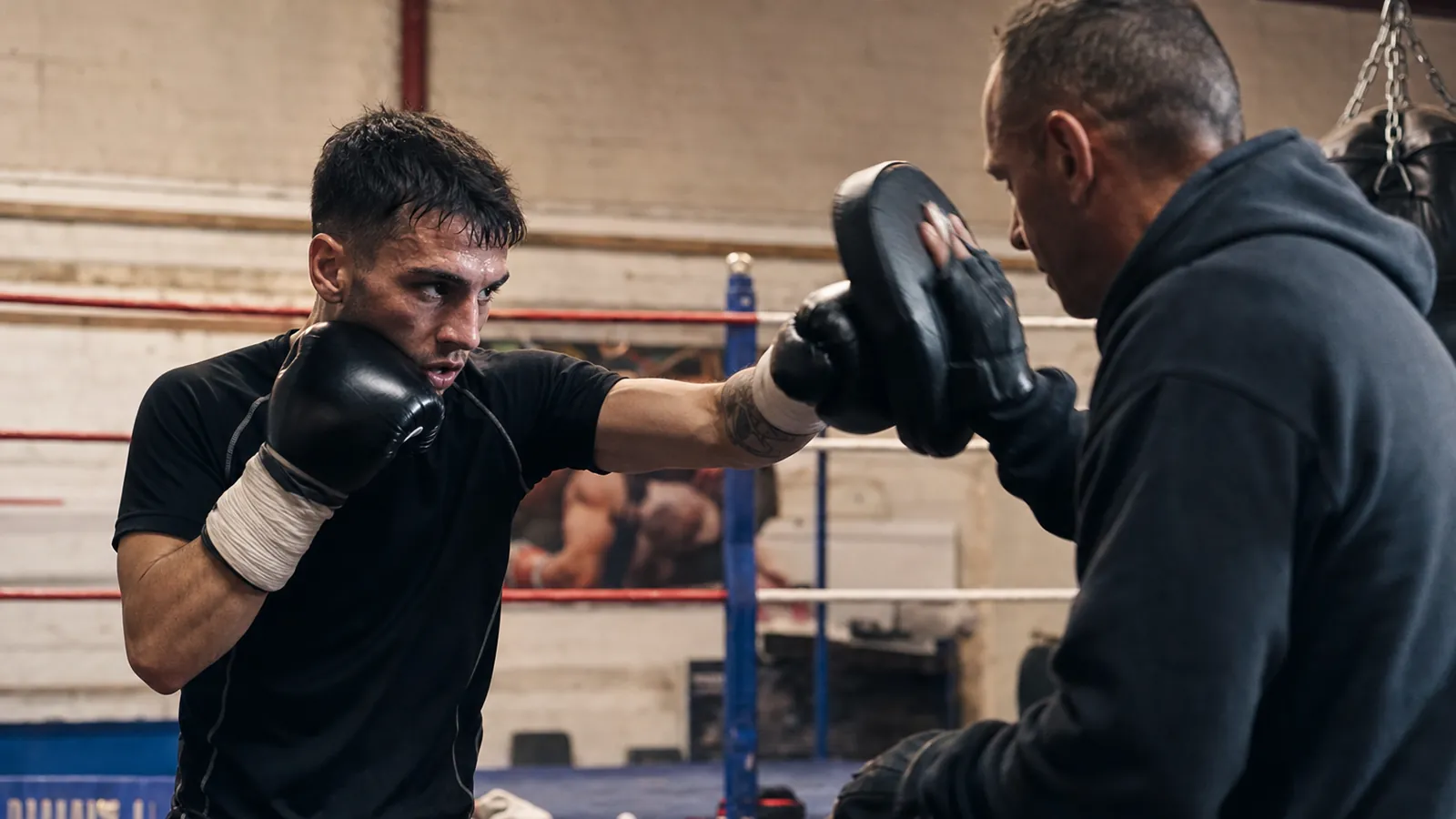
Yafai matters because he is a test of whether Britain still values small-ring excellence when it is not wrapped in heavyweight noise.
He is 9-0 as a professional with 7 stoppages, according to Box.Live, and is listed as the WBC interim flyweight champion (Yafai's record and profile). That is a short professional record, but not a soft one. He has already beaten Tommy Frank in a round, stopped Agustin Mauro Gauto, and forced the respected Sunny Edwards to an uncomfortable finish.
The Sunny Edwards fight is the key reference point. Edwards was not beaten by flash. He was smothered by a man who denied him rhythm. Yafai did not simply chase him. He stepped with him, cut off exits, made the ring smaller, and forced a superb pure boxer to work at a pace he did not want.
That is why Yafai is valuable. He is not just another unbeaten name being moved through the system. He is a pressure fighter with elite amateur schooling. The best pressure fighters are not reckless. They are patient bullies. They make you spend energy just to stand still.
There is also a wider point. British boxing has had proud flyweight history, but the division still fights for attention. A Yafai win on a UK main event would tell young boxers something useful: small fighters can headline, small fighters can punch, and small fighters can make technical fights feel urgent.
Why Ricardo Sandoval is dangerous
Sandoval is dangerous because he has already done the difficult thing. He went to Japan, got off the floor, and beat Kenshiro Teraji by split decision to win the titles, according to Matchroom (Sandoval's title-win context). That single fact tells you plenty about his temperament.
Many fighters look good when the script is theirs. Fewer can absorb a knockdown away from home, stay organised, and still take enough rounds from an elite champion. Sandoval's record, 27-2 with 18 knockouts, is not decoration. It says he can hurt world-level flyweights and hold his work over championship distance.
The WBC also points out that Sandoval has already won in Britain, stopping Jay Harris on British soil (WBC's Sandoval background). That removes one lazy storyline. He is not a champion being dragged into unfamiliar weather and noise. He has travelled, he has won away, and he will not be shocked by a hostile crowd.
Stylistically, Sandoval asks awkward questions. Yafai likes to apply pressure in educated layers: feet first, then jab or feint, then body work, then repeat. Sandoval has the punch output and confidence to answer between those layers. If Yafai crowds him lazily, Sandoval can make him pay with short counters and fast combinations.
The danger is not only one punch. At flyweight, danger often looks like a steady leak: a clean right hand here, a body shot as the opponent steps in, a three-punch exchange at the end of a round. Do that often enough and the pressure fighter starts arriving half a beat slower.
The lesson for young boxers: pace is a skill
Beginners often think pace means being fit. Fitness matters, but elite pace is really decision-making under fatigue.
Watch how often both fighters try to win the first step after a break. The referee separates them, a clinch loosens, or one man pivots off the ropes. The next two seconds matter. Elite flyweights do not admire their work. They are already taking ground, changing the angle, or forcing the other boxer to reset.
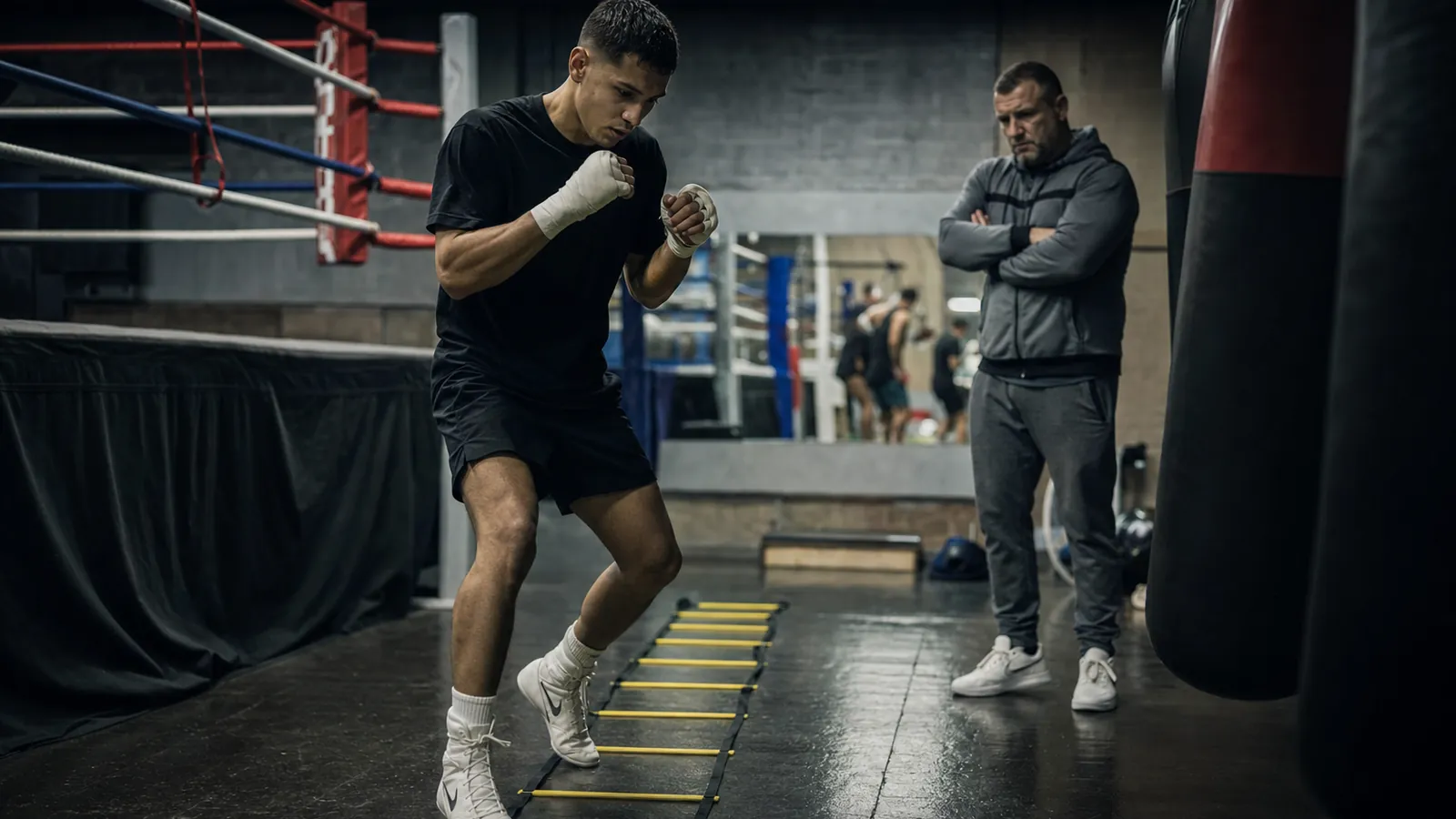
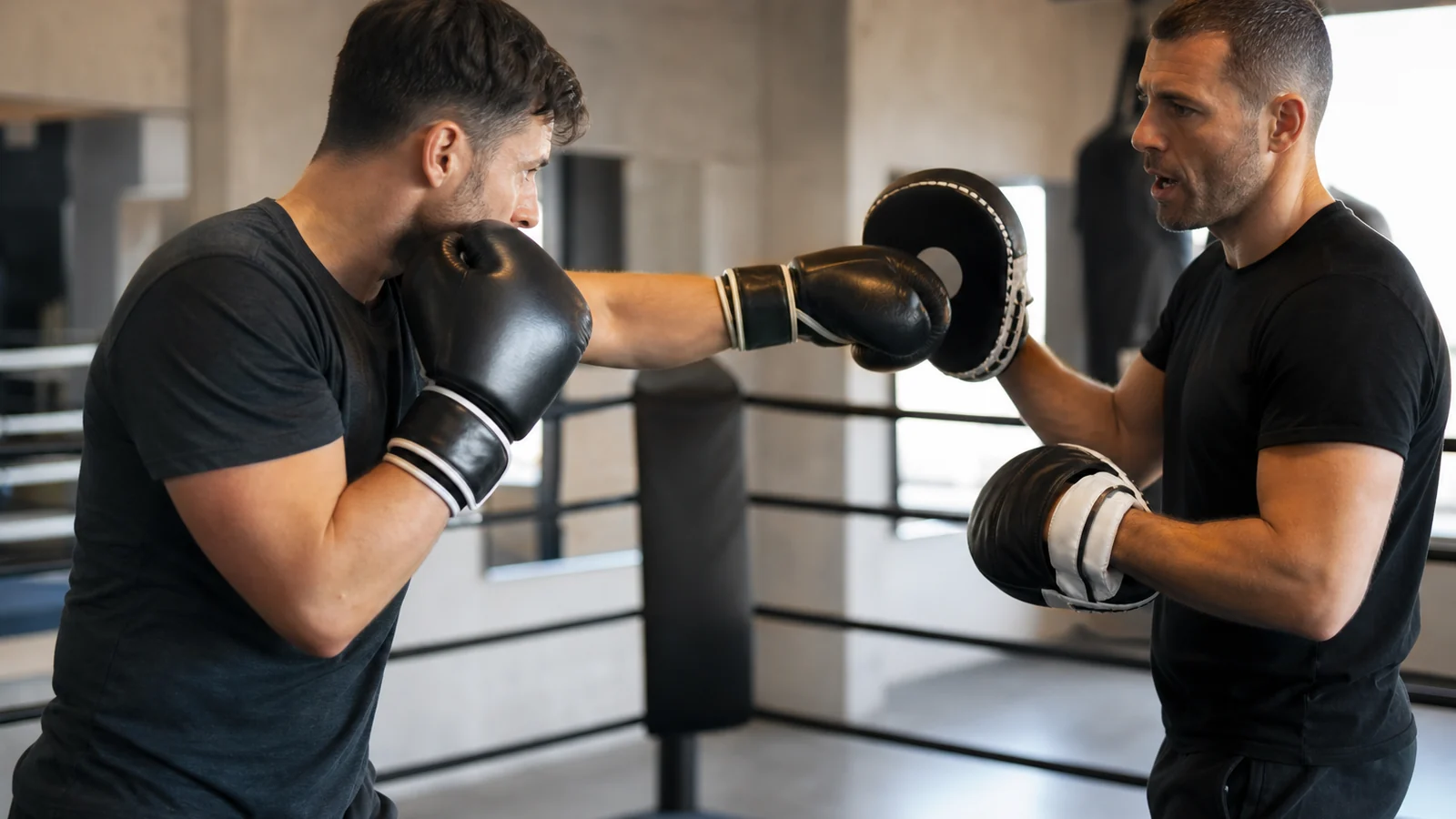
That is the first lesson for juniors at a club like Honour and Glory. Do not treat footwork as the quiet bit before punching. Footwork is the attack. A jab lands because your feet put you in range. A right hand misses because your back foot dragged. A body shot works because you stepped across, not because you swung harder.
Young boxers should also watch the exits. It is easy to enter behind a jab when nobody is firing back. The hard part is leaving safely after you punch. Yafai is good when he finishes close enough to smother the reply or steps around before the counter comes back. Sandoval is dangerous when he keeps his shape under pressure and answers before the attacker has reset.
That is a lesson for every age group from 7+ upward: your combination is not finished when your last punch lands. It is finished when you are balanced, protected, and ready to punch again.
Pressure without recklessness
Pressure is one of the most misunderstood words in boxing. To a beginner, it can sound like marching forward and throwing more punches. At world level, that gets you hit.
Good pressure is quieter. It is a lead foot placed just outside the opponent's stance. It is a feint that freezes the other boxer before the real step. It is cutting off the ring instead of following. It is touching the guard, making the opponent react, and then punching where the reaction opened space.
Yafai's best work comes when he makes pressure feel claustrophobic rather than frantic. He does not need the opponent to make a huge mistake. He wants small withdrawals: a shorter step, a slower jab, a hand returning low, a boxer choosing to hold rather than punch.
Sandoval will try to prevent that pattern by making Yafai pay for every entry. That is why the first three rounds are so important. If Yafai can make Sandoval back up without taking clean counters, the fight tilts towards his rhythm. If Sandoval can meet him early and stop him setting his feet, the champion can turn the challenger into the man doing the adjusting.
What to make of the online noise
There is public argument around this fight, but it should be treated as mood rather than evidence. If you want the raw debate, there are Reddit threads on Sandoval being discussed as unified champion (Sandoval defence discussion), an earlier Yafai-Sandoval bout discussion (fight rumour thread), the messy Rodriguez ending (Yafai-Rodriguez no-contest debate), Dalton Smith's injury changing the card (Sheffield card-change thread), and the live reaction to Yafai versus Rodriguez (Rodriguez fight thread).
Those threads are useful because they show the questions people are asking. Is Yafai ready? Did the Rodriguez fight leave a bad taste? Is Sandoval being underrated because he is not a UK household name? Fair questions. But the ring will answer them better than comment sections.
What H&G boxers should watch on fight night
Do not watch this fight like a casual fan waiting for a knockdown. Watch it like a boxer.
First, watch the lead feet. In orthodox-versus-orthodox fights, the boxer who can step outside without overreaching often controls the clean punching lanes. If Yafai's front foot lands too narrow, Sandoval will have room to counter. If Sandoval retreats in straight lines, Yafai will trap him.
Second, watch the first punch after a reset. Elite fighters steal rounds by being first after every pause. A jab to the chest, a touch to the guard, a step that forces the opponent backwards - those moments do not make highlight reels, but judges notice who is making the fight happen.
Third, watch the body work. Pressure fighters do not invest downstairs because body shots always win rounds immediately. They do it because they tax the legs. Against a champion who moves, counters, and throws in bunches, that investment can decide the final third of the fight.
If you are learning from home, pair that study with real coaching. Our guide on why teaching yourself to box usually builds bad habits explains the trap: seeing a movement and doing it correctly are not the same thing. For a more beginner-friendly angle, our piece on Tony Jeffries' boxing tips for beginners is a good companion.
Prediction: Yafai can win, but only if he earns the right to pressure
Yafai can win this fight. I would not call it easy, and I would not treat Sandoval as a belt-holder keeping the seat warm.
The route for Yafai is disciplined pressure: feet before hands, body work without falling in, and enough early authority to stop Sandoval boxing at his preferred rhythm. If he turns the fight into a series of rushed exchanges, Sandoval has the sharpness and experience to make him regret it.
The route for Sandoval is to puncture the pressure. He needs to land enough clean counters early that Yafai cannot simply build momentum. He does not need to run. He needs to make Yafai reset, make him think twice, and make the challenger work for every yard of ring space.
That is what makes the fight worth watching. It is not just Britain versus Mexico or Olympic gold versus world champion. It is pressure against resistance. It is footwork under fire. It is a reminder that flyweight boxing, at its best, is not small boxing. It is fast boxing with fewer hiding places.
Honour and Glory is based in Kidbrooke, SE London, and runs boxing classes for ages 7+. If this fight makes your child want to understand footwork properly, start with our Recreational Juniors boxing class. If you are an adult watching and thinking you should finally train properly, our Recreational Adults boxing class is the right place to start. If you are local, we are easy to reach from Kidbrooke and nearby SE London areas.
H&G Team
Writer at Honour & Glory Boxing Club, a community boxing gym in Kidbrooke, South East London.
Was this page helpful?
Your feedback helps us improve this page
Got questions about what you just read?
ASK OUR AI ASSISTANT ✨MORE LIKE THIS
WANT TO JOIN US?
Book a free trial session and see what we're all about.
Book a Free Trial